

 Vista previa
 Compartir
 Compartir
 Ver detalles

 Descargar
 Ver similares
 Radiografía
 Presentación de diapositivas
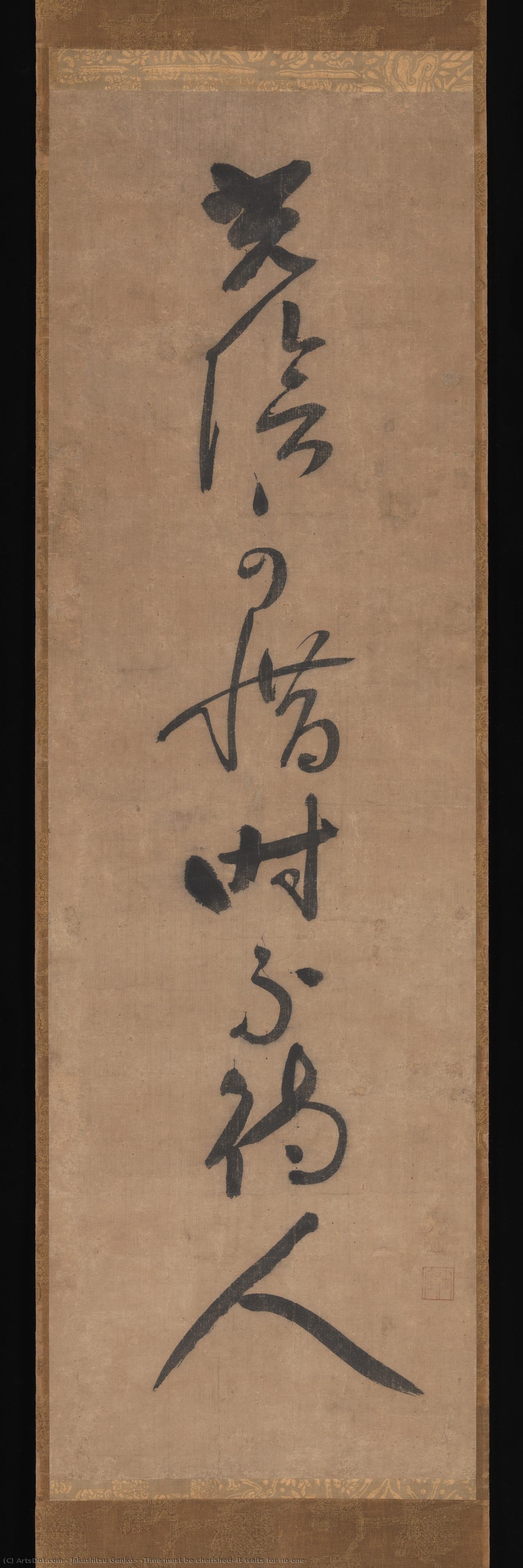
“Time must be cherished, it waits for no one”
 301
301 108.0cm x 31.0cm
 Leer más
Adquiera una imagen digital de alta resolución y optimizada, muy superior a la vista previa en línea.
Cada archivo es preparado meticulosamente por nuestros especialistas internos mediante el uso de herramientas avanzadas y un experto retoque manual. Nos aseguramos de que cada imagen posea una claridad excepcional, una precisión cromática impecable y un detalle minucioso.
El archivo final se entrega por correo electrónico en un plazo de 72 horas, optimizado para su uso inmediato en entornos profesionales, editoriales y de impresión. Esta es la misma calidad en la que confían los estudios de diseño, las editoriales y las galerías de primer nivel.
Imagen Digital
Descarga un archivo de alta resolución para exhibición personal, impresión y proyectos creativos. ( Pedir impresión Encargar reproducción pintada a mano)
Incluido en cada compra de imágenes digitales
Entrega digital experta, garantizada.
Al elegir ArtsDot.com, no solo está adquiriendo una imagen; está recibiendo una obra de arte digital mejorada profesionalmente, elaborada con precisión y respaldada por una garantía de satisfacción. Esto es todo lo que incluye su pedido, automáticamente:

Entrega rápida por email
Recibirá su archivo de imagen digital en alta resolución por correo electrónico en un plazo de 72 horas tras realizar su pedido, listo para su uso inmediato.

Archivo digital optimizado por IA
Su obra de arte se optimiza profesionalmente mediante herramientas avanzadas de IA y edición manual, garantizando el máximo detalle, claridad y precisión cromática.

Reenvío gratuito de por vida
¿Has borrado o perdido tu archivo por error? No te preocupes: te lo volveremos a enviar en cualquier momento, sin coste adicional.

Sin gastos de importación, siempre
Disfrute de su obra de arte al instante sin aduanas, aranceles ni gastos de envío; las descargas digitales siempre están libres de impuestos.

Garantía de precisión de color
Garantizamos que su imagen digital refleje los colores originales con la mayor fidelidad posible, mediante el uso de herramientas profesionales y gestión del color.

Garantía de satisfacción de 60 días
Si no está satisfecho con su imagen digital, la revisaremos o le reembolsaremos el 100% en un plazo de 60 días, sin preguntas.

100% Garantía de devolución de dinero
¿No está satisfecho? Obtenga un reembolso completo dentro de los 60 días posteriores a la recepción de su archivo digital, sin necesidad de explicaciones.

Descuentos por volumen
Compra 3 imágenes, ahorra 10% - Compra 5, ahorra 15% - Compra 10+, ahorra 20%. Ideal para proyectos creativos, galerías y agencias.
Descripción del coleccionable
Obras relacionadas










Biografía del artista
A Poet of Stillness: Exploring the Legacy of Jakushitsu Genkō
Jakushitsu Genkō (寂室 元光, june 23, 1290 – september 25, 1367) stands as a singular figure in fourteenth-century Japan—a Rinzai Zen master whose artistic output transcended mere craftsmanship to embody the very essence of contemplative practice. More than just a painter’s disciple, Genkō was a poet who wrestled with profound philosophical questions and distilled them into verses that continue to resonate with practitioners and scholars alike. His contribution to Zen aesthetics is undeniable, cementing his place among Japan's most revered literary luminaries. Early Life & Artistic Formation: Little biographical detail survives concerning Genkō’s formative years; he emerged from obscurity as a student of Zen at Nara Temple, establishing a foundation for his lifelong devotion to the Dharma. However, it was his pilgrimage to China between 1320 and 1326 that irrevocably shaped his artistic sensibilities. Driven by an unwavering desire for enlightenment, Genkō traveled extensively, immersing himself in the teachings of Linji Chan Buddhism—a school known for its radical immediacy and paradoxical pronouncements. This experience instilled within him a deep appreciation for simplicity and directness, qualities that would permeate his poetic endeavors. He began his Zen training at Nara Temple where he was recognized as having an innate talent for contemplation and spiritual understanding. The Influence of Linji & Literary Tradition: The Linji School’s emphasis on sudden enlightenment profoundly impacted Genkō's worldview. Rejecting elaborate ritualistic practices, Linji masters advocated for confronting reality without mediation—a principle mirrored in Genkō’s poetry. He drew inspiration from the towering figures of Fujiwara no Teika and other prominent poets of his era, absorbing their stylistic innovations while forging a distinctly Japanese voice. Furthermore, Genkō's artistic vision was informed by the burgeoning tradition of literati painting, particularly the serene landscapes favored by Lu You—a movement that prioritized capturing the spirit of nature rather than mere visual representation. This approach reflected a core Zen belief: true understanding arises from experiencing the world with unwavering awareness and accepting its inherent impermanence. A Voice of Quiet Reflection: Genkō’s poetic style is characterized by its breathtaking brevity and crystalline clarity. He eschewed ornate metaphors and elaborate descriptions, opting instead for concise phrases that conveyed profound spiritual insight. Recurring motifs—mountains, waterfalls, and autumn foliage—served as conduits for exploring themes of impermanence, emptiness (sunyata), and the elusive quest for liberation. His poems aren’t merely aesthetically pleasing; they are invitations to contemplate the fundamental nature of existence. Consider his famous verse: “Rock slab seat / Legs folded sitting alone / Not loathing noise / Not savoring silence.” This simple image encapsulates the Zen ideal of detachment from worldly distractions—a state of mind achieved through mindful awareness and acceptance. Notable Works & Recognition: Genkō’s magnum opus is arguably “Poems of the Five Mountains,” a collection that meticulously documented his travels across Japan’s sacred peaks—Mount Fuji, Mount Hakusan, Mount Kinmochi, Mount Ōyama, and Mount Tsukuba. These poems capture not only the physical beauty of these landscapes but also their symbolic significance as emblems of spiritual aspiration. Each verse is imbued with subtle references to Zen philosophy, prompting viewers to consider questions of perspective and interconnectedness. His inclusion in the Shin Kokin Wakashū—an imperial anthology considered one of Japan’s finest achievements in waka poetry—solidified his reputation as a master poet and ensured that his verses would endure for centuries to come. This honor speaks volumes about Genkō's contribution to Japanese culture and his enduring influence on subsequent generations of poets. Legacy & Enduring Significance: Jakushitsu Genkō’s legacy extends far beyond the confines of his own lifetime. He championed Zen Buddhism’s core tenets, advocating for mindfulness and cultivating inner peace—values that continue to inspire Buddhist practitioners today. His poetic legacy serves as a testament to the transformative power of contemplation and reminds us that true wisdom resides not in intellectual understanding but in experiencing the world with unwavering awareness. For a deeper exploration of his work and life, consult https://ArtsDot.com/@/jakushitsu-genko or Wikipedia.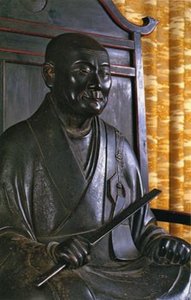
Jakushitsu Genkō
1290 - 1367 , Japón
Datos clave
- Artistic Movement Or Style: Zen
- Artists Or Movements Influenced By This Artist:
- Lu You
- Fujiwara no Teika
- Artists Who Influenced This Artist: ['Linji Escuela']
- Date Of Birth: 1290
- Date Of Death: 1367
- Full Name: Jakushitsu Genkō
- Nationality: Japonés
- Notable Artworks: ['Poemas de los Cinco Montes']
- Place Of Birth: Tokyo, Japón

