 Ver en contexto
 Enviar
 Compartir
 Detalles

 Descargar
 Similares
 Radiografía
 Presentación de diapositivas
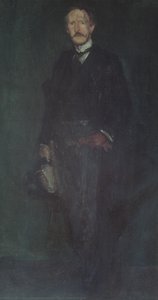
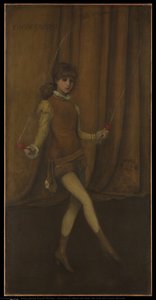
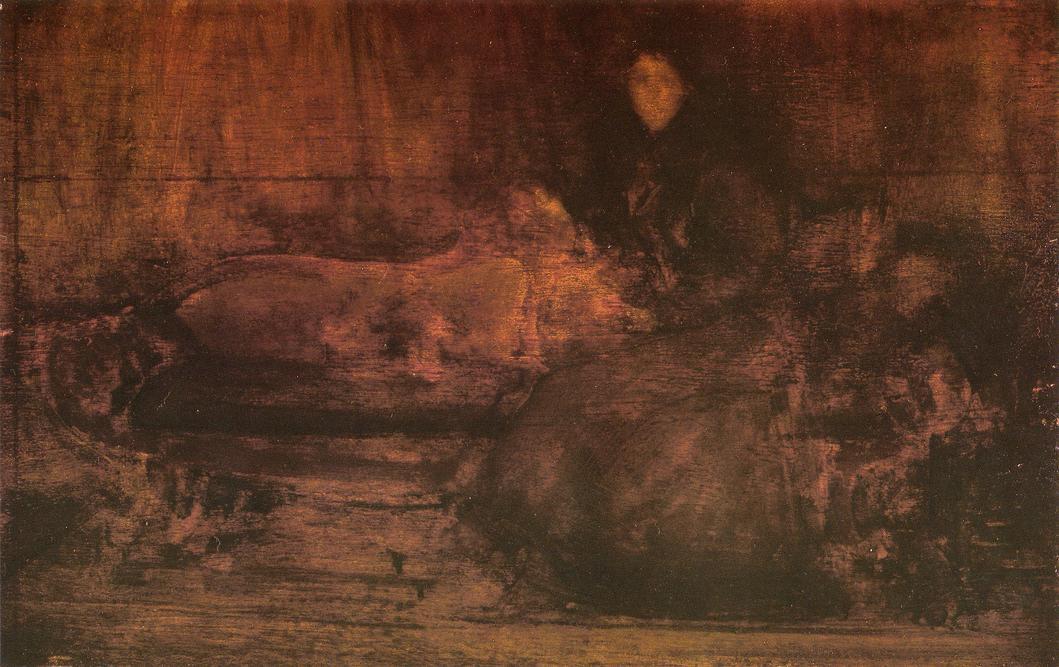
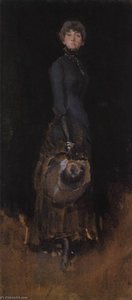
Brown and Gold. Portrait of Lady Eden

 Ver más
Giclée / Impresión de arte
Impresiones giclée o en lienzo de calidad de museo con producción rápida y opciones de acabado flexibles. ( Comprar pintura hecha a mano Comprar imagen)




P118B $10

P118H $10

P118W $10

P438Z $10

P508JH $12

P508YH $12

P805H $10

P805Z $10

P919BZ $10

P919G $10

P919XJ $10

P959ZH $10

P968JZ $12

W106C $8

W218G $10

W218JH $8

W218Y $10

W307PJ $10

W316G $10

W316PJ $8

W316Y $10

W398PJ $8

W4111J $10

W500HY $15

W500JH $15

W692G $12

W849H $8

W940BG $15

W953PJ $8




Elija entre nuestros tamaños predefinidos que respetan las proporciones originales de la obra.

Puede introducir sus propias dimensiones para adaptarse a un marco o espacio específico. Si el tamaño seleccionado no coincide con las proporciones de la imagen original, recortaremos la obra de arte o extenderemos la imagen con un borde con efecto espejo o de color sólido. Se enviará una maqueta digital para su aprobación antes de que comience la producción.
Tenga en cuenta que la vista previa en pantalla no refleja el recorte o la extensión real. Solo la maqueta mostrará con precisión la composición final.
Aunque existen tamaños personalizados, recomendamos seleccionar una dimensión de la lista predefinida para preservar las proporciones originales.
Envío a todo el mundo () en 2 semanas en lugar de las 4/5 semanas estándar. (4 septiembre)

Envío exprés gratuito a todo el mundo

Lienzo de lino de alta calidad

Seguro de envío total

Garantía de reembolso de impuestos aduaneros

Garantía de fidelidad cromática exacta

Política de devolución de 60 días (solo por defectos)

Garantía de devolución del 100% del dinero

Descuento por cantidad
 La opción de vidrio solo está disponible en tamaños inferiores a 110 cm.

Brown and Gold. Portrait of Lady Eden
Giclée / Impresión de arte
Dimensiones de la reproducción
-


Precio total final
$ 62
A Study in Subtlety: James Abbott McNeill Whistler’s ‘Brown and Gold’
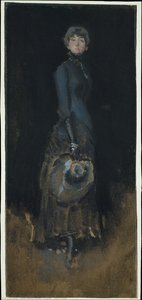
James Abbott McNeill Whistler's “Brown and Gold: Portrait of Lady Eden,” painted between 1894 and 1895, is far more than a simple likeness; it’s a carefully constructed meditation on light, color, and the evolving relationship between artist and patron. This captivating portrait, now residing in the Hunterian Museum and Art Gallery in Glasgow, reveals Whistler's core aesthetic principles – a deliberate rejection of overt narrative and moralizing in favor of pure visual experience. The painting immediately draws the eye with its muted palette: deep browns and rich golds dominate, creating an atmosphere of quiet intimacy and understated elegance. However, it’s not merely a matter of color; Whistler masterfully employs tonal harmony, layering shades to evoke subtle shifts in light and shadow, mimicking the diffused glow of a dimly lit room. The background, painted with a tonalist style—a technique favored by Whistler—is deliberately ambiguous, suggesting a wall adorned with a complex, almost abstract pattern that contributes to the overall sense of depth and mystery.The Lady and the Patronage
The subject of the portrait is Sybil Frances Grey, Lady Eden (1867-1945), a woman of considerable social standing and the wife of William Eden, a prominent barrister. The commission itself is steeped in intriguing complexities, forming the basis for Whistler’s famously contentious legal battle with his patron. Initially, Whistler intended to create a purely aesthetic work, prioritizing the visual experience above all else. However, Lady Eden, seeking a more traditional portrait, requested that her husband include a small, identifiable detail – a glimpse of her jewelry. This seemingly minor request triggered a protracted and highly publicized dispute, highlighting the fundamental differences between Whistler’s artistic philosophy and the expectations of his wealthy patrons. The resulting legal case, “Eden versus Whistler,” became a landmark event in art history, establishing the principle that an artist retains the right to withhold a work if it doesn't align with their creative vision – a cornerstone of the ‘art for art’s sake’ movement.Technique and Innovation: A Delicate Balance
Whistler’s technique in “Brown and Gold” is characterized by remarkable restraint and precision. He employed a layering method, building up color gradually with thin glazes of oil paint, creating a luminous surface that seems to shimmer with reflected light. The brushwork is almost imperceptible—a hallmark of Whistler's style—allowing the colors to blend seamlessly together. Notably, the painting underwent several revisions during its creation. Initially conceived as a more straightforward portrait, Whistler repeatedly scraped away sections of the canvas, attempting to erase Lady Eden’s image entirely, driven by his desire to maintain artistic control and adhere to his aesthetic principles. This process is evident in the subtle variations in texture and color across the surface, revealing layers of paint that speak to the painting's evolving history. The meticulous attention to detail, particularly in capturing the delicate folds of Lady Eden’s dress and the subtle play of light on her skin, demonstrates Whistler’s exceptional skill as a painter.Symbolism and Emotional Resonance
Beyond its technical brilliance, “Brown and Gold” is rich in symbolic meaning. The muted color palette evokes a sense of melancholy and introspection, reflecting the quiet dignity of Lady Eden's character. The dark background creates an atmosphere of intimacy and seclusion, drawing the viewer into the scene. The painting’s title itself—"Brown and Gold"—suggests a harmonious blend of earthly tones and precious metals, hinting at both wealth and refinement. Furthermore, the legal battle surrounding the portrait underscores themes of artistic freedom, patronage, and the tension between aesthetic ideals and commercial expectations. Ultimately, “Brown and Gold: Portrait of Lady Eden” remains a powerful testament to Whistler’s innovative approach to painting and his unwavering commitment to pursuing art for its own sake—a timeless masterpiece that continues to captivate viewers with its subtle beauty and profound emotional depth.Obras relacionadas
Biografía del artista
James Abbott McNeill Whistler: Una Vida en el Arte
Primeros Años e Influencias
- Nacido el 14 de julio de 1834 en Lowell, Massachusetts, la vida temprana de James Abbott McNeill Whistler fue moldeada por la carrera de su padre como ingeniero ferroviario.
- Las frecuentes mudanzas le inculcaron adaptabilidad y exposición a diversos entornos.
- Asistió brevemente a la Academia Militar de los Estados Unidos en West Point, pero descubrió que no se adecuaba a sus inclinaciones artísticas.
- Un puesto posterior con la Encuesta Costera y Geodésica de EE. UU retrasó, pero no extinguió, su búsqueda del arte.
- Sus años formativos estuvieron marcados por un temprano interés en el dibujo y un deseo de convertirse en artista profesional.
Desarrollo Artístico y Comienzos Parisinos
- Whistler se mudó a París en 1855, un momento crucial en su viaje artístico.
- Estudió bajo la tutela de Sébastien Bouré, perfeccionando sus habilidades en pintura al óleo, acuarela y grabado.
- Las primeras obras reflejaban influencias de los pintores realistas franceses y la Escuela de Barbizon.
- Whistler rápidamente desarrolló un estilo distintivo caracterizado por armonías tonales y efectos atmosféricos.
Temas Clave y Estilo Artístico
- Whistler defendió el concepto de “arte por el arte mismo”, rechazando las narrativas didácticas o moralizadoras en favor de consideraciones estéticas.
- Su obra a menudo se centraba en capturar sutiles matices de luz, color y atmósfera.
- Con frecuencia empleaba paletas limitadas y pinceladas delicadas para crear estados de ánimo evocadores.
- Nocturnos, pinturas atmosféricas de escenas crepusculares, se convirtieron en un elemento distintivo de su obra.
- Los retratos también eran centrales en su práctica, a menudo enfatizando los arreglos formales y las relaciones tonales sobre la semejanza estricta.
Obras Notables y Logros Importantes
- El Herrero (1861): Una cautivadora representación de un taller de herrero que muestra el dominio de Whistler de la luz y la sombra.
- Retrato de Charles Lang Freer (1873): Demuestra su habilidad para capturar la esencia de sus sujetos a través de sutiles variaciones tonales.
- Brown and Gold: The Gold Girl—Connie Gilchrist (1876-77): Un ejemplo quintessential del Tonalismo, que presenta un uso innovador del color y la composición.
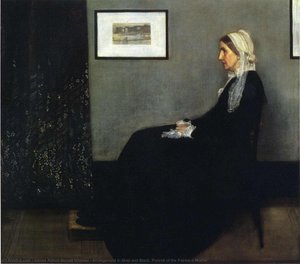
- Arrangement in Grey and Black No. 1 (Whistler’s Mother) (1871): Tal vez su obra más famosa, una imagen icónica de la maternidad victoriana y un testimonio de su enfoque formalista.
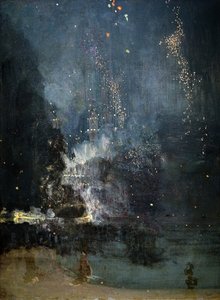
- Nocturne in Black and Gold – The Falling Rocket (1875): Una pintura controvertida que provocó una demanda por difamación contra el crítico de arte John Ruskin, destacando la defensa de Whistler del arte autónomo.
Influencias y Legado
- Whistler fue influenciado por las estampas japonesas (ukiyo-e), que informaron sus principios compositivos y su énfasis en los patrones decorativos.
- También admiró la obra de pintores españoles como Velázquez, particularmente su dominio de los valores tonales.
- Su defensa del “arte por el arte mismo” tuvo un impacto profundo en el movimiento estético en Inglaterra y América.
- La influencia de Whistler se extendió a las generaciones posteriores de artistas que adoptaron enfoques formalistas y exploraron el potencial expresivo del color y la composición.
- Dejó una marca indeleble en el arte estadounidense, desafiando las nociones convencionales sobre el propósito artístico y allanando el camino al modernismo.
Significado Histórico
- La carrera de Whistler coincidió con un período de importantes cambios sociales y culturales tanto en Europa como en América.
- Su obra desafió las sensibilidades victorianas y contribuyó a un cambio más amplio hacia el esteticismo y el individualismo.
- La demanda por difamación contra Ruskin elevó el perfil de Whistler e impulsó importantes debates sobre la naturaleza del arte crítico y la libertad artística.
- Sigue siendo una figura clave en la historia del arte estadounidense, celebrada por su estilo innovador, rigor intelectual y compromiso inquebrantable con los principios artísticos.
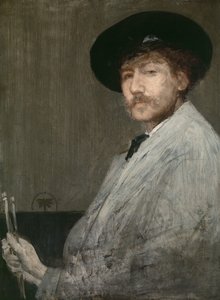
James Abbott McNeill Whistler
1834 - 1903 , Estados Unidos de América
Datos clave
- Artistas Influenciados: ['Movimiento Estético']
- Artistas Que Influyeron:
- Sebastián Bouré
- Velázquez
- Fecha De Muerte: 1903
- Fecha De Nacimiento: 14 de julio de 1834
- Lugar De Nacimiento: Lowell, Estados Unidos
- Movimiento Artístico: Tonalismo, Esteticismo
- Nacionalidad: Estadounidense
- Nombre Completo: James Abbott McNeill Whistler
- Obras Notables:
- The Forge
- Retrato de Charles Lang Freer
- Brown and Gold
- La madre de Whistler
- Nocturno en Negro y Oro
Artículos relacionados
James Abbott McNeill Whistler: Las 25 Obras Maestras del Maestro del Arte y la Atmósfera | ArtsDot
Descubre las 25 obras maestras de James Abbott McNeill Whistler, el maestro del impresionismo y la armonía en arte. Explora retratos icónicos, nocturnos evocadores y su innovadora paleta de colores. Reproducciones de arte exclusivas en ArtsDot.com.
Golden Glow: How to Use Metallic Gold Artworks to Elevate Your Home Decor with Timeless Luxury
Discover how to elevate your home with the timeless elegance of metallic gold artworks. From sculptural metal pieces to gilded oil paintings, learn expert interior design tips for integrating luxurious gold accents into your space with sophistication and grace.
The Allure of Gold in Art History: Symbolism, Technique & Cultural Significance
Explore the rich history of gold in art! Discover symbolism, techniques & cultural significance from ancient civilizations to Klimt's masterpieces. Expert insights for collectors at ArtsDot.

Oro en el Arte: Los 10 Cuadros Más Famosos con Hoja de Oro | ArtsDot
Descubre los 10 cuadros más famosos con hoja de oro, desde Klimt hasta el arte bizantino. Explora la historia, técnica y belleza de estas obras maestras doradas. Reproducciones de arte exclusivas en ArtsDot.com.
Las 10 Obras Maestras Marrones Rosados: Belleza Atemporal para tu Hogar |
Descubre las 10 pinturas marrones rosados más icónicas de la historia del arte. Explora el Renacimiento, Barroco e Impresionismo con obras maestras llenas de calidez y significado. Reproducciones de alta calidad en .