 Ver en contexto
 Enviar
 Compartir
 Detalles

 Descargar
 Similares
 Radiografía
 Presentación de diapositivas
Título traducido: La madre del artista


 Ver más
Reproducción al óleo hecha a mano
Óleo sobre lienzo pintado a mano en el tamaño y marco de su elección, realizado por encargo por nuestros artistas. ( Comprar impresión Comprar imagen)




P118B $10

P118H $10

P118W $10

P438Z $10

P508JH $12

P508YH $12

P805H $10

P805Z $10

P919BZ $10

P919G $10

P919XJ $10

P959ZH $10

P968JZ $12

W106C $8

W218G $10

W218JH $8

W218Y $10

W307PJ $10

W316G $10

W316PJ $8

W316Y $10

W398PJ $8

W4111J $10

W500HY $15

W500JH $15

W692G $12

W849H $8

W940BG $15

W953PJ $8




Elija entre nuestros tamaños predefinidos que respetan las proporciones originales de la obra.

Puede ingresar sus propias dimensiones para adaptarse a un marco o espacio específico. Si el tamaño seleccionado no coincide con las proporciones de la imagen original, recortaremos la obra o extenderemos la pintura con elementos adicionales pintados a mano. Se le enviará una maqueta digital para su aprobación antes de comenzar la producción.
Tenga en cuenta que la vista previa en pantalla no refleja el recorte o la extensión reales. Solo la maqueta mostrará con precisión la composición final.
Si bien existen tamaños personalizados, recomendamos seleccionar una dimensión de la lista predefinida para preservar las proporciones originales.
Tras realizar el pedido, el equipo de ArtsDot.com enviará un correo electrónico al cliente para solicitar instrucciones y proporcionarle una vista previa del boceto.
Envío a todo el mundo () en 3-4 semanas en lugar de las 5 semanas estándar. (1 septiembre). Sin comprometer la calidad.

Envío exprés gratuito a todo el mundo

Lienzo de lino de alta calidad

Seguro de envío total

Garantía de reembolso de impuestos aduaneros

Garantía de fidelidad cromática exacta

Política de devolución de 60 días (solo por defectos)

Garantía de devolución del 100% del dinero

Descuento por cantidad
 La opción de vidrio solo está disponible en tamaños inferiores a 110 cm.

Título traducido: La madre del artista
Técnica de reproducción
Dimensiones de la reproducción
-


Precio total final
$ 263
A Study in Grey and Dignity: Unveiling Whistler’s *The Artist's Mother*
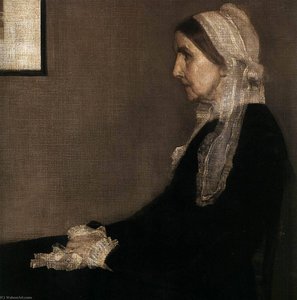
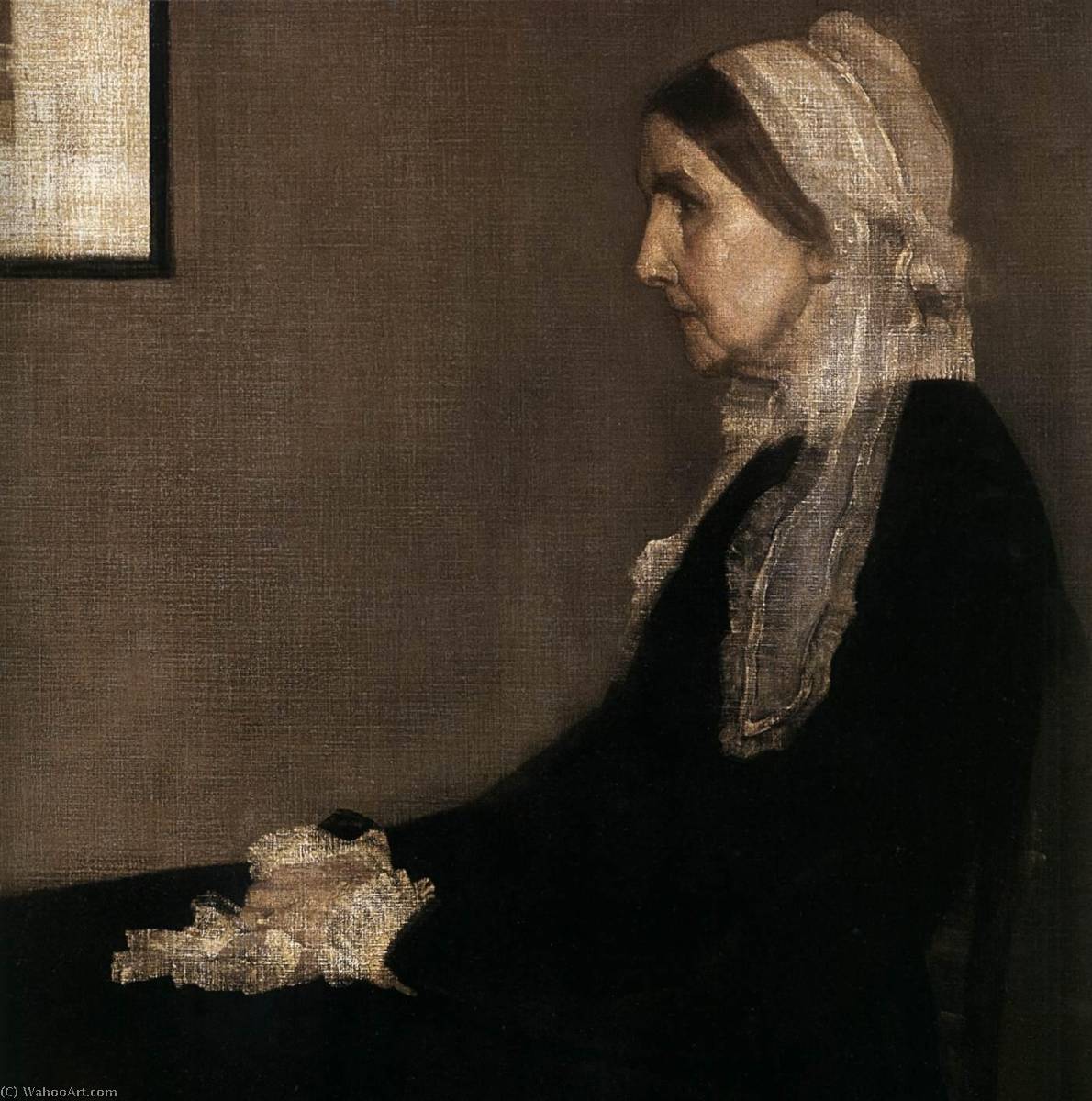
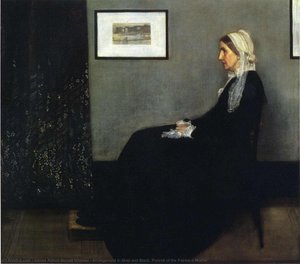
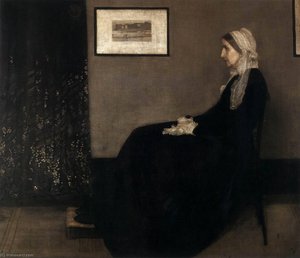
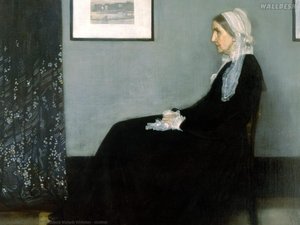
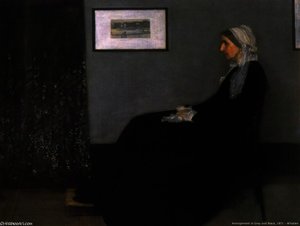
James Abbott McNeill Whistler’s 1871 painting, formally titled *Arrangement in Grey and Black No. 1*, but universally known as *Whistler’s Mother*, transcends the boundaries of a simple portrait to become an enduring icon of motherhood, aestheticism, and quiet contemplation. More than just a likeness of his mother, Anna McNeill Whistler, the work is a carefully constructed composition—a testament to Whistler's belief in “art for art’s sake,” prioritizing formal elements over narrative content. The painting currently resides at the Musée d'Orsay in Paris, a fitting home for this masterpiece that challenged Victorian artistic conventions and continues to resonate with viewers today.
The Birth of an Aesthetic Statement
Whistler’s artistic journey was marked by a rejection of traditional academic painting and a fascination with Japanese prints and the burgeoning aesthetic movement. He sought to create works that were harmonious arrangements of color and form, divorced from moralizing or sentimental storytelling. *The Artist's Mother* perfectly embodies this philosophy. The subdued palette—a masterful interplay of greys, blacks, and whites—creates an atmosphere of serene stillness. Anna Whistler is depicted in profile, seated in a chair against a plain wall, her figure rendered with delicate brushstrokes that emphasize the play of light and shadow. The painting’s initial reception was mixed; some critics found it cold and lacking in emotional depth, while others recognized its innovative approach to portraiture. It wasn't intended as a sentimental tribute but rather an exploration of tonal harmony and compositional balance.
Symbolism Woven into the Fabric
While Whistler vehemently denied any intentional symbolism within his work, arguing against reading narrative into purely aesthetic arrangements, layers of meaning inevitably emerge. The painting’s austere setting and the subject’s reserved pose evoke a sense of Victorian propriety and quiet dignity. Anna Whistler, a devout Presbyterian with a strong moral compass, embodies these qualities. Her dark clothing and bonnet contribute to the overall somber tone, while the framed picture on the wall behind her hints at family history and lineage. The careful arrangement of shapes—the rectangular frame mirroring the shape of the window, the vertical lines of the chair contrasting with the horizontal plane of the seat—demonstrates Whistler’s meticulous attention to formal elements. The painting's very title, an “arrangement” rather than a portrait, underscores his focus on artistic construction over representational accuracy.
A Lasting Legacy and Enduring Appeal
Over time, *Whistler’s Mother* has evolved from a controversial artwork to a beloved cultural icon. It has been reproduced countless times, appearing on everything from posters and postcards to stamps and mugs. Its image has become synonymous with motherhood itself, representing strength, resilience, and unwavering love. The painting’s enduring appeal lies in its ability to evoke a sense of universal human experience—the quiet bond between mother and child, the passage of time, and the search for beauty in simplicity. For those seeking to bring a touch of timeless elegance and contemplative grace into their homes, a high-quality reproduction of *The Artist's Mother* offers not just an aesthetic statement but also a poignant reminder of the enduring power of family and artistic vision.
Technical Considerations
Whistler employed a technique known as Tonalism—a deliberate avoidance of color to concentrate solely on tonal variations. This approach, influenced by Japanese prints, prioritized subtle gradations of gray and black over vibrant hues. The artist utilized thin layers of oil paint applied with meticulous brushstrokes, creating an illusion of depth and texture without resorting to traditional glazing techniques. Careful attention was paid to the interplay of light and shadow—a key element in conveying Whistler’s aesthetic vision. The composition itself is remarkably balanced, reflecting Whistler's belief in geometric harmony.
Historical Context
Painted during the Aesthetic Movement, *Whistler’s Mother* represents a significant departure from Victorian artistic conventions that favored narrative storytelling and emotional expression. Whistler championed the idea of “art for art’s sake,” arguing that paintings should be judged solely on their formal qualities—their color, line, and composition—rather than their ability to convey moral or sentimental messages. This stance challenged the prevailing taste of the time and positioned Whistler as a pioneer of modern artistic thought.
Contemporary Relevance
Despite its seemingly simple appearance, *Whistler’s Mother* continues to fascinate viewers today. Its enduring popularity speaks to its ability to capture timeless themes—motherhood, contemplation, and beauty—in an understated yet profoundly evocative manner. The painting serves as a reminder of the importance of aesthetic principles in artmaking and invites us to appreciate the power of visual harmony.
Obras relacionadas
Biografía del artista
James Abbott McNeill Whistler: Una Vida en el Arte
Primeros Años e Influencias
- Nacido el 14 de julio de 1834 en Lowell, Massachusetts, la vida temprana de James Abbott McNeill Whistler fue moldeada por la carrera de su padre como ingeniero ferroviario.
- Las frecuentes mudanzas le inculcaron adaptabilidad y exposición a diversos entornos.
- Asistió brevemente a la Academia Militar de los Estados Unidos en West Point, pero descubrió que no se adecuaba a sus inclinaciones artísticas.
- Un puesto posterior con la Encuesta Costera y Geodésica de EE. UU retrasó, pero no extinguió, su búsqueda del arte.
- Sus años formativos estuvieron marcados por un temprano interés en el dibujo y un deseo de convertirse en artista profesional.
Desarrollo Artístico y Comienzos Parisinos
- Whistler se mudó a París en 1855, un momento crucial en su viaje artístico.
- Estudió bajo la tutela de Sébastien Bouré, perfeccionando sus habilidades en pintura al óleo, acuarela y grabado.
- Las primeras obras reflejaban influencias de los pintores realistas franceses y la Escuela de Barbizon.
- Whistler rápidamente desarrolló un estilo distintivo caracterizado por armonías tonales y efectos atmosféricos.
Temas Clave y Estilo Artístico
- Whistler defendió el concepto de “arte por el arte mismo”, rechazando las narrativas didácticas o moralizadoras en favor de consideraciones estéticas.
- Su obra a menudo se centraba en capturar sutiles matices de luz, color y atmósfera.
- Con frecuencia empleaba paletas limitadas y pinceladas delicadas para crear estados de ánimo evocadores.
- Nocturnos, pinturas atmosféricas de escenas crepusculares, se convirtieron en un elemento distintivo de su obra.
- Los retratos también eran centrales en su práctica, a menudo enfatizando los arreglos formales y las relaciones tonales sobre la semejanza estricta.
Obras Notables y Logros Importantes
- El Herrero (1861): Una cautivadora representación de un taller de herrero que muestra el dominio de Whistler de la luz y la sombra.
- Retrato de Charles Lang Freer (1873): Demuestra su habilidad para capturar la esencia de sus sujetos a través de sutiles variaciones tonales.
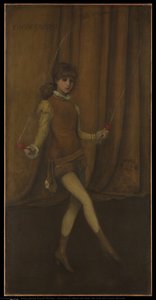
- Brown and Gold: The Gold Girl—Connie Gilchrist (1876-77): Un ejemplo quintessential del Tonalismo, que presenta un uso innovador del color y la composición.
- Arrangement in Grey and Black No. 1 (Whistler’s Mother) (1871): Tal vez su obra más famosa, una imagen icónica de la maternidad victoriana y un testimonio de su enfoque formalista.
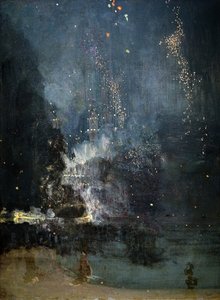
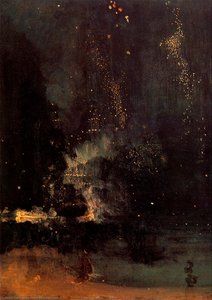
- Nocturne in Black and Gold – The Falling Rocket (1875): Una pintura controvertida que provocó una demanda por difamación contra el crítico de arte John Ruskin, destacando la defensa de Whistler del arte autónomo.
Influencias y Legado
- Whistler fue influenciado por las estampas japonesas (ukiyo-e), que informaron sus principios compositivos y su énfasis en los patrones decorativos.
- También admiró la obra de pintores españoles como Velázquez, particularmente su dominio de los valores tonales.
- Su defensa del “arte por el arte mismo” tuvo un impacto profundo en el movimiento estético en Inglaterra y América.
- La influencia de Whistler se extendió a las generaciones posteriores de artistas que adoptaron enfoques formalistas y exploraron el potencial expresivo del color y la composición.
- Dejó una marca indeleble en el arte estadounidense, desafiando las nociones convencionales sobre el propósito artístico y allanando el camino al modernismo.
Significado Histórico
- La carrera de Whistler coincidió con un período de importantes cambios sociales y culturales tanto en Europa como en América.
- Su obra desafió las sensibilidades victorianas y contribuyó a un cambio más amplio hacia el esteticismo y el individualismo.
- La demanda por difamación contra Ruskin elevó el perfil de Whistler e impulsó importantes debates sobre la naturaleza del arte crítico y la libertad artística.
- Sigue siendo una figura clave en la historia del arte estadounidense, celebrada por su estilo innovador, rigor intelectual y compromiso inquebrantable con los principios artísticos.
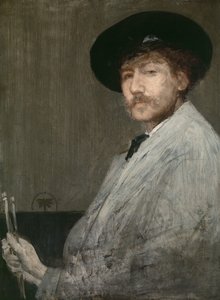
James Abbott McNeill Whistler
1834 - 1903 , Estados Unidos de América
Datos clave
- Artistas Influenciados: ['Movimiento Estético']
- Artistas Que Influyeron:
- Sebastián Bouré
- Velázquez
- Fecha De Muerte: 1903
- Fecha De Nacimiento: 14 de julio de 1834
- Lugar De Nacimiento: Lowell, Estados Unidos
- Movimiento Artístico: Tonalismo, Esteticismo
- Nacionalidad: Estadounidense
- Nombre Completo: James Abbott McNeill Whistler
- Obras Notables:
- The Forge
- Retrato de Charles Lang Freer
- Brown and Gold
- La madre de Whistler
- Nocturno en Negro y Oro
Artículos relacionados
James Abbott McNeill Whistler: Las 25 Obras Maestras del Maestro del Arte y la Atmósfera | ArtsDot
Descubre las 25 obras maestras de James Abbott McNeill Whistler, el maestro del impresionismo y la armonía en arte. Explora retratos icónicos, nocturnos evocadores y su innovadora paleta de colores. Reproducciones de arte exclusivas en ArtsDot.com.
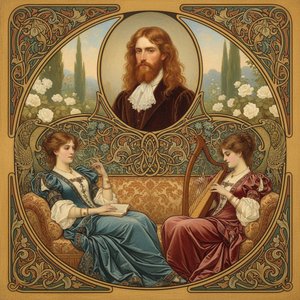
Frederick Morgan: A Study in Aestheticism & Victorian Beauty
Explore the captivating world of Frederick Morgan, a key figure in Victorian Aestheticism. Discover his beautiful paintings, recurring themes, and lasting legacy with our expert analysis. Learn more today!
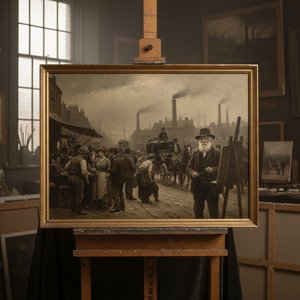
Walter Greaves: A Study in Victorian Realism & the Social Landscape of British Art
Explore the life & work of Walter Greaves, a key Victorian realist painter influenced by Whistler. Discover his London streetscapes, portraits, and enduring legacy. Learn about art appraisal & reproduction options at ArtsDot.
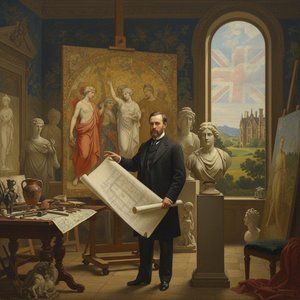
Sir Edward Poynter: Aestheticism, Archaeology & Victorian Identity
Explore the captivating world of Sir Edward Poynter, a leading figure of Aestheticism & Victorian art. Discover his archaeological narratives, iconic paintings like 'Day Dream Fine,' and lasting influence on British art history.
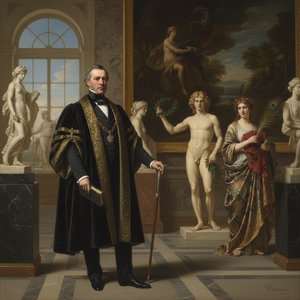
Sir Frederic Leighton: Aestheticism, Academic Mastery & Victorian Masculinity
Explore the life & art of Sir Frederic Leighton, a master of Victorian Aestheticism. Discover his academic training, sculptural innovations, and captivating depictions of beauty. Expert insights for collectors.