

 Ver en contexto
 Enviar
 Compartir
 Detalles

 Descargar
 Similares
 Radiografía
 Presentación de diapositivas
 Estadísticas
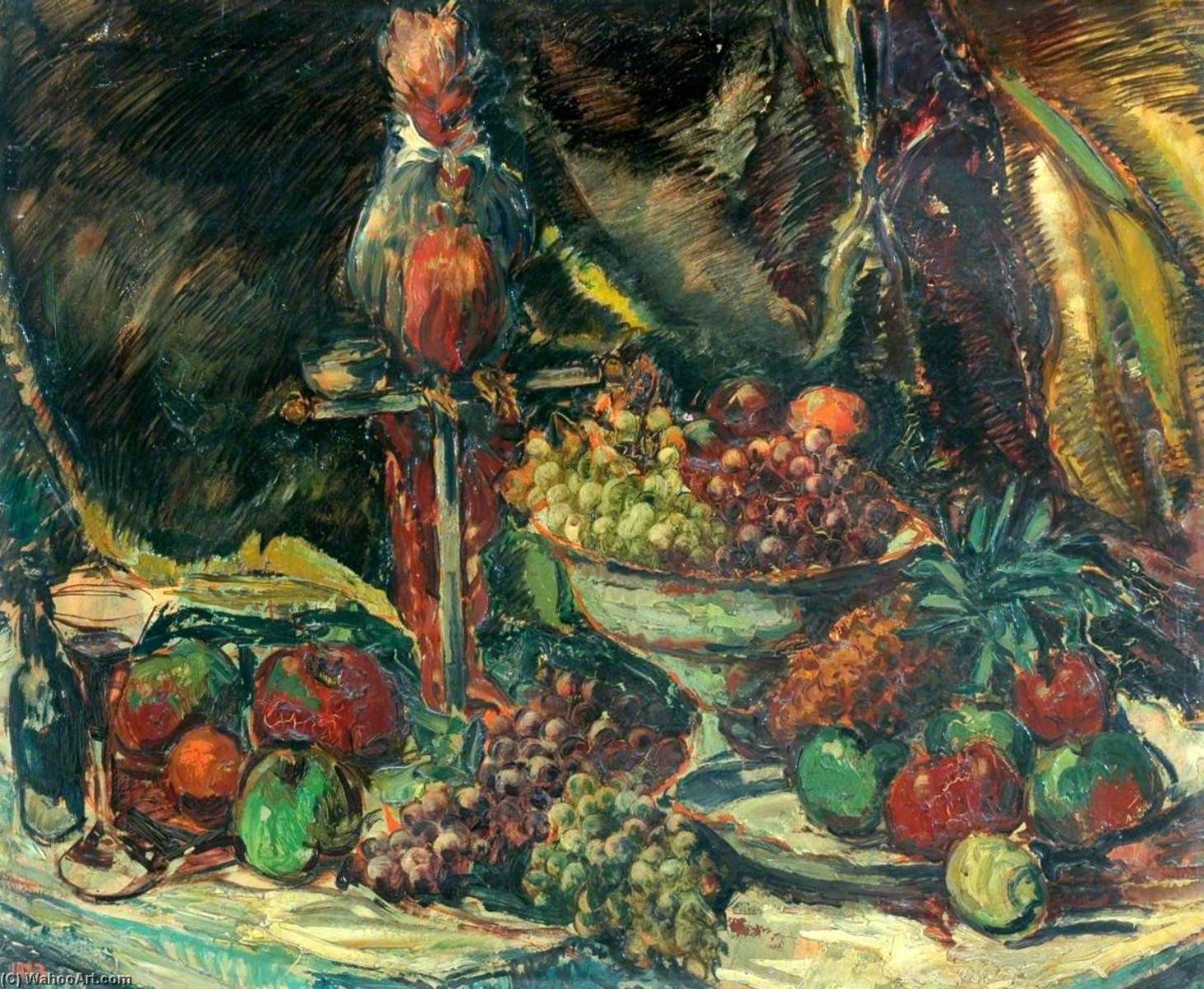
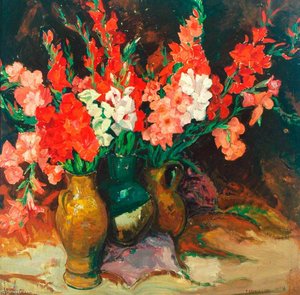
Bacchanalia
 1933
1933 76.0 x 90.0 cm
 Ver más
Giclée / Impresión de arte
Impresiones giclée o en lienzo de calidad de museo con producción rápida y opciones de acabado flexibles. ( Comprar pintura hecha a mano Cambiar a imagen digital)




































Elija entre nuestros tamaños predefinidos que respetan las proporciones originales de la obra.

Puede introducir sus propias dimensiones para adaptarse a un marco o espacio específico. Si el tamaño seleccionado no coincide con las proporciones de la imagen original, recortaremos la obra de arte o extenderemos la imagen con un borde con efecto espejo o de color sólido. Se enviará una maqueta digital para su aprobación antes de que comience la producción.
Tenga en cuenta que la vista previa en pantalla no refleja el recorte o la extensión real. Solo la maqueta mostrará con precisión la composición final.
Aunque existen tamaños personalizados, recomendamos seleccionar una dimensión de la lista predefinida para preservar las proporciones originales.
Envío a todo el mundo () en 2 semanas en lugar de las 4/5 semanas estándar. (8 septiembre)

Envío exprés gratuito a todo el mundo

Lienzo de lino de alta calidad

Seguro de envío total

Garantía de reembolso de impuestos aduaneros

Garantía de fidelidad cromática exacta

Política de devolución de 100 días (solo por defectos)

Garantía de devolución del 100% del dinero

Descuento por cantidad
 La opción de vidrio solo está disponible en tamaños inferiores a 110 cm.

Bacchanalia
Giclée / Impresión de arte
Dimensiones de la reproducción
-


Precio total final
$ 62
Artistic Style and Influences
The style of James Arundel in Bacchanalia is reminiscent of other notable artists, such as Isabel McLaughlin, who also created stunning oil on canvas works. For example, her painting Budding Hyacinths (1933) showcases a similar use of color and composition. The Somerville College, Oxford, United Kingdom has an impressive collection of artworks from renowned artists, including still life paintings that share similarities with Bacchanalia.Key Features and Symbolism
The painting features a range of fruits and vegetables, including grapes, apples, and a vase, which adds to the overall still life composition. The use of color and light in the painting creates a sense of depth and dimensionality, drawing the viewer's eye into the scene. The Bacchanalia painting can be seen as a celebration of abundance and fertility, with the grapes and other fruits symbolizing prosperity and joy.- The painting measures 76 x 90 cm and is created using oil on canvas.
- The central focus of the painting is a bowl of grapes, surrounded by other fruits and vegetables.
- The overall atmosphere of the painting is lively and colorful, making it an inviting scene for viewers.
For more information on the artist and his works, visit the James Arundel page on https://ArtsDot.com.
Obras relacionadas







Biografía del artista
A Life Rooted in the Lincolnshire Landscape
James Arundel, born in 1875 and passing away in 1960, was a painter deeply entwined with the pastoral beauty of his native Lincolnshire, England. While not a name immediately recognized amongst the giants of Victorian or early 20th-century art, Arundel’s work offers a poignant glimpse into a vanishing rural world, rendered with a delicate touch and an abiding affection for the English countryside. His life story, though relatively undocumented, is inextricably linked to the scenes he so lovingly depicted – idyllic farms bathed in golden light, vibrant floral studies bursting with color, and evocative landscapes that capture the very essence of Lincolnshire’s character. He wasn't a product of formal art academies or grand artistic movements; instead, Arundel cultivated his skills through observation and a profound connection to the land around him. This self-taught approach lends a unique authenticity to his paintings, free from the constraints of prevailing styles and focused on capturing the subtle nuances of nature’s beauty.The Quiet Charm of Lincolnshire: Themes and Influences
Arundel's artistic focus remained remarkably consistent throughout his career – he was a painter of place, specifically the rolling hills, fertile fields, and quaint villages of Lincolnshire. His canvases are populated not with dramatic narratives or allegorical figures, but with the everyday scenes of rural life: harvesting wheat, grazing cattle, blossoming orchards, and humble cottages nestled amongst trees. Poppies, in particular, became a recurring motif, often depicted in fields ablaze with scarlet blooms – symbols of remembrance, peace, and the fleeting beauty of summer. While direct influences are difficult to pinpoint, one can sense echoes of the Barbizon school’s naturalism in his approach to light and atmosphere, and perhaps a touch of the English Impressionists' loose brushwork. However, Arundel developed a style distinctly his own, characterized by soft palettes, meticulous detail, and a gentle romanticism that avoids sentimentality. He wasn’t striving for groundbreaking innovation; rather, he sought to preserve the beauty he saw around him, offering viewers a window into a world increasingly threatened by modernization.Technique and Style: A Delicate Hand
Arundel's technique was characterized by a remarkable attention to detail combined with a delicate handling of paint. He typically worked in oils, building up layers of color to create luminous effects and capture the subtle variations of light and shadow. His brushwork is often loose and fluid, particularly in his depictions of foliage and flowers, yet always controlled enough to maintain clarity and form. He possessed an exceptional ability to render textures – the rough bark of trees, the swaying grasses of a field, the delicate petals of a poppy – bringing a tactile quality to his paintings. His color palettes are generally muted and harmonious, favoring earthy tones, soft greens, and warm yellows, punctuated by occasional bursts of vibrant color in his floral studies. He wasn’t interested in dramatic contrasts or bold statements; instead, he sought to create a sense of tranquility and harmony, inviting viewers to immerse themselves in the peaceful beauty of the Lincolnshire landscape.Legacy and Historical Significance
Although James Arundel did not achieve widespread fame during his lifetime, his work has experienced a resurgence of interest in recent years. Today, collectors are drawn to the authenticity and charm of his paintings, recognizing them as valuable records of a vanishing rural England. His art provides a unique insight into the social and economic landscape of Lincolnshire during the late 19th and early 20th centuries, offering glimpses into the lives and livelihoods of those who worked the land.- His paintings serve as a testament to the enduring beauty of the English countryside.
- Arundel’s work represents a quiet resistance to the rapid industrialization of the era, celebrating the values of tradition, community, and connection to nature.
- He is increasingly recognized as an important regional artist, whose paintings capture the unique character of Lincolnshire with sensitivity and skill.
james arundel
1875 - 1960
Datos clave
- Artistic Movement Or Style: Lincolnshire Landscapes & Floral Studies
- Artists Or Movements Influenced By This Artist: ['']
- Artists Who Influenced This Artist: ['']
- Date Of Death: 1960
- Full Name: James Arundel
- Nationality: British
- Notable Artworks:
- Bacchanalia
- Flowers
- Place Of Birth: Bradford