

 Ver en contexto
 Enviar
 Compartir
 Detalles

 Descargar
 Similares
 Radiografía
 Presentación de diapositivas
 Estadísticas
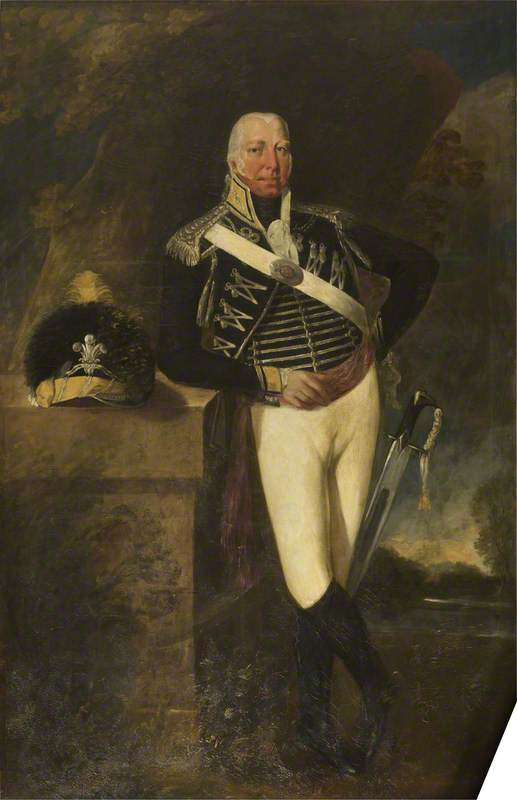
Colonel Thomas Peter Legh (1753–1797)
 1795
1795 240.0 x 155.0 cm
 National Trust
 Ver más
Adquiera una imagen digital de alta resolución y optimizada, muy superior a la vista previa en línea.
Cada archivo es preparado meticulosamente por nuestros especialistas internos mediante el uso de herramientas avanzadas y un experto retoque manual. Nos aseguramos de que cada imagen posea una claridad excepcional, una precisión cromática impecable y un detalle minucioso.
El archivo final se entrega por correo electrónico en un plazo de 72 horas, optimizado para su uso inmediato en entornos profesionales, editoriales y de impresión. Esta es la misma calidad en la que confían los estudios de diseño, las editoriales y las galerías de primer nivel.
Imagen Digital
Descarga un archivo de alta resolución para exhibición personal, impresión y proyectos creativos. ( Cambiar a Impresión Comprar pintura hecha a mano)
Incluido en cada pedido de imágenes digitales
Entrega digital experta, garantizada.
Al elegir ArtsDot.com, no solo está adquiriendo una imagen; está recibiendo una obra de arte digital mejorada profesionalmente, elaborada con precisión y respaldada por una garantía de satisfacción. Esto es todo lo que incluye su pedido, automáticamente:

Entrega rápida por email
Recibirá su archivo de imagen digital en alta resolución por correo electrónico en un plazo de 72 horas tras realizar su pedido, listo para su uso inmediato.

Archivo digital optimizado por IA
Su obra de arte se optimiza profesionalmente mediante herramientas avanzadas de IA y edición manual, garantizando el máximo detalle, claridad y precisión cromática.

Reenvío gratuito de por vida
¿Has borrado o perdido tu archivo por error? No te preocupes: te lo volveremos a enviar en cualquier momento, sin coste adicional.

Sin gastos de importación, siempre
Disfrute de su obra de arte al instante sin aduanas, aranceles ni gastos de envío; las descargas digitales siempre están libres de impuestos.

Garantía de fidelidad de color
Garantizamos que su imagen digital refleje los colores originales con la mayor fidelidad posible, mediante el uso de herramientas profesionales y gestión del color.

Garantía de satisfacción de 100 días
Si no está satisfecho con su imagen digital, la revisaremos o le reembolsaremos el 100% en un plazo de 100 días, sin preguntas.

100% Garantía de devolución de dinero
¿No está satisfecho? Obtenga un reembolso completo dentro de los 100 días posteriores a la recepción de su archivo digital, sin preguntas.

Descuentos por pedidos grandes
Compra 3 imágenes, ahorra 10% - Compra 5, ahorra 15% - Compra 10+, ahorra 20%. Ideal para proyectos creativos, galerías y agencias.
Obras relacionadas








Biografía del artista
James Cranke the Younger (1748–1826): A Master of Romantic Portraiture
James Cranke the Younger, born in Edinburgh around 1748, was a Scottish portrait painter who achieved considerable renown during his lifetime and continues to be admired for his elegant depictions of aristocratic subjects and landscapes imbued with atmospheric subtlety. His artistic journey unfolded against the backdrop of the Enlightenment and Romantic era, shaping him into one of Scotland’s most distinguished artists of the late 18th century.- Early Life & Training: Cranke's formative years were spent honing his skills under the tutelage of James Gillray, a celebrated engraver and printmaker known for his satirical caricatures. This exposure to printmaking instilled in him a meticulous attention to detail and an understanding of tonal gradation—techniques that would become hallmarks of his painting style.
- Influences & Artistic Style: Cranke’s artistic sensibilities were profoundly influenced by the Romantic movement, particularly its fascination with sublime landscapes and expressive emotion. He drew inspiration from artists like Rembrandt and Rubens, adopting their masterful use of chiaroscuro—the dramatic interplay between light and shadow—to convey depth and psychological nuance in his portraits.
- Notable Works: Cranke’s oeuvre comprises a substantial collection of paintings showcasing both portraiture and landscape compositions. Among his most celebrated works is “La notte” (Adoration of the Shepherds), an evocative depiction after Correggio's masterpiece, demonstrating his ability to capture the ethereal beauty of light and color while adhering to classical compositional principles. His landscapes often evoke a sense of melancholy contemplation, reflecting the Romantic preoccupation with the grandeur and vulnerability of nature.
- Dorothy Parker & Patronage: Cranke gained considerable recognition during his time in London, where he cultivated relationships with prominent figures like Dorothy Parker—a celebrated American playwright and poet—who commissioned several portraits of her family members. This patronage ensured that Cranke’s work was disseminated widely and contributed to establishing him as a respected artist within the cultural elite.
- Legacy & Recognition: James Cranke the Younger died in Edinburgh in 1826, leaving behind a legacy of exquisite paintings that continue to captivate audiences today. His meticulous technique, combined with his sensitivity to Romantic ideals, cemented his place among Scotland’s artistic luminaries and ensured that his art would endure as an embodiment of elegance and emotional depth.
Correggio & Rubens: Shaping Cranke's Artistic Vision
Cranke’s artistic approach was decisively molded by the stylistic innovations of Correggio and Rubens—two artists who championed chiaroscuro and dramatic composition as vehicles for conveying emotion and grandeur. Correggio’s frescoes in Parma, particularly “The Visitation,” captivated Cranke with their luminous color palettes and masterful use of atmospheric perspective—techniques that encouraged him to explore similar visual effects in his own paintings. Similarly, Rubens' monumental canvases, characterized by dynamic figures and opulent drapery, instilled in Cranke a belief in the importance of conveying psychological intensity alongside formal beauty.- Correggio’s Influence: Correggio’s frescoes served as a model for Cranke’s exploration of light and color—specifically, his ability to create illusions of depth and luminosity through subtle tonal variations.
- Rubens' Impact: Rubens’ dramatic compositions encouraged Cranke to imbue his landscapes with a sense of grandeur and emotional resonance—a characteristic that distinguishes his work from more restrained depictions of the natural world.
Technique & Artistic Considerations
Cranke meticulously executed his paintings using oil paints on canvas, employing a technique rooted in academic tradition yet infused with Romantic sensibilities. He achieved remarkable tonal accuracy through painstaking layering and blending—a process that demanded considerable patience and skill. Furthermore, Cranke’s compositional choices reflected the influence of classical art history, prioritizing balance and harmony while simultaneously capturing fleeting moments of emotion and atmosphere.- Oil Paint Application: Cranke's mastery of oil paint allowed him to achieve nuanced tonal gradations—essential for conveying depth and luminosity in his portraits and landscapes.
- Chiaroscuro Mastery: Like Rembrandt and Rubens, Cranke skillfully utilized chiaroscuro—the dramatic contrast between light and shadow—to heighten emotional impact and create a sense of theatrical grandeur.
Notable Landscape Paintings
Beyond his portraiture commissions, Cranke produced several striking landscape paintings that exemplify the Romantic preoccupation with sublime beauty and contemplative emotion. His canvases often depict dramatic vistas bathed in ethereal light—capturing the majesty of Scotland’s highlands and conveying a profound sense of solitude and wonder. These landscapes stand as testament to Cranke's ability to translate Romantic ideals into visual form, cementing his reputation as one of Scotland’s foremost landscape artists.- “Gordale Scar” Inspiration: Cranke drew inspiration from the dramatic scenery of Gordale Scar—a geological formation in Cumbria—mirroring the grandeur and emotional intensity found in landscapes by Turner and Constable.
Conclusion: A Lasting Impression
James Cranke the Younger’s artistic legacy extends far beyond his individual paintings—he represents a pivotal figure in Scottish art history, embodying the spirit of Romanticism while upholding the standards of academic tradition. His meticulous technique, coupled with his profound sensitivity to emotion and atmosphere, ensured that his work would endure as an exemplar of elegance and psychological depth—a testament to his enduring contribution to British artistic culture.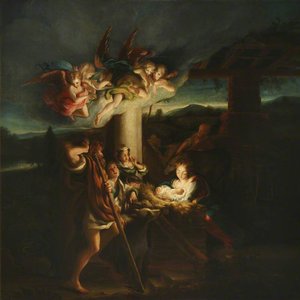
Breves datos
- Artistic Movement Or Style: Romantic Landscape & Animal Painting
- Artists Or Movements Influenced By This Artist:
- Correggio Aftermath
- Rubens Style Art
- Artists Who Influenced This Artist: ['James Ward']
- Date Of Death: 1826
- Full Name: James Cranke the Younger
- Nationality: British
- Notable Artworks:
- La notte (Adoration of the Shepherds)
- Dorothy Parker Art
- Place Of Birth: London, England