

 Ver en contexto
 Enviar
 Compartir
 Detalles

 Descargar
 Similares
 Radiografía
 Presentación de diapositivas
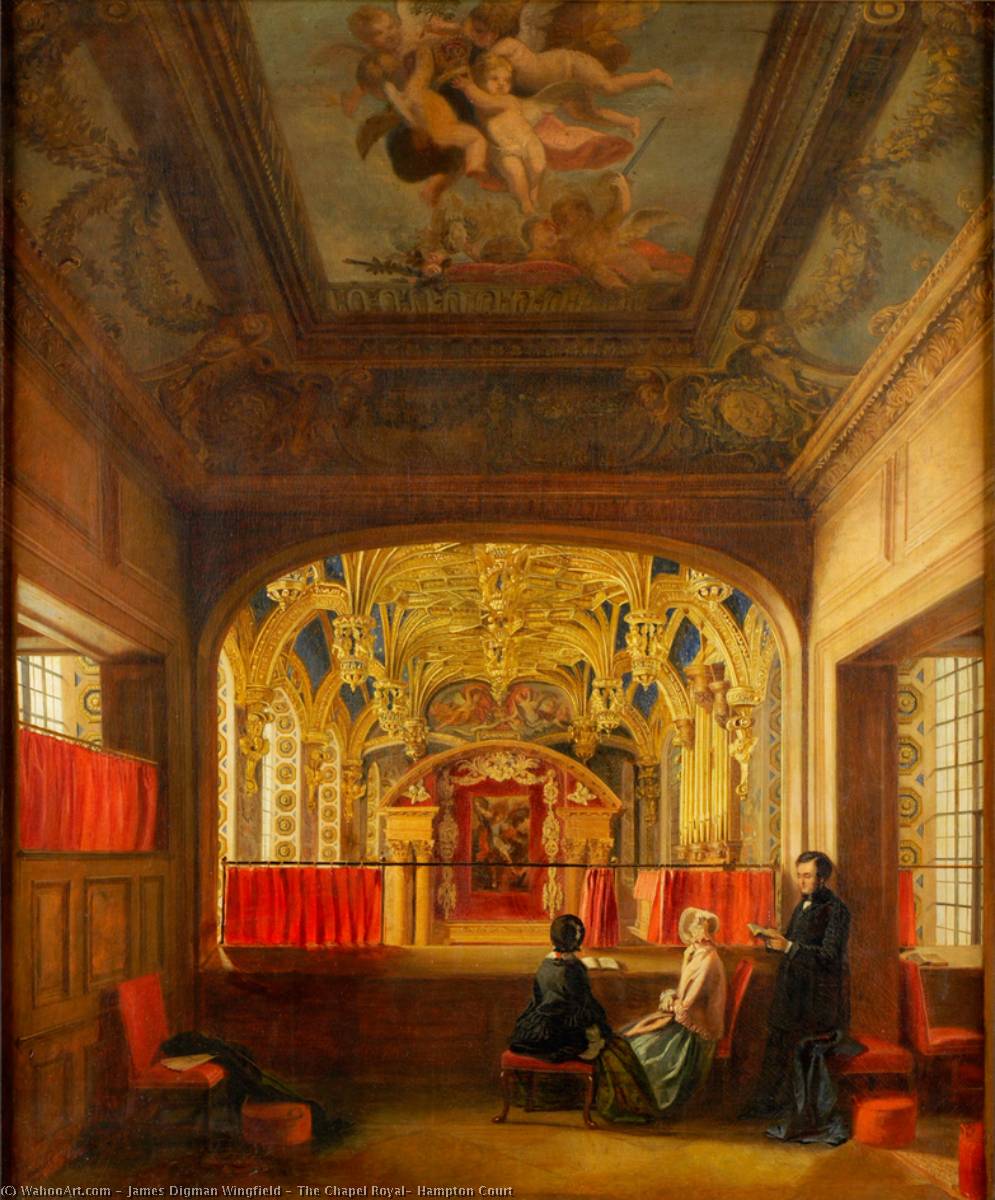
The Chapel Royal, Hampton Court
 1849
1849 87.0 x 72.0 cm
 Colección de Arte del Gobierno
 Ver más
Reproducción al óleo hecha a mano
Óleo sobre lienzo pintado a mano en el tamaño y marco de su elección, realizado por encargo por nuestros artistas. ( Comprar impresión Comprar imagen)




































Elija entre nuestros tamaños predefinidos que respetan las proporciones originales de la obra.

Puede ingresar sus propias dimensiones para adaptarse a un marco o espacio específico. Si el tamaño seleccionado no coincide con las proporciones de la imagen original, recortaremos la obra o extenderemos la pintura con elementos adicionales pintados a mano. Se le enviará una maqueta digital para su aprobación antes de comenzar la producción.
Tenga en cuenta que la vista previa en pantalla no refleja el recorte o la extensión reales. Solo la maqueta mostrará con precisión la composición final.
Si bien existen tamaños personalizados, recomendamos seleccionar una dimensión de la lista predefinida para preservar las proporciones originales.
Tras realizar el pedido, el equipo de ArtsDot.com enviará un correo electrónico al cliente para solicitar instrucciones y proporcionarle una vista previa del boceto.
Envío a todo el mundo () en 3-4 semanas en lugar de las 5 semanas estándar. (26 agosto). Sin comprometer la calidad.

Envío exprés gratuito a todo el mundo

Lienzo de lino de alta calidad

Seguro de envío total

Garantía de reembolso de impuestos aduaneros

Garantía de fidelidad cromática exacta

Política de devolución de 60 días (solo por defectos)

Garantía de devolución del 100% del dinero

Descuento por cantidad
 La opción de vidrio solo está disponible en tamaños inferiores a 110 cm.

The Chapel Royal, Hampton Court
Técnica de reproducción
Dimensiones de la reproducción
-


Precio total final
$ 263
Obras relacionadas



Biografía del artista
A Life Dedicated to Sacred Spaces: The World of James Digman Wingfield
The name James Digman Wingfield, though perhaps unfamiliar to many outside the art historical circles specializing in Central European religious painting, represents a significant figure in 19th-century Slovakian artistry. Born around 1800 and passing away in 1872, Wingfield dedicated his life to adorning churches with works of profound spiritual depth and technical skill. While biographical details remain scarce – a common fate for artists working within the confines of religious commissions and regional traditions – his surviving oeuvre speaks volumes about his dedication, talent, and the artistic currents that shaped his vision. He wasn’t merely a painter; he was a craftsman deeply embedded in the cultural and devotional life of Slovakia, particularly around Levoča, where his most celebrated work resides.The Artistic Landscape of 19th-Century Slovakia
To understand Wingfield's place within art history, one must consider the context of 19th-century Slovakia. This period was marked by a revival of national consciousness alongside the enduring power of the Catholic Church. The Baroque tradition, having flourished for centuries, continued to exert a strong influence, but it began to subtly blend with emerging Romantic sensibilities and a growing interest in historical styles, particularly Gothic art. Wingfield’s work embodies this fascinating intersection. He wasn't attempting radical innovation; rather, he excelled at mastering existing techniques – specifically wood carving and painting on wooden panels – and applying them to create emotionally resonant religious imagery. The demand for altarpieces, statues, and church decorations remained high, providing ample opportunities for skilled artists like Wingfield to thrive. His success wasn’t about forging a new path but perfecting one deeply rooted in tradition.The Masterpiece at St. James Church, Levoča
Wingfield is most prominently known for his extensive work within the iconic St. James Church in Levoča, a UNESCO World Heritage site renowned for its breathtaking Gothic altarpiece carved by Master Paul of Levoča in the early 16th century. While not responsible for the original masterpiece, Wingfield undertook significant restoration and expansion projects within the church throughout the mid-19th century. He created numerous paintings and sculptural elements that seamlessly integrated with the existing Baroque furnishings and the monumental Gothic structure. These additions weren’t intended to overshadow Paul's work but rather to complement it, enriching the overall devotional experience. The altars he crafted are characterized by their intricate detail, vibrant colors, and dramatic compositions – hallmarks of his style. He skillfully employed techniques like gilding and layering paint to create a sense of depth and luminosity, drawing viewers into the sacred narratives depicted.Technique and Symbolism: A Harmonious Blend
Wingfield’s artistic technique was deeply rooted in traditional craftsmanship. He worked primarily with wood, carving intricate details and then applying layers of paint to bring his compositions to life. His palette favored rich blues, reds, and golds – colors traditionally associated with the Virgin Mary, Christ, and the saints. The symbolism within his paintings is equally significant. Common motifs include depictions of the Crucifixion, the Annunciation, and scenes from the lives of local patron saints.- He often incorporated elements of local folklore and traditions into his work, making it particularly relevant to the community he served.
- The figures in his paintings are typically depicted with a sense of emotional intensity, conveying both suffering and spiritual grace.
- His use of light and shadow is masterful, creating a dramatic effect that draws attention to key elements within the composition.
Legacy and Historical Significance
Although James Digman Wingfield may not be a household name, his contribution to Slovakian religious art is undeniable. He represents a vital link between the Baroque tradition and the emerging artistic sensibilities of the 19th century. His work at St. James Church in Levoča stands as a testament to his skill, dedication, and deep understanding of sacred iconography. He preserved and enhanced a cultural treasure, ensuring that future generations could experience the beauty and spiritual power of this remarkable church. While further research is needed to fully illuminate his life and career, Wingfield’s surviving paintings and sculptures continue to inspire awe and reverence, solidifying his place as an important figure in the artistic heritage of Slovakia. His legacy lies not in revolutionizing art but in perfecting it – a testament to the enduring power of tradition and faith.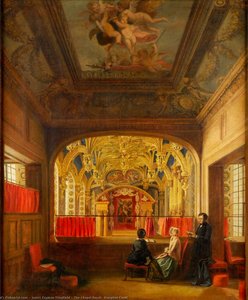
james digman wingfield
1800 - 1872
Datos clave
- Artistic Movement Or Style: Romanticism
- Artists Or Movements Influenced By This Artist: ['Richard Parkes Bonington']
- Artists Who Influenced This Artist: ['Jean-Antoine Watteau']
- Date Of Birth: 1800
- Date Of Death: 1872
- Full Name: James Digman Wingfield
- Nationality: British
- Notable Artworks:
- The Falconer
- Elegant Company in a Garden
- Place Of Birth: Westminster, England

