 Ver en contexto
 Enviar
 Compartir
 Detalles

 Descargar
 Similares
 Radiografía
 Presentación de diapositivas
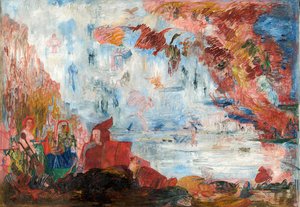
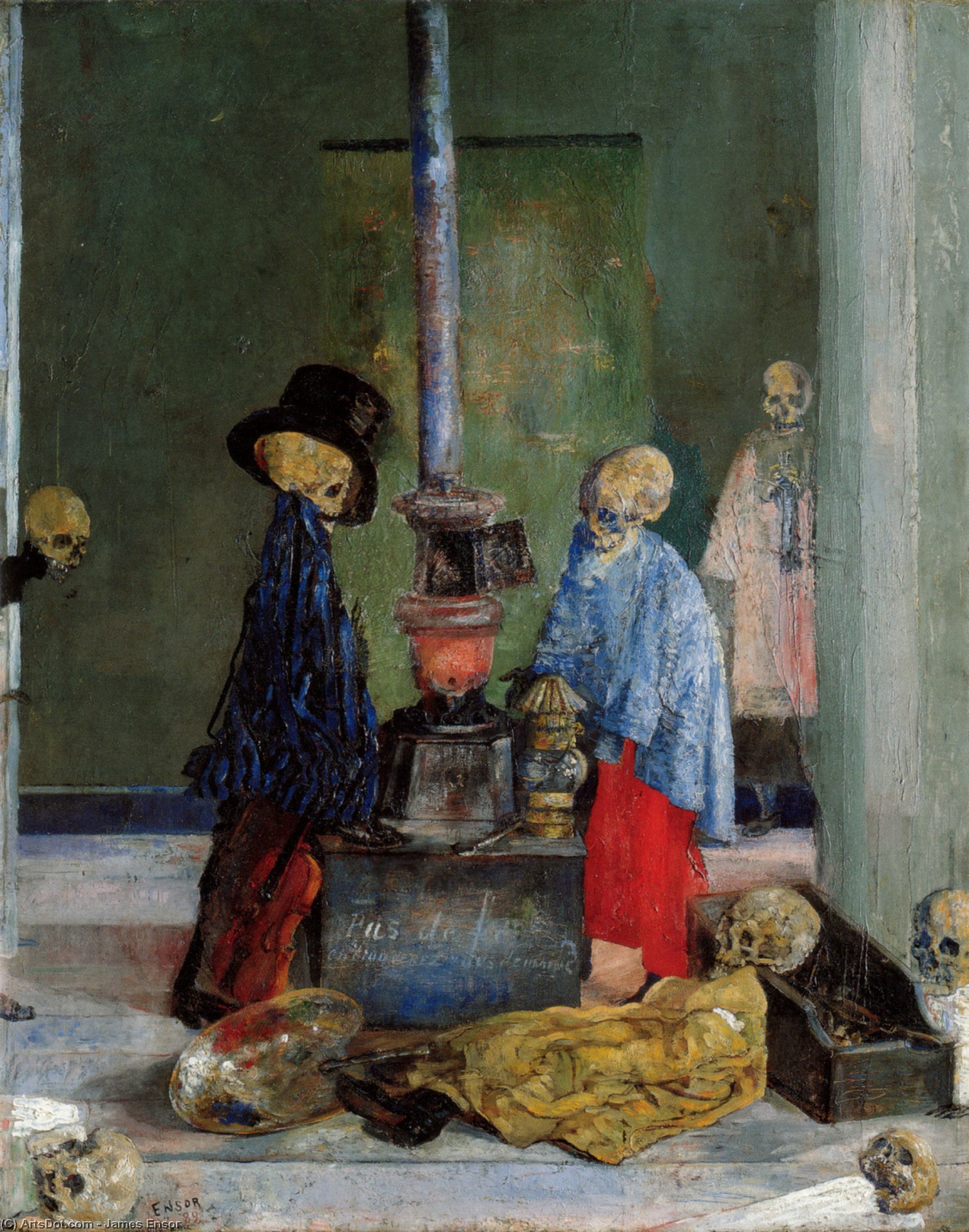
Skeletons Trying to Warm Themselves


 Ver más
Reproducción al óleo hecha a mano
Óleo sobre lienzo pintado a mano en el tamaño y marco de su elección, realizado por encargo por nuestros artistas. ( Comprar impresión Comprar imagen)




P118B $10

P118H $10

P118W $10

P438Z $10

P508JH $12

P508YH $12

P805H $10

P805Z $10

P919BZ $10

P919G $10

P919XJ $10

P959ZH $10

P968JZ $12

W106C $8

W218G $10

W218JH $8

W218Y $10

W307PJ $10

W316G $10

W316PJ $8

W316Y $10

W398PJ $8

W4111J $10

W500HY $15

W500JH $15

W692G $12

W849H $8

W940BG $15

W953PJ $8




Elija entre nuestros tamaños predefinidos que respetan las proporciones originales de la obra.

Puede ingresar sus propias dimensiones para adaptarse a un marco o espacio específico. Si el tamaño seleccionado no coincide con las proporciones de la imagen original, recortaremos la obra o extenderemos la pintura con elementos adicionales pintados a mano. Se le enviará una maqueta digital para su aprobación antes de comenzar la producción.
Tenga en cuenta que la vista previa en pantalla no refleja el recorte o la extensión reales. Solo la maqueta mostrará con precisión la composición final.
Si bien existen tamaños personalizados, recomendamos seleccionar una dimensión de la lista predefinida para preservar las proporciones originales.
Tras realizar el pedido, el equipo de ArtsDot.com enviará un correo electrónico al cliente para solicitar instrucciones y proporcionarle una vista previa del boceto.
Envío a todo el mundo () en 3-4 semanas en lugar de las 5 semanas estándar. (22 agosto). Sin comprometer la calidad.

Envío exprés gratuito a todo el mundo

Lienzo de lino de alta calidad

Seguro de envío total

Garantía de reembolso de impuestos aduaneros

Garantía de fidelidad cromática exacta

Política de devolución de 60 días (solo por defectos)

Garantía de devolución del 100% del dinero

Descuento por cantidad
 La opción de vidrio solo está disponible en tamaños inferiores a 110 cm.

Skeletons Trying to Warm Themselves
Técnica de reproducción
Dimensiones de la reproducción
-


Precio total final
$ 263
Descripción de la obra
A Descent Into Shadow: James Ensor’s “Skeletons Trying to Warm Themselves”
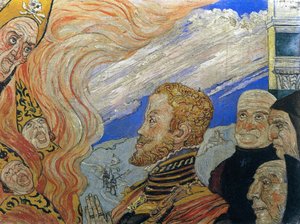
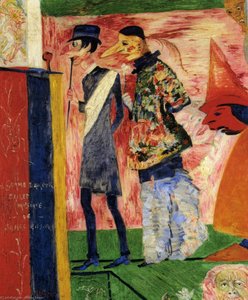
James Ensor's "Skeletons Trying to Warm Themselves," painted in 1889, isn’t merely a depiction of morbid curiosity; it’s a profoundly unsettling exploration of mortality, social anxiety, and the desperate yearning for connection. This black-and-white image, born from the artist’s unique upbringing amidst the vibrant chaos of Ostend's seaside resort, immediately plunges the viewer into an atmosphere thick with unease. The scene unfolds within a sparsely furnished room dominated by a cold fireplace – a stark symbol of both warmth and oblivion. Skeletons, rendered in meticulous detail yet imbued with a palpable sense of vulnerability, are clustered around this meager source of heat, their bony fingers outstretched as if grasping for solace. Scattered skulls litter the floor and surfaces, further emphasizing the painting’s preoccupation with death and decay. Yet, amidst this grim tableau, a solitary figure stands observing – perhaps even participating in – this macabre ritual, adding an element of unsettling human presence to the scene. The overall effect is less a straightforward horror story and more a carefully constructed meditation on the fragility of existence and the universal desire for warmth, both physical and emotional, in the face of inevitable decline.The Artist’s Crucible: Ensor's Unique Vision
James Ensor’s artistic journey was anything but conventional. Born in Ostend, Belgium, to an English father and a Belgian mother—a lineage that instilled within him a unique perspective on cultural duality—Ensor rejected the rigid constraints of academic art training early on. He found himself drawn instead to the vibrant, often unsettling world of carnivals and curiosities, experiences profoundly shaped by his parents’ souvenir shop brimming with masks, shells, and other peculiar objects. This childhood immersion in the theatrical and the bizarre would become a cornerstone of his artistic language. He initially enrolled at the Académie Royale des Beaux-Arts in Brussels, but quickly recognized that its prescribed methods stifled his burgeoning vision. Instead, he forged his own path, developing a highly personal style characterized by bold colors, distorted forms, and a deliberate rejection of traditional realism. This independent spirit is powerfully evident in “Skeletons Trying to Warm Themselves,” where Ensor abandons conventional representation in favor of a deeply symbolic and emotionally charged image.Symbolism and the Language of Decay
The painting’s power lies not just in its unsettling subject matter, but also in the rich symbolism woven throughout the composition. The skeletons themselves represent mortality, of course, but their attempt to warm themselves speaks volumes about the human condition. They are desperately seeking comfort, connection, and a reprieve from the cold reality of death – desires that resonate deeply with viewers regardless of their beliefs. The scattered skulls serve as constant reminders of this inevitable fate, while the solitary observer introduces an element of judgment or perhaps even complicity in this ritualistic scene. The stark black-and-white palette further amplifies the painting’s emotional impact, stripping away any potential distractions and focusing attention on the raw, unsettling details. The use of light and shadow is particularly effective, highlighting the skeletal figures and creating a sense of claustrophobia within the confined space. Ensor masterfully employs these elements to evoke a profound feeling of melancholy and existential dread.A Legacy of Innovation: Ensor’s Influence
“Skeletons Trying to Warm Themselves” stands as a pivotal work in James Ensor's oeuvre, and a significant precursor to both Expressionism and Surrealism. His willingness to challenge artistic conventions, his embrace of the grotesque, and his exploration of psychological themes paved the way for future generations of artists. Ensor’s influence can be seen in the works of artists like Edvard Munch and Max Ernst, who similarly sought to express inner turmoil through distorted imagery and symbolic representation. The painting's unsettling atmosphere and its focus on mortality continue to resonate with viewers today, cementing Ensor’s place as a visionary artist whose work remains both profoundly disturbing and undeniably captivating. ArtsDot offers exceptional hand-painted reproductions of this iconic piece, allowing you to experience the full power and emotional depth of Ensor’s masterpiece in stunning detail.Obras relacionadas
Biografía del artista
vida temprana y trayectoria artística
James Sidney Edouard, Baron Ensor, un destacado pintor y grabador belga, nació el 13 de abril de 1860 en Ostend, Bélgica. Su vida temprana estuvo marcada por un trasfondo cultural diverso, con un padre inglés, James Frederic Ensor, y una madre belga, María Caterina Haegheman. Falta de interés en los estudios académicos tradicionales, Ensor abandonó la escuela a los quince años para dedicarse al arte, recibiendo formación con pintores locales y posteriormente estudiando en la Academia Real de Bellas Artes en Bruselas.Estilo artístico y temas
El estilo artístico de Ensor se caracterizó por su exploración de la mente inconsciente e imágenes oníricas, lo que influyó significativamente en el expresionismo y el surrealismo. Sus pinturas a menudo presentaban asuntos extraños, incluyendo carnavales, máscaras, teatro de marionetas, esqueletos y alegorías fantásticas. Obras notables incluyen Las Máscaras Escandalizadas (1883) y Esqueletos luchando por un ahorcado (1891), que muestran su mezcla única de lo grotesco y lo fantástico.Reconocimiento y legado
A pesar de la resistencia inicial, la obra de Ensor ganó gradualmente aceptación y elogios. Para 1920, era el tema de importantes exposiciones; en 1929, fue nombrado barón por el rey Alberto, y en 1933, recibió la Legión de Honor. Su legado como figura pionera en el arte moderno es evidente en su influencia en movimientos artísticos posteriores, incluyendo el expresionismo y el surrealismo.Obras clave y exposiciones
* La Intriga (90 x 150 cm, Museo Real de Bellas Artes, Amberes, Bélgica) * Tribulaciones de San Antonio (1887, ahora en la colección del Museo de Arte Moderno, Nueva York)- Descubra más sobre la vida y obra de James Ensor en ArtsDot: James Ensor
- Explore el Museo Mu.Zee en Ostend, Bélgica, que presenta una colección de arte belga desde 1830 en ArtsDot: Descubra el Museo Mu.Zee en Ostend, Bélgica
- Aprenda más sobre la pintura simbolista y su influencia en el expresionismo y el surrealismo en Wikipedia: Pintura Simbolista
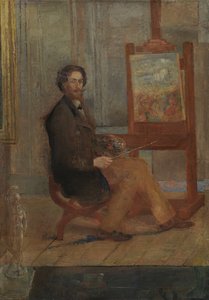
James Ensor
1860 - 1949 , Bélgica
Datos clave
- Artistas Influenciados Por Este Artista:
- Expresionismo
- Surrealismo
- Artistas Que Influyeron:
- Pieter Bruegel el Viejo
- Francisco Goya
- Fecha De Muerte: 19 de noviembre de 1949
- Fecha De Nacimiento: 13 de abril de 1860
- Lugar De Nacimiento: Ostend, Bélgica
- Movimiento Artístico: Expresionismo, Surrealismo
- Nacionalidad: Belga
- Nombre Completo: James Ensor
- Obras Notables:
- Las Máscaras Escandalizadas
- Esqueletos luchando
- Tribulaciones de San Antonio
- Cristo entrando en Bruselas
Artículos relacionados

Blanco Sublime: Los 10 Cuadros Más Famosos Dominados por la Luz y el Color
Descubre los 10 cuadros blancos más emblemáticos de la historia del arte. Explora Monet, Van Gogh y Klimt, y su magistral uso de la luz y el color. Encuentra reproducciones de alta calidad e inspírate para tu decoración en .
James Abbott McNeill Whistler: Las 25 Obras Maestras del Maestro del Arte y la Atmósfera | ArtsDot
Descubre las 25 obras maestras de James Abbott McNeill Whistler, el maestro del impresionismo y la armonía en arte. Explora retratos icónicos, nocturnos evocadores y su innovadora paleta de colores. Reproducciones de arte exclusivas en ArtsDot.com.
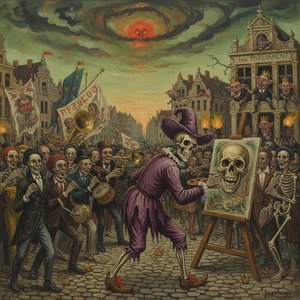
James Ensor's Grotesque Visions: Social Commentary & Artistic Innovation
Explore the unsettling yet captivating world of James Ensor, a pioneer of Expressionism. Discover his satirical masterpieces, symbolic imagery & lasting influence on modern art. High-quality reproductions available at ArtsDot.

Las 10 Pinturas Más Famosas Dominadas por el Negro | Arte y Decoración
Descubre las 10 pinturas más impactantes dominadas por el negro. Explora obras maestras de Rembrandt, Goya y Rothko, su historia y significado. Encuentra reproducciones de arte exclusivas para transformar tu hogar en .
Alfred Munnings: Las 25 Obras Maestras del Pintor de Caballos | ArtsDot
Descubre las 25 obras maestras de Alfred Munnings, el pintor británico de caballos por excelencia. Explora su impresionismo inglés, escenas campestres y técnica única. Encuentra reproducciones de arte de alta calidad en ArtsDot.com.