 Ver en contexto
 Enviar
 Compartir
 Detalles

 Descargar
 Similares
 Radiografía
 Presentación de diapositivas
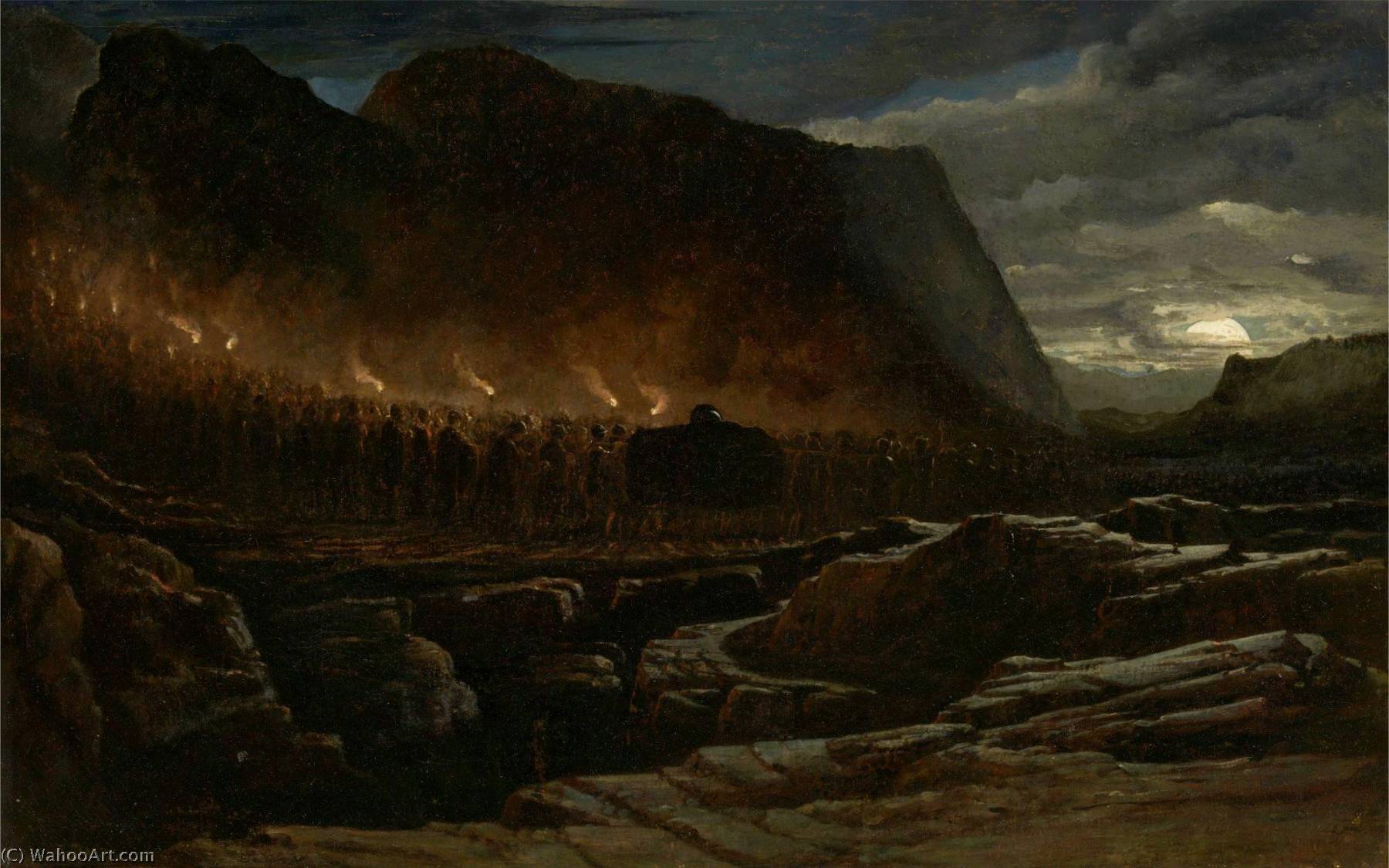
Funeral Procession (also known as The Burial of Alaric)


 Ver más
Giclée / Impresión de arte
Impresiones giclée o en lienzo de calidad de museo con producción rápida y opciones de acabado flexibles. ( Comprar pintura hecha a mano Comprar imagen)




P118B $10

P118H $10

P118W $10

P438Z $10

P508JH $12

P508YH $12

P805H $10

P805Z $10

P919BZ $10

P919G $10

P919XJ $10

P959ZH $10

P968JZ $12

W106C $8

W218G $10

W218JH $8

W218Y $10

W307PJ $10

W316G $10

W316PJ $8

W316Y $10

W398PJ $8

W4111J $10

W500HY $15

W500JH $15

W692G $12

W849H $8

W940BG $15

W953PJ $8




Elija entre nuestros tamaños predefinidos que respetan las proporciones originales de la obra.

Puede introducir sus propias dimensiones para adaptarse a un marco o espacio específico. Si el tamaño seleccionado no coincide con las proporciones de la imagen original, recortaremos la obra de arte o extenderemos la imagen con un borde con efecto espejo o de color sólido. Se enviará una maqueta digital para su aprobación antes de que comience la producción.
Tenga en cuenta que la vista previa en pantalla no refleja el recorte o la extensión real. Solo la maqueta mostrará con precisión la composición final.
Aunque existen tamaños personalizados, recomendamos seleccionar una dimensión de la lista predefinida para preservar las proporciones originales.
Envío a todo el mundo () en 2 semanas en lugar de las 4/5 semanas estándar. (27 agosto)

Envío exprés gratuito a todo el mundo

Lienzo de lino de alta calidad

Seguro de envío total

Garantía de reembolso de impuestos aduaneros

Garantía de fidelidad cromática exacta

Política de devolución de 60 días (solo por defectos)

Garantía de devolución del 100% del dinero

Descuento por cantidad
 La opción de vidrio solo está disponible en tamaños inferiores a 110 cm.

Funeral Procession (also known as The Burial of Alaric)
Giclée / Impresión de arte
Dimensiones de la reproducción
-


Precio total final
$ 62
Descripción de la pieza
A Mountain’s Lament: Unveiling the Drama of Danby's “Funeral Procession”
James Francis Danby’s “Funeral Procession,” painted in 1848, isn’t merely a depiction of a funeral; it’s a visceral plunge into the heart of Romanticism – a landscape saturated with grief, spirituality, and the sublime. Born amidst the turbulent backdrop of Ireland's political unrest, Danby channeled his own emotional intensity onto canvas, creating an image that resonates far beyond its immediate subject matter. The painting immediately commands attention with its scale; it’s a monumental work, designed to envelop the viewer in its dramatic atmosphere, mirroring the overwhelming nature of loss and remembrance.
The scene unfolds within a rugged, almost violently sculpted mountain range – a landscape rendered not as picturesque beauty but as a formidable, unforgiving force. Two moons dominate the sky, their presence lending an otherworldly quality to the event below, suggesting a realm beyond earthly comprehension. The procession itself is a study in muted tones of grey and brown, punctuated by the stark white garments of the mourners, emphasizing their vulnerability against the imposing backdrop. Notice how Danby masterfully employs atmospheric perspective – distant elements fade into a hazy blue, creating an illusion of immense depth and drawing the eye relentlessly towards the central figures.
The Weight of Ritual: Symbolism in a Scene of Mourning
Beyond its technical brilliance, “Funeral Procession” is rich with symbolic weight. The burial itself isn’t simply a farewell; it's an enactment of a profound spiritual journey. The figures are not presented as individuals but as representatives of humanity confronting mortality. The horse leading the procession can be interpreted as a symbol of fate or perhaps even the soul making its way to the afterlife. The sheer scale of the mountain, with its jagged peaks and shadowed valleys, represents the challenges and uncertainties inherent in life’s journey. The two moons, often associated with cycles of death and rebirth, further amplify this sense of transition.
Danby's choice of subject matter – a funeral procession in a remote mountain setting – was deeply influenced by the Romantic movement’s fascination with nature as a source of both awe and terror. He sought to capture not just the outward appearance of the scene but also the emotional experience it evoked, imbuing the landscape with a palpable sense of melancholy and reverence. The painting speaks to universal themes of loss, remembrance, and the enduring power of human connection in the face of mortality.
A Masterpiece of Romantic Technique
Technically, “Funeral Procession” is a testament to Danby’s skill as a landscape painter. He employed a loose, expressive brushstroke – characteristic of the Romantic style – to create a sense of movement and dynamism. The paint itself appears thick and textured, adding to the painting's tactile quality and conveying a feeling of immediacy. Danby was particularly adept at capturing light and shadow, using them to sculpt the forms of the mountains and figures, creating a dramatic interplay of illumination and darkness. His use of color is restrained but effective, contributing significantly to the overall mood of solemnity and contemplation.
Echoes of Verona: Historical Context and Artistic Legacy
Interestingly, research suggests that Danby’s artistic sensibilities were profoundly shaped by his time spent in Verona, Italy. The city's rich history – a tapestry woven with Roman grandeur, medieval struggles, and Renaissance artistry – undoubtedly influenced his vision. The echoes of this historical context can be seen in the painting’s dramatic composition and its exploration of themes such as power, loss, and remembrance. Danby’s work stands alongside that of other Romantic masters like John Martin and J.M.W. Turner, yet possesses a uniquely Irish perspective and an intense emotional depth. “Funeral Procession” remains a powerful testament to the enduring legacy of James Francis Danby – a painter who dared to confront the darkest corners of the human experience and transform them into works of breathtaking beauty and profound meaning.
Obras relacionadas

Biografía del artista
James Francis Danby: Un Visionario Romántico
- Nacido: Condado de Wexford, Irlanda (1793)
- Fallecido: 1861
Francis Danby ARA fue un pintor irlandés de la era romántica. Sus imaginativos y dramáticos paisajes eran comparables a los de John Martin. Se erige como una figura significativa en la historia del arte británico, puenteando la pintura tradicional de paisajes con el énfasis emergente del movimiento Romántico en la emoción, la imaginación y la grandeza.
Vida Temprana y Desarrollo Artístico
Nacido en el Condado de Wexford, Irlanda, James Francis Danby era uno de los gemelos; su padre cultivaba una pequeña propiedad. Tras la muerte de su padre en 1807, la familia se trasladó a Dublín. Comenzó a estudiar dibujo en las escuelas de la Royal Dublin Society, recibiendo instrucción temprana de James Arthur O’Connor y formando un conocimiento con George Petrie. En 1813, Danby, junto con O’Connor y Petrie, se aventuró a Londres. Esta expedición inicial resultó financieramente desafiante, lo que llevó a una pausa en Bristol donde Danby encontró éxito vendiendo dibujos de acuarela. Este período en Bristol (alrededor de 1818/19) fue crucial para su desarrollo ya que se convirtió en una figura central dentro del grupo informal conocido como la Escuela de Bristol.
La Escuela de Bristol y Estilo Emergente
La asociación de Danby con la Escuela de Bristol moldeó significativamente su trayectoria artística. Este grupo, inicialmente centrado alrededor de Edward Bird, fomentó un entorno de excursiones compartidas de bocetos e influencia mutua. Danby sucedió a Bird como figura central de la escuela. El estilo naturalista y los colores frescos de Bird influyeron en Danby, evidente en obras como “Niños Navegando en un Pequeño Barco” (c. 1821) y "La Entrega de Israel Fuera de Egipto" (1825). Otras figuras influyentes dentro de este círculo incluyeron a Edward Villiers Rippingille y al artista aficionado Francis Gold, quien animó a Danby a moverse hacia temas más imaginativos y poéticos. George Cumberland, un amigo de William Blake, también jugó un papel vital, sugiriendo temas para las pinturas de Danby e introduciéndolo potencialmente al estilo visionario de Blake.
Obras Principales y Temas Artísticos
- El Árbol Upas de Java (1820): Esta obra le dio a Danby reconocimiento y ayudó a asegurar su elección como Miembro Asociado de la Royal Academy.
- Amor Decepcionado (1821): Demuestra el enfoque poético característico de Danby hacia el paisaje, posiblemente influenciado por Samuel Taylor Coleridge.
- Una Isla Encantada (1825): Una obra altamente influyente que inspiró a otros artistas de la Escuela de Bristol y obtuvo elogios de Letitia Elizabeth Landon en su colección "El trovador".
- La Apertura del Sexto Sello (1828): Esta pintura a gran escala, comprada por William Beckford, mostró la ambición de Danby para escenas narrativas dramáticas.
- El Diluvio (1840): Una obra monumental que revitalizó su reputación después de una década pasada en Suiza y París.
El estilo de Danby se caracteriza por vastas telas ilusionistas que representan sujetos grandiosos, sombríos y fantásticos – temas que resonaron con el gusto Byronic de la década de 1820. Sus pinturas a menudo presentan cielos dramáticos, mares turbulentos y paisajes evocadores imbuídos de una sensación de misterio y asombro.
Años Posteriores y Legado
Tras un período viviendo en las orillas del lago Ginebra en Suiza y una breve estancia en París, Danby regresó a Inglaterra en 1840. Continuó exhibiendo su trabajo, incluyendo "La Edad de Oro" (c. 1827) y “Ricas y Raras Eran las Gemas que Llevaba” (1837). Si bien algunas obras posteriores como "El Himno de la Ninfa del Bosque al Sol Naciente" (1845) mostraron un estilo más tranquilo, regresó a su modo dramático anterior con pinturas como "El Naufragio" (1859). El legado de Danby se basa en su contribución significativa al arte romántico británico. Junto con John Martin y J.M.W. Turner, es considerado entre los principales artistas de esa era, celebrado por sus paisajes imaginativos y su capacidad para evocar emociones poderosas a través de sus pinturas.
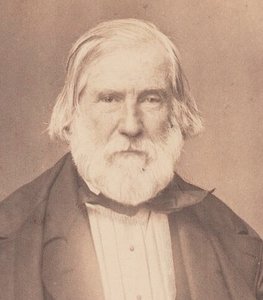
James Francis Danby
1793 - 1861 , Irlanda
Datos clave
- Artistas Influenciados: ['Artistas de la Escuela Bristol']
- Artistas Que Influyeron:
- John Martin
- J.M.W. Turner
- William Blake
- Fecha De Muerte: 1861
- Fecha De Nacimiento: 1793
- Lugar De Nacimiento: County Wexford, Irlanda
- Movimiento Artístico: Romanticismo
- Nacionalidad: Irlandés
- Nombre Completo: James Francis Danby
- Obras Notables:
- El árbol Upas de Java
- Isla Encantada
- La apertura del sexto sello
- El Diluvio
- La joya rica y rara
Artículos relacionados
Alfred Munnings: Las 25 Obras Maestras del Pintor de Caballos | ArtsDot
Descubre las 25 obras maestras de Alfred Munnings, el pintor británico de caballos por excelencia. Explora su impresionismo inglés, escenas campestres y técnica única. Encuentra reproducciones de arte de alta calidad en ArtsDot.com.

James Abbott McNeill Whistler: Las 25 Obras Maestras del Maestro del Arte y la Atmósfera | ArtsDot
Descubre las 25 obras maestras de James Abbott McNeill Whistler, el maestro del impresionismo y la armonía en arte. Explora retratos icónicos, nocturnos evocadores y su innovadora paleta de colores. Reproducciones de arte exclusivas en ArtsDot.com.

Paisajes Románticos: 10 Obras Maestras que Definieron un Movimiento Artístico
Descubre los 10 paisajes románticos más influyentes de artistas como Caspar David Friedrich y Turner. Explora la belleza, el simbolismo y las técnicas del movimiento romántico. Reproducciones de arte exclusivas en ArtsDot.com.

John Constable: Las 25 Obras Maestras del Paisaje Inglés | ArtsDot
Descubre las 25 obras maestras de John Constable, el pintor romántico inglés que capturó la belleza del paisaje. Explora su técnica, historia y significado en ArtsDot.com. Reproducciones de arte de alta calidad para tu hogar.

Evocations of Place: A Historical Journey Through Landscape Art
Explore the rich history of landscape art with ArtsDot. Discover renowned artists, movements like Impressionism & Romanticism, and expert guidance for collecting timeless pieces. Find your perfect serene escape today!