

 Ver en contexto
 Enviar
 Compartir
 Detalles

 Descargar
 Similares
 Radiografía
 Presentación de diapositivas
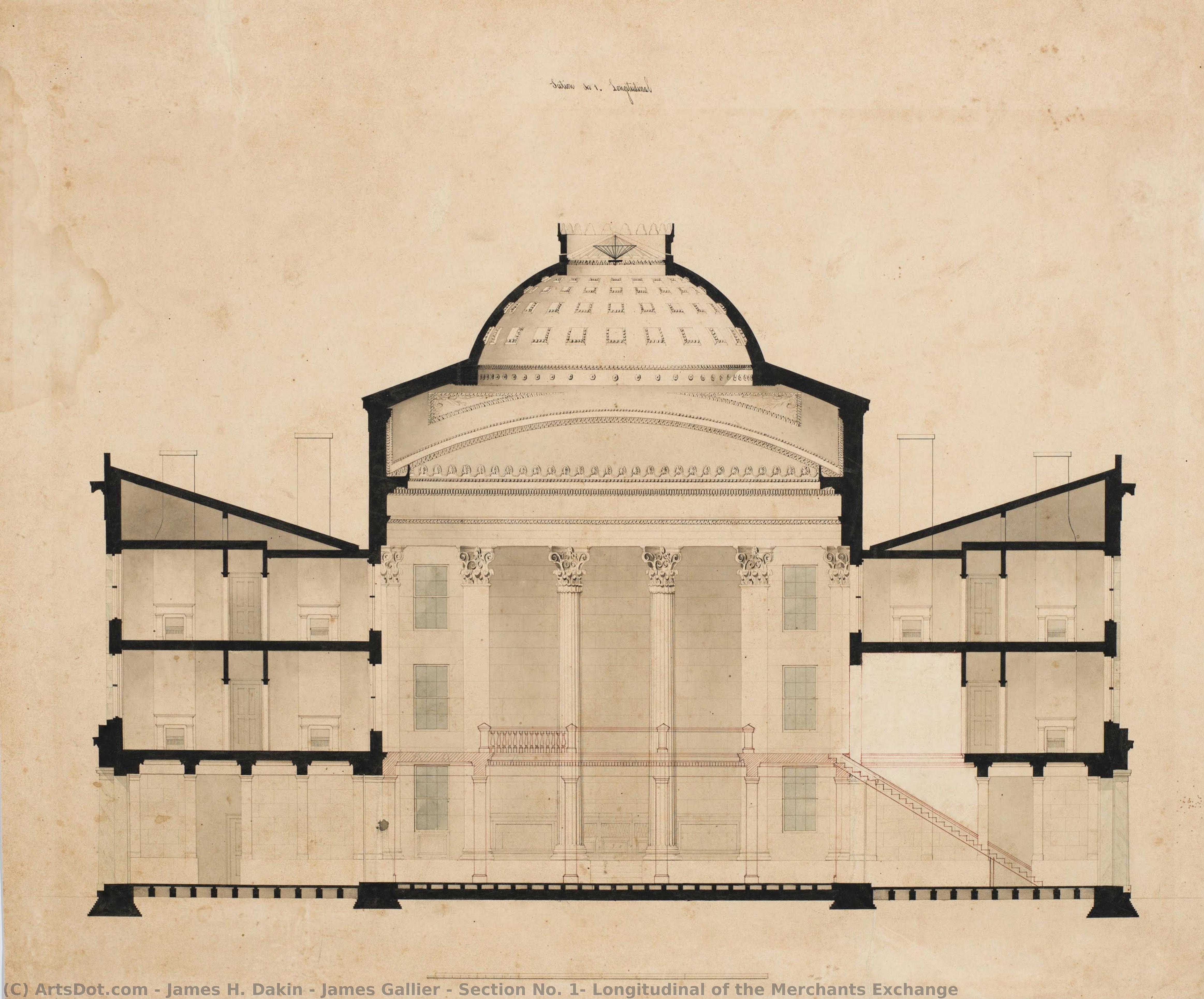
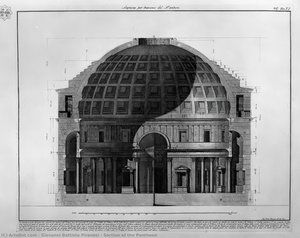
Section No. 1, Longitudinal of the Merchants Exchange


 Ver más
Giclée / Impresión de arte
Impresiones giclée o en lienzo de calidad de museo con producción rápida y opciones de acabado flexibles. ( Comprar pintura hecha a mano Comprar imagen)




P118B $10

P118H $10

P118W $10

P438Z $10

P508JH $12

P508YH $12

P805H $10

P805Z $10

P919BZ $10

P919G $10

P919XJ $10

P959ZH $10

P968JZ $12

W106C $8

W218G $10

W218JH $8

W218Y $10

W307PJ $10

W316G $10

W316PJ $8

W316Y $10

W398PJ $8

W4111J $10

W500HY $15

W500JH $15

W692G $12

W849H $8

W940BG $15

W953PJ $8




Elija entre nuestros tamaños predefinidos que respetan las proporciones originales de la obra.

Puede introducir sus propias dimensiones para adaptarse a un marco o espacio específico. Si el tamaño seleccionado no coincide con las proporciones de la imagen original, recortaremos la obra de arte o extenderemos la imagen con un borde con efecto espejo o de color sólido. Se enviará una maqueta digital para su aprobación antes de que comience la producción.
Tenga en cuenta que la vista previa en pantalla no refleja el recorte o la extensión real. Solo la maqueta mostrará con precisión la composición final.
Aunque existen tamaños personalizados, recomendamos seleccionar una dimensión de la lista predefinida para preservar las proporciones originales.
Envío a todo el mundo () en 2 semanas en lugar de las 4/5 semanas estándar. (30 agosto)

Envío exprés gratuito a todo el mundo

Lienzo de lino de alta calidad

Seguro de envío total

Garantía de reembolso de impuestos aduaneros

Garantía de fidelidad cromática exacta

Política de devolución de 60 días (solo por defectos)

Garantía de devolución del 100% del dinero

Descuento por cantidad
 La opción de vidrio solo está disponible en tamaños inferiores a 110 cm.

Section No. 1, Longitudinal of the Merchants Exchange
Giclée / Impresión de arte
Dimensiones de la reproducción
-


Precio total final
$ 62
A Vision in Ink: The Architectural Majesty of the Merchants Exchange
In the delicate interplay of light and shadow captured within Section No. 1, Longitudinal of the Merchants Exchange, we are transported back to the year 1836, a pivotal moment in the architectural evolution of New Orleans. This exquisite black and white drawing serves as more than just a technical blueprint; it is a window into the soul of a burgeoning American metropolis. Through the meticulous linework of James H. Dakin and James Gallier, the viewer witnesses the skeletal grandeur of a structure destined to become a monument of commerce and civic pride. The composition focuses on a longitudinal section, revealing the internal rhythm of the building—a complex dance of soaring voids, structural supports, and the promise of a magnificent dome that would soon crown the skyline.
The technique employed in this piece reflects the rigorous precision required of nineteenth-century architects. Every stroke of the pen conveys a sense of structural integrity and mathematical grace. The artist’s ability to render depth through varying densities of hatching and cross-hatching allows the eye to navigate the interior levels, from the heavy, grounded foundations to the ethereal lightness of the upper reaches. There is a profound stillness in this depiction of construction; it captures the quiet, pregnant pause before the chaos of completion, where the raw materials of stone and timber are transformed into an enduring symbol of economic power.
Beyond its technical brilliance, the drawing carries a deep historical resonance. As Dakin and Gallier were masters of Neo-Gothic and classical influences, this section reveals the DNA of their design philosophy. The presence of the staircase, winding upward through the heart of the structure, symbolizes the upward mobility and ambition of the era. For the modern collector or interior designer, this artwork offers a sophisticated touch of historical gravitas. It is a piece that speaks of permanence, craftsmanship, and the romantic allure of the industrial age.
Integrating such a masterful reproduction into a contemporary space provides an anchor of intellectual depth. Whether placed in a grand library, a professional study, or a minimalist gallery setting, the Merchants Exchange drawing invites contemplation on the relationship between human ingenuity and the built environment. It is not merely a depiction of a building, but a celebration of the visionaries who dared to draft the blueprints of history, making it an essential acquisition for those who appreciate the intersection of fine art and architectural heritage.
Obras relacionadas


Biografía del artista
James H. Dakin & James Gallier: Architects of Neo-Gothic Grandeur
James Harrison Dakin and James Gallier represent a pivotal moment in American architectural history—the fervent embrace of Gothic Revivalism during the mid-nineteenth century, spearheaded by two visionary minds who irrevocably transformed the cityscape of New Orleans and championed monumental structures imbued with spiritual grandeur. Born in Northeast Township, New York in 1806, Dakin’s formative years were shaped by a grounding in practical craftsmanship instilled by his uncle—a foundation that propelled him toward a career as a builder before he skillfully transitioned into the burgeoning field of architectural design. He married Joanna Belcher and established a family rooted in Norwich, Connecticut, nurturing seven children who would honor his legacy. Gallier’s journey began in Ireland, arriving in America in 1798—where he honed his skills alongside Alexander Jackson Davis, marking the genesis of a fruitful partnership that would redefine architectural aesthetics and propel them to international acclaim.Early Career and Collaborative Beginnings
Dakin's initial artistic inclinations were nurtured under Davis’s tutelage, absorbing the principles of neoclassical design before experiencing the transformative allure of Gothic Revivalism. This stylistic shift proved decisive—resulting in his unforgettable collaboration with Gallier, most notably on St. Charles Hotel—a pioneering edifice that cemented New Orleans’s position as a vanguard for grand architectural innovation. The hotel's soaring Corinthian portico and monumental dome stand as tangible evidence of Gallier’s profound understanding of structural engineering coupled with an unwavering dedication to artistic sensitivity. Their partnership extended beyond this singular masterpiece, encompassing the design of numerous churches and civic buildings throughout Louisiana—solidifying their reputation as architects who could translate ambitious conceptual visions into breathtaking realities.Notable Achievements: The Old Louisiana State Capitol & Beyond
Their magnum opus undoubtedly resides in the creation of the Old Louisiana State Capitol—a magnificent testament to Neo-Gothic grandeur that continues to inspire awe and serves as a poignant reminder of Louisiana’s aspirations for civic pride and artistic excellence. Completed in 1837, this imposing structure embodies the stylistic fervor of its era while simultaneously upholding Dakin & Gallier's commitment to meticulous craftsmanship—a legacy that resonates powerfully through time. Equally impressive was their contribution to the Old Bank of Louisville—demonstrating Gallier’s mastery of Greek Revival design alongside Dakin’s structural prowess—resulting in a harmonious blend of styles that exemplifies the best of American architectural achievement.Influence and Legacy
Dakin & Gallier's influence extended far beyond Louisiana, shaping architectural trends across the United States during a period of considerable artistic experimentation. Their embrace of Gothic Revivalism mirrored broader European influences—championing pointed arches, ribbed vaults, and stained glass windows as expressions of spiritual grandeur. They were instrumental in establishing New Orleans as a hub for architectural innovation—a legacy that continues to inspire designers today. Furthermore, their unwavering dedication to detail and precision elevated the standards of building practice during their time—leaving an indelible mark on American architectural history. Their work is preserved in collections such as Dumbarton Oaks Research Library & Collection and recognized for its contribution to American architectural heritage.Recognition and Enduring Significance
James H. Dakin & James Gallier’s enduring significance lies not merely in the buildings they erected but also in the profound inspiration they provided for subsequent generations of architects—a testament to their vision, skill, and unwavering belief in the transformative power of art. Their legacy persists as a beacon of architectural excellence—a reminder that beauty and functionality can coexist harmoniously—and continues to inspire admiration for their contribution to the cultural landscape of America.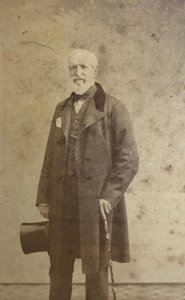
James H. Dakin y James Gallier
1806 - 1852 , Estados Unidos
Datos clave
- Artistic Movement Or Style: Arquitectura Gótica Neo
- Artists Or Movements Influenced By This Artist: ['Romanesque']
- Artists Who Influenced This Artist: ['Alexander Jackson Davis']
- Date Of Birth: August 24, 1806
- Date Of Death: May 13, 1852
- Full Name: James Harrison Dakin & James Gallier
- Nationality: Americano
- Notable Artworks:
- Capitolio Estatal Viejo de Luisiana
- Banco Viejo de Louisville
- Place Of Birth: Nueva York, Estados Unidos
Artículos relacionados

Blanco Sublime: Los 10 Cuadros Más Famosos Dominados por la Luz y el Color
Descubre los 10 cuadros blancos más emblemáticos de la historia del arte. Explora Monet, Van Gogh y Klimt, y su magistral uso de la luz y el color. Encuentra reproducciones de alta calidad e inspírate para tu decoración en .

Las 10 Pinturas Más Famosas Dominadas por el Negro | Arte y Decoración
Descubre las 10 pinturas más impactantes dominadas por el negro. Explora obras maestras de Rembrandt, Goya y Rothko, su historia y significado. Encuentra reproducciones de arte exclusivas para transformar tu hogar en .

Monochrome Visions: Exploring the Aesthetic & Historical Significance of Black & White Photography
Explore the rich history & artistic power of black and white photography. From early techniques to iconic masters like Ansel Adams, discover why monochrome continues to captivate art lovers today. Expert insights for collectors.

The Nuances of Graphite: Exploring Emotional Depth & Technical Mastery in Pencil Drawing
Explore the captivating world of graphite drawing! Discover its rich history, master essential techniques like chiaroscuro, and learn how artists evoke emotion through this timeless medium. Expert insights for art enthusiasts.

Las 10 Obras Maestras Dominadas por el Negro Marsella: Arte y Decoración
Descubre las 10 pinturas más famosas dominadas por el negro marsella. Explora la historia, técnica y simbolismo de obras maestras del expresionismo alemán, gótico y arte moderno. Reproducciones de museos en .

