

 Ver en contexto
 Enviar
 Compartir
 Detalles

 Descargar
 Similares
 Radiografía
 Presentación de diapositivas
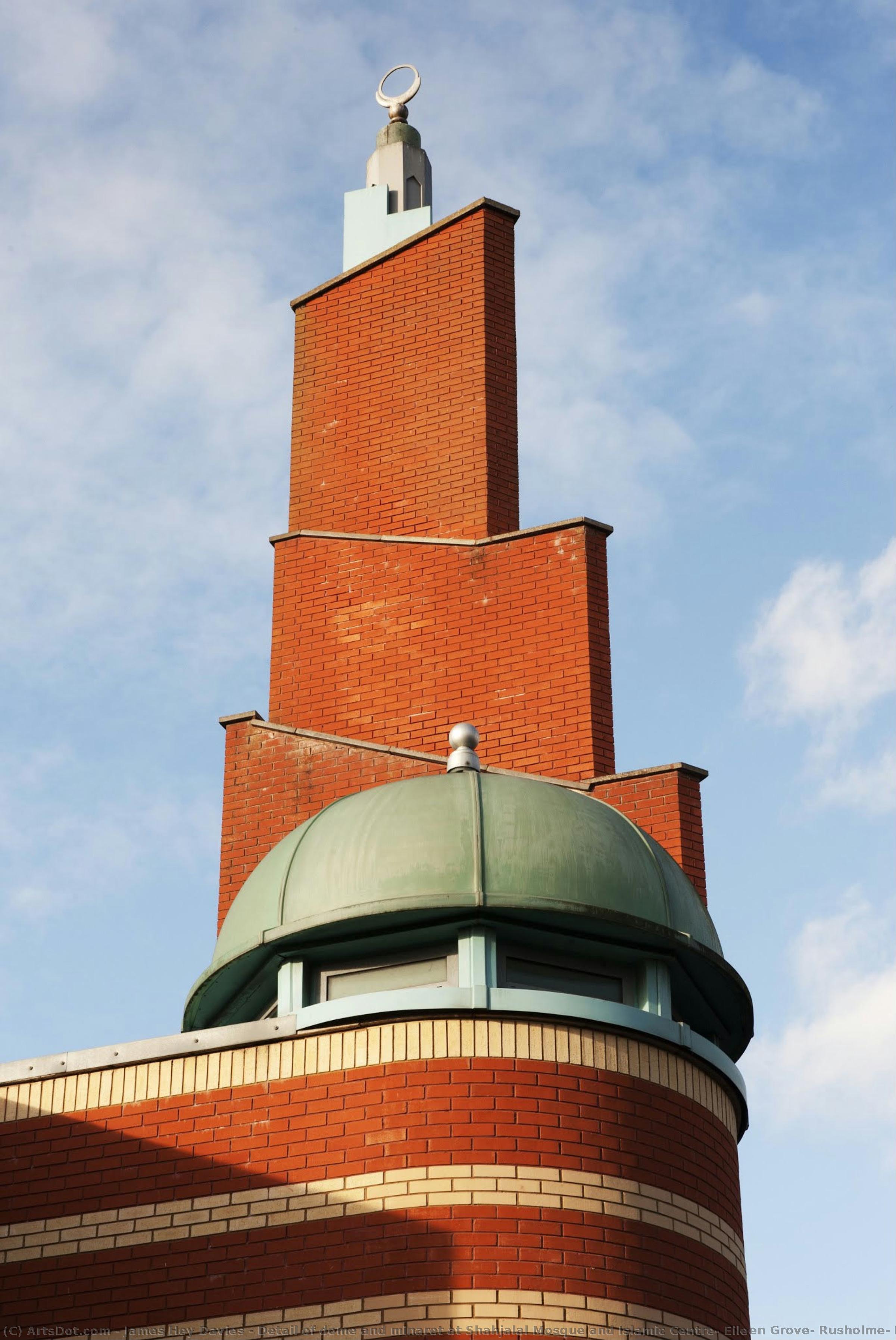
Detail of dome and minaret at Shahjalal Mosque and Islamic Centre, Eileen Grove, Rusholme, Manchester


 Ver más
Reproducción al óleo hecha a mano
Óleo sobre lienzo pintado a mano en el tamaño y marco de su elección, realizado por encargo por nuestros artistas. ( Comprar impresión Comprar imagen)




P118B $10

P118H $10

P118W $10

P438Z $10

P508JH $12

P508YH $12

P805H $10

P805Z $10

P919BZ $10

P919G $10

P919XJ $10

P959ZH $10

P968JZ $12

W106C $8

W218G $10

W218JH $8

W218Y $10

W307PJ $10

W316G $10

W316PJ $8

W316Y $10

W398PJ $8

W4111J $10

W500HY $15

W500JH $15

W692G $12

W849H $8

W940BG $15

W953PJ $8




Elija entre nuestros tamaños predefinidos que respetan las proporciones originales de la obra.

Puede ingresar sus propias dimensiones para adaptarse a un marco o espacio específico. Si el tamaño seleccionado no coincide con las proporciones de la imagen original, recortaremos la obra o extenderemos la pintura con elementos adicionales pintados a mano. Se le enviará una maqueta digital para su aprobación antes de comenzar la producción.
Tenga en cuenta que la vista previa en pantalla no refleja el recorte o la extensión reales. Solo la maqueta mostrará con precisión la composición final.
Si bien existen tamaños personalizados, recomendamos seleccionar una dimensión de la lista predefinida para preservar las proporciones originales.
Tras realizar el pedido, el equipo de ArtsDot.com enviará un correo electrónico al cliente para solicitar instrucciones y proporcionarle una vista previa del boceto.
Envío a todo el mundo () en 3-4 semanas en lugar de las 5 semanas estándar. (6 septiembre). Sin comprometer la calidad.

Envío exprés gratuito a todo el mundo

Lienzo de lino de alta calidad

Seguro de envío total

Garantía de reembolso de impuestos aduaneros

Garantía de fidelidad cromática exacta

Política de devolución de 60 días (solo por defectos)

Garantía de devolución del 100% del dinero

Descuento por cantidad
 La opción de vidrio solo está disponible en tamaños inferiores a 110 cm.

Detail of dome and minaret at Shahjalal Mosque and Islamic Centre, Eileen Grove, Rusholme, Manchester
Técnica de reproducción
Dimensiones de la reproducción
-


Precio total final
$ 263
A Symphony of Architecture and Light
In this captivating detail from James Hey Davies, we are invited to gaze upon a breathtaking intersection of cultural heritage and architectural grandeur. The work focuses on the intricate silhouettes of the dome and minaret at the Shahjalal Mosque and Islamic Centre in Rusholme, Manchester. Through the artist's lens, the red brickwork of the structure is transformed into a rich tapestry of texture and warmth, where every crevice and curve tells a story of devotion and craftsmanship. The presence of the clock tower, topped with a delicate steeple and the iconic crescent moon, serves as a poignant reminder of the passage of time and the enduring nature of faith within an ever-changing urban landscape.
The composition draws the eye upward, guiding the viewer through a rhythmic dance of geometric shapes. The interplay between the solid, grounded weight of the brickwork and the ethereal reach of the minaret creates a profound sense of verticality and aspiration. For the discerning collector or interior designer, this piece offers more than just a visual depiction; it provides a window into a moment of architectural stillness, capturing the way light dances across surfaces to highlight the intricate details that define this Manchester landmark.
Mastery of the Manchester School
Rooted in the traditions of the Manchester School of Painters, Davies employs a technique that breathes life into the inanimate. While his contemporaries often focused on the industrial grit of the era, Davies sought to capture the soul of his surroundings through an impressionistic sensitivity to light and color. In this particular work, one can observe a masterful command of tonal variation. The way the shadows nestle within the architectural recesses and how the highlights catch the edges of the dome suggests a deep, observational connection to the subject matter.
The brushwork, though precise enough to define the structural integrity of the mosque, possesses an organic fluidity that prevents the scene from feeling static. This delicate balance between realism and impressionistic flair allows the painting to evoke a sense of atmosphere—a palpable feeling of the Manchester air settling around the stone and brick. It is this technical prowess that makes a high-quality reproduction of this piece so compelling for modern spaces, as it brings a layer of historical depth and painterly sophistication to any room.
An Emotional Resonance for Modern Interiors
Beyond its architectural significance, this artwork carries an emotional weight that transcends borders. It is a celebration of multiculturalism and the beautiful layers of history that compose the modern city. The image evokes feelings of peace, stability, and reverence, making it an ideal centerpiece for those looking to introduce a sense of tranquility and worldly wisdom into their decor. Whether placed in a quiet study, a grand living area, or a curated gallery wall, the piece acts as a conversational anchor.
For interior designers, the warm palette of the red brick and the rhythmic geometry of the minaret offer incredible versatility. It complements both classical settings that value historical narrative and contemporary minimalist spaces that crave a touch of textured warmth. Owning a reproduction of this work is an opportunity to possess a fragment of Manchester's evolving identity—a timeless tribute to the beauty found in the details of our shared architectural heritage.
Obras relacionadas
Biografía del artista
James Hey Davies: A Shepherd of the English Landscape
James Hey Davies (1844-1930) wasn’t a name that dominated the grand halls of Victorian art, yet his canvases quietly captured the enduring beauty and spirit of rural England. Born in Manchester, a city then undergoing rapid industrial transformation, Davies found solace and inspiration not amidst the factories and bustle, but in the rolling hills, verdant pastures, and meandering rivers of his native North West. His life’s work became an intimate portrait of this landscape – a celebration of its light, color, and timeless charm, rendered with a sensitivity that belies his position as a key figure within the Manchester School of Painters.
Davies' early artistic education began modestly, studying drawing at the Manchester School of Art. However, he quickly rejected the prevailing academic style, seeking instead to emulate the Impressionists who were revolutionizing painting in France. This desire for direct observation and capturing fleeting moments led him to embark on a pivotal journey to Pont-Aven in Brittany around 1872. This immersion in the French Impressionist movement proved transformative, shaping his technique and influencing his approach to color and light. He spent considerable time absorbing the techniques of artists like Monet and Pissarro, learning to paint *en plein air* – directly from nature’s source – a practice that would become central to his artistic identity.
The Pastoral Vision: Subject Matter and Technique
Davies' paintings are overwhelmingly devoted to depicting scenes of rural England. He wasn’t interested in grand historical narratives or dramatic events; instead, he focused on the everyday rhythms of life – shepherds tending their flocks, farmers working the land, children playing in meadows, and the quiet beauty of a sunset over a lake. His subjects were often humble, reflecting a deep respect for the rural community and its traditions. His landscapes are characterized by a remarkable attention to detail, meticulously rendered foliage, and an almost photographic accuracy in capturing the textures of grass, stone, and water.
Technically, Davies’ work is rooted in Impressionism but possesses a distinctly British sensibility. He employed loose brushstrokes and vibrant colors – often utilizing a palette dominated by greens, blues, and browns – to convey the atmospheric effects of light and weather. He skillfully captured the interplay of sunlight on water, the dappled shade beneath trees, and the shifting hues of the sky. His compositions are typically balanced and harmonious, creating a sense of tranquility and serenity. He was particularly adept at portraying the changing seasons, capturing the vibrant greens of spring, the golden hues of autumn, and the stark beauty of winter landscapes.
Influence and Recognition
Davies’ association with the Manchester School of Painters – a group of artists who challenged academic conventions and embraced a more naturalistic approach to art – was crucial to his development. He shared a studio space and artistic philosophy with fellow painters like Joshua Anderson Hague, John Houghton Hague, and John Herbert Evelyn Partington, all of whom were committed to painting *en plein air* and capturing the essence of the British countryside. This collective spirit fostered experimentation and innovation, pushing the boundaries of traditional landscape painting.
Davies’ work received considerable recognition during his lifetime. He exhibited regularly at prestigious venues such as the Royal Academy and the Royal Manchester Institution, earning critical acclaim for his skillful depictions of rural England. Notably, he was awarded the Turner Gold Medal in 1875 – a highly coveted prize recognizing excellence in landscape painting – solidifying his reputation as one of Britain’s leading artists. His paintings are now held by major museums including the National Museum Wales, Manchester Art Gallery, and Salford Museum.
Legacy and Enduring Appeal
Though often overlooked by mainstream art history, James Hey Davies' contribution to British landscape painting is significant. His meticulous observation, sensitive portrayal of rural life, and masterful use of light and color continue to resonate with viewers today. His paintings offer a poignant glimpse into a bygone era – a time when England’s countryside was still largely untouched by industrialization and when artists sought inspiration in the beauty of nature. Davies' legacy lies not only in his individual works but also in his role as a key figure within the Manchester School of Painters, shaping the course of British art at the turn of the 20th century.
james hey davies
1844 - 1926
Datos clave
- Artistic Movement Or Style: plein-air landscapes
- Artists Or Movements Influenced By This Artist: ['Manchester School of Painters']
- Artists Who Influenced This Artist:
- Joshua Anderson Hague
- John Houghton Hague
- Date Of Birth: 1844
- Date Of Death: 1926
- Full Name: James Hey Davies
- Nationality: British
- Notable Artworks:
- Young Poachers
- Lake Scene
- Place Of Birth: Manchester, England
Artículos relacionados

Crimson Threads of Narrative: Exploring Symbolism & Representation in Artworks Featuring the Red Dress
Explore the rich symbolism of the red dress in art history! From ancient power displays to iconic portraits like Cézanne’s 'Madame Cezanne', discover the cultural and artistic significance behind this captivating color. Expert analysis & insights.
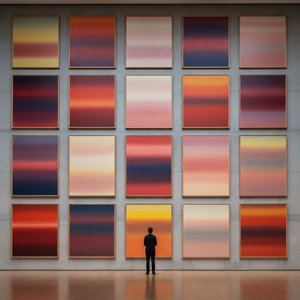
Mark Rothko: Las 25 Obras Maestras que Definen la Expresión Abstracta | ArtsDot
Descubre las 25 obras maestras de Mark Rothko, pionero del expresionismo abstracto. Explora la historia, el significado y los colores vibrantes que definen su arte emocional. Reproducciones de alta calidad en ArtsDot.com.
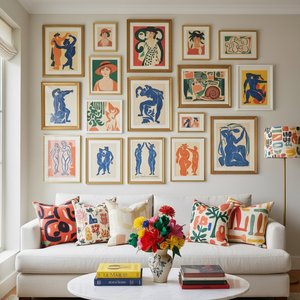
Henri Matisse: Las 25 Obras Maestras que Definieron un Genio del Color | ArtsDot
Descubre las 25 obras maestras de Henri Matisse, el rey del color y padre del fauvismo. Explora su arte moderno, lienzos vibrantes y la historia detrás de cada pintura icónica. Encuentra reproducciones de alta calidad en ArtsDot.com.
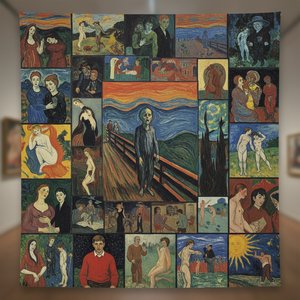
Edvard Munch: Las 25 Obras Maestras que Definen su Genio Artístico | ArtsDot
Descubre las 25 obras maestras de Edvard Munch, el genio del expresionismo. Explora 'El Grito' y otros lienzos icónicos que capturan la angustia y belleza humana. Reproducciones de arte exclusivas en ArtsDot.com.
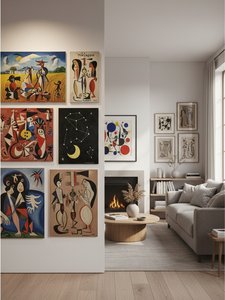
Joan Miró: Las 25 Obras Maestras del Genio Catalán | Arte y Decoración
Descubre las 25 obras maestras de Joan Miró, el genio del surrealismo catalán. Explora su arte abstracto, colores vibrantes y la historia detrás de cada cuadro. Reproducciones de alta calidad en ArtsDot.com para transformar tu hogar con arte original.

