

 Vista previa
 Compartir
 Compartir
 Ver detalles

 Descargar
 Ver similares
 Radiografía
 Presentación de diapositivas
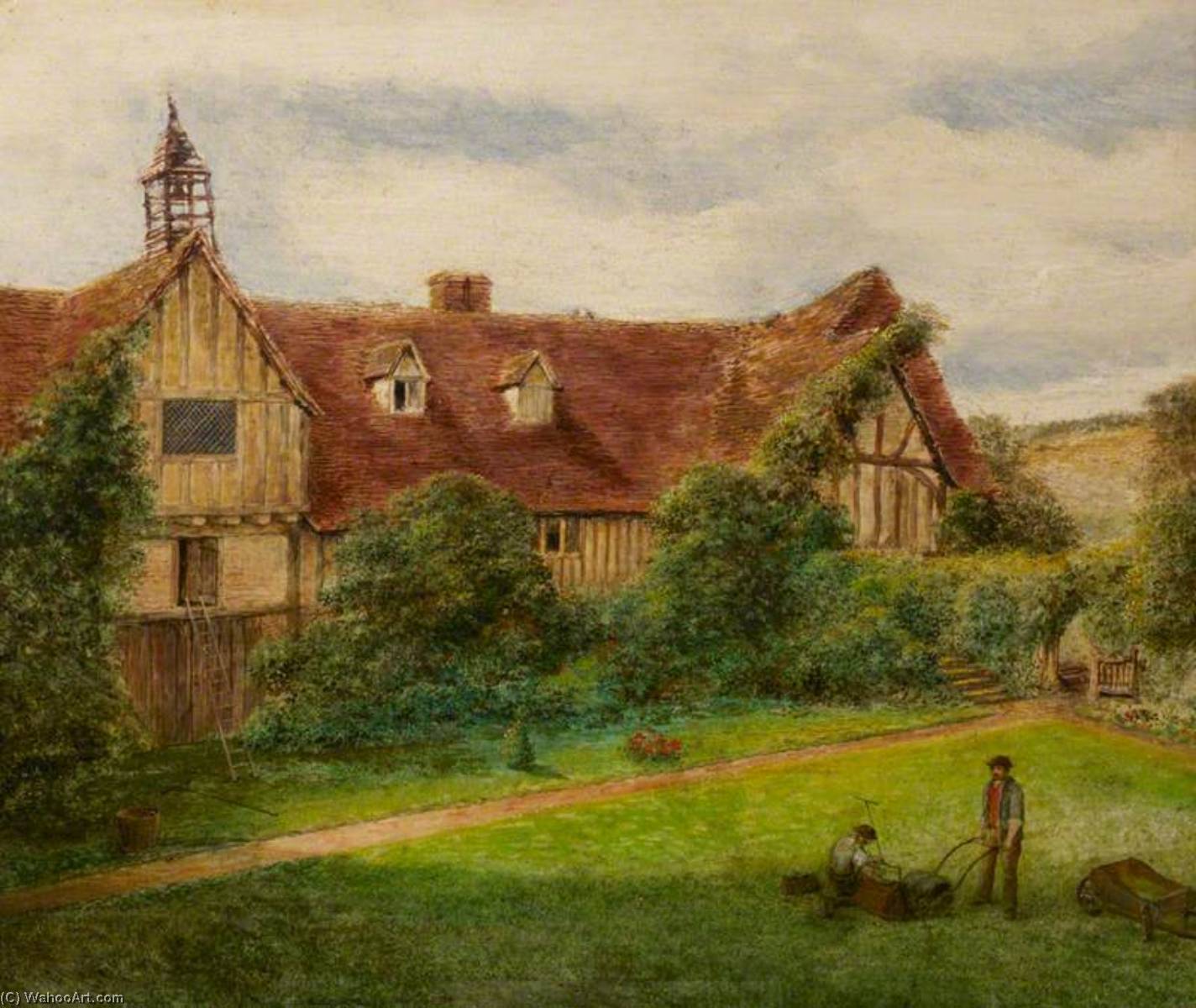
The Cottages, Ightham Mote
 Oil On Canvas
- WallArt
- Pastoral Painting
 1860
1860 43.0 x 49.0 cm
 National Trust
 Leer más
Reproducción al óleo hecha a mano
Óleo sobre lienzo pintado a mano en el tamaño y marco de su elección, realizado por encargo por nuestros artistas. ( Pedir impresión Comprar descarga)




P118B $10

P118H $10

P118W $10

P438Z $10

P508JH $12

P508YH $12

P805H $10

P805Z $10

P919BZ $10

P919G $10

P919XJ $10

P959ZH $10

P968JZ $12

W106C $8

W218G $10

W218JH $8

W218Y $10

W307PJ $10

W316G $10

W316PJ $8

W316Y $10

W398PJ $8

W4111J $10

W500HY $15

W500JH $15

W692G $12

W849H $8

W940BG $15

W953PJ $8




Elija entre nuestros tamaños predefinidos que respetan las proporciones originales de la obra.

Puede ingresar sus propias dimensiones para adaptarse a un marco o espacio específico. Si el tamaño seleccionado no coincide con las proporciones de la imagen original, recortaremos la obra o extenderemos la pintura con elementos adicionales pintados a mano. Se le enviará una maqueta digital para su aprobación antes de comenzar la producción.
Tenga en cuenta que la vista previa en pantalla no refleja el recorte o la extensión reales. Solo la maqueta mostrará con precisión la composición final.
Si bien existen tamaños personalizados, recomendamos seleccionar una dimensión de la lista predefinida para preservar las proporciones originales.
Tras realizar el pedido, el equipo de ArtsDot.com enviará un correo electrónico al cliente para solicitar instrucciones y proporcionarle una vista previa del boceto.
Envío a todo el mundo () en 3-4 semanas en lugar de las 5 semanas estándar. (21 agosto). Sin comprometer la calidad.

Envío exprés gratuito a todo el mundo

Lienzo de lino de alta calidad

Seguro de envío completo

Garantía de reembolso de aranceles aduaneros

Garantía de fidelidad cromática exacta

Política de devolución de 60 días (solo por defectos)

Garantía de devolución del 100% del dinero

Oferta por volumen
 La opción de vidrio solo está disponible en tamaños inferiores a 110 cm.

The Cottages, Ightham Mote
Técnica de reproducción
Tamaño de la reproducción
-


Precio total
$ 288
Descripción de la obra
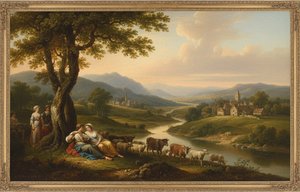
James Nasmyth’s “The Cottages, Ightham Mote”: A Pastoral Vision of Victorian England
“The Cottages, Ightham Mote” by James Nasmyth (1860) stands as a quintessential example of Victorian pastoral art—a genre dedicated to celebrating the beauty and tranquility of rural landscapes. More than just a picturesque depiction, this oil painting embodies a profound appreciation for craftsmanship and an idealized vision of English countryside life during a period marked by rapid industrialization. Located within Ightham Mote National Trust Estate in Kent, England, it’s a testament to Nasmyth's ability to capture not merely what he saw but also the spirit of his time.Composition and Style: Constable Inspired Elegance
Nasmyth’s masterful composition echoes the influence of John Constable, another prominent landscape painter who championed naturalism alongside romantic sentimentality. The cottage itself—a modest dwelling constructed around 1475—dominates the central frame, positioned strategically against a backdrop of rolling hills and mature trees. This balanced arrangement prioritizes visual harmony, guiding the viewer’s eye across the canvas with ease. Lines are predominantly soft and flowing, characteristic of Nasmyth's brushstrokes which prioritize atmosphere over precise detail – a deliberate choice reflecting the broader artistic movement of Impressionism, albeit executed with a more restrained palette and technique. The overall style leans towards romantic idealism, conveying a sense of nostalgia for a simpler past while simultaneously celebrating the enduring charm of rural England.Technique: Oil Paintsmanship and Textured Surfaces
The artwork is executed in oil paint on canvas, utilizing a technique that emphasizes texture and luminosity. Nasmyth’s meticulous layering of pigments creates visible brushstrokes—a hallmark of Victorian painting—resulting in surfaces rich with tactile qualities. The artist skillfully renders the textures of grass, foliage, and particularly the weathered thatch roof of the cottage, conveying an impression of materiality and authenticity. Careful attention to light is evident throughout the piece; diffused illumination casts a gentle glow upon the scene, fostering a feeling of serenity and tranquility—a deliberate stylistic element intended to evoke emotions associated with pastoral idylls. The artist’s meticulous approach ensures that every detail contributes to the painting's immersive quality.Symbolism: Domestic Tranquility and Connection to Nature
Beyond its aesthetic beauty, “The Cottages, Ightham Mote” carries symbolic weight. The cottage represents home—a bastion of comfort and stability amidst the turbulent currents of Victorian society—while the surrounding garden symbolizes abundance and cultivation—reflecting a humanist belief in the importance of harmony between humanity and nature. Figures engaged in gardening subtly reinforce this connection to the land, suggesting an appreciation for rural traditions and values. Nasmyth’s depiction isn't merely observational; it’s infused with emotional resonance, conveying a yearning for unspoiled landscapes and a celebration of the virtues associated with pastoral life—themes that resonated deeply within Victorian culture.Historical Context: Industrial Revolution Meets Romantic Idealism
Painted during the height of the Industrial Revolution, “The Cottages, Ightham Mote” presents a counterpoint to the burgeoning factories and urban sprawl of the era. It embodies a reaction against the perceived dehumanizing effects of industrial progress—a desire to recapture a sense of connection to the natural world that was increasingly threatened by technological advancement. Nasmyth’s artistic vision reflects the broader cultural preoccupation with preserving traditional values and celebrating beauty in rural settings – an enduring legacy of Victorian Romanticism. The painting serves as a poignant reminder of a bygone era, capturing its spirit of contemplation and appreciation for the simple pleasures of life.Obras relacionadas
Biografía del artista
Primeros Años y Educación
- Nacimiento: 19 de agosto de 1808, Edimburgo, Reino Unido
- Fallecimiento: 7 de mayo de 1890
- Padres: Alexander Nasmyth (pintor) y Barbara Foulis
- Exposición temprana a la mecánica a través del taller de su padre.
- Asistió a la Royal High School en Edimburgo.
- Estudió en la Escuela de Artes de Edimburgo (posteriormente Universidad Heriot-Watt), demostrando aptitud mecánica desde temprano.
- Construyó un modelo funcional de una máquina de vapor de alta presión a los 17 años, mostrando sus habilidades.
Carrera e Invenciones
- Aprendiz de Henry Maudslay en Londres, adquiriendo experiencia en la fabricación de máquinas herramienta.
- Estableció su propio taller de máquinas herramienta en Manchester en 1834.
- Fundó Nasmyth, Gaskell y Compañía (Bridgewater Foundry) en 1836, especializada en herramientas de máquina y motores de vapor.
- Invención Principal: El martillo de vapor – revolucionó la forja del hierro reduciendo significativamente el tiempo de procesamiento y mejorando la calidad. Patentado en 1842.
- Fabricó más de 100 locomotoras de vapor y varias otras máquinas como bombas e prensas hidráulicas.
- Desarrolló pilotes para proyectos de construcción marina.
Actividades Artísticas y Vida Posterior
- Se retiró a los 48 años a Penshurst, Kent en 1856.
- Se dedicó a pasatiempos que incluían astronomía, fotografía y pintura.
- Escribió "La Luna: Considerada como un Planeta, un Mundo y una Satélite" (1874), demostrando su interés en la observación astronómica.
- Creó dibujos e ilustraciones detallados de maquinaria a lo largo de su carrera, mostrando talento artístico junto con habilidades de ingeniería.
Influencias y Significado Histórico
- Influencia: Henry Maudslay – El aprendizaje de Nasmyth bajo Maudslay proporcionó una experiencia crucial en el mecanizado de precisión.
- Impacto: El martillo de vapor avanzó significativamente la Revolución Industrial, permitiendo operaciones de trabajo de metales a mayor escala.
- Contribución a la Ingeniería: Enfatizó la eficiencia y el control en el diseño de maquinaria.
- Legado: Reconocido como una figura clave en la ingeniería e innovación británica durante la era victoriana.
Visión Filosófica y Oposición al Trabajo Organizado
- Nasmyth tenía fuertes opiniones sobre el trabajo, oponiéndose a los movimientos laborales organizados.
- Creía en el esfuerzo individual y la responsabilidad en lugar de la negociación colectiva.
- Su postura filosófica reflejó una perspectiva más amplia prevalente entre los industriales de su época.
- Estas creencias moldearon su enfoque para administrar a sus trabajadores y contribuyeron a su legado general.
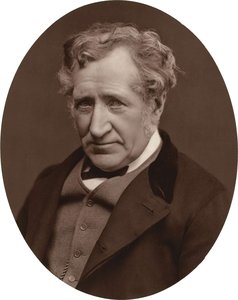
James Nasmyth
1808 - 1890 , Reino Unido
Datos clave
- Artistas Que Influyeron En Este Artista: ['Henry Maudslay']
- Contribuciones A La Ingeniería: Martillo de vapor, innovación industrial
- Fecha De Fallecimiento: 7 de mayo de 1890
- Fecha De Nacimiento: 19 de agosto de 1808
- Lugar De Nacimiento: Edimburgo, Reino Unido
- Movimiento Artístico O Estilo: Ingeniero e inventor
- Nacionalidad: Escocés
- Nombre Completo: James Hall Nasmyth
Artículos relacionados

Alfred Munnings: Las 25 Obras Maestras del Pintor de Caballos | ArtsDot
Descubre las 25 obras maestras de Alfred Munnings, el pintor británico de caballos por excelencia. Explora su impresionismo inglés, escenas campestres y técnica única. Encuentra reproducciones de arte de alta calidad en ArtsDot.com.

James Abbott McNeill Whistler: Las 25 Obras Maestras del Maestro del Arte y la Atmósfera | ArtsDot
Descubre las 25 obras maestras de James Abbott McNeill Whistler, el maestro del impresionismo y la armonía en arte. Explora retratos icónicos, nocturnos evocadores y su innovadora paleta de colores. Reproducciones de arte exclusivas en ArtsDot.com.

John Constable: Las 25 Obras Maestras del Paisaje Inglés | ArtsDot
Descubre las 25 obras maestras de John Constable, el pintor romántico inglés que capturó la belleza del paisaje. Explora su técnica, historia y significado en ArtsDot.com. Reproducciones de arte de alta calidad para tu hogar.
Idyllic Visions: Exploring the Pastoral Tradition in Western Art – Themes, Techniques & Enduring Appeal
Explore the rich history of pastoral art from classical Arcadia to contemporary interpretations. Discover key artists, themes & collecting tips at ArtsDot.

El Siglo XIX en el Arte: 10 Obras Maestras para Decorar con Historia y Estilo
Descubre 10 obras maestras del siglo XIX: Monet, Goya y más. Explora el impresionismo, realismo y romanticismo que definieron una época. Encuentra reproducciones de arte exclusivas para decorar tu hogar con estilo en ArtsDot.com.

