

 Compartir
 Compartir
 Ver detalles

 Descargar
 Ver similares
 Presentación de diapositivas
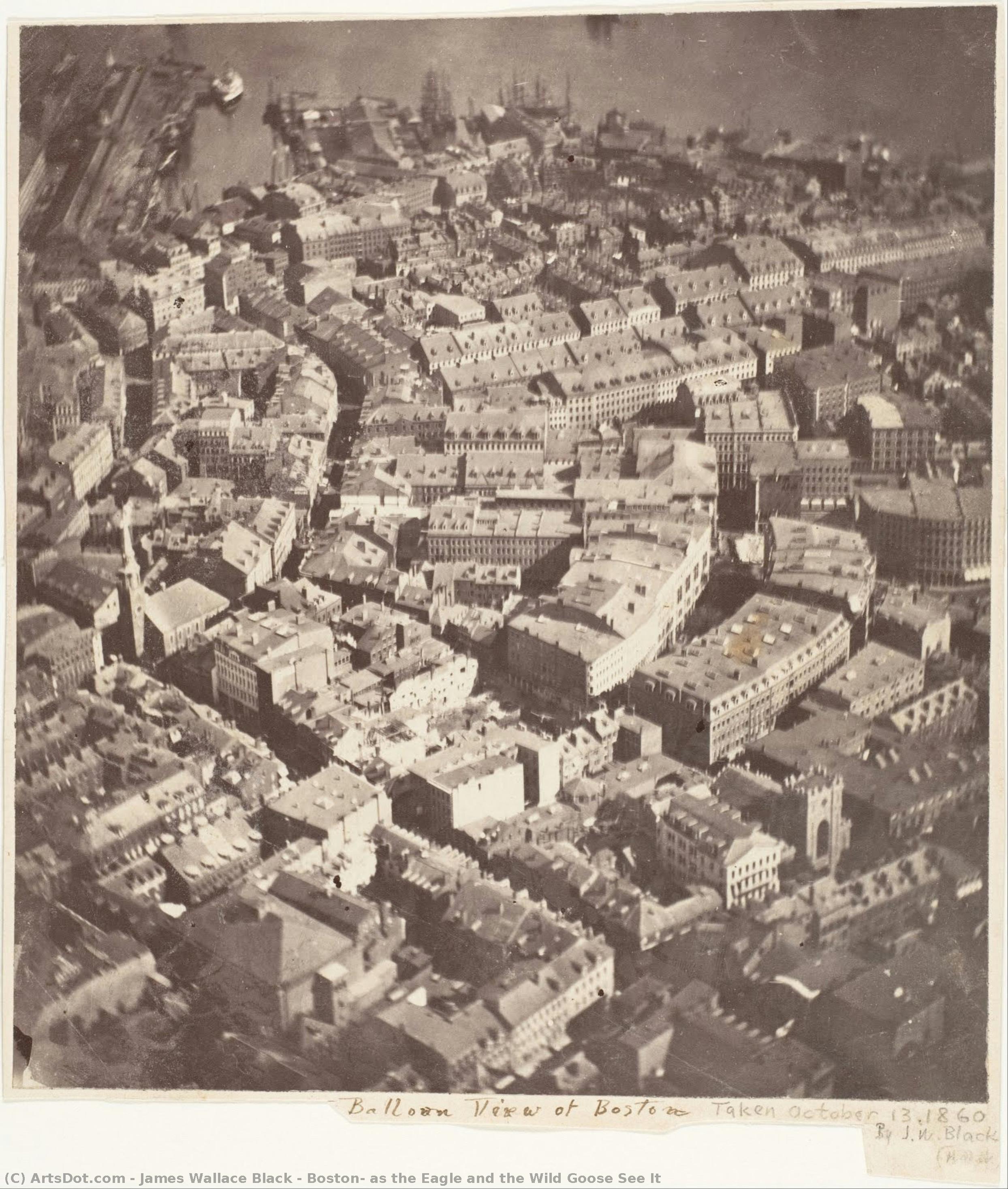
Boston, as the Eagle and the Wild Goose See It
 Black and White Photography
- Photo
 1860
1860- 19th Century
 18.0 x 16.0 cm
 Museo Metropolitano de Arte
 Leer más
Adquiera una imagen digital de alta resolución y optimizada, muy superior a la vista previa en línea.
Cada archivo es preparado meticulosamente por nuestros especialistas internos mediante el uso de herramientas avanzadas y un experto retoque manual. Nos aseguramos de que cada imagen posea una claridad excepcional, una precisión cromática impecable y un detalle minucioso.
El archivo final se entrega por correo electrónico en un plazo de 72 horas, optimizado para su uso inmediato en entornos profesionales, editoriales y de impresión. Esta es la misma calidad en la que confían los estudios de diseño, las editoriales y las galerías de primer nivel.
Imagen Digital
Descarga un archivo de alta resolución para exhibición personal, impresión y proyectos creativos. ( Pedir impresión Encargar reproducción pintada a mano)
Incluido en cada compra de imágenes digitales
Entrega digital experta, garantizada.
Al elegir ArtsDot.com, no solo está adquiriendo una imagen; está recibiendo una obra de arte digital mejorada profesionalmente, elaborada con precisión y respaldada por una garantía de satisfacción. Esto es todo lo que incluye su pedido, automáticamente:

Entrega rápida por email
Recibirá su archivo de imagen digital en alta resolución por correo electrónico en un plazo de 72 horas tras realizar su pedido, listo para su uso inmediato.

Archivo digital optimizado por IA
Su obra de arte se optimiza profesionalmente mediante herramientas avanzadas de IA y edición manual, garantizando el máximo detalle, claridad y precisión cromática.

Reenvío gratuito de por vida
¿Has borrado o perdido tu archivo por error? No te preocupes: te lo volveremos a enviar en cualquier momento, sin coste adicional.

Sin gastos de importación, siempre
Disfrute de su obra de arte al instante sin aduanas, aranceles ni gastos de envío; las descargas digitales siempre están libres de impuestos.

Garantía de precisión de color
Garantizamos que su imagen digital refleje los colores originales con la mayor fidelidad posible, mediante el uso de herramientas profesionales y gestión del color.

Garantía de satisfacción de 60 días
Si no está satisfecho con su imagen digital, la revisaremos o le reembolsaremos el 100% en un plazo de 60 días, sin preguntas.

100% Garantía de devolución de dinero
¿No está satisfecho? Obtenga un reembolso completo dentro de los 60 días posteriores a la recepción de su archivo digital, sin necesidad de explicaciones.

Descuentos por volumen
Compra 3 imágenes, ahorra 10% - Compra 5, ahorra 15% - Compra 10+, ahorra 20%. Ideal para proyectos creativos, galerías y agencias.
Descripción del coleccionable
A Bird's Eye View of Progress: Boston in 1860
To gaze upon this remarkable image is to be instantly transported across the veil of time, lifted above the bustling arteries of mid-nineteenth-century Boston. This photograph, titled "Boston, as the Eagle and the Wild Goose See It," is far more than a mere record of architecture; it is a captured moment of ambition, progress, and the burgeoning spirit of an industrial age. Taken in 1860, when America stood at the precipice of profound change, this view offers an unparalleled perspective—literally, from the vantage point of two soaring birds.
The composition itself is breathtakingly unique. The viewer does not observe the city from a stable platform, but rather through the dynamic sweep of aerial vision. Below, the dense tapestry of buildings rises in varying heights, their forms speaking silently of commerce and burgeoning civic life. Interspersed among these stone and brick giants, the water below catches the light, hinting at the vital maritime trade that fueled this great American metropolis. The inclusion of a boat adds a crucial element of narrative depth, suggesting movement, journey, and the ceaseless flow of life within the urban sprawl.
The Pioneer Lens: James Wallace Black's Vision
This piece is inextricably linked to the genius of its creator, James Wallace Black. As a pioneer of American photography, Black was not merely documenting; he was innovating. His career spanned the nascent, volatile years of photographic science, moving from the delicate work of daguerreotypes to capturing grand, sweeping vistas. The very act of creating this photograph speaks to the technological marvel of its time—the pioneering use of aerial perspective in art. It places Black within a lineage of visionaries who sought to redefine what could be seen and recorded, forever altering the relationship between the artist, the subject, and the observer.
For the collector or designer, understanding this context elevates the piece from decoration to historical artifact. It represents an early triumph in photographic documentation, showcasing a mastery of composition achieved through groundbreaking means.
Symbolism of Height and Perspective
The symbolism inherent in "Boston, as the Eagle and the Wild Goose See It" is rich for contemplation. The elevated viewpoint itself suggests enlightenment—the ability to see the whole picture, to grasp the macrocosm from a detached, superior vantage point. The contrast between the towering structures and the open expanse of water speaks to the human condition: the tension between rigid ambition (the buildings) and the fluid nature of life or commerce (the harbor). Furthermore, the very act of viewing the city through avian eyes imbues the scene with a sense of freedom and overview, inviting the viewer to contemplate their own place within the grand sweep of history.
It is an invitation to pause amidst the clutter of modern life and recall that every great achievement rests upon foundations laid by those who dared to look up and see further than before.
A Touch of Vintage Grandeur for Modern Spaces
Reproducing this image allows contemporary interiors to absorb a patina of authentic, nineteenth-century grandeur. Whether placed in a study, a grand hall, or an art-focused living space, the print acts as a sophisticated conversation starter. Its monochromatic palette lends itself to timeless elegance, pairing beautifully with both richly colored textiles and minimalist modern furnishings. Owning this reproduction is not just acquiring artwork; it is curating a narrative of American industrial ascent, framed by the delicate artistry of early photographic exploration.
Obras relacionadas

Biografía del artista
James Wallace Black: Un pionero de la fotografía estadounidense
Primeros años y comienzos profesionales
- Nacimiento: 10 de febrero de 1825, en Francestown, Nuevo Hampshire.
- James Wallace Black comenzó su carrera como pulidor de placas de daguerrotipos, adquiriendo habilidades fundamentales en el temprano proceso fotográfico.
- Pronto colaboró con John Adams Whipple, un prolífico fotógrafo y inventor de Boston, perfeccionando aún más su experiencia técnica.
Innovación y experimentación
- Retratos pioneros: Black rápidamente se estableció como un hábil fotógrafo de retratos, capturando los rasgos de figuras prominentes de su tiempo.
- John Brown (1859): Su fotografía de John Brown, el abolicionista, es particularmente significativa, ofreciendo un poderoso registro visual de una figura clave en la historia estadounidense.
- Walt Whitman (1860): Black también creó un retrato famoso de Walt Whitman, capturando la personalidad distintiva del autor.
Avances fotográficos aéreos
- Primeras fotografías aéreas: En 1860, en colaboración con el aeronauta Samuel Archer King, Black logró una hazaña destacada: las primeras fotografías aéreas exitosas tomadas en los Estados Unidos.
- “Boston como lo ven el águila y la gansa”: Esta imagen innovadora proporcionó una perspectiva sin precedentes de Boston desde arriba, revolucionando la representación visual de los paisajes urbanos.
El legado de las diapositivas
- Maestro del fénix mágico: Black más tarde se convirtió en una autoridad líder en el uso del fénix mágico (una forma temprana de proyector).
- Su negocio se trasladó a la producción de diapositivas, creando materiales visuales para fines educativos y de entretenimiento.
- Fue fundamental para popularizar esta tecnología y ampliar su alcance a audiencias más amplias.
Desarrollo artístico e influencias
- Influencias: El trabajo de Black refleja las sensibilidades artísticas del siglo XIX, influenciado por el Romanticismo y un creciente interés en la observación científica.
- Su habilidad técnica fue sin duda moldeada por su colaboración con John Adams Whipple y los avances más amplios en la tecnología fotográfica durante esa época.
- Estilo artístico: Los retratos de Black se caracterizan por su claridad, detalle y profundidad psicológica, mientras que sus vistas aéreas demuestran un agudo ojo para la composición y la perspectiva.
Logros importantes e importancia histórica
- Fotografía aérea pionera: Las fotografías aéreas de Black fueron revolucionarias, ofreciendo una nueva forma de visualizar el mundo.
- Documentación de figuras clave: Sus retratos de John Brown y Walt Whitman son documentos históricos invaluables.
- Avance en la tecnología fotográfica: A través de su experimentación y experiencia en diapositivas, Black contribuyó significativamente al desarrollo y la popularización de la tecnología fotográfica.
Vida tardía y muerte
- James Wallace Black falleció el 5 de enero de 1896 y fue enterrado en el cementerio Mount Auburn en Cambridge, Massachusetts.
- Legado: Su obra se estudia y aprecia continuamente por su importancia histórica y mérito artístico. Ejemplos de sus fotografías se pueden encontrar en instituciones como el Boston Athenaeum, la Biblioteca Pública de Boston y el Metropolitan Museum of Art.
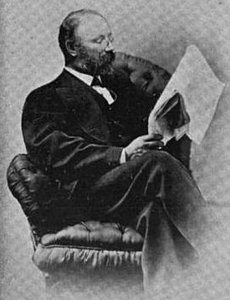
james wallace black
1825 - 1896 , Estados Unidos de América
Datos clave
- Artistic Movement Or Style: Fotografía temprana
- Artists Or Movements Influenced By This Artist: ['Romanticismo']
- Artists Who Influenced This Artist: ['John Adams Whipple']
- Date Of Birth: 10 de febrero de 1825
- Date Of Death: 5 de enero de 1896
- Full Name: James Wallace Black
- Nationality: Americano
- Notable Artworks:
- Boston, como lo ven el águila y la gansa
- Retrato de John Brown
- Retrato de Walt Whitman
- Place Of Birth: Francestown, Estados Unidos

