

 Ver en contexto
 Enviar
 Compartir
 Detalles

 Descargar
 Similares
 Radiografía
 Presentación de diapositivas
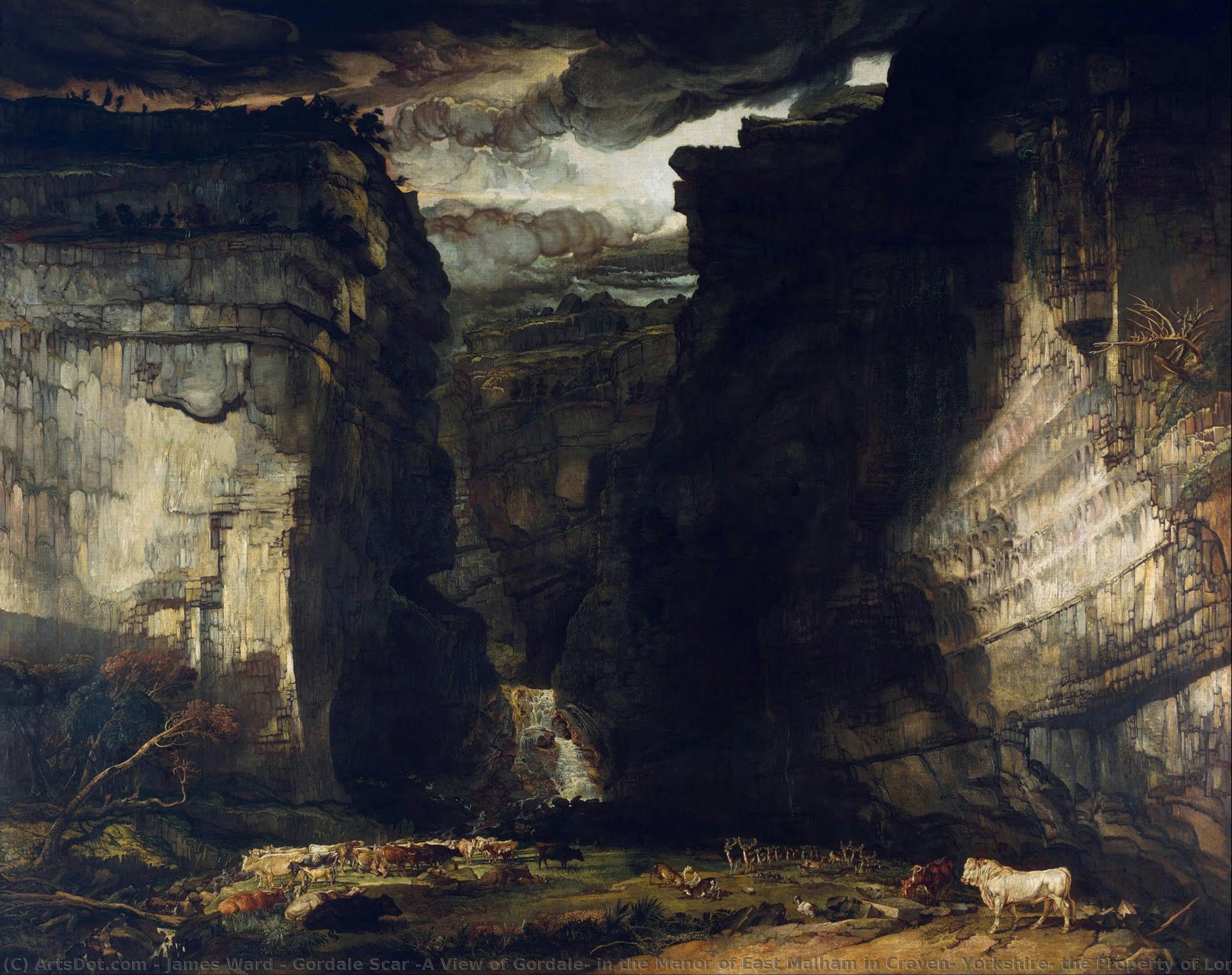
Gordale Scar (A View of Gordale, in the Manor of East Malham in Craven, Yorkshire, the Property of Lord Ribblesdale)
 Oil On Canvas
- WallArt
- Romantic Landscape
 1812
1812- 19th Century
 421.0 x 332.0 cm
 Tate Britain
 Ver más
Adquiera una imagen digital de alta resolución y optimizada, muy superior a la vista previa en línea.
Cada archivo es preparado meticulosamente por nuestros especialistas internos mediante el uso de herramientas avanzadas y un experto retoque manual. Nos aseguramos de que cada imagen posea una claridad excepcional, una precisión cromática impecable y un detalle minucioso.
El archivo final se entrega por correo electrónico en un plazo de 72 horas, optimizado para su uso inmediato en entornos profesionales, editoriales y de impresión. Esta es la misma calidad en la que confían los estudios de diseño, las editoriales y las galerías de primer nivel.
Imagen Digital
Descarga un archivo de alta resolución para exhibición personal, impresión y proyectos creativos. ( Comprar impresión Comprar pintura hecha a mano)
Incluido en cada pedido de imágenes digitales
Entrega digital experta, garantizada.
Al elegir ArtsDot.com, no solo está adquiriendo una imagen; está recibiendo una obra de arte digital mejorada profesionalmente, elaborada con precisión y respaldada por una garantía de satisfacción. Esto es todo lo que incluye su pedido, automáticamente:

Entrega rápida por email
Recibirá su archivo de imagen digital en alta resolución por correo electrónico en un plazo de 72 horas tras realizar su pedido, listo para su uso inmediato.

Archivo digital optimizado por IA
Su obra de arte se optimiza profesionalmente mediante herramientas avanzadas de IA y edición manual, garantizando el máximo detalle, claridad y precisión cromática.

Reenvío gratuito de por vida
¿Has borrado o perdido tu archivo por error? No te preocupes: te lo volveremos a enviar en cualquier momento, sin coste adicional.

Sin gastos de importación, siempre
Disfrute de su obra de arte al instante sin aduanas, aranceles ni gastos de envío; las descargas digitales siempre están libres de impuestos.

Garantía de fidelidad de color
Garantizamos que su imagen digital refleje los colores originales con la mayor fidelidad posible, mediante el uso de herramientas profesionales y gestión del color.

Garantía de satisfacción de 60 días
Si no está satisfecho con su imagen digital, la revisaremos o le reembolsaremos el 100% en un plazo de 60 días, sin preguntas.

100% Garantía de devolución de dinero
¿No está satisfecho? Obtenga un reembolso completo dentro de los 60 días posteriores a la recepción de su archivo digital, sin necesidad de explicaciones.

Descuentos por pedidos grandes
Compra 3 imágenes, ahorra 10% - Compra 5, ahorra 15% - Compra 10+, ahorra 20%. Ideal para proyectos creativos, galerías y agencias.
A Monumental Vision of the Yorkshire Wilderness
In the vast, sweeping expanse of James Ward’s 1812 masterpiece, Gordale Scar, the viewer is transported to a primordial era of the British landscape. This monumental canvas, measuring an awe-inspiring 421 x 332 cm, does far more than merely document a geological landmark in Craven, Yorkshire; it orchestrates a dramatic encounter between the eternal strength of nature and the fragile vitality of life. As one gazes upon the limestone cliffs of East Malham, there is an immediate sense of being humbled by scale. Ward, working during the twilight years of the Napoleonic Wars, utilized a subtle manipulation of perspective to exaggerate the verticality of the cliffs, creating a sense of soaring height that feels almost supernatural. The rugged, stony textures of the mountains dominate the background, their craggy faces serving as silent sentinels over a landscape that feels both ancient and unyielding.
The composition is masterfully balanced, blending the monumental with the intimate. While the towering stone walls command the eye, Ward draws the soul into the foreground through the presence of living creatures. A herd of sheep grazes peacefully across the verdant, undulating hillsides, their scattered forms providing a sense of rhythm and movement against the static grandeur of the rock. Most striking, however, is the inclusion of cattle and deer, specifically a white bull from the legendary Chillingham herd. This figure acts as a symbolic guardian at the cleft of Gordale Beck, imbuing the scene with a sense of watchful protection. For the collector or interior designer, this interplay between the massive geological formations and the delicate life inhabiting them offers a profound emotional depth, making the piece a captivating focal point for any grand space.
Technique, Symbolism, and the Romantic Spirit
James Ward’s technical prowess is on full display through his ability to render diverse textures—from the cold, hard surfaces of the limestone to the soft, organic fleece of the grazing sheep. His brushwork captures the atmospheric light that filters through the Yorkshire valleys, creating a chiaroscuro effect that lends the painting its romantic, almost mythic quality. The artist’s approach during this period moved away from the simple genre scenes of his youth toward a more profound, landscape-driven narrative. By emphasizing the "unchanging" nature of the English countryside during a time of great geopolitical upheaval, Ward created a visual manifesto of national stability and natural permanence.
Beyond its aesthetic beauty, Gordale Scar carries a heavy symbolic weight. The painting serves as an allegory for a nation defended by its very landscape; the cliffs are not merely rocks, but fortifications of the British spirit. For those seeking to adorn a home or gallery with a reproduction of this caliber, the artwork offers more than decoration. It provides a window into the Romantic era’s obsession with the Sublime—the simultaneous feeling of awe and terror inspired by the greatness of nature. Whether placed in a sophisticated study or a large-scale living area, this reproduction brings with it an air of historical prestige and a serene, pastoral majesty that invites endless contemplation.
Obras relacionadas
Biografía del artista
James Ward: Una Vida en el Arte Británico
James Ward (1769-1859) fue un prominente pintor británico reconocido por sus cautivadoras pinturas de animales, paisajes románticos e introspectivos retratos. Aunque a menudo eclipsado por sus contemporáneos, su estilo y habilidad únicos impactaron significativamente el desarrollo del arte británico durante el siglo XIX.
Primeros Años y Formación
Nacido el 23 de octubre de 1769 en Londres, Reino Unido, James Ward era el hermano menor del grabador William Ward. Sus primeras inclinaciones artísticas fueron fomentadas dentro de un entorno familiar creativo. Si bien recibió algo de formación formal, su desarrollo fue en gran medida autodirigido e influenciado fuertemente por la observación y la práctica.
Desarrollo Artístico & Influencias
La carrera de Ward se divide convencionalmente en dos períodos distintos con respecto a la influencia. Inicialmente, hasta alrededor de 1803, su obra guardaba un fuerte parecido al de su cuñado, George Morland, caracterizada por escenas de género y un enfoque en la vida cotidiana. Tras este período, se inspiró profundamente en el maestro barroco Peter Paul Rubens, adoptando una composición más dinámica, una rica paleta de colores y un uso dramático de la luz y la sombra.
Obras Notables & Estilo Artístico
El estilo singular de Ward lo distinguió de muchos contemporáneos. Se destacó en varios géneros, incluyendo pintura histórica, retrato, paisaje y arte animal. Algunas de sus obras más celebradas incluyen:
- Gordale Scar (1814/15): Considerada su obra maestra, esta dramática representación de una garganta del Yorkshire ejemplifica las cualidades sublimes del Romanticismo inglés.
- The Deer Stealer (1823): Encargado por Theophilus Levett, este cuadro muestra la habilidad de Ward en la narrativa y la representación animal.
- John Levett Hunting at Wychnor, Staffordshire (1817): Un retrato de uno de sus mecenas, que demuestra su capacidad para capturar tanto el parecido como la atmósfera.
Sus pinturas se caracterizan por una meticulosa atención al detalle, particularmente en la representación de animales, combinada con una sensibilidad romántica que enfatiza la belleza y el poder de la naturaleza.
Comisiones & Exposiciones
Ward disfrutó del patrocinio de figuras prominentes como Theophilus Levett, lo que llevó a numerosas comisiones. Exhibió regularmente su obra en la Royal Academy, obteniendo reconocimiento por su habilidad y originalidad. Su admisión como miembro en 1811 consolidó su posición dentro del establecimiento artístico británico.
Últimos Años & Legado
Ward continuó pintando prolíficamente hasta que un derrame cerebral en 1855 truncó su carrera. Falleció el 17 de noviembre de 1859, en relativa pobreza a pesar de su éxito anterior.
A pesar de enfrentar dificultades financieras más adelante en la vida, la influencia de James Ward en el arte británico sigue siendo innegable. Su mezcla única de realismo y romanticismo allanó el camino para futuras generaciones de pintores de animales y artistas paisajistas. Sus obras ahora se conservan en prestigiosas colecciones como Tate Britain y el Yale Center for British Art.
Significado Histórico
James Ward ocupa una posición significativa dentro de la transición de la era Neoclásica a la Romántica en el arte británico. Cerró la brecha entre la pintura de género tradicional y el creciente interés por el paisaje y el naturalismo, dejando atrás un legado de obras cautivadoras que continúan inspirando y deleitando.
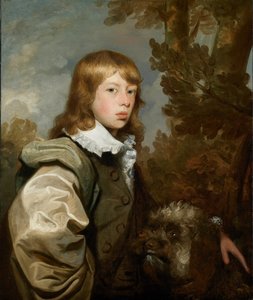
James Ward
1769 - 1859 , Reino Unido
Breves datos
- Artistic Movement Or Style: Romanticismo
- Artists Or Movements Influenced By This Artist:
- James Cook University Hospital
- La Fundación James H.W. Thompson
- Artists Who Influenced This Artist:
- George Morland
- Rubens
- Date Of Birth: 23 octubre 1769
- Date Of Death: 17 noviembre 1859
- Full Name: James Ward
- Nationality: Británico
- Notable Artworks:
- Gordale Scar
- El Venado Cazado
- Place Of Birth: Londres, Reino Unido

