 Ver en contexto
 Enviar
 Compartir
 Detalles

 Descargar
 Similares
 Radiografía
 Presentación de diapositivas
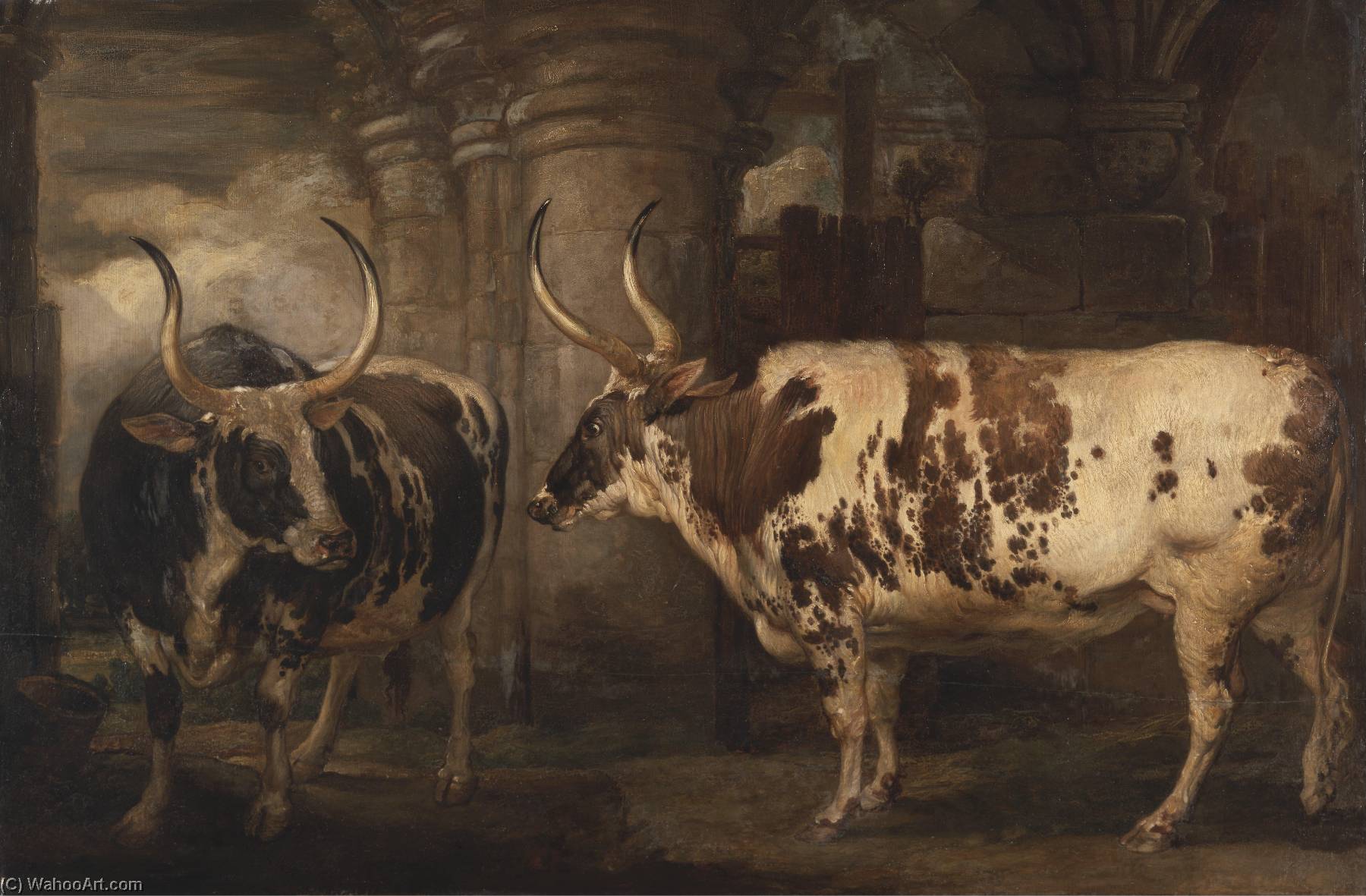
Portraits of two extraordinary oxen, the property of the Earl of Powis
 Oil On Canvas
- WallArt
- Romanticism
 1814
1814 90.0 x 135.0 cm
 Yale Center for British Art
 Ver más
Giclée / Impresión de arte
Impresiones giclée o en lienzo de calidad de museo con producción rápida y opciones de acabado flexibles. ( Comprar pintura hecha a mano Comprar imagen)




P118B $10

P118H $10

P118W $10

P438Z $10

P508JH $12

P508YH $12

P805H $10

P805Z $10

P919BZ $10

P919G $10

P919XJ $10

P959ZH $10

P968JZ $12

W106C $8

W218G $10

W218JH $8

W218Y $10

W307PJ $10

W316G $10

W316PJ $8

W316Y $10

W398PJ $8

W4111J $10

W500HY $15

W500JH $15

W692G $12

W849H $8

W940BG $15

W953PJ $8




Elija entre nuestros tamaños predefinidos que respetan las proporciones originales de la obra.

Puede introducir sus propias dimensiones para adaptarse a un marco o espacio específico. Si el tamaño seleccionado no coincide con las proporciones de la imagen original, recortaremos la obra de arte o extenderemos la imagen con un borde con efecto espejo o de color sólido. Se enviará una maqueta digital para su aprobación antes de que comience la producción.
Tenga en cuenta que la vista previa en pantalla no refleja el recorte o la extensión real. Solo la maqueta mostrará con precisión la composición final.
Aunque existen tamaños personalizados, recomendamos seleccionar una dimensión de la lista predefinida para preservar las proporciones originales.
Envío a todo el mundo () en 2 semanas en lugar de las 4/5 semanas estándar. (29 agosto)

Envío exprés gratuito a todo el mundo

Lienzo de lino de alta calidad

Seguro de envío total

Garantía de reembolso de impuestos aduaneros

Garantía de fidelidad cromática exacta

Política de devolución de 60 días (solo por defectos)

Garantía de devolución del 100% del dinero

Descuento por cantidad
 La opción de vidrio solo está disponible en tamaños inferiores a 110 cm.

Portraits of two extraordinary oxen, the property of the Earl of Powis
Giclée / Impresión de arte
Dimensiones de la reproducción
-


Precio total final
$ 62
A Monument to Rural Power: James Ward’s Oxen of Powis
James Ward's *Portraits of two extraordinary oxen, the property of the Earl of Powis* (1814) is far more than a simple depiction of farm animals. It’s a powerfully realized statement on British rural life, wealth, and the burgeoning Romantic sensibility towards nature and the working class. Measuring 90 x 135 cm, this oil painting commands attention with its imposing scale and dramatic composition. Ward, already establishing himself as a leading animal painter, elevates these beasts to almost heroic status within their weathered stone enclosure – likely part of the Powis estate’s agricultural buildings. The scene is steeped in a somber atmosphere, achieved through masterful use of chiaroscuro; directional light dramatically sculpts the oxen's muscular forms while casting deep shadows that emphasize their weight and presence.Style & Technique: Realism Infused with Romantic Spirit
Ward’s style here is a compelling blend of realism and Romanticism. While meticulously rendering the anatomical details of the cattle – their coats, musculature, even the texture of their hides – he imbues them with an emotional weight that transcends mere documentation. The impasto technique, where paint is applied thickly to the canvas, is particularly striking. It adds a tangible physicality to the animals, making them feel almost present in the room. This textural richness extends to the stone architecture, conveying age and solidity. Lines are used effectively to define form, but it’s the interplay of light and shadow, and the organic shapes of the oxen contrasting with the angular stonework, that truly captivate the eye. Ward's earlier influences from his brother-in-law George Morland are visible in the attention to detail and naturalistic portrayal, yet he increasingly drew inspiration from Peter Paul Rubens, evident in the dynamic composition and robust rendering of the animals’ forms.Symbolism & Historical Context
In early 19th-century Britain, livestock held significant economic and symbolic value. The Earl of Powis was a prominent landowner, and these “extraordinary oxen” were likely prized possessions – symbols of his wealth, agricultural prowess, and social standing. The painting can be interpreted as a celebration of the bounty of nature, but also as a subtle commentary on the relationship between land ownership, labor, and prosperity. The choice to portray them in such a monumental fashion suggests a reverence for these animals that goes beyond their utilitarian purpose. It’s important to remember this work was created during a period of significant social change, with increasing industrialization juxtaposed against a romanticized view of rural life – a tension Ward skillfully captures.Emotional Resonance & Interior Design
*Portraits of two extraordinary oxen* evokes a sense of contemplation and quiet power. The muted color palette—earthy browns, grays, and ochres—contributes to the painting’s somber yet dignified mood. This artwork would be a stunning focal point in a variety of interior settings. Its scale makes it ideal for larger rooms, while its rich textures and dramatic lighting will add depth and character to any space. Consider pairing this piece with natural materials like wood and stone, or incorporating earthy tones into the surrounding décor to enhance its rustic charm. For collectors seeking a unique and historically significant work, or designers aiming to create an atmosphere of refined elegance, Ward’s oxen offer a compelling and enduring visual statement.Obras relacionadas

Biografía del artista
James Ward: Una Vida en el Arte Británico
James Ward (1769-1859) fue un prominente pintor británico reconocido por sus cautivadoras pinturas de animales, paisajes románticos e introspectivos retratos. Aunque a menudo eclipsado por sus contemporáneos, su estilo y habilidad únicos impactaron significativamente el desarrollo del arte británico durante el siglo XIX.
Primeros Años y Formación
Nacido el 23 de octubre de 1769 en Londres, Reino Unido, James Ward era el hermano menor del grabador William Ward. Sus primeras inclinaciones artísticas fueron fomentadas dentro de un entorno familiar creativo. Si bien recibió algo de formación formal, su desarrollo fue en gran medida autodirigido e influenciado fuertemente por la observación y la práctica.
Desarrollo Artístico & Influencias
La carrera de Ward se divide convencionalmente en dos períodos distintos con respecto a la influencia. Inicialmente, hasta alrededor de 1803, su obra guardaba un fuerte parecido al de su cuñado, George Morland, caracterizada por escenas de género y un enfoque en la vida cotidiana. Tras este período, se inspiró profundamente en el maestro barroco Peter Paul Rubens, adoptando una composición más dinámica, una rica paleta de colores y un uso dramático de la luz y la sombra.
Obras Notables & Estilo Artístico
El estilo singular de Ward lo distinguió de muchos contemporáneos. Se destacó en varios géneros, incluyendo pintura histórica, retrato, paisaje y arte animal. Algunas de sus obras más celebradas incluyen:
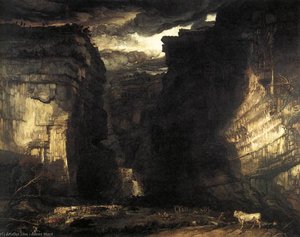
- Gordale Scar (1814/15): Considerada su obra maestra, esta dramática representación de una garganta del Yorkshire ejemplifica las cualidades sublimes del Romanticismo inglés.
- The Deer Stealer (1823): Encargado por Theophilus Levett, este cuadro muestra la habilidad de Ward en la narrativa y la representación animal.
- John Levett Hunting at Wychnor, Staffordshire (1817): Un retrato de uno de sus mecenas, que demuestra su capacidad para capturar tanto el parecido como la atmósfera.
Sus pinturas se caracterizan por una meticulosa atención al detalle, particularmente en la representación de animales, combinada con una sensibilidad romántica que enfatiza la belleza y el poder de la naturaleza.
Comisiones & Exposiciones
Ward disfrutó del patrocinio de figuras prominentes como Theophilus Levett, lo que llevó a numerosas comisiones. Exhibió regularmente su obra en la Royal Academy, obteniendo reconocimiento por su habilidad y originalidad. Su admisión como miembro en 1811 consolidó su posición dentro del establecimiento artístico británico.
Últimos Años & Legado
Ward continuó pintando prolíficamente hasta que un derrame cerebral en 1855 truncó su carrera. Falleció el 17 de noviembre de 1859, en relativa pobreza a pesar de su éxito anterior.
A pesar de enfrentar dificultades financieras más adelante en la vida, la influencia de James Ward en el arte británico sigue siendo innegable. Su mezcla única de realismo y romanticismo allanó el camino para futuras generaciones de pintores de animales y artistas paisajistas. Sus obras ahora se conservan en prestigiosas colecciones como Tate Britain y el Yale Center for British Art.
Significado Histórico
James Ward ocupa una posición significativa dentro de la transición de la era Neoclásica a la Romántica en el arte británico. Cerró la brecha entre la pintura de género tradicional y el creciente interés por el paisaje y el naturalismo, dejando atrás un legado de obras cautivadoras que continúan inspirando y deleitando.
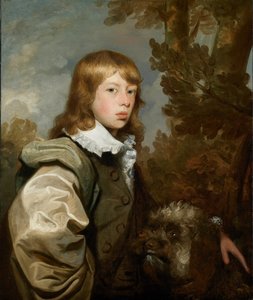
James Ward
1769 - 1859 , Reino Unido
Datos clave
- Artistic Movement Or Style: Romanticismo
- Artists Or Movements Influenced By This Artist:
- James Cook University Hospital
- La Fundación James H.W. Thompson
- Artists Who Influenced This Artist:
- George Morland
- Rubens
- Date Of Birth: 23 octubre 1769
- Date Of Death: 17 noviembre 1859
- Full Name: James Ward
- Nationality: Británico
- Notable Artworks:
- Gordale Scar
- El Venado Cazado
- Place Of Birth: Londres, Reino Unido
Artículos relacionados
James Ward: A Study in British Romantic Landscape and Animal Painting
Explore the captivating world of James Ward (1769-1859), a master of British Romantic landscape & animal painting. Discover his iconic 'Gordale Scar' and exquisite portraits – a timeless art investment. Learn about his influences, style, and enduring legacy.
Animalia: Explorando la Presencia Duradera de los Animales en el Arte y el Diseño de Interiores
Descubre la fascinante historia de los animales en el arte y cómo inspirar tu hogar con su simbolismo. Expertos en reproducciones y asesoramiento artístico.

Alfred Munnings: Las 25 Obras Maestras del Pintor de Caballos | ArtsDot
Descubre las 25 obras maestras de Alfred Munnings, el pintor británico de caballos por excelencia. Explora su impresionismo inglés, escenas campestres y técnica única. Encuentra reproducciones de arte de alta calidad en ArtsDot.com.
James Abbott McNeill Whistler: Las 25 Obras Maestras del Maestro del Arte y la Atmósfera | ArtsDot
Descubre las 25 obras maestras de James Abbott McNeill Whistler, el maestro del impresionismo y la armonía en arte. Explora retratos icónicos, nocturnos evocadores y su innovadora paleta de colores. Reproducciones de arte exclusivas en ArtsDot.com.

The Enduring Legacy of Oil on Canvas: Technique, History & Aesthetic Impact
Explore the rich history & techniques of oil painting – from Renaissance masters to Impressionism. Discover pigments, layering methods, and why this timeless medium endures. Expert insights for artists & art enthusiasts.