

 Ver en contexto
 Enviar
 Compartir
 Detalles

 Descargar
 Similares
 Radiografía
 Presentación de diapositivas
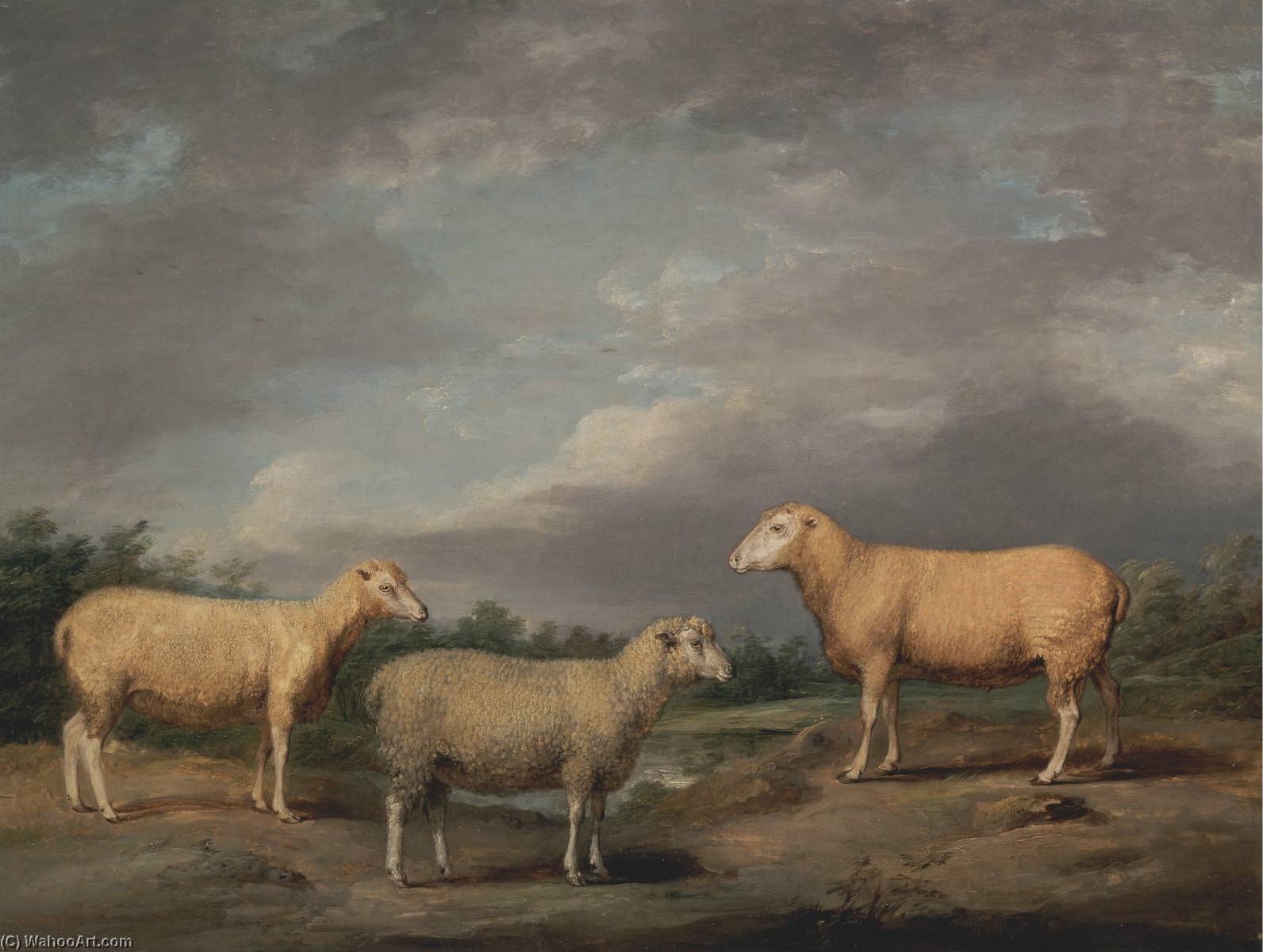
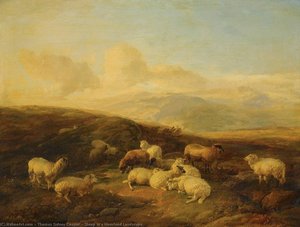
Ryelands Sheep, the King's Ram, the King's Ewe and Lord Somerville's Wether
 Oil On Panel
- Romantic Landscape
 1807
1807 45.0 x 62.0 cm
 Yale Center for British Art
 Ver más
Adquiera una imagen digital de alta resolución y optimizada, muy superior a la vista previa en línea.
Cada archivo es preparado meticulosamente por nuestros especialistas internos mediante el uso de herramientas avanzadas y un experto retoque manual. Nos aseguramos de que cada imagen posea una claridad excepcional, una precisión cromática impecable y un detalle minucioso.
El archivo final se entrega por correo electrónico en un plazo de 72 horas, optimizado para su uso inmediato en entornos profesionales, editoriales y de impresión. Esta es la misma calidad en la que confían los estudios de diseño, las editoriales y las galerías de primer nivel.
Imagen Digital
Descarga un archivo de alta resolución para exhibición personal, impresión y proyectos creativos. ( Comprar impresión Comprar pintura hecha a mano)
Incluido en cada pedido de imágenes digitales
Entrega digital experta, garantizada.
Al elegir ArtsDot.com, no solo está adquiriendo una imagen; está recibiendo una obra de arte digital mejorada profesionalmente, elaborada con precisión y respaldada por una garantía de satisfacción. Esto es todo lo que incluye su pedido, automáticamente:

Entrega rápida por email
Recibirá su archivo de imagen digital en alta resolución por correo electrónico en un plazo de 72 horas tras realizar su pedido, listo para su uso inmediato.

Archivo digital optimizado por IA
Su obra de arte se optimiza profesionalmente mediante herramientas avanzadas de IA y edición manual, garantizando el máximo detalle, claridad y precisión cromática.

Reenvío gratuito de por vida
¿Has borrado o perdido tu archivo por error? No te preocupes: te lo volveremos a enviar en cualquier momento, sin coste adicional.

Sin gastos de importación, siempre
Disfrute de su obra de arte al instante sin aduanas, aranceles ni gastos de envío; las descargas digitales siempre están libres de impuestos.

Garantía de fidelidad de color
Garantizamos que su imagen digital refleje los colores originales con la mayor fidelidad posible, mediante el uso de herramientas profesionales y gestión del color.

Garantía de satisfacción de 60 días
Si no está satisfecho con su imagen digital, la revisaremos o le reembolsaremos el 100% en un plazo de 60 días, sin preguntas.

100% Garantía de devolución de dinero
¿No está satisfecho? Obtenga un reembolso completo dentro de los 60 días posteriores a la recepción de su archivo digital, sin necesidad de explicaciones.

Descuentos por pedidos grandes
Compra 3 imágenes, ahorra 10% - Compra 5, ahorra 15% - Compra 10+, ahorra 20%. Ideal para proyectos creativos, galerías y agencias.
Descripción del coleccionable
James Ward’s Ryelands Sheep: A Study in Romantic Landscape
James Ward (1769–1859) stands as a pivotal figure in British Romantic painting, recognized for his masterful depictions of animals within expansive landscapes—a genre that captured the spirit of the era and cemented his legacy as one of Britain's foremost artists. While often overshadowed by more celebrated contemporaries like Turner and Constable, Ward’s singular vision and meticulous skill profoundly influenced subsequent generations of painters and continue to resonate with audiences today. This artwork, “Ryelands Sheep, the King’s Ram, the King’s Ewe and Lord Somerville’s Wether,” exemplifies his distinctive approach—a harmonious blend of observation, emotion, and artistic virtuosity that elevates a seemingly simple pastoral scene into a powerful statement about nature's grandeur and humanity's place within it.A Vision of Sublime Beauty
Painted in 1807, “Ryelands Sheep” embodies the core tenets of Romanticism—a reaction against Enlightenment rationalism and an embrace of subjective experience. Ward’s artistic sensibilities were deeply attuned to the burgeoning fascination with the sublime—the awe-inspiring power of nature that simultaneously inspires terror and delight. Unlike earlier landscape paintings focused on idealized representations, Ward sought to convey not merely what he saw but how he *felt*. The cloudy sky dominating the background isn't just a backdrop; it’s an active participant in the scene, contributing to the overall atmosphere of melancholy contemplation—a characteristic mood prevalent throughout Romantic art.Technique and Composition: Detail Matters
Ward employed oil paint on panel, utilizing a technique characterized by layering and blending to achieve remarkable tonal gradations and textural nuances. The artist meticulously rendered each sheep with painstaking accuracy, capturing subtle variations in wool texture and musculature—demonstrating an unwavering commitment to realism. However, Ward’s skill extended beyond mere imitation; he skillfully manipulated light and shadow to sculpt the forms of the animals and trees alike, creating a sense of depth and volume that draws the viewer into the landscape. The composition itself is carefully balanced, guiding the eye across the canvas and emphasizing the central figures—the sheep—within their natural environment.Symbolism Within Pastoral Tranquility
Beyond its aesthetic qualities, “Ryelands Sheep” carries symbolic weight reflecting Romantic ideals of pastoral innocence and communion with nature. Sheep represent humility, simplicity, and fecundity—themes frequently explored by Romantic poets and artists as a counterpoint to the anxieties of industrialization and urban life. The inclusion of Lord Somerville’s wether—a male sheep—adds another layer of complexity, hinting at notions of nobility and leadership within the natural order. Ward's deliberate choice of subject matter underscores the Romantic belief that art could inspire moral contemplation and elevate the human spirit through engagement with the sublime beauty of the wilderness.Legacy and Influence
James Ward’s influence extended far beyond his own lifetime, shaping the artistic sensibilities of subsequent generations. His meticulous observation of nature combined with expressive brushwork established a precedent for landscape painting that continues to inform contemporary practice. “Ryelands Sheep,” alongside other works by Ward—particularly Gordale Scar—remains a testament to the enduring power of Romantic art and its ability to capture both the grandeur of the natural world and the profound emotions experienced by those who contemplate it. It serves as an invaluable example of how artistic skill can transform a commonplace subject into a deeply evocative symbol of human experience.Obras relacionadas
Biografía del artista
James Ward: Una Vida en el Arte Británico
James Ward (1769-1859) fue un prominente pintor británico reconocido por sus cautivadoras pinturas de animales, paisajes románticos e introspectivos retratos. Aunque a menudo eclipsado por sus contemporáneos, su estilo y habilidad únicos impactaron significativamente el desarrollo del arte británico durante el siglo XIX.
Primeros Años y Formación
Nacido el 23 de octubre de 1769 en Londres, Reino Unido, James Ward era el hermano menor del grabador William Ward. Sus primeras inclinaciones artísticas fueron fomentadas dentro de un entorno familiar creativo. Si bien recibió algo de formación formal, su desarrollo fue en gran medida autodirigido e influenciado fuertemente por la observación y la práctica.
Desarrollo Artístico & Influencias
La carrera de Ward se divide convencionalmente en dos períodos distintos con respecto a la influencia. Inicialmente, hasta alrededor de 1803, su obra guardaba un fuerte parecido al de su cuñado, George Morland, caracterizada por escenas de género y un enfoque en la vida cotidiana. Tras este período, se inspiró profundamente en el maestro barroco Peter Paul Rubens, adoptando una composición más dinámica, una rica paleta de colores y un uso dramático de la luz y la sombra.
Obras Notables & Estilo Artístico
El estilo singular de Ward lo distinguió de muchos contemporáneos. Se destacó en varios géneros, incluyendo pintura histórica, retrato, paisaje y arte animal. Algunas de sus obras más celebradas incluyen:
- Gordale Scar (1814/15): Considerada su obra maestra, esta dramática representación de una garganta del Yorkshire ejemplifica las cualidades sublimes del Romanticismo inglés.
- The Deer Stealer (1823): Encargado por Theophilus Levett, este cuadro muestra la habilidad de Ward en la narrativa y la representación animal.
- John Levett Hunting at Wychnor, Staffordshire (1817): Un retrato de uno de sus mecenas, que demuestra su capacidad para capturar tanto el parecido como la atmósfera.
Sus pinturas se caracterizan por una meticulosa atención al detalle, particularmente en la representación de animales, combinada con una sensibilidad romántica que enfatiza la belleza y el poder de la naturaleza.
Comisiones & Exposiciones
Ward disfrutó del patrocinio de figuras prominentes como Theophilus Levett, lo que llevó a numerosas comisiones. Exhibió regularmente su obra en la Royal Academy, obteniendo reconocimiento por su habilidad y originalidad. Su admisión como miembro en 1811 consolidó su posición dentro del establecimiento artístico británico.
Últimos Años & Legado
Ward continuó pintando prolíficamente hasta que un derrame cerebral en 1855 truncó su carrera. Falleció el 17 de noviembre de 1859, en relativa pobreza a pesar de su éxito anterior.
A pesar de enfrentar dificultades financieras más adelante en la vida, la influencia de James Ward en el arte británico sigue siendo innegable. Su mezcla única de realismo y romanticismo allanó el camino para futuras generaciones de pintores de animales y artistas paisajistas. Sus obras ahora se conservan en prestigiosas colecciones como Tate Britain y el Yale Center for British Art.
Significado Histórico
James Ward ocupa una posición significativa dentro de la transición de la era Neoclásica a la Romántica en el arte británico. Cerró la brecha entre la pintura de género tradicional y el creciente interés por el paisaje y el naturalismo, dejando atrás un legado de obras cautivadoras que continúan inspirando y deleitando.
James Ward
1769 - 1859 , Reino Unido
Breves datos
- Artistic Movement Or Style: Romanticismo
- Artists Or Movements Influenced By This Artist:
- James Cook University Hospital
- La Fundación James H.W. Thompson
- Artists Who Influenced This Artist:
- George Morland
- Rubens
- Date Of Birth: 23 octubre 1769
- Date Of Death: 17 noviembre 1859
- Full Name: James Ward
- Nationality: Británico
- Notable Artworks:
- Gordale Scar
- El Venado Cazado
- Place Of Birth: Londres, Reino Unido

