 Ver en contexto
 Enviar
 Compartir
 Detalles

 Descargar
 Similares
 Radiografía
 Presentación de diapositivas
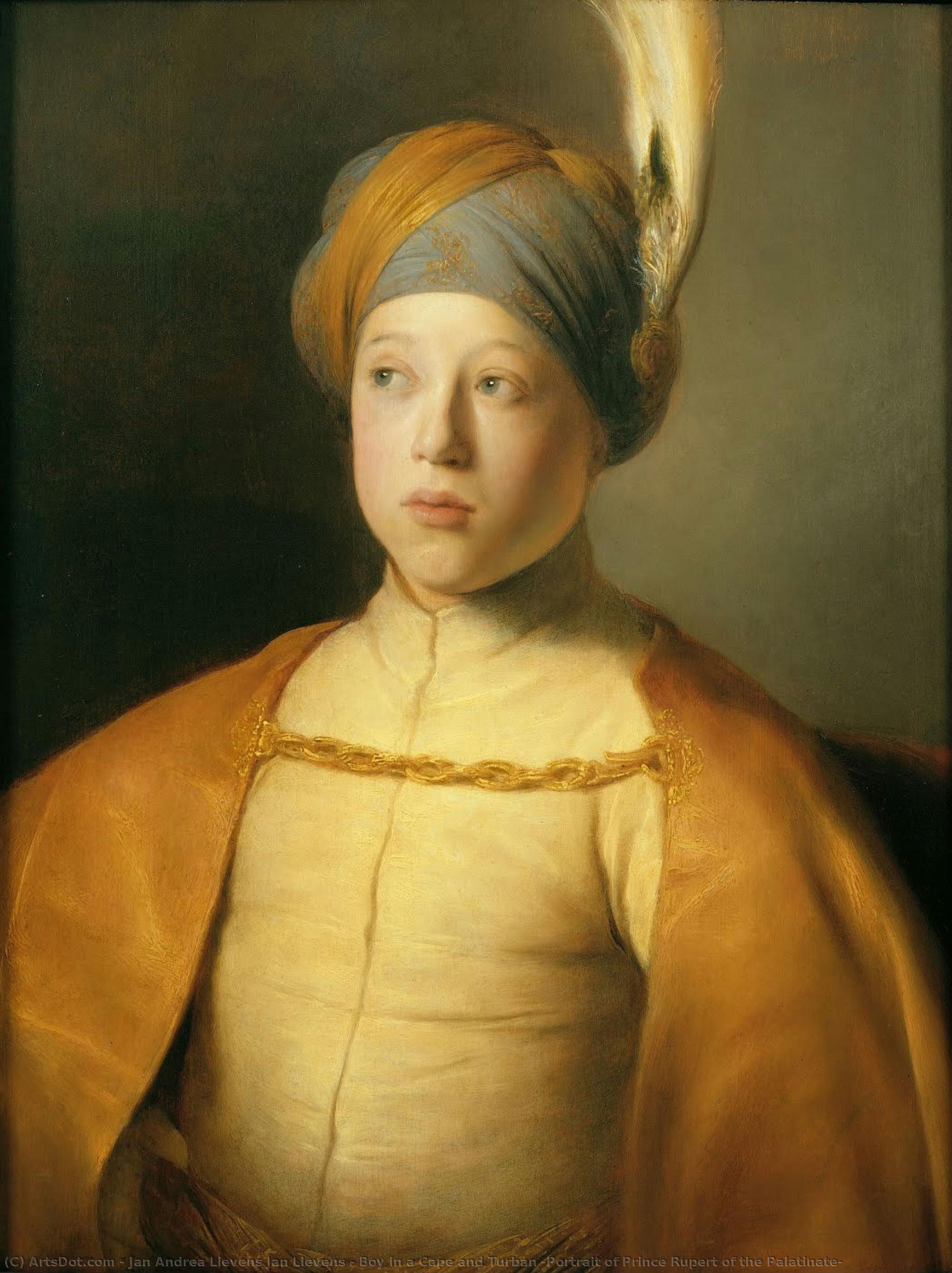
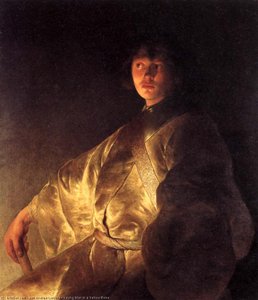
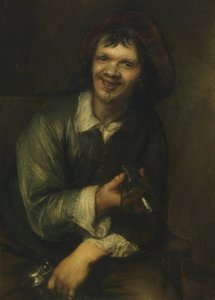
Boy in a Cape and Turban (Portrait of Prince Rupert of the Palatinate)
 Oil On Panel
- Baroque Portraiture
 1631
1631- Renaissance
 66.0 x 51.0 cm
 La Colección Leiden
 Ver más
Reproducción al óleo hecha a mano
Óleo sobre lienzo pintado a mano en el tamaño y marco de su elección, realizado por encargo por nuestros artistas. ( Comprar impresión Comprar imagen)




P118B $10

P118H $10

P118W $10

P438Z $10

P508JH $12

P508YH $12

P805H $10

P805Z $10

P919BZ $10

P919G $10

P919XJ $10

P959ZH $10

P968JZ $12

W106C $8

W218G $10

W218JH $8

W218Y $10

W307PJ $10

W316G $10

W316PJ $8

W316Y $10

W398PJ $8

W4111J $10

W500HY $15

W500JH $15

W692G $12

W849H $8

W940BG $15

W953PJ $8




Elija entre nuestros tamaños predefinidos que respetan las proporciones originales de la obra.

Puede ingresar sus propias dimensiones para adaptarse a un marco o espacio específico. Si el tamaño seleccionado no coincide con las proporciones de la imagen original, recortaremos la obra o extenderemos la pintura con elementos adicionales pintados a mano. Se le enviará una maqueta digital para su aprobación antes de comenzar la producción.
Tenga en cuenta que la vista previa en pantalla no refleja el recorte o la extensión reales. Solo la maqueta mostrará con precisión la composición final.
Si bien existen tamaños personalizados, recomendamos seleccionar una dimensión de la lista predefinida para preservar las proporciones originales.
Tras realizar el pedido, el equipo de ArtsDot.com enviará un correo electrónico al cliente para solicitar instrucciones y proporcionarle una vista previa del boceto.
Envío a todo el mundo () en 3-4 semanas en lugar de las 5 semanas estándar. (31 agosto). Sin comprometer la calidad.

Envío exprés gratuito a todo el mundo

Lienzo de lino de alta calidad

Seguro de envío total

Garantía de reembolso de impuestos aduaneros

Garantía de fidelidad cromática exacta

Política de devolución de 60 días (solo por defectos)

Garantía de devolución del 100% del dinero

Descuento por cantidad
 La opción de vidrio solo está disponible en tamaños inferiores a 110 cm.

Boy in a Cape and Turban (Portrait of Prince Rupert of the Palatinate)
Técnica de reproducción
Dimensiones de la reproducción
-


Precio total final
$ 263
A Portrait of Ambition: Jan Andrea Lievens’ ‘Boy in a Cape and Turban’
Jan Andrea Lievens' “Boy in a Cape and Turban (Portrait of Prince Rupert of the Palatinate)” is more than just a depiction of a young man; it’s a carefully constructed window into the ambitions and anxieties of 17th-century Europe. Painted in 1631, this intimate oil on panel – measuring a modest 66 x 51 cm – reveals the burgeoning talent of a young Dutch artist poised at the cusp of recognition. The subject, identified as Prince Rupert of the Palatinate, isn’t merely presented; he's imbued with an air of calculated seriousness, his gaze fixed directly on the viewer, demanding attention and subtly projecting power.
- The Artist: Jan Andrea Lievens (1607-1674) was a key figure in the Dutch Golden Age, operating within a milieu increasingly influenced by Rembrandt van Rijn. His early training under Joris Verschoten and Pieter Lastman provided him with a solid foundation, while his collaboration with Rembrandt itself – spanning from 1626 to 1631 – undoubtedly shaped his artistic sensibilities.
- A Royal Commission: The portrait’s subject, Prince Rupert, was a prominent military figure and advisor to Maurice of Nassau, the Stadtholder of Holland and Zeeland. Such commissions were highly prestigious, reflecting not only the sitter's status but also the patron’s wealth and influence.
Style and Technique: A Blend of Realism and Baroque Influence
Lievens employs a style that skillfully balances realism with the burgeoning stylistic trends of the Baroque period. The rendering of Prince Rupert’s features – his strong jawline, thoughtful brow, and direct gaze – demonstrates meticulous observation and a desire to capture not just likeness but also character. The use of light and shadow is particularly noteworthy, creating a sense of depth and volume that elevates the portrait beyond a simple representation. Notice the subtle modeling of the fabric of his robe, achieved through careful layering of brushstrokes, contributing to the painting’s tactile quality.
The composition itself adheres to the conventions of portraiture prevalent at the time – a three-quarter pose, allowing for detailed observation of the subject's face and upper body. However, Lievens subtly introduces elements that hint at the Baroque fascination with drama and emotion, particularly through the intensity of Prince Rupert’s expression.
Symbolism and Context: Power, Identity, and the Dutch Golden Age
The turban worn by Prince Rupert is a significant detail, laden with symbolic meaning. In the 17th century, turbans were associated with military prowess, exotic lands, and – crucially – with the Ottoman Empire, representing both admiration and potential threat. This deliberate inclusion underscores Prince Rupert’s role as a military leader and his engagement in international affairs. The yellow robe further emphasizes his status and wealth.
Painted during the Dutch Golden Age, this portrait reflects the era's fascination with portraiture as a means of asserting identity and social standing. It is a testament to the burgeoning merchant class’s desire for recognition and a reflection of the Netherlands’ position as a major European power – a nation engaged in trade, exploration, and military endeavors.
Emotional Impact and Legacy
"Boy in a Cape and Turban" transcends its historical context to offer a compelling study of human character. Prince Rupert's serious expression invites contemplation, prompting us to consider the burdens of leadership and the complexities of ambition. Lievens’ masterful technique ensures that this portrait remains a captivating work of art, offering a tangible connection to a pivotal moment in Dutch history and the artistic brilliance of its time. Its current location within The Leiden Collection underscores its enduring value as a significant example of 17th-century portraiture.
Obras relacionadas

Biografía del artista
una vida de brillantez artística
jan andrea lievens jan lievens, pintor holandés de los Países Bajos, vivió entre 1607 y 1674. Su obra suele asociarse con la de Rembrandt, ya que ambos artistas trabajaron con estilos similares durante la Edad Dorada holandesa.primeros años y formación
nacido el 24 de octubre de 1607, Jan era hijo de lieven hendriksze, un trabajador de tapices. Según relata arnold houbraken, Jan comenzó su formación artística bajo la tutela de joris verschoten. Alrededor de los 10 años, fue enviado a Ámsterdam para realizar un aprendizaje de dos años con pieter lastman.ascenso a la fama
El prodigioso talento de Jan lo llevó a convertirse en un artista independiente a la temprana edad de 12 años en Leiden. Su copia de demócrito y heráclito de cornelis van haarlem, junto con un retrato de su madre, machtelt jans van noortzant, captaron la atención de mauricio de naranja, príncipe de naranja. Este reconocimiento culminó con la invitación de Jan a la corte británica a los 31 años.colaboraciones e influencias
Entre 1626 y 1631, Jan colaboró con rembrandt van rijn, produciendo más de dos docenas de pinturas, dibujos y grabados. Esta colaboración, marcada por la competencia, ha generado dificultades para atribuir algunas obras de este periodo. Las composiciones dramáticas de Jan reflejan la influencia de los caravaggistas, mientras que su destreza para pintar a escala natural es evidente en su maestría.obras notables y legado
Algunas de las obras más destacadas de Jan incluyen:- cabeza de un anciano (museo de arte de nueva orleans, óleo sobre lienzo)
- hombre con barba y boina (óleo sobre tabla, 54 x 46 cm)
- joven con capa y turbante (retrato del príncipe ruperto del palatinado) (the leiden collection, nueva york, óleo sobre tabla)
lecturas adicionales
Para obtener más información sobre jan andrea lievens jan lievens y su obra, visite:- jan andrea lievens jan lievens en ArtsDot
- la colección kremer (la haia, Países Bajos) - una guía completa en ArtsDot
- jan lievens en wikipedia
- descubra el genio artístico de jan andrea lievens jan lievens a través de sus cautivadoras obras y colaboraciones con otros maestros holandeses.
Jan Lievens
1607 - 1674 , Países Bajos
Datos clave
- Artistic Movement Or Style: Dutch Golden Age
- Artists Or Movements Influenced By This Artist: ['Rembrandt']
- Artists Who Influenced This Artist:
- Pieter Lastman
- Peter Paul Rubens
- Date Of Birth: October 24, 1607
- Date Of Death: June 4, 1674
- Full Name: Jan Lievens
- Nationality: Dutch
- Notable Artworks:
- Head of an Old Man
- Portrait of Constantin Huygens
- Young Man Wearing a Beret
- Place Of Birth: Leiden, Netherlands
Artículos relacionados

Los 10 Maestros del Siglo de Oro Holandés: Arte, Historia y Decoración Exclusiva
Descubre los 10 imprescindibles del Siglo de Oro Holandés: Rembrandt, Vermeer y más. Explora la historia, técnica y belleza de estos lienzos clásicos. Encuentra reproducciones de arte exclusivas para decorar tu hogar en .

Reflejos de una Época Dorada: La Pintura Barroca Holandesa y la Innovación Cultural
Descubra la riqueza y el detalle de la pintura barroca holandesa del Siglo de Oro. Explore las obras maestras de Rembrandt, Vermeer y otros artistas clave. Análisis experto e historia cultural.

La Luz y la República: Innovación Artística en el Siglo de Oro Neerlandés
Descubra la innovación artística del Siglo de Oro Neerlandés. Explore las obras maestras de Rembrandt y Vermeer, técnicas revolucionarias y el legado perdurable de este florecimiento cultural. ¡Sumérjase en la luz y la belleza!
Golden Light & Dutch Skies: Bringing the Magic of Dutch Golden Age Landscapes into Your Home
Transform your home with the breathtaking light of Dutch Golden Age landscapes. Discover how hand-painted oil reproductions of masterworks like Ruisdael and Vermeer bring timeless elegance, atmosphere, and soulful texture to modern interiors. Elevate your space with museum-quality art.
Illuminating Realism: Exploring the Dutch Golden Age of Painting (1600-1700)
Explore the Dutch Golden Age of painting (1600-1700) with ArtsDot. Discover Rembrandt, Vermeer & other masters. Learn about techniques, history & find museum-quality reproductions.