 Ver en contexto
 Enviar
 Compartir
 Detalles

 Descargar
 Similares
 Radiografía
 Presentación de diapositivas
The Lamentation of Christ
 Oil On Canvas
- WallArt
- Renaissance
 1640
1640 141.0 x 216.0 cm
 Pinacoteca Antigua de Múnich
 Ver más
Reproducción al óleo hecha a mano
Óleo sobre lienzo pintado a mano en el tamaño y marco de su elección, realizado por encargo por nuestros artistas. ( Comprar impresión Comprar imagen)




P118B $10

P118H $10

P118W $10

P438Z $10

P508JH $12

P508YH $12

P805H $10

P805Z $10

P919BZ $10

P919G $10

P919XJ $10

P959ZH $10

P968JZ $12

W106C $8

W218G $10

W218JH $8

W218Y $10

W307PJ $10

W316G $10

W316PJ $8

W316Y $10

W398PJ $8

W4111J $10

W500HY $15

W500JH $15

W692G $12

W849H $8

W940BG $15

W953PJ $8




Elija entre nuestros tamaños predefinidos que respetan las proporciones originales de la obra.

Puede ingresar sus propias dimensiones para adaptarse a un marco o espacio específico. Si el tamaño seleccionado no coincide con las proporciones de la imagen original, recortaremos la obra o extenderemos la pintura con elementos adicionales pintados a mano. Se le enviará una maqueta digital para su aprobación antes de comenzar la producción.
Tenga en cuenta que la vista previa en pantalla no refleja el recorte o la extensión reales. Solo la maqueta mostrará con precisión la composición final.
Si bien existen tamaños personalizados, recomendamos seleccionar una dimensión de la lista predefinida para preservar las proporciones originales.
Tras realizar el pedido, el equipo de ArtsDot.com enviará un correo electrónico al cliente para solicitar instrucciones y proporcionarle una vista previa del boceto.
Envío a todo el mundo () en 3-4 semanas en lugar de las 5 semanas estándar. (23 agosto). Sin comprometer la calidad.

Envío exprés gratuito a todo el mundo

Lienzo de lino de alta calidad

Seguro de envío total

Garantía de reembolso de impuestos aduaneros

Garantía de fidelidad cromática exacta

Política de devolución de 60 días (solo por defectos)

Garantía de devolución del 100% del dinero

Descuento por cantidad
 La opción de vidrio solo está disponible en tamaños inferiores a 110 cm.

The Lamentation of Christ
Técnica de reproducción
Dimensiones de la reproducción
-


Precio total final
$ 263
Descripción de la obra
A Moment Frozen in Time: The Lamentation of Christ by Jan Andrea Lievens
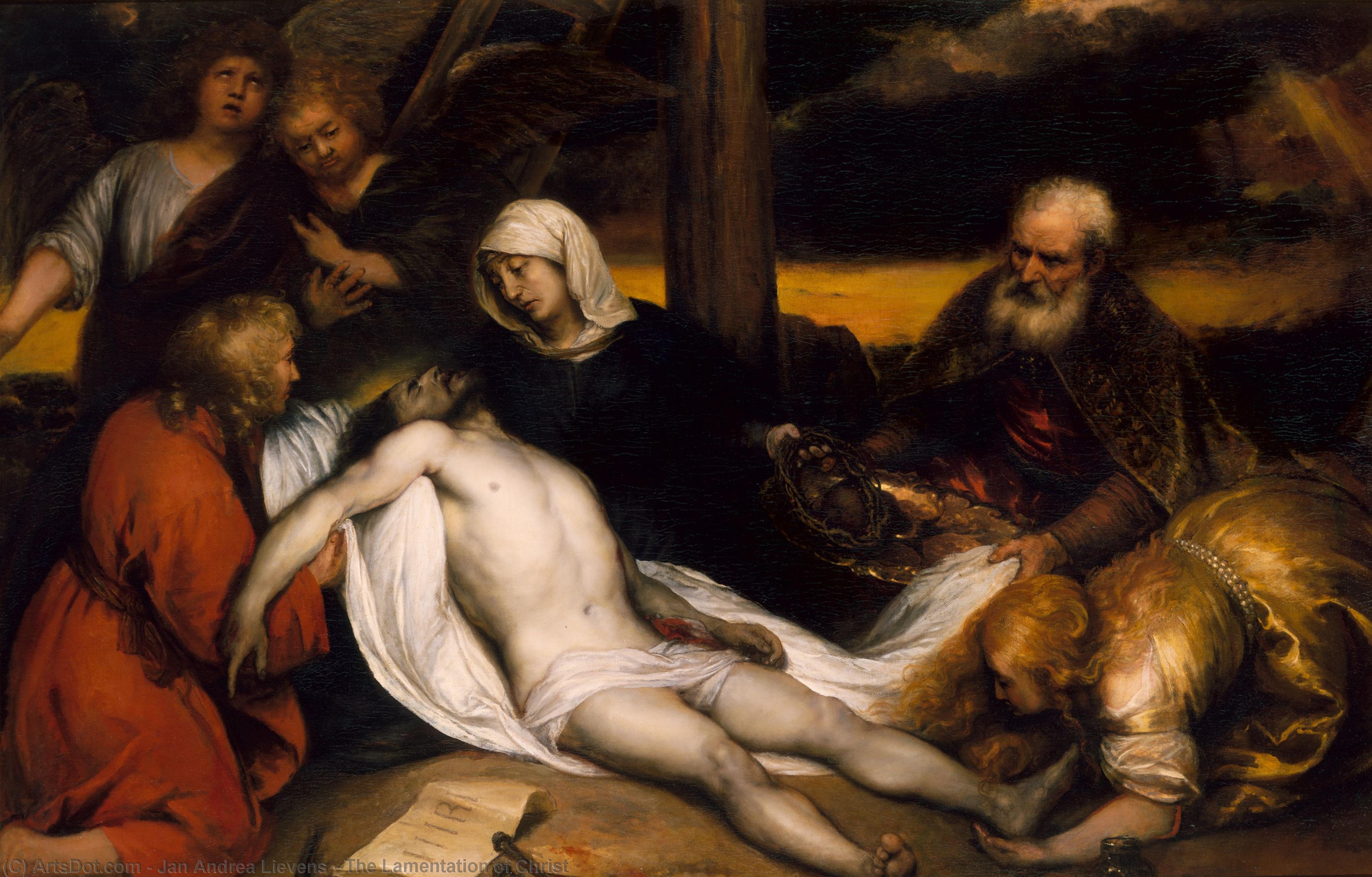
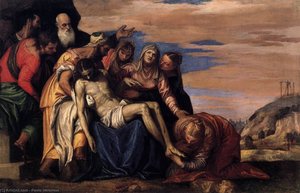
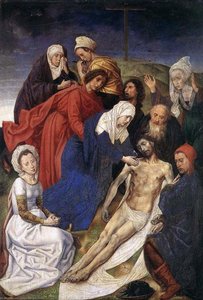
Jan Andrea Lievens’ “The Lamentation of Christ,” painted around 1640, isn't merely a depiction of sorrow; it’s an immersion into the profound grief that permeated Renaissance and Baroque Europe. This powerful scene, rendered in rich oil on canvas measuring 141 x 216 cm, transcends simple mourning to become a meditation on loss, faith, and the ultimate sacrifice. Lievens, working within the shadow of Rembrandt's influence – both stylistic and perhaps even collaborative – masterfully captures an emotional intensity that resonates deeply with viewers centuries later. The painting immediately draws the eye into its dramatic space, dominated by the stark realism of Christ’s lifeless body, laid upon a simple marble slab. It is not a triumphant resurrection scene, but rather a raw, vulnerable portrayal of death and the immediate aftermath.
The Anatomy of Emotion: Style and Technique
Lievens' skill lies in his ability to convey emotion through meticulous detail and masterful use of chiaroscuro – the dramatic interplay of light and shadow. The painting is steeped in a deep, almost somber darkness, punctuated by shafts of light that illuminate key elements: Christ’s wounds, the faces of the mourners, and the folds of their garments. This technique isn't simply decorative; it amplifies the sense of tragedy and emphasizes the vulnerability of the figures. The composition itself is strikingly unconventional. Rather than presenting a traditional grouping around the body, Lievens places the figures at an oblique angle, creating a disconcerting perspective that forces the viewer to confront the scene head-on. This deliberate distortion adds to the painting’s unsettling power, mirroring the disorientation and grief experienced by those present.
- Realism Redefined: Lievens' commitment to anatomical accuracy is evident in the detailed rendering of Christ’s body – the precise depiction of his wounds, the subtle musculature beneath the skin.
- Chiaroscuro Mastery: The dramatic use of light and shadow creates a palpable sense of depth and atmosphere, intensifying the emotional impact of the scene.
- Unconventional Composition: The angled perspective disrupts traditional compositional norms, forcing the viewer to engage with the tragedy on a visceral level.
Symbolism and Context: Faith, Mary, and the Human Condition
“The Lamentation of Christ” is deeply rooted in Christian iconography and theological thought. The presence of Mary, cradling her son’s body, immediately establishes a maternal connection – a poignant reminder of the Virgin's grief and devotion. John the Apostle, often depicted with his head bowed in sorrow, reinforces this theme of mourning. Beyond these central figures, other mourners—including St. Mary Magdalene—add to the tapestry of human suffering. The inclusion of birds, subtly placed near the top corners, adds a layer of symbolic complexity, representing both mortality and hope – a reminder that even in death, life persists. Painted during the Dutch Golden Age, a period marked by religious fervor and artistic innovation, this work reflects the era’s fascination with biblical narratives and its exploration of human emotion.
A Legacy of Sorrow: The Painting's Enduring Impact
“The Lamentation of Christ” remains a profoundly moving artwork. Its raw emotional honesty, combined with Lievens’ technical brilliance, has ensured its place in art history. It speaks to the universal experience of loss and grief, while simultaneously offering a glimpse into the spiritual heart of Christian faith. Reproductions of this powerful image continue to resonate with viewers today, serving as a poignant reminder of humanity's capacity for both sorrow and devotion. The painting’s enduring appeal lies in its ability to evoke empathy and contemplation—a testament to Lievens’ skill as an artist and his profound understanding of the human condition.
Obras relacionadas
Biografía del artista
una vida de brillantez artística
jan andrea lievens jan lievens, pintor holandés de los Países Bajos, vivió entre 1607 y 1674. Su obra suele asociarse con la de Rembrandt, ya que ambos artistas trabajaron con estilos similares durante la Edad Dorada holandesa.primeros años y formación
nacido el 24 de octubre de 1607, Jan era hijo de lieven hendriksze, un trabajador de tapices. Según relata arnold houbraken, Jan comenzó su formación artística bajo la tutela de joris verschoten. Alrededor de los 10 años, fue enviado a Ámsterdam para realizar un aprendizaje de dos años con pieter lastman.ascenso a la fama
El prodigioso talento de Jan lo llevó a convertirse en un artista independiente a la temprana edad de 12 años en Leiden. Su copia de demócrito y heráclito de cornelis van haarlem, junto con un retrato de su madre, machtelt jans van noortzant, captaron la atención de mauricio de naranja, príncipe de naranja. Este reconocimiento culminó con la invitación de Jan a la corte británica a los 31 años.colaboraciones e influencias
Entre 1626 y 1631, Jan colaboró con rembrandt van rijn, produciendo más de dos docenas de pinturas, dibujos y grabados. Esta colaboración, marcada por la competencia, ha generado dificultades para atribuir algunas obras de este periodo. Las composiciones dramáticas de Jan reflejan la influencia de los caravaggistas, mientras que su destreza para pintar a escala natural es evidente en su maestría.obras notables y legado
Algunas de las obras más destacadas de Jan incluyen:- cabeza de un anciano (museo de arte de nueva orleans, óleo sobre lienzo)
- hombre con barba y boina (óleo sobre tabla, 54 x 46 cm)
- joven con capa y turbante (retrato del príncipe ruperto del palatinado) (the leiden collection, nueva york, óleo sobre tabla)
lecturas adicionales
Para obtener más información sobre jan andrea lievens jan lievens y su obra, visite:- jan andrea lievens jan lievens en ArtsDot
- la colección kremer (la haia, Países Bajos) - una guía completa en ArtsDot
- jan lievens en wikipedia
- descubra el genio artístico de jan andrea lievens jan lievens a través de sus cautivadoras obras y colaboraciones con otros maestros holandeses.
Jan Lievens
1607 - 1674 , Países Bajos
Datos clave
- Artistic Movement Or Style: Dutch Golden Age
- Artists Or Movements Influenced By This Artist: ['Rembrandt']
- Artists Who Influenced This Artist:
- Pieter Lastman
- Peter Paul Rubens
- Date Of Birth: October 24, 1607
- Date Of Death: June 4, 1674
- Full Name: Jan Lievens
- Nationality: Dutch
- Notable Artworks:
- Head of an Old Man
- Portrait of Constantin Huygens
- Young Man Wearing a Beret
- Place Of Birth: Leiden, Netherlands
Artículos relacionados
Jan Lievens & Rembrandt: A Comparative Study of Baroque Innovation
Explore the fascinating artistic dialogue between Jan Lievens and Rembrandt van Rijn. Discover Lievens’s unique Baroque style, continental influences, and evolving legacy – a must-read for discerning art collectors.

Los 10 Maestros del Siglo de Oro Holandés: Arte, Historia y Decoración Exclusiva
Descubre los 10 imprescindibles del Siglo de Oro Holandés: Rembrandt, Vermeer y más. Explora la historia, técnica y belleza de estos lienzos clásicos. Encuentra reproducciones de arte exclusivas para decorar tu hogar en .
Jan Steen: A Master of Dutch Genre Painting & the Golden Age
Explore the life & art of Jan Steen, a leading Dutch Golden Age painter renowned for his humorous genre scenes & insightful social commentary. Discover his techniques, legacy, and collecting tips.

Reflejos de una Época Dorada: La Pintura Barroca Holandesa y la Innovación Cultural
Descubra la riqueza y el detalle de la pintura barroca holandesa del Siglo de Oro. Explore las obras maestras de Rembrandt, Vermeer y otros artistas clave. Análisis experto e historia cultural.

La Luz y la República: Innovación Artística en el Siglo de Oro Neerlandés
Descubra la innovación artística del Siglo de Oro Neerlandés. Explore las obras maestras de Rembrandt y Vermeer, técnicas revolucionarias y el legado perdurable de este florecimiento cultural. ¡Sumérjase en la luz y la belleza!