 Ver en contexto
 Enviar
 Compartir
 Detalles

 Descargar
 Similares
 Radiografía
 Presentación de diapositivas
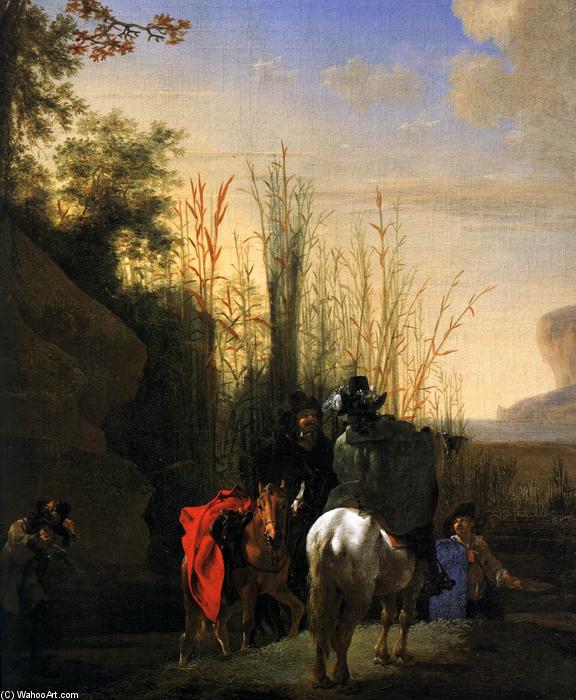
Coastal Scene with Resting Riders (detail)


 Ver más
Reproducción al óleo hecha a mano
Óleo sobre lienzo pintado a mano en el tamaño y marco de su elección, realizado por encargo por nuestros artistas. ( Comprar impresión Comprar imagen)




P118B $10

P118H $10

P118W $10

P438Z $10

P508JH $12

P508YH $12

P805H $10

P805Z $10

P919BZ $10

P919G $10

P919XJ $10

P959ZH $10

P968JZ $12

W106C $8

W218G $10

W218JH $8

W218Y $10

W307PJ $10

W316G $10

W316PJ $8

W316Y $10

W398PJ $8

W4111J $10

W500HY $15

W500JH $15

W692G $12

W849H $8

W940BG $15

W953PJ $8




Elija entre nuestros tamaños predefinidos que respetan las proporciones originales de la obra.

Puede ingresar sus propias dimensiones para adaptarse a un marco o espacio específico. Si el tamaño seleccionado no coincide con las proporciones de la imagen original, recortaremos la obra o extenderemos la pintura con elementos adicionales pintados a mano. Se le enviará una maqueta digital para su aprobación antes de comenzar la producción.
Tenga en cuenta que la vista previa en pantalla no refleja el recorte o la extensión reales. Solo la maqueta mostrará con precisión la composición final.
Si bien existen tamaños personalizados, recomendamos seleccionar una dimensión de la lista predefinida para preservar las proporciones originales.
Tras realizar el pedido, el equipo de ArtsDot.com enviará un correo electrónico al cliente para solicitar instrucciones y proporcionarle una vista previa del boceto.
Envío a todo el mundo () en 3-4 semanas en lugar de las 5 semanas estándar. (22 agosto). Sin comprometer la calidad.

Envío exprés gratuito a todo el mundo

Lienzo de lino de alta calidad

Seguro de envío total

Garantía de reembolso de impuestos aduaneros

Garantía de fidelidad cromática exacta

Política de devolución de 60 días (solo por defectos)

Garantía de devolución del 100% del dinero

Descuento por cantidad
 La opción de vidrio solo está disponible en tamaños inferiores a 110 cm.

Coastal Scene with Resting Riders (detail)
Técnica de reproducción
Dimensiones de la reproducción
-


Precio total final
$ 263
Descripción de la obra
A Moment Frozen in Dawn Light: Exploring Jan Asselijn’s “Coastal Scene with Resting Riders”
The Academy of Fine Arts Vienna holds a treasure – Jan Asselijn’s “Coastal Scene with Resting Riders,” painted in 1652. More than just a depiction of horses and grass, this artwork embodies the spirit of its time, reflecting the burgeoning fascination with landscape painting during the Dutch Golden Age and hinting at deeper philosophical considerations concerning humanity's relationship with nature. Examining its stylistic choices, technical prowess, and symbolic resonance offers a window into the artistic sensibilities of seventeenth-century Europe.The Style & Technique: Atmospheric Impressionism Before Its Time
Asselijn’s approach to landscape painting distinguishes itself from earlier conventions. Rather than striving for precise topographical accuracy – a hallmark of Flemish masters – he prioritizes capturing the mood and atmosphere of the coastal environment. This is achieved through masterful use of chiaroscuro, employing subtle gradations of light and shadow to sculpt the forms of the horses and riders against the backdrop of dawn or dusk. The artist’s brushstrokes are loose and expressive, conveying movement and texture without resorting to meticulous detail. Unlike Impressionists who would emerge decades later, Asselijn anticipates a shift toward prioritizing feeling over representation, foreshadowing the Romantic movement's emphasis on emotion and imagination. The canvas itself is treated with considerable care; oil paint was favored for its ability to blend seamlessly and create luminous effects – a technique that lends an ethereal quality to the scene.Historical Context: Huguenot Influence & The Pursuit of Ideal Beauty
“Coastal Scene with Resting Riders” originates from a period marked by significant religious upheaval in Europe. Jean Asselin, born into a Huguenot family fleeing persecution, arrived in Amsterdam during a time when Dutch artists were actively engaging with Italian Renaissance ideals. This exposure profoundly impacted artistic practice, fostering a desire for beauty rooted in classical principles – specifically the concept of ‘Venus’s Garden,’ popularized by Pietro Testa and Giorgio Vasari. The painting reflects this influence through its idealized portrayal of horses and riders, representing not merely animals but also noble virtues like courage and serenity. Furthermore, it speaks to the broader humanist preoccupation with observing and appreciating the natural world as a source of moral inspiration.Symbolism: Horses as Embodiments of Virtue & Tranquility
The choice of horses is deliberate, imbued with symbolic significance beyond their mere appearance. Traditionally associated with nobility, strength, and divine grace, they represent virtues considered essential for achieving spiritual enlightenment. The three riders – each draped in distinctive colors – further amplify this symbolism. Red signifies courage and passion, blue embodies piety and contemplation, while black symbolizes humility and introspection. Their postures convey a sense of repose and camaraderie, suggesting that true nobility lies not only in physical prowess but also in inner harmony. The gentle swaying of the grass underscores the painting’s overarching theme: the restorative power of nature and its capacity to inspire tranquility amidst turbulent times.Emotional Impact: A Vision of Harmonious Existence
“Coastal Scene with Resting Riders” transcends mere visual representation; it aspires to evoke an emotional response in the viewer. The soft dawn light casts a serene glow upon the landscape, fostering a feeling of peace and contemplation. Asselijn’s masterful use of color contributes to this effect, creating a harmonious palette that balances warmth and coolness. More importantly, the painting invites us to consider humanity's place within the grand scheme of existence – reminding us that beauty can be found in simplicity and that true fulfillment resides in aligning oneself with the rhythms of the natural world. It remains a testament to Asselijn’s artistic vision and a captivating glimpse into the intellectual and aesthetic landscape of seventeenth-century Holland.Obras relacionadas

Biografía del artista
A Life Forged in Landscape: The World of Jan Asselijn
Born Jean Asselin around 1610 in Dieppe, France, Jan Asselijn’s life unfolded against the backdrop of a turbulent era – the waning years of religious conflict and the burgeoning brilliance of the Dutch Golden Age. His family, Huguenots fleeing persecution, relocated to Amsterdam in 1621, immersing young Jean into a cosmopolitan city brimming with artistic ambition and intellectual ferment. This pivotal move instilled within him an appreciation for landscape painting’s evolving trajectory away from mere representation toward expressions of emotion and atmosphere – a path that would define his artistic vocation. Initially apprenticed under Jan Martszen the Younger, Asselijn honed his skills in battle scenes before discovering his true passion: capturing the grandeur and drama of both natural vistas and animal life with unparalleled sensitivity.The Italianate Embrace & The Bentvueghels
Like many ambitious Northern European painters of his time, Asselijn recognized the transformative potential of artistic pilgrimage to Italy. Around 1635 he embarked on this journey, immersing himself in the vibrant cultural landscape of Rome and encountering artists who profoundly shaped his aesthetic sensibilities. He joined the *Bentvueghels*, a remarkable society of Dutch and Flemish painters operating in Rome – “Birds of a Feather” united by unconventional behavior, satirical nicknames, and an unwavering commitment to painting directly from observation. Rejecting studio conventions, these artists championed spontaneity and embraced the challenge of conveying immediacy. Within this stimulating environment, Asselijn earned the moniker "Krabbetje" ("little crab") due to a physical disability affecting his hand – a detail that subtly acknowledged the limitations imposed upon him yet fueled his determination to excel creatively. He absorbed the influence of Pieter van Laer (Bamboccio), whose depictions of Roman peasant life and landscapes resonated deeply with Asselijn’s developing style, fostering an appreciation for nuanced observation and expressive brushwork. This formative period cemented his ability to infuse his canvases with palpable atmosphere and narrative depth.Mastering Light & Symbolism: Key Works
Upon returning to Amsterdam in 1640, Asselijn established himself as a respected artist, characterized by meticulous technique and a distinctive artistic vision. His paintings are distinguished by an exceptional command of light – a hallmark of the Dutch Golden Age that he skillfully employed to heighten emotional impact and convey visual splendor. While he produced historical and battle scenes reflecting his early training, it was his landscapes and animal depictions that cemented his reputation as one of the era’s foremost innovators. The Threatened Swan, completed around 1645, stands as Asselijn's most celebrated masterpiece – a poignant allegory for Dutch resilience during times of crisis. More than just a depiction of avian defense, this painting became a powerful symbol of national resistance against external threats and was interpreted as an emblem of Johan de Witt’s leadership. The swan’s defiant posture, confronting adversity with unwavering determination, captured the anxieties of the period and resonated powerfully with viewers. Further enriching his artistic repertoire were works like Cavalry Attack at Sunset, showcasing his formative training in battle painting with dramatic precision, and evocative portrayals of rural life – notably The Breach of the Saint Anthony’s Dike near Amsterdam – which brilliantly captured a moment of national peril and demonstrated Asselijn's ability to convey urgency and visual dynamism.Influence & Legacy: A Lasting Impression
Jan Asselijn’s artistic legacy extended beyond his own prolific output, influencing subsequent generations of painters. He was admired by Rembrandt van Rijn, who even created etchings depicting Asselijn at work – a gesture that subtly acknowledged the artist's physical impairment while simultaneously recognizing his exceptional talent. Notably, Rembrandt’s etching captures Asselijn’s hand obscured, reflecting a sensitivity to disability within the artistic milieu of the time. He served as a mentor to Frederik de Moucheron, fostering an appreciation for naturalistic observation and expressive brushwork—a contribution that ensured Asselijn's stylistic innovations endured. His works are now housed in prestigious collections such as the Rijksmuseum in Amsterdam, guaranteeing his enduring significance within Dutch art history. Jan Asselijn died peacefully in 1652, leaving behind a body of work that continues to captivate audiences with its beauty, psychological depth, and subtle layers of symbolism—a testament to his profound impact on the artistic landscape of the seventeenth century.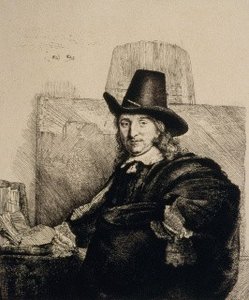
Jan Asselyn
1610 - 1652 , Francia
Datos clave
- Artistic Movement Or Style: Italianate paisaje
- Artists Or Movements Influenced By This Artist: ['Frederick de Moucheron']
- Artists Who Influenced This Artist:
- Esaias van de Velde
- Rembrandt
- Date Of Birth: Dieppe, Francia
- Date Of Death: 1652
- Full Name: Jan Asselin
- Nationality: Holandés
- Notable Artworks:
- El Cisne Amenazado
- El ataque de caballería al atardecer
- Place Of Birth: Amsterdam
Artículos relacionados
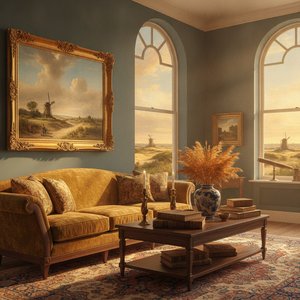
Golden Light & Dutch Skies: Bringing the Magic of Dutch Golden Age Landscapes into Your Home
Transform your home with the breathtaking light of Dutch Golden Age landscapes. Discover how hand-painted oil reproductions of masterworks like Ruisdael and Vermeer bring timeless elegance, atmosphere, and soulful texture to modern interiors. Elevate your space with museum-quality art.

Los 10 Maestros del Siglo de Oro Holandés: Arte, Historia y Decoración Exclusiva
Descubre los 10 imprescindibles del Siglo de Oro Holandés: Rembrandt, Vermeer y más. Explora la historia, técnica y belleza de estos lienzos clásicos. Encuentra reproducciones de arte exclusivas para decorar tu hogar en .
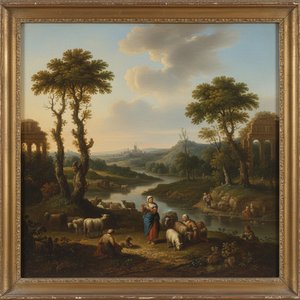
Nicolaes Berchem: Dutch Golden Age Pastoralism & the Evolution of Landscape Painting
Explore the captivating world of Nicolaes Berchem, a leading Dutch Golden Age painter. Discover his idyllic landscapes, masterful technique & lasting influence on art history. Learn more at ArtsDot.
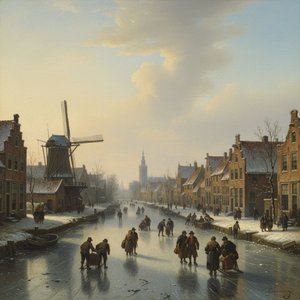
Charles Leickert: Capturing the Dutch Golden Age Light – A Comprehensive Study of Technique, Context, and Legacy
Explore the captivating winter landscapes of Charles Leickert, a master of Dutch Golden Age light & atmosphere. Discover his techniques, symbolism, and lasting legacy – a comprehensive study for art enthusiasts and collectors.

La Luz y la República: Innovación Artística en el Siglo de Oro Neerlandés
Descubra la innovación artística del Siglo de Oro Neerlandés. Explore las obras maestras de Rembrandt y Vermeer, técnicas revolucionarias y el legado perdurable de este florecimiento cultural. ¡Sumérjase en la luz y la belleza!