 Ver en contexto
 Enviar
 Compartir
 Detalles

 Descargar
 Similares
 Radiografía
 Presentación de diapositivas
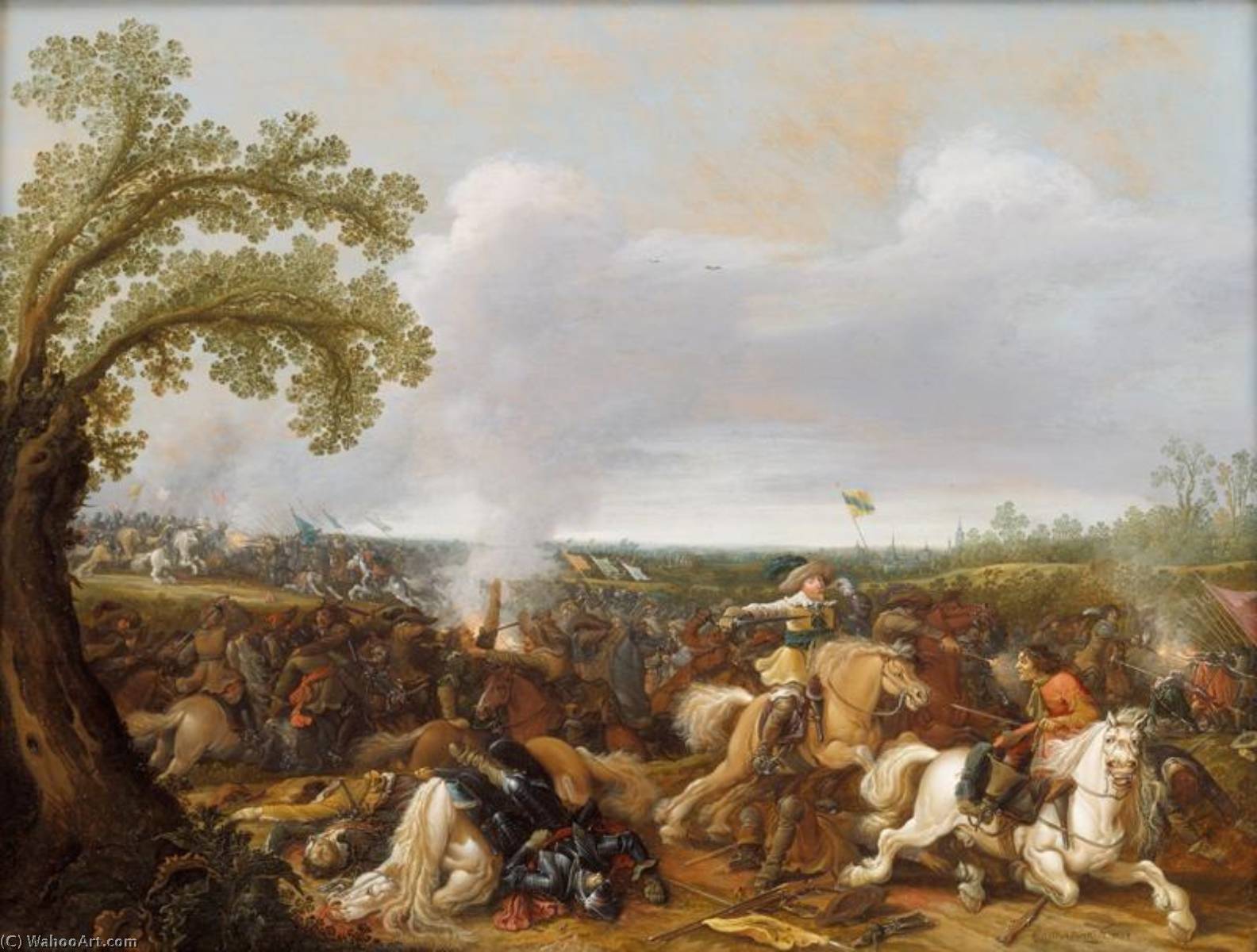
King Gustav Adolf II of Sweden in the Battle of Lutzen, 1632


 Ver más
Giclée / Impresión de arte
Impresiones giclée o en lienzo de calidad de museo con producción rápida y opciones de acabado flexibles. ( Comprar pintura hecha a mano Comprar imagen)




P118B $10

P118H $10

P118W $10

P438Z $10

P508JH $12

P508YH $12

P805H $10

P805Z $10

P919BZ $10

P919G $10

P919XJ $10

P959ZH $10

P968JZ $12

W106C $8

W218G $10

W218JH $8

W218Y $10

W307PJ $10

W316G $10

W316PJ $8

W316Y $10

W398PJ $8

W4111J $10

W500HY $15

W500JH $15

W692G $12

W849H $8

W940BG $15

W953PJ $8




Elija entre nuestros tamaños predefinidos que respetan las proporciones originales de la obra.

Puede introducir sus propias dimensiones para adaptarse a un marco o espacio específico. Si el tamaño seleccionado no coincide con las proporciones de la imagen original, recortaremos la obra de arte o extenderemos la imagen con un borde con efecto espejo o de color sólido. Se enviará una maqueta digital para su aprobación antes de que comience la producción.
Tenga en cuenta que la vista previa en pantalla no refleja el recorte o la extensión real. Solo la maqueta mostrará con precisión la composición final.
Aunque existen tamaños personalizados, recomendamos seleccionar una dimensión de la lista predefinida para preservar las proporciones originales.
Envío a todo el mundo () en 2 semanas en lugar de las 4/5 semanas estándar. (5 septiembre)

Envío exprés gratuito a todo el mundo

Lienzo de lino de alta calidad

Seguro de envío total

Garantía de reembolso de impuestos aduaneros

Garantía de fidelidad cromática exacta

Política de devolución de 60 días (solo por defectos)

Garantía de devolución del 100% del dinero

Descuento por cantidad
 La opción de vidrio solo está disponible en tamaños inferiores a 110 cm.

King Gustav Adolf II of Sweden in the Battle of Lutzen, 1632
Giclée / Impresión de arte
Dimensiones de la reproducción
-


Precio total final
$ 62
A Chronicle of Steel and Storm: Jan Asselijn’s ‘King Gustav Adolf II’
Jan Asselijn's “King Gustav Adolf II of Sweden in the Battle of Lutzen, 1632” isn’t merely a painting; it’s a visceral plunge into the heart of a pivotal moment in European history. Completed in 1634, this monumental work captures the chaotic fury and strategic brilliance of the Battle of Lutzen, fought on August 17th of that year, a clash that cemented Gustav Adolf II's reputation as a military genius and dramatically shaped the trajectory of Sweden’s rise to power. Asselijn, a master of the Dutch Golden Age, eschews the stark realism favored by some contemporaries, instead embracing a dynamic, almost theatrical approach to depicting battle – a hallmark of his distinctive style.
The scene unfolds with breathtaking immediacy. A swirling mass of horsemen, clad in gleaming armor and billowing banners, dominates the canvas. The composition is deliberately unbalanced, reflecting the tumultuous nature of combat; figures surge forward, rearing steeds threaten to overwhelm the viewer, and the air itself seems thick with dust and the clang of steel. Asselijn’s use of color is particularly striking – deep reds and browns dominate the foreground, representing the carnage and heat of battle, while cooler blues and greens suggest the distant landscape and the encroaching twilight. The artist skillfully employs a technique known as ‘chiaroscuro,’ dramatically contrasting light and shadow to heighten the sense of drama and movement.
The Lion of the North: Gustav Adolf and the Symbolism of Power
King Gustav Adolf II, portrayed with an almost heroic intensity, is not simply a warrior; he embodies the ideals of the Swedish Reformation. His posture exudes confidence and command, his gaze fixed on the unfolding chaos – a testament to his strategic acumen and unwavering resolve. The inclusion of the royal standard, prominently displayed above the king, reinforces his authority and symbolizes Sweden’s burgeoning power in Northern Europe. The battle itself is not presented as a glorious victory, but rather as a brutal struggle for survival, reflecting the harsh realities of war. The fallen soldiers scattered across the field serve as a poignant reminder of the human cost of ambition and conflict.
Beyond the immediate depiction of the battle, “King Gustav Adolf II” is laden with symbolic meaning. The composition echoes the grand narratives of heroic leadership prevalent in Renaissance art, elevating Gustav Adolf to the status of a legendary figure – a modern-day Achilles, leading his troops into glorious combat. The presence of numerous horses—thirteen visible in the image—further amplifies this sense of power and momentum, evoking images of cavalry charges and decisive victories. The painting’s scale itself contributes to its impact, demanding attention and immersing the viewer in the drama of the scene.
A Masterpiece Forged in the Dutch Tradition
Jan Asselijn's artistic journey is a fascinating one, shaped by his Huguenot heritage and his relocation to Amsterdam. Initially trained under Esaias van de Velde, he quickly developed his own distinctive style, characterized by dynamic compositions, dramatic lighting, and an emphasis on movement. His travels to Italy profoundly influenced his work, introducing him to the techniques of Renaissance masters such as Raphael and Michelangelo. However, it was in the Netherlands that Asselijn truly flourished, mastering the art of capturing the nuances of light and shadow – a skill that is particularly evident in “King Gustav Adolf II.”
The painting’s historical context is crucial to understanding its significance. The Battle of Lutzen occurred during the Thirty Years' War, a devastating conflict that engulfed Europe and profoundly shaped the political landscape of the continent. Gustav Adolf’s victory at Lutzen was a decisive moment in the war, bolstering Sweden’s position as a major military power and demonstrating his strategic brilliance. “King Gustav Adolf II” serves not only as a historical record but also as a powerful propaganda piece, glorifying the king's achievements and promoting the cause of Protestantism. Today, reproductions of this iconic work continue to captivate audiences with their dramatic intensity and artistic merit.
Further Research: For more information on Jan Asselijn and “King Gustav Adolf II,” explore the resources linked below:
Obras relacionadas
Biografía del artista
A Life Forged in Landscape: The World of Jan Asselijn
Born Jean Asselin around 1610 in Dieppe, France, Jan Asselijn’s life unfolded against the backdrop of a turbulent era – the waning years of religious conflict and the burgeoning brilliance of the Dutch Golden Age. His family, Huguenots fleeing persecution, relocated to Amsterdam in 1621, immersing young Jean into a cosmopolitan city brimming with artistic ambition and intellectual ferment. This pivotal move instilled within him an appreciation for landscape painting’s evolving trajectory away from mere representation toward expressions of emotion and atmosphere – a path that would define his artistic vocation. Initially apprenticed under Jan Martszen the Younger, Asselijn honed his skills in battle scenes before discovering his true passion: capturing the grandeur and drama of both natural vistas and animal life with unparalleled sensitivity.The Italianate Embrace & The Bentvueghels
Like many ambitious Northern European painters of his time, Asselijn recognized the transformative potential of artistic pilgrimage to Italy. Around 1635 he embarked on this journey, immersing himself in the vibrant cultural landscape of Rome and encountering artists who profoundly shaped his aesthetic sensibilities. He joined the *Bentvueghels*, a remarkable society of Dutch and Flemish painters operating in Rome – “Birds of a Feather” united by unconventional behavior, satirical nicknames, and an unwavering commitment to painting directly from observation. Rejecting studio conventions, these artists championed spontaneity and embraced the challenge of conveying immediacy. Within this stimulating environment, Asselijn earned the moniker "Krabbetje" ("little crab") due to a physical disability affecting his hand – a detail that subtly acknowledged the limitations imposed upon him yet fueled his determination to excel creatively. He absorbed the influence of Pieter van Laer (Bamboccio), whose depictions of Roman peasant life and landscapes resonated deeply with Asselijn’s developing style, fostering an appreciation for nuanced observation and expressive brushwork. This formative period cemented his ability to infuse his canvases with palpable atmosphere and narrative depth.Mastering Light & Symbolism: Key Works
Upon returning to Amsterdam in 1640, Asselijn established himself as a respected artist, characterized by meticulous technique and a distinctive artistic vision. His paintings are distinguished by an exceptional command of light – a hallmark of the Dutch Golden Age that he skillfully employed to heighten emotional impact and convey visual splendor. While he produced historical and battle scenes reflecting his early training, it was his landscapes and animal depictions that cemented his reputation as one of the era’s foremost innovators. The Threatened Swan, completed around 1645, stands as Asselijn's most celebrated masterpiece – a poignant allegory for Dutch resilience during times of crisis. More than just a depiction of avian defense, this painting became a powerful symbol of national resistance against external threats and was interpreted as an emblem of Johan de Witt’s leadership. The swan’s defiant posture, confronting adversity with unwavering determination, captured the anxieties of the period and resonated powerfully with viewers. Further enriching his artistic repertoire were works like Cavalry Attack at Sunset, showcasing his formative training in battle painting with dramatic precision, and evocative portrayals of rural life – notably The Breach of the Saint Anthony’s Dike near Amsterdam – which brilliantly captured a moment of national peril and demonstrated Asselijn's ability to convey urgency and visual dynamism.Influence & Legacy: A Lasting Impression
Jan Asselijn’s artistic legacy extended beyond his own prolific output, influencing subsequent generations of painters. He was admired by Rembrandt van Rijn, who even created etchings depicting Asselijn at work – a gesture that subtly acknowledged the artist's physical impairment while simultaneously recognizing his exceptional talent. Notably, Rembrandt’s etching captures Asselijn’s hand obscured, reflecting a sensitivity to disability within the artistic milieu of the time. He served as a mentor to Frederik de Moucheron, fostering an appreciation for naturalistic observation and expressive brushwork—a contribution that ensured Asselijn's stylistic innovations endured. His works are now housed in prestigious collections such as the Rijksmuseum in Amsterdam, guaranteeing his enduring significance within Dutch art history. Jan Asselijn died peacefully in 1652, leaving behind a body of work that continues to captivate audiences with its beauty, psychological depth, and subtle layers of symbolism—a testament to his profound impact on the artistic landscape of the seventeenth century.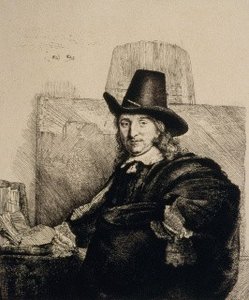
Jan Asselyn
1610 - 1652 , Francia
Datos clave
- Artistic Movement Or Style: Italianate paisaje
- Artists Or Movements Influenced By This Artist: ['Frederick de Moucheron']
- Artists Who Influenced This Artist:
- Esaias van de Velde
- Rembrandt
- Date Of Birth: Dieppe, Francia
- Date Of Death: 1652
- Full Name: Jan Asselin
- Nationality: Holandés
- Notable Artworks:
- El Cisne Amenazado
- El ataque de caballería al atardecer
- Place Of Birth: Amsterdam
Artículos relacionados
Gustav Klimt: Las 25 Obras Maestras que Definen un Ícono del Arte Moderno | ArtsDot
Descubre las 25 obras maestras de Gustav Klimt, ícono del simbolismo y Art Nouveau. Explora 'El Beso', 'Judith' y más. Reproducciones de arte en ArtsDot.com para decorar tu hogar con elegancia. ¡Inspírate!
Art Nouveau: 10 Obras Maestras que Definieron un Movimiento Revolucionario |
Descubre las 10 obras maestras del Art Nouveau que revolucionaron el arte. Explora la belleza de Mucha, Klimt y más. Reproducciones de museo en para un hogar con estilo. ¡Inspírate ahora!
Jan Matejko: Historical Narrative & National Identity in 19th-Century Polish Painting
Explore the powerful historical paintings of Jan Matejko, Poland's national artist. Discover his iconic works & learn how he shaped Polish identity in the 19th century. High-quality reproductions available.
Jan Gossaert (Mabuse): Pioneering Renaissance Style & the Birth of Netherlandish Antiquity
Explore the groundbreaking art of Jan Gossaert (Mabuse), a pioneer of Renaissance painting in the Low Countries. Discover his Romanist style, stunning portraits, and influence on Northern European art history.
Jan Steen: A Master of Dutch Genre Painting & the Golden Age
Explore the life & art of Jan Steen, a leading Dutch Golden Age painter renowned for his humorous genre scenes & insightful social commentary. Discover his techniques, legacy, and collecting tips.