 Ver en contexto
 Enviar
 Compartir
 Detalles

 Descargar
 Similares
 Radiografía
 Presentación de diapositivas
PAYSAGE AVEC UN TROUPEAU TRAVERSANT UNE RIVIERE


 Ver más
Reproducción al óleo hecha a mano
Óleo sobre lienzo pintado a mano en el tamaño y marco de su elección, realizado por encargo por nuestros artistas. ( Comprar impresión Comprar imagen)




P118B $10

P118H $10

P118W $10

P438Z $10

P508JH $12

P508YH $12

P805H $10

P805Z $10

P919BZ $10

P919G $10

P919XJ $10

P959ZH $10

P968JZ $12

W106C $8

W218G $10

W218JH $8

W218Y $10

W307PJ $10

W316G $10

W316PJ $8

W316Y $10

W398PJ $8

W4111J $10

W500HY $15

W500JH $15

W692G $12

W849H $8

W940BG $15

W953PJ $8




Elija entre nuestros tamaños predefinidos que respetan las proporciones originales de la obra.

Puede ingresar sus propias dimensiones para adaptarse a un marco o espacio específico. Si el tamaño seleccionado no coincide con las proporciones de la imagen original, recortaremos la obra o extenderemos la pintura con elementos adicionales pintados a mano. Se le enviará una maqueta digital para su aprobación antes de comenzar la producción.
Tenga en cuenta que la vista previa en pantalla no refleja el recorte o la extensión reales. Solo la maqueta mostrará con precisión la composición final.
Si bien existen tamaños personalizados, recomendamos seleccionar una dimensión de la lista predefinida para preservar las proporciones originales.
Tras realizar el pedido, el equipo de ArtsDot.com enviará un correo electrónico al cliente para solicitar instrucciones y proporcionarle una vista previa del boceto.
Envío a todo el mundo () en 3-4 semanas en lugar de las 5 semanas estándar. (24 agosto). Sin comprometer la calidad.

Envío exprés gratuito a todo el mundo

Lienzo de lino de alta calidad

Seguro de envío total

Garantía de reembolso de impuestos aduaneros

Garantía de fidelidad cromática exacta

Política de devolución de 60 días (solo por defectos)

Garantía de devolución del 100% del dinero

Descuento por cantidad
 La opción de vidrio solo está disponible en tamaños inferiores a 110 cm.

PAYSAGE AVEC UN TROUPEAU TRAVERSANT UNE RIVIERE
Técnica de reproducción
Dimensiones de la reproducción
-


Precio total final
$ 288
Descripción de la obra
A Pastoral Dream in Dutch Light
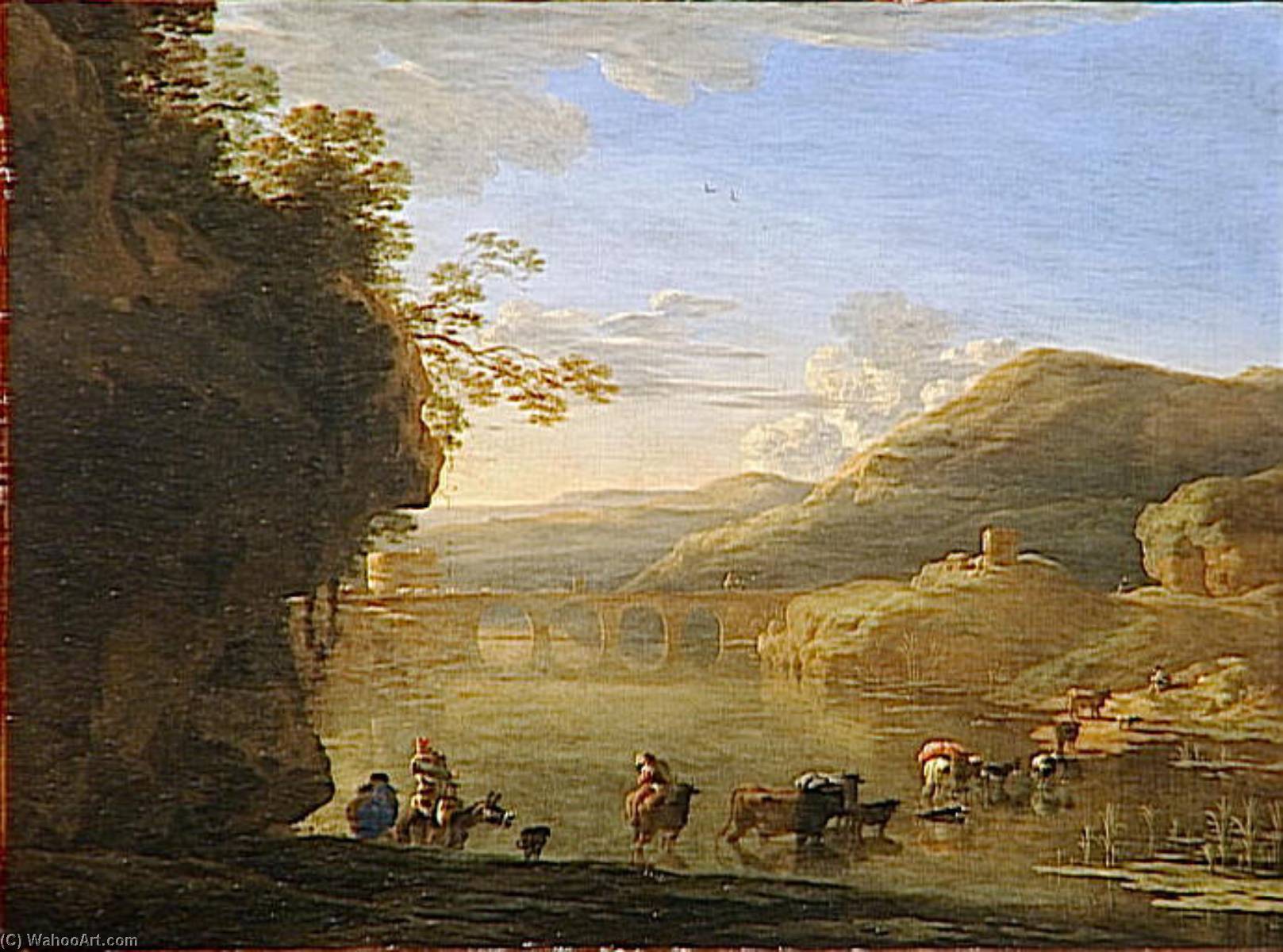
To gaze upon this scene is to step directly into the tranquil heart of the Dutch Golden Age. The composition unfolds like a gentle breath across the canvas, dominated by the serene passage of livestock crossing a wide, meandering river. It is more than just a depiction of rural life; it is an embodiment of pastoral harmony. The eye is immediately drawn along the water's path, guided deeper into the pictorial space where distant elements soften into atmospheric haze. This masterful handling of landscape elevates the everyday—the simple act of crossing a waterway—into something profoundly beautiful and contemplative.
Mastery in Light and Atmosphere
The technical brilliance evident here speaks to the hand of a highly skilled master, reminiscent of Jan Asselijn’s evocative style. Notice how the light is not harsh, but rather diffused, suggesting either the soft veil of an overcast sky or the golden hush of late afternoon. This subtle illumination allows for breathtaking gradations of color across the muted palette of earth tones—the deep greens of foliage contrasting with the cool blues and grays of the water and distant sky. The artist employs both linear perspective, drawing us toward a vanishing point beyond the bridge, and atmospheric perspective, making those furthest elements appear paler and more ethereal. This careful layering suggests an almost scientific understanding of how light interacts with distance.
Compositional Depth and Natural Forms
The structure of the painting is wonderfully balanced yet dynamic. The rocky outcrop anchoring the left side provides a necessary visual weight against the open expanse of the river on the right. While the natural forms—the trees, the rolling banks—are rendered with organic grace, the inclusion of architectural elements like the bridge introduces just enough geometric contrast to keep the eye engaged. These carefully placed focal points, from the figures wading in the shallows to the animals gathered near the bank, give narrative life to the otherwise timeless landscape. It is a study in contrasts: the permanence of stone against the flow of water; the solidity of human endeavor against the wildness of nature.
Symbolism and Enduring Peace
For the collector or decorator, this piece offers more than mere decoration; it offers an emotional anchor. The subject matter—the peaceful movement of cattle and people through a nurturing landscape—is deeply symbolic of prosperity, continuity, and the enduring rhythm of rural existence. In an increasingly fast-paced world, owning a reproduction of such a work invites a moment of profound stillness into one's own space. It whispers tales of simple pleasures and harmonious living, making it a perfect centerpiece for a room that seeks to evoke calm and timeless elegance.
Obras relacionadas

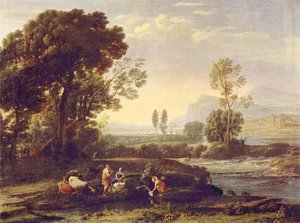
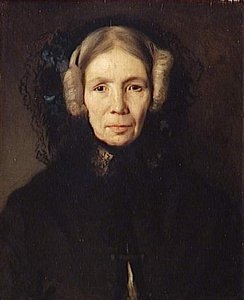
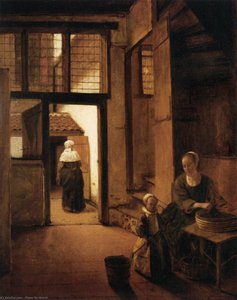
Biografía del artista
A Life Forged in Landscape: The World of Jan Asselijn
Born Jean Asselin around 1610 in Dieppe, France, Jan Asselijn’s life unfolded against the backdrop of a turbulent era – the waning years of religious conflict and the burgeoning brilliance of the Dutch Golden Age. His family, Huguenots fleeing persecution, relocated to Amsterdam in 1621, immersing young Jean into a cosmopolitan city brimming with artistic ambition and intellectual ferment. This pivotal move instilled within him an appreciation for landscape painting’s evolving trajectory away from mere representation toward expressions of emotion and atmosphere – a path that would define his artistic vocation. Initially apprenticed under Jan Martszen the Younger, Asselijn honed his skills in battle scenes before discovering his true passion: capturing the grandeur and drama of both natural vistas and animal life with unparalleled sensitivity.The Italianate Embrace & The Bentvueghels
Like many ambitious Northern European painters of his time, Asselijn recognized the transformative potential of artistic pilgrimage to Italy. Around 1635 he embarked on this journey, immersing himself in the vibrant cultural landscape of Rome and encountering artists who profoundly shaped his aesthetic sensibilities. He joined the *Bentvueghels*, a remarkable society of Dutch and Flemish painters operating in Rome – “Birds of a Feather” united by unconventional behavior, satirical nicknames, and an unwavering commitment to painting directly from observation. Rejecting studio conventions, these artists championed spontaneity and embraced the challenge of conveying immediacy. Within this stimulating environment, Asselijn earned the moniker "Krabbetje" ("little crab") due to a physical disability affecting his hand – a detail that subtly acknowledged the limitations imposed upon him yet fueled his determination to excel creatively. He absorbed the influence of Pieter van Laer (Bamboccio), whose depictions of Roman peasant life and landscapes resonated deeply with Asselijn’s developing style, fostering an appreciation for nuanced observation and expressive brushwork. This formative period cemented his ability to infuse his canvases with palpable atmosphere and narrative depth.Mastering Light & Symbolism: Key Works
Upon returning to Amsterdam in 1640, Asselijn established himself as a respected artist, characterized by meticulous technique and a distinctive artistic vision. His paintings are distinguished by an exceptional command of light – a hallmark of the Dutch Golden Age that he skillfully employed to heighten emotional impact and convey visual splendor. While he produced historical and battle scenes reflecting his early training, it was his landscapes and animal depictions that cemented his reputation as one of the era’s foremost innovators. The Threatened Swan, completed around 1645, stands as Asselijn's most celebrated masterpiece – a poignant allegory for Dutch resilience during times of crisis. More than just a depiction of avian defense, this painting became a powerful symbol of national resistance against external threats and was interpreted as an emblem of Johan de Witt’s leadership. The swan’s defiant posture, confronting adversity with unwavering determination, captured the anxieties of the period and resonated powerfully with viewers. Further enriching his artistic repertoire were works like Cavalry Attack at Sunset, showcasing his formative training in battle painting with dramatic precision, and evocative portrayals of rural life – notably The Breach of the Saint Anthony’s Dike near Amsterdam – which brilliantly captured a moment of national peril and demonstrated Asselijn's ability to convey urgency and visual dynamism.Influence & Legacy: A Lasting Impression
Jan Asselijn’s artistic legacy extended beyond his own prolific output, influencing subsequent generations of painters. He was admired by Rembrandt van Rijn, who even created etchings depicting Asselijn at work – a gesture that subtly acknowledged the artist's physical impairment while simultaneously recognizing his exceptional talent. Notably, Rembrandt’s etching captures Asselijn’s hand obscured, reflecting a sensitivity to disability within the artistic milieu of the time. He served as a mentor to Frederik de Moucheron, fostering an appreciation for naturalistic observation and expressive brushwork—a contribution that ensured Asselijn's stylistic innovations endured. His works are now housed in prestigious collections such as the Rijksmuseum in Amsterdam, guaranteeing his enduring significance within Dutch art history. Jan Asselijn died peacefully in 1652, leaving behind a body of work that continues to captivate audiences with its beauty, psychological depth, and subtle layers of symbolism—a testament to his profound impact on the artistic landscape of the seventeenth century.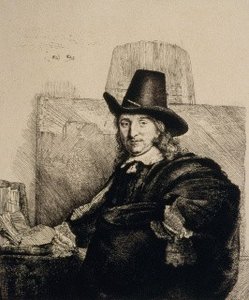
Jan Asselyn
1610 - 1652 , Francia
Datos clave
- Artistic Movement Or Style: Italianate paisaje
- Artists Or Movements Influenced By This Artist: ['Frederick de Moucheron']
- Artists Who Influenced This Artist:
- Esaias van de Velde
- Rembrandt
- Date Of Birth: Dieppe, Francia
- Date Of Death: 1652
- Full Name: Jan Asselin
- Nationality: Holandés
- Notable Artworks:
- El Cisne Amenazado
- El ataque de caballería al atardecer
- Place Of Birth: Amsterdam
Artículos relacionados

Los 10 Maestros del Siglo de Oro Holandés: Arte, Historia y Decoración Exclusiva
Descubre los 10 imprescindibles del Siglo de Oro Holandés: Rembrandt, Vermeer y más. Explora la historia, técnica y belleza de estos lienzos clásicos. Encuentra reproducciones de arte exclusivas para decorar tu hogar en .

Reflejos de una Época Dorada: La Pintura Barroca Holandesa y la Innovación Cultural
Descubra la riqueza y el detalle de la pintura barroca holandesa del Siglo de Oro. Explore las obras maestras de Rembrandt, Vermeer y otros artistas clave. Análisis experto e historia cultural.
Jan Steen: A Master of Dutch Genre Painting & the Golden Age
Explore the life & art of Jan Steen, a leading Dutch Golden Age painter renowned for his humorous genre scenes & insightful social commentary. Discover his techniques, legacy, and collecting tips.
Nicolaes Berchem: Dutch Golden Age Pastoralism & the Evolution of Landscape Painting
Explore the captivating world of Nicolaes Berchem, a leading Dutch Golden Age painter. Discover his idyllic landscapes, masterful technique & lasting influence on art history. Learn more at ArtsDot.

La Luz y la República: Innovación Artística en el Siglo de Oro Neerlandés
Descubra la innovación artística del Siglo de Oro Neerlandés. Explore las obras maestras de Rembrandt y Vermeer, técnicas revolucionarias y el legado perdurable de este florecimiento cultural. ¡Sumérjase en la luz y la belleza!