

 Vista previa
 Compartir
 Compartir
 Ver detalles

 Descargar
 Ver similares
 Radiografía
 Presentación de diapositivas
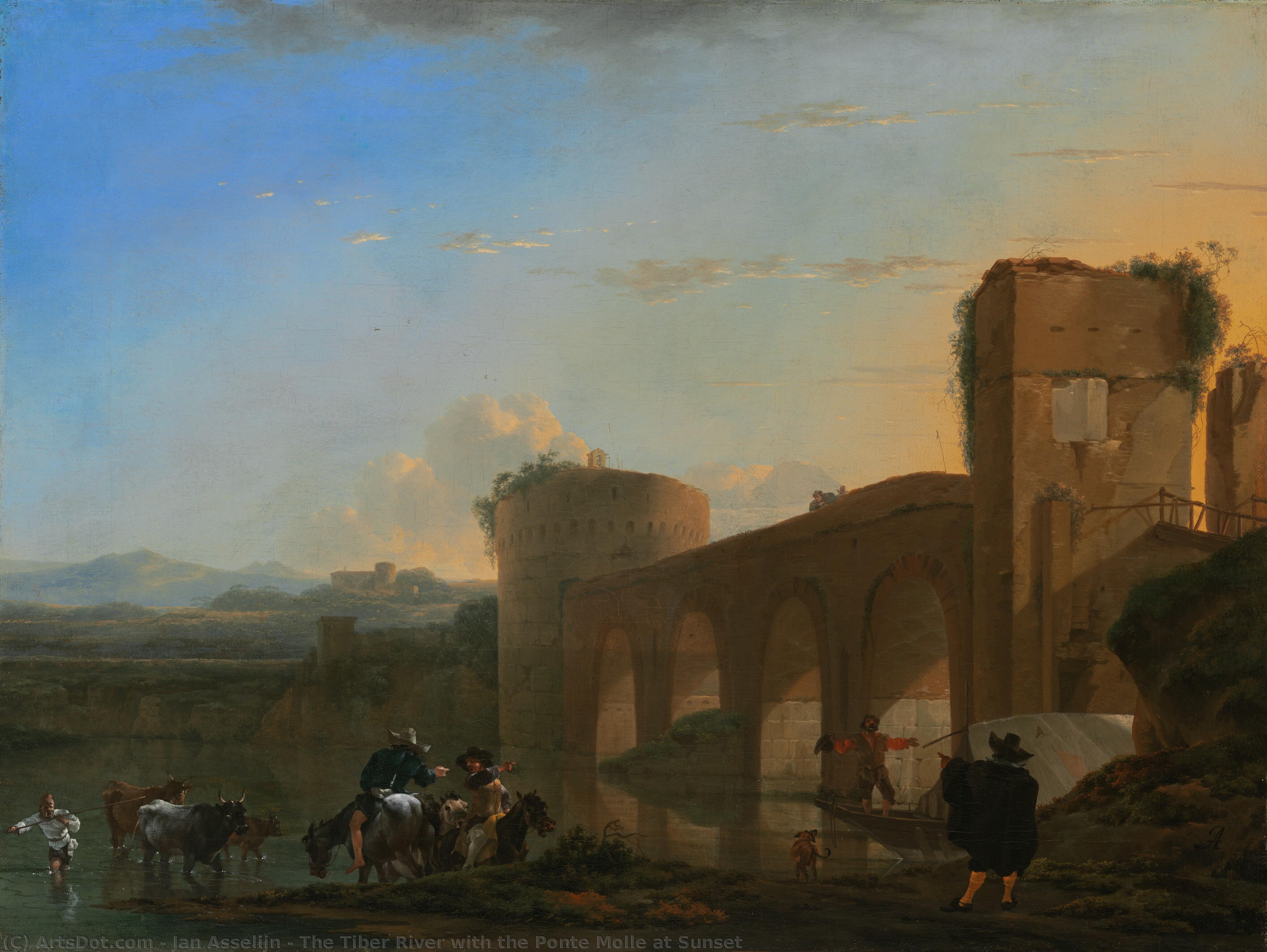
The Tiber River with the Ponte Molle at Sunset
 Oil
Oil- WallArt
- Baroque
 1650
1650- Early Modern
 41.0 x 54.0 cm
 Leer más
Adquiera una imagen digital de alta resolución y optimizada, muy superior a la vista previa en línea.
Cada archivo es preparado meticulosamente por nuestros especialistas internos mediante el uso de herramientas avanzadas y un experto retoque manual. Nos aseguramos de que cada imagen posea una claridad excepcional, una precisión cromática impecable y un detalle minucioso.
El archivo final se entrega por correo electrónico en un plazo de 72 horas, optimizado para su uso inmediato en entornos profesionales, editoriales y de impresión. Esta es la misma calidad en la que confían los estudios de diseño, las editoriales y las galerías de primer nivel.
Imagen Digital
Descarga un archivo de alta resolución para exhibición personal, impresión y proyectos creativos. ( Pedir impresión Encargar reproducción pintada a mano)
Incluido en cada compra de imágenes digitales
Entrega digital experta, garantizada.
Al elegir ArtsDot.com, no solo está adquiriendo una imagen; está recibiendo una obra de arte digital mejorada profesionalmente, elaborada con precisión y respaldada por una garantía de satisfacción. Esto es todo lo que incluye su pedido, automáticamente:

Entrega rápida por email
Recibirá su archivo de imagen digital en alta resolución por correo electrónico en un plazo de 72 horas tras realizar su pedido, listo para su uso inmediato.

Archivo digital optimizado por IA
Su obra de arte se optimiza profesionalmente mediante herramientas avanzadas de IA y edición manual, garantizando el máximo detalle, claridad y precisión cromática.

Reenvío gratuito de por vida
¿Has borrado o perdido tu archivo por error? No te preocupes: te lo volveremos a enviar en cualquier momento, sin coste adicional.

Sin gastos de importación, siempre
Disfrute de su obra de arte al instante sin aduanas, aranceles ni gastos de envío; las descargas digitales siempre están libres de impuestos.

Garantía de precisión de color
Garantizamos que su imagen digital refleje los colores originales con la mayor fidelidad posible, mediante el uso de herramientas profesionales y gestión del color.

Garantía de satisfacción de 60 días
Si no está satisfecho con su imagen digital, la revisaremos o le reembolsaremos el 100% en un plazo de 60 días, sin preguntas.

100% Garantía de devolución de dinero
¿No está satisfecho? Obtenga un reembolso completo dentro de los 60 días posteriores a la recepción de su archivo digital, sin necesidad de explicaciones.

Descuentos por volumen
Compra 3 imágenes, ahorra 10% - Compra 5, ahorra 15% - Compra 10+, ahorra 20%. Ideal para proyectos creativos, galerías y agencias.
Descripción del coleccionable
Obras relacionadas
Biografía del artista
A Life Forged in Landscape: The World of Jan Asselijn
Born Jean Asselin around 1610 in Dieppe, France, Jan Asselijn’s life unfolded against the backdrop of a turbulent era – the waning years of religious conflict and the burgeoning brilliance of the Dutch Golden Age. His family, Huguenots fleeing persecution, relocated to Amsterdam in 1621, immersing young Jean into a cosmopolitan city brimming with artistic ambition and intellectual ferment. This pivotal move instilled within him an appreciation for landscape painting’s evolving trajectory away from mere representation toward expressions of emotion and atmosphere – a path that would define his artistic vocation. Initially apprenticed under Jan Martszen the Younger, Asselijn honed his skills in battle scenes before discovering his true passion: capturing the grandeur and drama of both natural vistas and animal life with unparalleled sensitivity.The Italianate Embrace & The Bentvueghels
Like many ambitious Northern European painters of his time, Asselijn recognized the transformative potential of artistic pilgrimage to Italy. Around 1635 he embarked on this journey, immersing himself in the vibrant cultural landscape of Rome and encountering artists who profoundly shaped his aesthetic sensibilities. He joined the *Bentvueghels*, a remarkable society of Dutch and Flemish painters operating in Rome – “Birds of a Feather” united by unconventional behavior, satirical nicknames, and an unwavering commitment to painting directly from observation. Rejecting studio conventions, these artists championed spontaneity and embraced the challenge of conveying immediacy. Within this stimulating environment, Asselijn earned the moniker "Krabbetje" ("little crab") due to a physical disability affecting his hand – a detail that subtly acknowledged the limitations imposed upon him yet fueled his determination to excel creatively. He absorbed the influence of Pieter van Laer (Bamboccio), whose depictions of Roman peasant life and landscapes resonated deeply with Asselijn’s developing style, fostering an appreciation for nuanced observation and expressive brushwork. This formative period cemented his ability to infuse his canvases with palpable atmosphere and narrative depth.Mastering Light & Symbolism: Key Works
Upon returning to Amsterdam in 1640, Asselijn established himself as a respected artist, characterized by meticulous technique and a distinctive artistic vision. His paintings are distinguished by an exceptional command of light – a hallmark of the Dutch Golden Age that he skillfully employed to heighten emotional impact and convey visual splendor. While he produced historical and battle scenes reflecting his early training, it was his landscapes and animal depictions that cemented his reputation as one of the era’s foremost innovators. The Threatened Swan, completed around 1645, stands as Asselijn's most celebrated masterpiece – a poignant allegory for Dutch resilience during times of crisis. More than just a depiction of avian defense, this painting became a powerful symbol of national resistance against external threats and was interpreted as an emblem of Johan de Witt’s leadership. The swan’s defiant posture, confronting adversity with unwavering determination, captured the anxieties of the period and resonated powerfully with viewers. Further enriching his artistic repertoire were works like Cavalry Attack at Sunset, showcasing his formative training in battle painting with dramatic precision, and evocative portrayals of rural life – notably The Breach of the Saint Anthony’s Dike near Amsterdam – which brilliantly captured a moment of national peril and demonstrated Asselijn's ability to convey urgency and visual dynamism.Influence & Legacy: A Lasting Impression
Jan Asselijn’s artistic legacy extended beyond his own prolific output, influencing subsequent generations of painters. He was admired by Rembrandt van Rijn, who even created etchings depicting Asselijn at work – a gesture that subtly acknowledged the artist's physical impairment while simultaneously recognizing his exceptional talent. Notably, Rembrandt’s etching captures Asselijn’s hand obscured, reflecting a sensitivity to disability within the artistic milieu of the time. He served as a mentor to Frederik de Moucheron, fostering an appreciation for naturalistic observation and expressive brushwork—a contribution that ensured Asselijn's stylistic innovations endured. His works are now housed in prestigious collections such as the Rijksmuseum in Amsterdam, guaranteeing his enduring significance within Dutch art history. Jan Asselijn died peacefully in 1652, leaving behind a body of work that continues to captivate audiences with its beauty, psychological depth, and subtle layers of symbolism—a testament to his profound impact on the artistic landscape of the seventeenth century.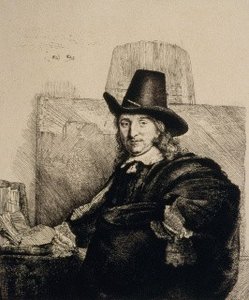
Jan Asselyn
1610 - 1652 , Francia
Datos clave
- Artistic Movement Or Style: Italianate paisaje
- Artists Or Movements Influenced By This Artist: ['Frederick de Moucheron']
- Artists Who Influenced This Artist:
- Esaias van de Velde
- Rembrandt
- Date Of Birth: Dieppe, Francia
- Date Of Death: 1652
- Full Name: Jan Asselin
- Nationality: Holandés
- Notable Artworks:
- El Cisne Amenazado
- El ataque de caballería al atardecer
- Place Of Birth: Amsterdam

