 Ver en contexto
 Enviar
 Compartir
 Detalles

 Descargar
 Similares
 Radiografía
 Presentación de diapositivas
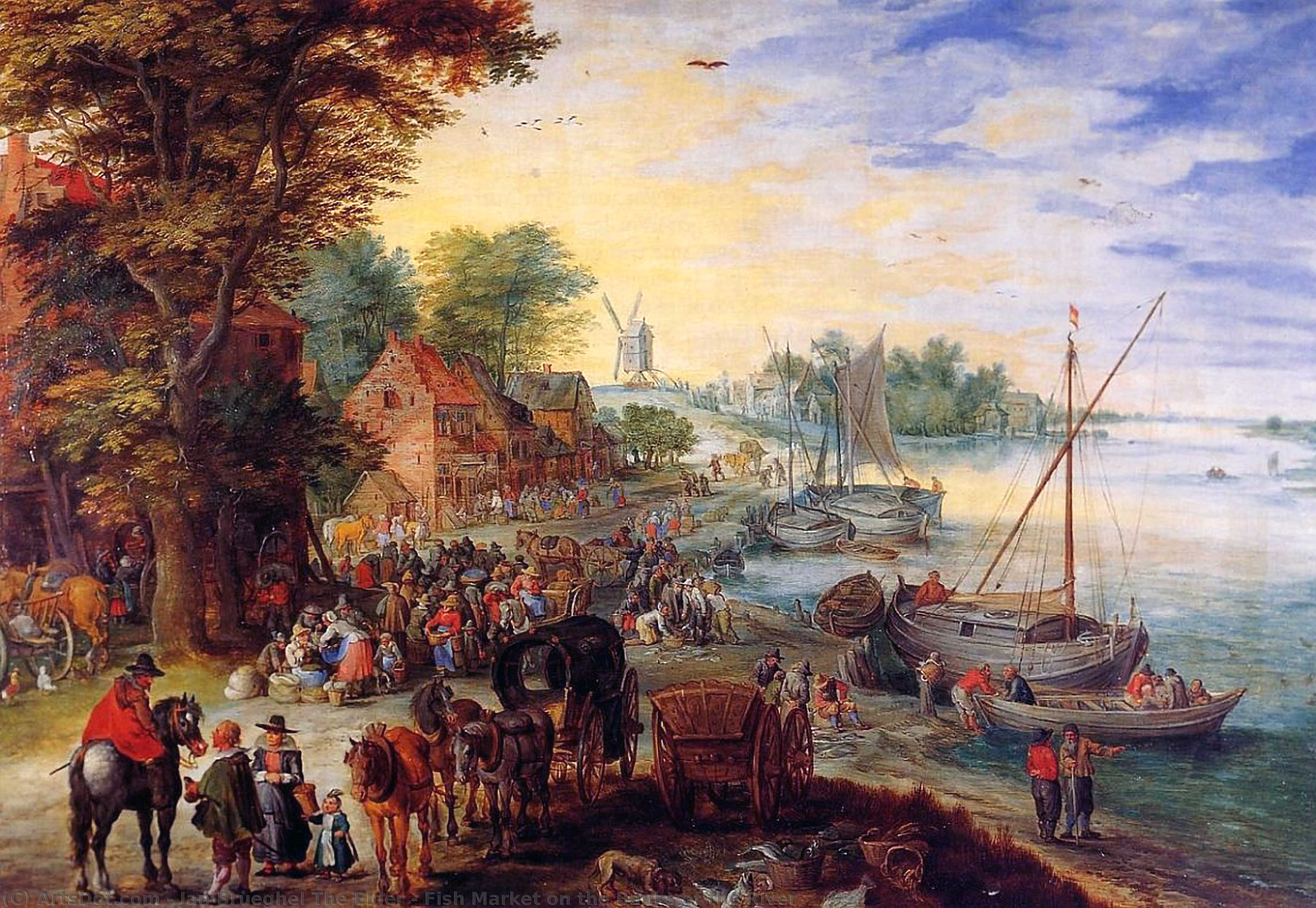
Fish Market on the Banks of the River


 Ver más
Giclée / Impresión de arte
Impresiones giclée o en lienzo de calidad de museo con producción rápida y opciones de acabado flexibles. ( Comprar pintura hecha a mano Comprar imagen)




P118B $10

P118H $10

P118W $10

P438Z $10

P508JH $12

P508YH $12

P805H $10

P805Z $10

P919BZ $10

P919G $10

P919XJ $10

P959ZH $10

P968JZ $12

W106C $8

W218G $10

W218JH $8

W218Y $10

W307PJ $10

W316G $10

W316PJ $8

W316Y $10

W398PJ $8

W4111J $10

W500HY $15

W500JH $15

W692G $12

W849H $8

W940BG $15

W953PJ $8




Elija entre nuestros tamaños predefinidos que respetan las proporciones originales de la obra.

Puede introducir sus propias dimensiones para adaptarse a un marco o espacio específico. Si el tamaño seleccionado no coincide con las proporciones de la imagen original, recortaremos la obra de arte o extenderemos la imagen con un borde con efecto espejo o de color sólido. Se enviará una maqueta digital para su aprobación antes de que comience la producción.
Tenga en cuenta que la vista previa en pantalla no refleja el recorte o la extensión real. Solo la maqueta mostrará con precisión la composición final.
Aunque existen tamaños personalizados, recomendamos seleccionar una dimensión de la lista predefinida para preservar las proporciones originales.
Envío a todo el mundo () en 2 semanas en lugar de las 4/5 semanas estándar. (3 septiembre)

Envío exprés gratuito a todo el mundo

Lienzo de lino de alta calidad

Seguro de envío total

Garantía de reembolso de impuestos aduaneros

Garantía de fidelidad cromática exacta

Política de devolución de 60 días (solo por defectos)

Garantía de devolución del 100% del dinero

Descuento por cantidad
 La opción de vidrio solo está disponible en tamaños inferiores a 110 cm.

Fish Market on the Banks of the River
Giclée / Impresión de arte
Dimensiones de la reproducción
-


Precio total final
$ 62
A Symphony of Flemish Life
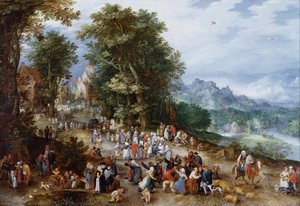
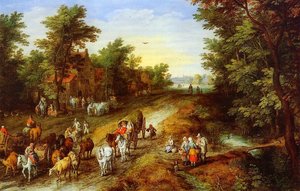
In the masterful hands of Jan Brueghel the Elder, a simple riverside marketplace is transformed into a breathtaking tapestry of movement and light. Fish Market on the Banks of the River, painted in 1611, serves as a window into the vibrant pulse of the Flemish Baroque era. As one gazes upon this expansive oil on panel, the viewer is immediately swept into a world where the rhythmic commerce of daily life meets the serene beauty of the natural landscape. The scene is far from static; it is a living, breathing organism. From the gentle drift of boats along the river to the spirited interactions of merchants and travelers, Brueghel captures a moment of profound vitality. Every brushstroke contributes to a sense of organized chaos, where horses, dogs, and humans coexist within a meticulously detailed ecosystem of trade and tradition.
The technical brilliance of this work lies in Brueghel’s unparalleled ability to manage scale and detail simultaneously. Known as one of the "fine painters" of his time, he possessed a rare gift for rendering minute textures—the glint of scales on fresh fish, the heavy musculature of a working horse, and the soft ripples of the river water. His technique allows the eye to wander from the intimate foreground, where the bustle of the market is most palpable, toward the hazy, atmospheric distance where the town fades into the horizon. This use of aerial perspective creates an immense sense of depth, inviting collectors and art enthusiasts to lose themselves in the layers of the composition. For the interior designer, such a piece offers a commanding presence, acting as a focal point that brings both narrative complexity and a sense of historical grandeur to any curated space.
The Legacy of the Brueghel Lineage
To understand the soul of this painting, one must consider the artistic lineage from which it sprang. Jan Brueghel the Elder was the son of the legendary Pieter Bruegel the Elder, and while he inherited his father's fascination with peasant life and sprawling vistas, he infused his work with a new, delicate elegance characteristic of the early 17th century. In this fish market scene, we see the evolution of the Flemish tradition; where his father might have focused on the moralizing undertones of folk life, Jan directs our attention to the exquisite beauty of the natural world and the intricate details of human industry. The painting is not merely a depiction of commerce, but a celebration of abundance and the interconnectedness of man and nature.
The emotional impact of the work is one of nostalgic warmth and enduring wonder. There is a profound sense of peace found within the activity—a feeling that this cycle of life, trade, and movement has continued for centuries and will continue long after we have turned our eyes away. For those seeking to adorn their homes with a high-quality reproduction, this artwork offers more than just decoration; it provides an emotional anchor. It brings the light of a 17th-century afternoon into a modern setting, offering a timeless connection to the artistry and spirit of the Flemish Golden Age. Owning a piece of such historical significance allows for a daily encounter with the sublime, making it an incomparable choice for the discerning collector.
Obras relacionadas

Biografía del artista
Jan Brueghel el Viejo: Una Vida en el Arte
- Nacido: Bruselas, Bélgica (1568)
- Fallecido: 1625
Jan Brueghel el Viejo, una figura destacada del movimiento barroco flamenco, nació en una familia profundamente arraigada en la tradición artística. Como segundo hijo del renombrado pintor neerlandés Pieter Bruegel el Anciano y hermano de Jan Brueghel el Joven, heredó un legado que moldeó profundamente su propia carrera. Su vida y obra reflejan una fascinante intersección de influencia familiar, estilos artísticos en evolución y contribuciones significativas al arte del siglo XVII.
Vida Temprana y Formación
Nacido en Bruselas, los primeros años de Jan Brueghel estuvieron inmersos en el mundo del arte. Su padre, Pieter Bruegel el Anciano, ya era un artista celebrado conocido por sus escenas de género y paisajes que representaban la vida campesina. Aunque los detalles sobre su formación formal son algo escasos, se cree ampliamente que recibió instrucción inicial de su padre. Más allá de esta guía familiar, Jan probablemente estudió bajo otros artistas destacados de la época, absorbiendo las técnicas y filosofías artísticas prevalecientes en Amberes y Bruselas.
Estilo Artístico y Obras Notables
Jan Brueghel el Viejo desarrolló un estilo distintivo caracterizado por una meticulosa atención al detalle, colores vibrantes y una hábil manipulación de la luz y la sombra. Si bien fue influenciado por los trabajos anteriores de su padre, forjó su propio camino, convirtiéndose en particular en un renombre por sus bodegones, paisajes y escenas alegóricas.
- Atención Meticulosa al Detalle: Sus obras son celebradas por su increíble detalle, evidente en la representación de flores, frutas, insectos y otros elementos naturales.
- Colores Vibrantes: Brueghel empleó una rica paleta, utilizando colores vibrantes para crear profundidad, emoción y atractivo visual en sus composiciones.
- Experimentación con Luz y Sombra: Utilizó hábilmente la luz y la sombra para crear efectos dramáticos y mejorar el realismo de sus pinturas.
Entre sus obras más notables se encuentran:
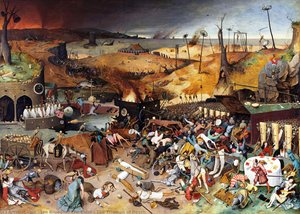
- El Triunfo de Neptuno (Museo del Prado, España): Una obra maestra a gran escala que muestra su dominio del color y la composición, representando una celebración lujosa en honor al dios marino.
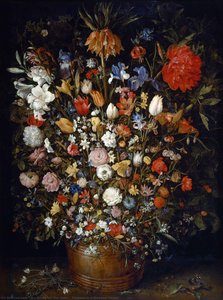
- Bodegón con Flores (Groeninge Museum, Bruges, Bélgica): Demuestra su excepcional habilidad para capturar la belleza y fragilidad de los objetos cotidianos, particularmente las flores.
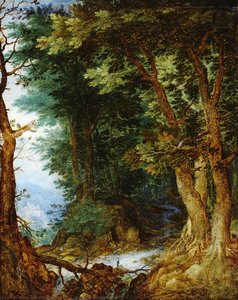
- Paisaje con Cascada (ArtsDot.com): Un testimonio de su capacidad para evocar emociones a través de paisajes, mostrando una escena natural serena pero poderosa.
Influencias y Desarrollo
Si bien indudablemente influenciado por el legado de su padre, Jan Brueghel el Viejo también se inspiró en las tendencias artísticas contemporáneas. El auge del arte barroco en Flandes impactó significativamente su estilo, lo que llevó a una mayor énfasis en el drama, la emoción y los detalles opulentos. Colaboró estrechamente con Peter Paul Rubens, uno de los artistas más influyentes de la época, intercambiando ideas y técnicas que refinaron aún más su propio enfoque. Su desarrollo también vio cómo se alejaba de obras puramente basadas en paisajes hacia composiciones más complejas que incorporaban elementos alegóricos y componentes detallados de bodegón.
Legado y Significado Histórico
Jan Brueghel el Viejo dejó una huella perdurable en el mundo del arte, consolidando su lugar como una figura significativa en el movimiento barroco flamenco. Su meticulosa atención al detalle, paletas de colores vibrantes e innovadoras composiciones continúan inspirando a los artistas hoy en día. Es particularmente reconocido por ser pionero en nuevos géneros como las pinturas de guirnaldas de flores y los paisajes paradisíacos, expandiendo las posibilidades de la expresión artística. Su obra refleja el espíritu de la Contrarreforma, incorporando motivos religiosos junto con un creciente interés en la observación científica y la representación precisa del mundo natural. Su influencia se extendió más allá de su propia vida, impactando a generaciones posteriores de pintores flamencos y contribuyendo al rico tapiz de la historia del arte europeo.
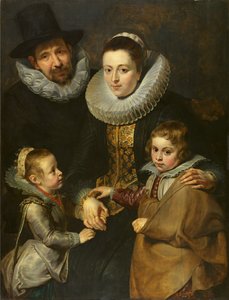
Jan Brueghel el Viejo
1568 - 1625 , Bélgica
Datos clave
- Artistas Influenciados:
- Jan Brueghel el Joven
- Jan van Kessel
- Pieter Bout
- Adriaen Frans Boudewyns
- Artistas Que Influyeron: ['Pieter Bruegel el Viejo']
- Fecha De Muerte: 1625
- Fecha De Nacimiento: 1568
- Lugar De Nacimiento: Bruselas, Bélgica
- Movimiento Artístico: Barroco flamenco
- Nacionalidad: Flamenco
- Nombre Completo: Jan Brueghel el Viejo
- Obras Notables:
- El triunfo de Neptuno
- Bodegón con flores
- Paisaje con cascada
Artículos relacionados
Jan Brueghel the Elder: A Master of Flemish Landscape & Allegory – Exploring Innovation & Influence
Explore the captivating world of Jan Brueghel the Elder, a Flemish Baroque master renowned for his stunning landscapes & allegorical paintings. Discover his collaborations with Rubens and lasting artistic legacy.

Drama Barroca: Llevando la Grandeza y la Emoción a los Interiores Contemporáneos
Descubre cómo el drama y la grandeza del arte barroco pueden transformar tus interiores. Guía experta, inspiración y reproducciones de alta calidad en .
Jan Lievens & Rembrandt: A Comparative Study of Baroque Innovation
Explore the fascinating artistic dialogue between Jan Lievens and Rembrandt van Rijn. Discover Lievens’s unique Baroque style, continental influences, and evolving legacy – a must-read for discerning art collectors.

The Visceral Stage: Exploring Dramatic Narratives & Emotional Intensity in Baroque Art
Explore the dramatic world of Baroque art! Discover iconic masters like Caravaggio & Rembrandt, their techniques, and the movement's lasting impact. Expert insights for collectors & enthusiasts at ArtsDot.

The Dramatic Flourish: Exploring the Baroque Movement's Enduring Legacy in Art History
Explore the dramatic world of Baroque art! Discover iconic artists like Caravaggio & Rubens, defining techniques, and its lasting impact on art history. Expert insights for collectors & enthusiasts at ArtsDot.