 Ver en contexto
 Enviar
 Compartir
 Detalles

 Descargar
 Similares
 Radiografía
 Presentación de diapositivas
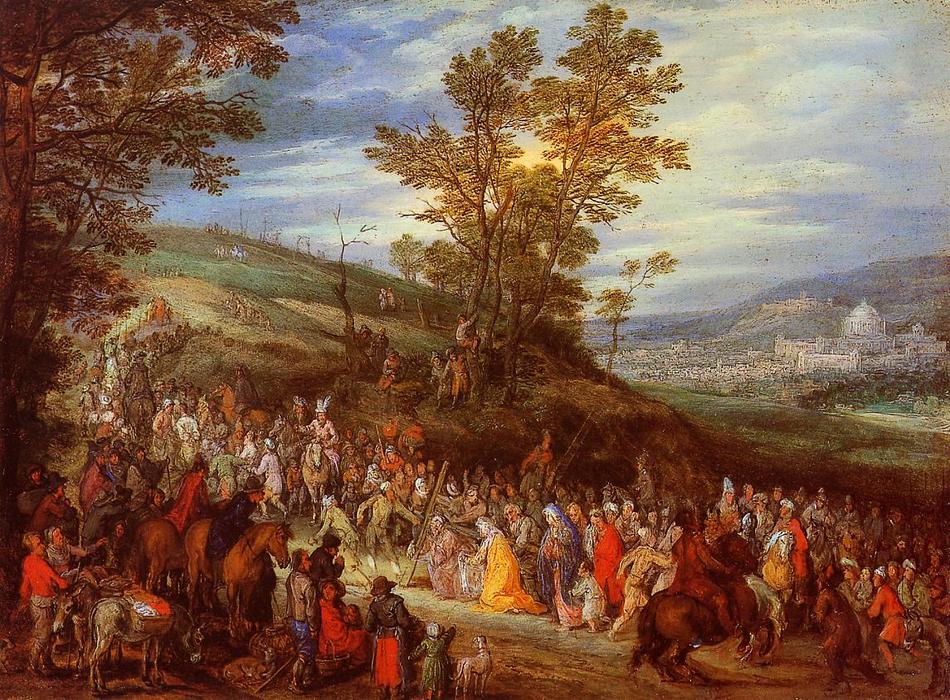
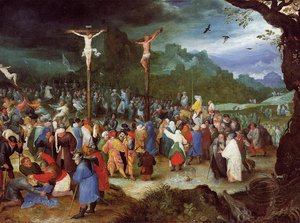
The Way of the Cross


 Ver más
Giclée / Impresión de arte
Impresiones giclée o en lienzo de calidad de museo con producción rápida y opciones de acabado flexibles. ( Comprar pintura hecha a mano Comprar imagen)




P118B $10

P118H $10

P118W $10

P438Z $10

P508JH $12

P508YH $12

P805H $10

P805Z $10

P919BZ $10

P919G $10

P919XJ $10

P959ZH $10

P968JZ $12

W106C $8

W218G $10

W218JH $8

W218Y $10

W307PJ $10

W316G $10

W316PJ $8

W316Y $10

W398PJ $8

W4111J $10

W500HY $15

W500JH $15

W692G $12

W849H $8

W940BG $15

W953PJ $8




Elija entre nuestros tamaños predefinidos que respetan las proporciones originales de la obra.

Puede introducir sus propias dimensiones para adaptarse a un marco o espacio específico. Si el tamaño seleccionado no coincide con las proporciones de la imagen original, recortaremos la obra de arte o extenderemos la imagen con un borde con efecto espejo o de color sólido. Se enviará una maqueta digital para su aprobación antes de que comience la producción.
Tenga en cuenta que la vista previa en pantalla no refleja el recorte o la extensión real. Solo la maqueta mostrará con precisión la composición final.
Aunque existen tamaños personalizados, recomendamos seleccionar una dimensión de la lista predefinida para preservar las proporciones originales.
Envío a todo el mundo () en 2 semanas en lugar de las 4/5 semanas estándar. (25 agosto)

Envío exprés gratuito a todo el mundo

Lienzo de lino de alta calidad

Seguro de envío total

Garantía de reembolso de impuestos aduaneros

Garantía de fidelidad cromática exacta

Política de devolución de 60 días (solo por defectos)

Garantía de devolución del 100% del dinero

Descuento por cantidad
 La opción de vidrio solo está disponible en tamaños inferiores a 110 cm.

The Way of the Cross
Giclée / Impresión de arte
Dimensiones de la reproducción
-


Precio total final
$ 62
Descripción de la pieza
Jan Brueghel the Elder: A Legacy Rooted in Flemish Soil
Jan Brueghel the Elder (1568-1625) stands as a monumental figure within the Flemish Baroque movement, inheriting and transforming the artistic vision of his father, Pieter Bruegel the Elder—a painter who had already established himself as a pioneer of depicting everyday life with unparalleled realism and psychological depth. Born in Brussels amidst turbulent political times, Jan’s formative years witnessed the decline of Burgundian rule and the rise of Habsburg dominance, shaping his worldview and influencing his artistic output. Raised initially by his grandmother, Mayken Verhulst—herself a respected artist—Jan received foundational training in drawing and watercolor, fostering an unwavering dedication to meticulous observation and technical mastery that would define his entire career. This lineage instilled within him not merely skill but also a profound understanding of the humanist ideals prevalent during the Renaissance, which continued to resonate powerfully throughout his artistic life.- Subject Matter: Brueghel’s oeuvre is characterized by an astonishing breadth of subjects—from idyllic landscapes populated with animals and mythological figures to dramatic depictions of biblical narratives and scenes from peasant life—reflecting the humanist fascination with the natural world and the complexities of human experience. However, it is his masterful portrayals of ‘The Way of the Cross,’ particularly the Chapel of the Cross at Karlštejn Castle, that cemented his reputation as one of the most influential artists of his era.
- Style: Brueghel’s style embodies the Baroque aesthetic—characterized by dynamism, theatricality, and a masterful manipulation of light and shadow. He eschewed the idealized forms favored by earlier Renaissance painters, opting instead for earthy realism that captured the textures and nuances of the natural world with breathtaking accuracy. His compositions are often densely populated, conveying a sense of grandeur and spectacle while simultaneously exploring profound moral themes.
- Technique: Brueghel’s technique involved layering paint—often employing glazing—to achieve remarkable depth and luminosity. Fine brushwork was meticulously executed to render intricate details—clothing folds, facial expressions, and the textures of foliage—creating a palpable sense of immediacy and realism. Collaboration with Rubens elevated his artistic prowess even further, demonstrating his ability to synthesize diverse influences into a cohesive visual language.
Composition & Perspective: Capturing Scale and Emotion
The Chapel of the Cross at St Cross College exemplifies Brueghel’s compositional genius—a deliberate orchestration of figures and space designed to evoke awe and contemplation. The artist employs atmospheric perspective, subtly diminishing the color intensity and detail of distant elements to convey a sense of depth and grandeur. Linear perspective guides the viewer's gaze towards the central altar, reinforcing the monumental scale of the chapel and emphasizing its spiritual significance. Furthermore, Brueghel’s masterful use of chiaroscuro—the dramatic interplay between light and shadow—creates a palpable emotional resonance, highlighting key figures and illuminating the sacred space with ethereal radiance.Symbolism & Emotional Impact: Reflections on Faith and Mortality
Brueghel's depictions of ‘The Way of Cross’ transcend mere visual representation; they serve as powerful meditations on faith, suffering, and redemption. The procession of figures—representing Christ’s journey to Calvary—is rendered with meticulous detail, capturing the expressions of sorrow and compassion that convey the profound emotional weight of the biblical narrative. The chapel itself—a symbol of pilgrimage and devotion—is bathed in golden light, symbolizing divine grace and illuminating the spiritual essence of the scene. Brueghel's work invites viewers to contemplate existential questions about human mortality and the enduring power of faith.Influence & Legacy: A Continuing Resonance Across Centuries
Jan Brueghel the Elder’s influence extends far beyond his own lifetime, shaping the artistic sensibilities of subsequent generations. His pioneering approach to landscape painting—characterized by its realism and psychological insight—established a precedent for artists seeking to capture the beauty and complexity of the natural world. Moreover, his masterful use of chiaroscuro and dramatic composition continues to inspire painters today, demonstrating the enduring relevance of Baroque aesthetics. Brueghel’s legacy resides not only in his iconic artworks but also in his unwavering commitment to artistic innovation—a testament to his profound understanding of both visual art and human experience.Obras relacionadas

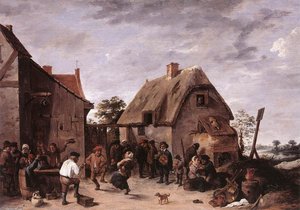
Biografía del artista
Jan Brueghel el Viejo: Una Vida en el Arte
- Nacido: Bruselas, Bélgica (1568)
- Fallecido: 1625
Jan Brueghel el Viejo, una figura destacada del movimiento barroco flamenco, nació en una familia profundamente arraigada en la tradición artística. Como segundo hijo del renombrado pintor neerlandés Pieter Bruegel el Anciano y hermano de Jan Brueghel el Joven, heredó un legado que moldeó profundamente su propia carrera. Su vida y obra reflejan una fascinante intersección de influencia familiar, estilos artísticos en evolución y contribuciones significativas al arte del siglo XVII.
Vida Temprana y Formación
Nacido en Bruselas, los primeros años de Jan Brueghel estuvieron inmersos en el mundo del arte. Su padre, Pieter Bruegel el Anciano, ya era un artista celebrado conocido por sus escenas de género y paisajes que representaban la vida campesina. Aunque los detalles sobre su formación formal son algo escasos, se cree ampliamente que recibió instrucción inicial de su padre. Más allá de esta guía familiar, Jan probablemente estudió bajo otros artistas destacados de la época, absorbiendo las técnicas y filosofías artísticas prevalecientes en Amberes y Bruselas.
Estilo Artístico y Obras Notables
Jan Brueghel el Viejo desarrolló un estilo distintivo caracterizado por una meticulosa atención al detalle, colores vibrantes y una hábil manipulación de la luz y la sombra. Si bien fue influenciado por los trabajos anteriores de su padre, forjó su propio camino, convirtiéndose en particular en un renombre por sus bodegones, paisajes y escenas alegóricas.
- Atención Meticulosa al Detalle: Sus obras son celebradas por su increíble detalle, evidente en la representación de flores, frutas, insectos y otros elementos naturales.
- Colores Vibrantes: Brueghel empleó una rica paleta, utilizando colores vibrantes para crear profundidad, emoción y atractivo visual en sus composiciones.
- Experimentación con Luz y Sombra: Utilizó hábilmente la luz y la sombra para crear efectos dramáticos y mejorar el realismo de sus pinturas.
Entre sus obras más notables se encuentran:
- El Triunfo de Neptuno (Museo del Prado, España): Una obra maestra a gran escala que muestra su dominio del color y la composición, representando una celebración lujosa en honor al dios marino.
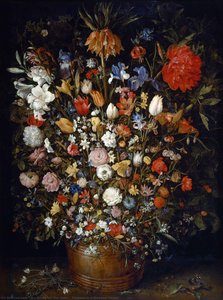
- Bodegón con Flores (Groeninge Museum, Bruges, Bélgica): Demuestra su excepcional habilidad para capturar la belleza y fragilidad de los objetos cotidianos, particularmente las flores.
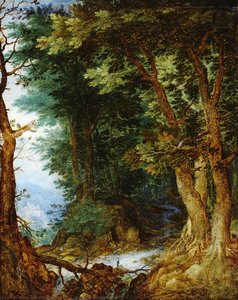
- Paisaje con Cascada (ArtsDot.com): Un testimonio de su capacidad para evocar emociones a través de paisajes, mostrando una escena natural serena pero poderosa.
Influencias y Desarrollo
Si bien indudablemente influenciado por el legado de su padre, Jan Brueghel el Viejo también se inspiró en las tendencias artísticas contemporáneas. El auge del arte barroco en Flandes impactó significativamente su estilo, lo que llevó a una mayor énfasis en el drama, la emoción y los detalles opulentos. Colaboró estrechamente con Peter Paul Rubens, uno de los artistas más influyentes de la época, intercambiando ideas y técnicas que refinaron aún más su propio enfoque. Su desarrollo también vio cómo se alejaba de obras puramente basadas en paisajes hacia composiciones más complejas que incorporaban elementos alegóricos y componentes detallados de bodegón.
Legado y Significado Histórico
Jan Brueghel el Viejo dejó una huella perdurable en el mundo del arte, consolidando su lugar como una figura significativa en el movimiento barroco flamenco. Su meticulosa atención al detalle, paletas de colores vibrantes e innovadoras composiciones continúan inspirando a los artistas hoy en día. Es particularmente reconocido por ser pionero en nuevos géneros como las pinturas de guirnaldas de flores y los paisajes paradisíacos, expandiendo las posibilidades de la expresión artística. Su obra refleja el espíritu de la Contrarreforma, incorporando motivos religiosos junto con un creciente interés en la observación científica y la representación precisa del mundo natural. Su influencia se extendió más allá de su propia vida, impactando a generaciones posteriores de pintores flamencos y contribuyendo al rico tapiz de la historia del arte europeo.
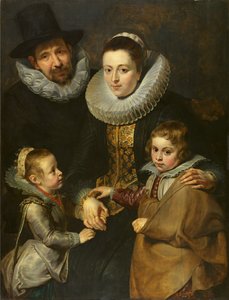
Jan Brueghel el Viejo
1568 - 1625 , Bélgica
Datos clave
- Artistas Influenciados:
- Jan Brueghel el Joven
- Jan van Kessel
- Pieter Bout
- Adriaen Frans Boudewyns
- Artistas Que Influyeron: ['Pieter Bruegel el Viejo']
- Fecha De Muerte: 1625
- Fecha De Nacimiento: 1568
- Lugar De Nacimiento: Bruselas, Bélgica
- Movimiento Artístico: Barroco flamenco
- Nacionalidad: Flamenco
- Nombre Completo: Jan Brueghel el Viejo
- Obras Notables:
- El triunfo de Neptuno
- Bodegón con flores
- Paisaje con cascada
Artículos relacionados
Jan Brueghel the Elder: A Master of Flemish Landscape & Allegory – Exploring Innovation & Influence
Explore the captivating world of Jan Brueghel the Elder, a Flemish Baroque master renowned for his stunning landscapes & allegorical paintings. Discover his collaborations with Rubens and lasting artistic legacy.
Jan van Kessel the Elder: A Baroque Master of Floral Still Life & Miniature Portraiture
Discover the exquisite detail of Jan van Kessel the Elder's Baroque floral still lifes & captivating miniatures. Explore his artistic legacy, scientific precision, and lasting influence on 17th-century Flemish painting.

The Dramatic Flourish: Exploring the Baroque Movement's Enduring Legacy in Art History
Explore the dramatic world of Baroque art! Discover iconic artists like Caravaggio & Rubens, defining techniques, and its lasting impact on art history. Expert insights for collectors & enthusiasts at ArtsDot.

The Visceral Stage: Exploring Dramatic Narratives & Emotional Intensity in Baroque Art
Explore the dramatic world of Baroque art! Discover iconic masters like Caravaggio & Rembrandt, their techniques, and the movement's lasting impact. Expert insights for collectors & enthusiasts at ArtsDot.

Drama Barroca: Llevando la Grandeza y la Emoción a los Interiores Contemporáneos
Descubre cómo el drama y la grandeza del arte barroco pueden transformar tus interiores. Guía experta, inspiración y reproducciones de alta calidad en .