

 Ver en contexto
 Enviar
 Compartir
 Detalles

 Descargar
 Similares
 Radiografía
 Presentación de diapositivas
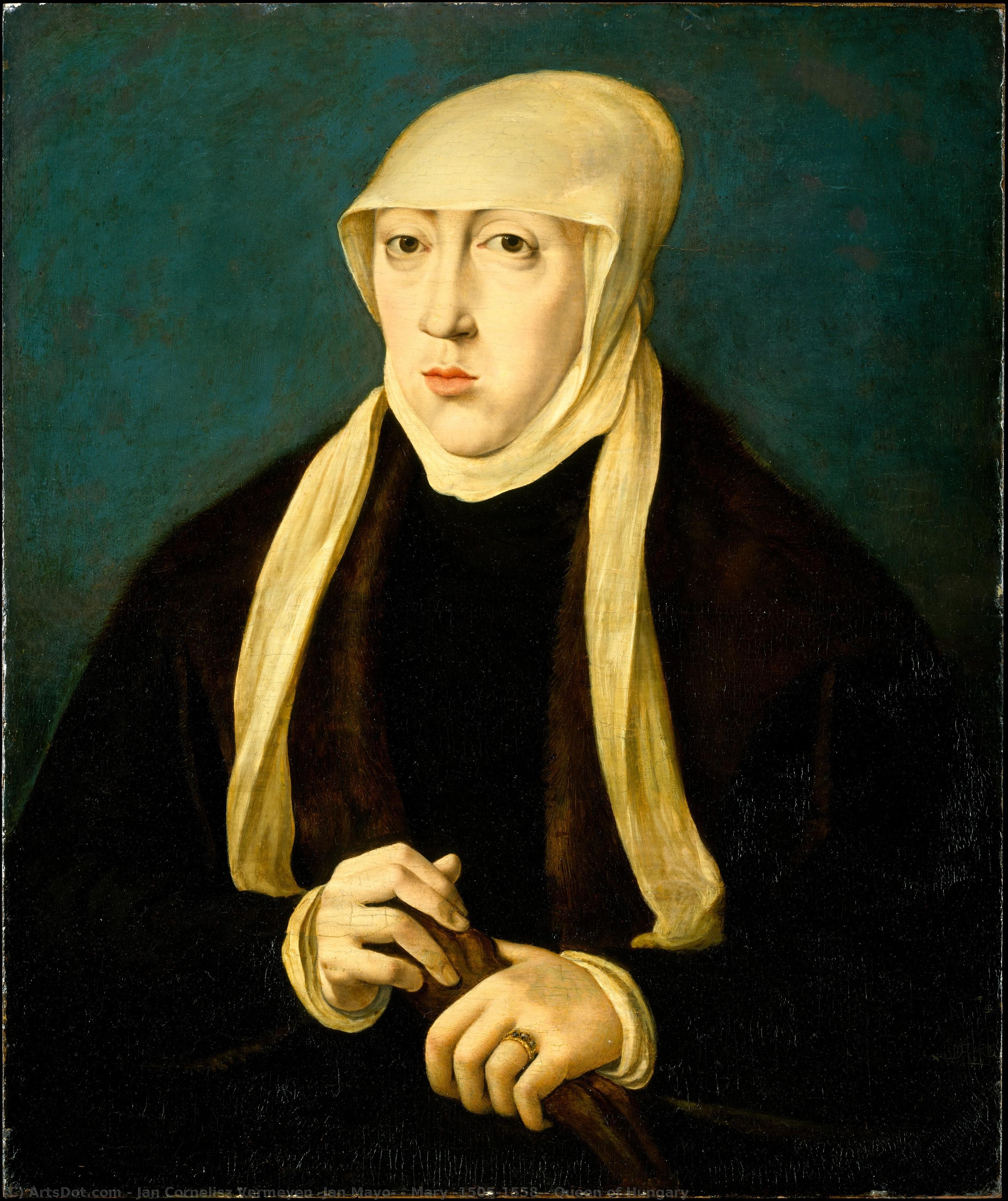
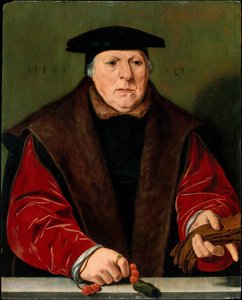
Mary (1505–1558), Queen of Hungary
 55.0 x 46.0 cm
 Museo Metropolitano de Arte
 Ver más
Reproducción al óleo hecha a mano
Óleo sobre lienzo pintado a mano en el tamaño y marco de su elección, realizado por encargo por nuestros artistas. ( Comprar impresión Comprar imagen)




































Elija entre nuestros tamaños predefinidos que respetan las proporciones originales de la obra.

Puede ingresar sus propias dimensiones para adaptarse a un marco o espacio específico. Si el tamaño seleccionado no coincide con las proporciones de la imagen original, recortaremos la obra o extenderemos la pintura con elementos adicionales pintados a mano. Se le enviará una maqueta digital para su aprobación antes de comenzar la producción.
Tenga en cuenta que la vista previa en pantalla no refleja el recorte o la extensión reales. Solo la maqueta mostrará con precisión la composición final.
Si bien existen tamaños personalizados, recomendamos seleccionar una dimensión de la lista predefinida para preservar las proporciones originales.
Tras realizar el pedido, el equipo de ArtsDot.com enviará un correo electrónico al cliente para solicitar instrucciones y proporcionarle una vista previa del boceto.
Envío a todo el mundo () en 3-4 semanas en lugar de las 5 semanas estándar. (1 septiembre). Sin comprometer la calidad.

Envío exprés gratuito a todo el mundo

Lienzo de lino de alta calidad

Seguro de envío total

Garantía de reembolso de impuestos aduaneros

Garantía de fidelidad cromática exacta

Política de devolución de 60 días (solo por defectos)

Garantía de devolución del 100% del dinero

Descuento por cantidad
 La opción de vidrio solo está disponible en tamaños inferiores a 110 cm.

Mary (1505–1558), Queen of Hungary
Técnica de reproducción
Dimensiones de la reproducción
-


Precio total final
$ 263
Obras relacionadas







Biografía del artista
The Visual Chronicler of an Empire
Jan Cornelisz Vermeyen, known to history by the evocative monikers Jan Mayo or Barbalonga, was far more than a mere painter; he was a luminous figure who captured the very essence of the Dutch Northern Renaissance. Born around 1503 in the quiet village of Beverwijk, his life unfolded not in provincial isolation, but through a grand odyssey across the most powerful courts of sixteenth-century Europe. As a visual chronicler of empire, Vermeyen’s brush served both as an instrument of profound spiritual expression and a potent tool for imperial propaganda, documenting the majesty of the Habsburg dynasty during an era of unprecedented expansion.His career was defined by a remarkable ability to navigate the highest echelons of power, moving through the corridors of influence alongside the most formidable rulers of his age. Whether capturing the solemnity of a religious feast or the martial splendor of a military campaign, his work synthesized the meticulous realism of the Low Countries with a burgeoning sense of classical grandeur.
A Synthesis of Northern Realism and Italian Elegance
The artistic soul of Vermeyen was forged in the crucible of the Romanism movement. His style represents a masterful dialogue between two worlds, blending the tactile, descriptive textures characteristic of Netherlandish art with the refined aesthetics of Italy. This unique aesthetic DNA was shaped by his exposure to influential masters such as Anton van Gossaert and Pieter Van Scorel. From these pioneers, he absorbed the ability to marry heavy, sculptural forms with a new, rhythmic elegance derived from Mediterranean ideals.This fusion allowed him to develop a technique that was both physically grounded and spiritually light. One can discern in his compositions the anatomical precision and light-filled atmospheres of the Italian masters, yet they are always anchored by a Northern devotion to detail. This duality is perhaps most evident in his mastery of:
- Spatial Illusionism: Creating depth and drama through sophisticated perspective.
- Luminous Palettes: Utilizing light to breathe life into fabric, flesh, and landscape.
- Psychological Nuance: Moving beyond mere likeness to capture the inner character of his subjects.
Legacy in Portraiture and Tapestry
Vermeyen’s professional ascent was inextricably linked to the heights of European power. He earned prestigious positions within the inner circles of the Habsburg Netherlands, serving as a dedicated portraitist for figures such as Archduchess Margaret of Austria and Mary of Hungary. His most iconic depictions, including his portraits of Emperor Charles V, capture more than mere physical likeness; they convey the profound psychological weight of imperial dignity. He even accompanied the Emperor on the military campaign to Tunis in 1535, bringing firsthand witness to the era's grand conquests.Beyond the canvas, his genius extended to the monumental scale of tapestry design. Collaborating extensively with Flemish weavers, he created intricate decorative panels that utilized dramatic storytelling to adorn the palaces and churches of Europe. Through these tapestries, Vermeyen transformed thread into narrative, ensuring that his vision of history and divinity would endure long after the era of the great empires had passed. His legacy remains etched in the very fabric of art history, a testament to an artist who could translate the grandeur of conquest into the eternal language of beauty.
jan cornelisz vermeyen (jan mayo)
1500 - 1559 , Netherlands
Datos clave
- Artistic Movement Or Style: Renaissance
- Artists Or Movements Influenced By This Artist: ['Baroque']
- Artists Who Influenced This Artist:
- Van Scorel
- Gossaert
- Date Of Birth: 1504
- Full Name: Jan Cornelisz Vermeyen
- Nationality: Dutch
- Notable Artworks:
- Portrait of a Man with a Rosary
- Mary (1505–1558), Queen of Hungary
- The Marriage at Cana
- Place Of Birth: Beaverwijk, Netherlands

