 Ver en contexto
 Enviar
 Compartir
 Detalles

 Descargar
 Similares
 Radiografía
 Presentación de diapositivas
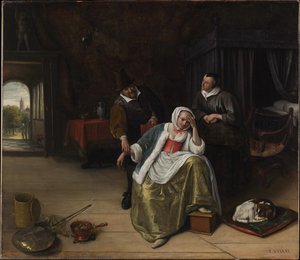
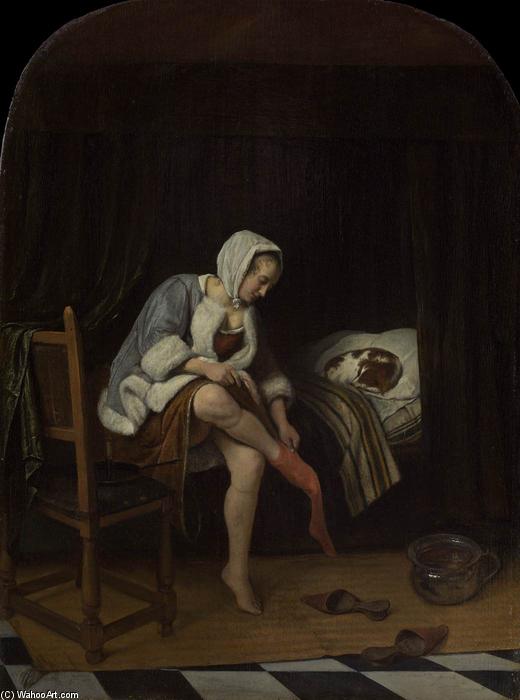
The Morning Toilet
 Oil On Canvas
- WallArt
- Baroque
 1665
1665 37.0 x 28.0 cm
 Rijksmuseum
 Ver más
Reproducción al óleo hecha a mano
Óleo sobre lienzo pintado a mano en el tamaño y marco de su elección, realizado por encargo por nuestros artistas. ( Comprar impresión Comprar imagen)




P118B $10

P118H $10

P118W $10

P438Z $10

P508JH $12

P508YH $12

P805H $10

P805Z $10

P919BZ $10

P919G $10

P919XJ $10

P959ZH $10

P968JZ $12

W106C $8

W218G $10

W218JH $8

W218Y $10

W307PJ $10

W316G $10

W316PJ $8

W316Y $10

W398PJ $8

W4111J $10

W500HY $15

W500JH $15

W692G $12

W849H $8

W940BG $15

W953PJ $8




Elija entre nuestros tamaños predefinidos que respetan las proporciones originales de la obra.

Puede ingresar sus propias dimensiones para adaptarse a un marco o espacio específico. Si el tamaño seleccionado no coincide con las proporciones de la imagen original, recortaremos la obra o extenderemos la pintura con elementos adicionales pintados a mano. Se le enviará una maqueta digital para su aprobación antes de comenzar la producción.
Tenga en cuenta que la vista previa en pantalla no refleja el recorte o la extensión reales. Solo la maqueta mostrará con precisión la composición final.
Si bien existen tamaños personalizados, recomendamos seleccionar una dimensión de la lista predefinida para preservar las proporciones originales.
Tras realizar el pedido, el equipo de ArtsDot.com enviará un correo electrónico al cliente para solicitar instrucciones y proporcionarle una vista previa del boceto.
Envío a todo el mundo () en 3-4 semanas en lugar de las 5 semanas estándar. (4 septiembre). Sin comprometer la calidad.

Envío exprés gratuito a todo el mundo

Lienzo de lino de alta calidad

Seguro de envío total

Garantía de reembolso de impuestos aduaneros

Garantía de fidelidad cromática exacta

Política de devolución de 60 días (solo por defectos)

Garantía de devolución del 100% del dinero

Descuento por cantidad
 La opción de vidrio solo está disponible en tamaños inferiores a 110 cm.

The Morning Toilet
Técnica de reproducción
Dimensiones de la reproducción
-


Precio total final
$ 263
A Snapshot of Everyday Chaos: Jan Steen’s “The Morning Toilet”
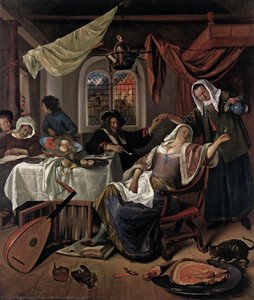
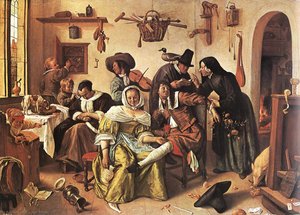
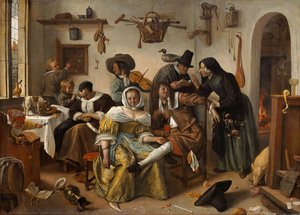
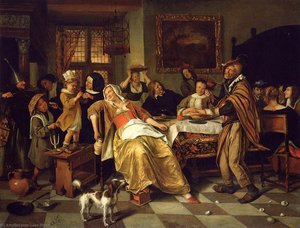
Jan Havickszoon Steen's "The Morning Toilet," painted in 1665, isn’t merely a depiction of domestic activity; it’s a vibrant, almost aggressively humorous, window into the soul of 17th-century Dutch life. Far removed from the grand narratives favored by many of his contemporaries, Steen chose to capture the messy, often absurd realities of daily existence – a decision that cemented his reputation as one of the most original and psychologically astute artists of the Golden Age. The painting immediately assaults the viewer with its sheer density: a chaotic tableau crammed into a modest room, overflowing with figures engaged in seemingly random, yet subtly interconnected, actions. It’s a scene brimming with both delight and discomfort, inviting us to question our own assumptions about propriety and social decorum.
A Masterclass in Genre Painting – Technique and Composition
Steen's skill lies not just in his subject matter but also in his masterful execution. The painting is rendered in rich, saturated colors—deep browns, vibrant blues, and the startling red of a woman’s stockings—that immediately draw the eye. His brushwork is remarkably loose and expressive, contributing to the sense of immediacy and movement within the scene. Notice how he uses light and shadow to sculpt the figures, creating a palpable three-dimensionality despite the crowded composition. The perspective is deliberately skewed, further enhancing the feeling of disorientation and inviting us into this intimate, yet overwhelming, domestic space. The use of detail—the lace on the woman’s dress, the texture of the wooden bed, the glint of metal in a nearby mirror—is meticulous, grounding the fantastical elements within a believable reality.
- Technique: Oil on canvas, demonstrating Steen's command of color and texture.
- Composition: A densely packed scene utilizing skewed perspective to create visual interest and chaos.
- Brushwork: Loose and expressive, contributing to the painting’s dynamic energy.
Decoding the Scene – Symbolism and Social Commentary
“The Morning Toilet” is far more than a simple snapshot of daily life; it's a carefully constructed social commentary delivered through a veil of humor. The central figure, a woman attending to her toilette, is surrounded by a flurry of activity: a man attempting to urinate on the floor (a common practice at the time), a young boy emptying a chamber pot, and a servant struggling with a bucket. Each action seems both urgent and utterly pointless, reflecting the perceived chaos and lack of control within Dutch society. The presence of a vanitas still life – a skull, a candle, and a book – subtly reminds us of mortality amidst the frivolity, suggesting that even in moments of apparent pleasure, death looms ever-present. The painting’s humor is often biting, exposing vanity, hypocrisy, and the absurdity of social conventions.
Notably, the inclusion of the chamber pot, a symbol of both cleanliness and waste, highlights the tension between outward appearances and inner realities within the household.A Window into 17th-Century Dutch Life – Historical Context
Steen’s work reflects the burgeoning middle class in 17th-century Holland—a period of unprecedented prosperity and social mobility. The painting captures a scene from the everyday lives of wealthy merchants and their families, offering a glimpse into their domestic routines and values. It's important to remember that public displays of bodily functions were not always considered shameful; rather, they were often viewed as part of the natural order. However, Steen’s depiction elevates these mundane activities to an almost theatrical level, prompting us to consider how we perceive and judge such behaviors. The painting stands as a testament to Steen's ability to capture the spirit of his time—a time of both great wealth and profound social anxieties.
For those seeking a reproduction of this captivating artwork, numerous high-quality prints are available, allowing you to bring this vibrant snapshot of 17th-century Dutch life into your own home. It’s a piece that continues to provoke thought and amusement centuries after its creation, reminding us of the enduring power of humor and social commentary.
Obras relacionadas

Biografía del artista
Un Maestro de la Comedia Humana
Jan Havickszoon Steen, un nombre sinónimo del pulso vibrante de la Edad Dorada holandesa, poseía una capacidad excepcional para transformar lo mundano en algo monumental. Nacido en Leiden alrededor de 1626 en el seno de una próspera familia católica, los primeros años de Steen estuvieron impregnados de la riqueza sensorial de la cervecería de su padre y de la atmósfera bulliciosa de la taberna Alabarda Roja. Esta crianza le proporcionó una ventana íntima y permanente al tejido social de los Países Bajos, desde las carcajadas estrepitosas de los campesinos hasta la estructurada domesticidad de la clase media. Mientras muchos de sus contemporáneos buscaban el prestigio a través de grandiosas alegorías históricas o mitológicas, Steen encontró su vocación en las realidades mucho más cercanas —y a menudo mucho más caóticas— de la vida cotidiana.
Su viaje artístico fue moldeado por una diversa gama de influencias que le permitieron desarrollar un estilo tanto técnicamente riguroso como emocionalmente resonante. Aunque los registros oficiales de su aprendizaje son esquivos, los relatos de la época sugieren que extrajo sabiduría de maestros como Jan van Goyen, Nicolaas Knüpfer y Adriaen van Ostade. Estos mentores le proporcionaron las habilidades fundamentales en el paisaje y el retrato que Steen acabaría infundiendo con su propio ingenio inimitable. Sentía una profunda admiración por Frans Hals, cuya pincelada suelta y enérgica, junto a su vitalidad psicológica, encuentran eco en la propia capacidad de Steen para capturar un instante fugaz de travesura o melancolía.
El Arte de la Narrativa y el Matiz Moral
Contemplar una pintura de Jan Steen es entrar en un escenario donde cada personaje, cada copa de vino derramada y cada carta olvidada cuenta una historia. Fue un maestro de la pintura de género, un movimiento que floreció durante el siglo XVII, pero lo elevó mediante un uso sofisticado del claroscuro y una narrativa simbólica. Sus lienzos rara vez son simples representaciones de escenas; son complejos tapices de comentario social. En obras como La visita del médico o El médico charlatán, Steen utiliza detalles meticulosos —la textura de una manga rústica, el destello de la luz sobre una jarra de cerámica— para asentar sus relatos en una realidad palpable. Sin embargo, bajo este realismo superficial subyace un filo satírico y agudo.
El genio de Steen residía en su habilidad para utilizar el humor como vehículo de instrucción moral. A menudo representaba escenas de "desorden" —reuniones ruidosas en tabernas, hogares desordenados o celebraciones desenfrenadas— no solo para entretener, sino para incitar a la reflexión sobre las consecuencias de la necedad y el exceso. Sus pinturas funcionan frecuentemente como relatos preventivos sobre la piedad y el decoro, utilizando el caos de una Fiesta Alegre para reflejar el caos potencial de un alma indisciplinada. Esta dualidad —la capacidad de hacer reír al espectador mientras, simultáneamente, se le invita a contemplar la virtud— es lo que distingue su obra de las piezas más puramente observacionales de sus colegas.
Legado y Evolución del Estilo
A medida que la carrera de Steen progresaba, su visión artística experimentó una evolución sutil pero significativa. Sus composiciones iniciales solían presentar figuras más grotescas o exageradas, apoyándose fuertemente en la tradición de escenas de género mucho más toscas y centradas en el campesinado. Sin embargo, conforme los gustos de la República Holandesa se desplazaron hacia una mayor elegancia y refinamiento, también lo hizo su pincel. En sus últimos años, las figuras de sus pinturas se volvieron más individualizadas y gráciles, las paletas de colores se hicieron más sutiles y sus composiciones alcanzaron un nuevo equilibrio compositivo. Esta transición refleja no solo su crecimiento personal como artista, sino también el cambiante paisaje cultural de finales del siglo XVII.
La importancia histórica de Jan Steen es incalculable. Sigue siendo una de las figuras más queridas de la era Barroca porque logró capturar la esencia misma de la humanidad: nuestra capacidad para la alegría, nuestra tendencia al error y nuestras luchas domésticas compartidas. Su influencia se extendió mucho más allá de las fronteras de Leiden, dejando una huella indeleble en el desarrollo de la pintura de género europea. Hoy en día, sus obras continúan cautivando a audiencias de todo el mundo, ofreciendo una ventana atemporal a un período de logros artísticos sin parangón y recordándonos que existe una belleza y una sabiduría profundas en los momentos más ordinarios.
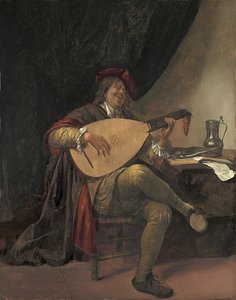
Jan Havickszoon Steen
1626 - 1679 , Países Bajos
Datos clave
- Artistic Movement Or Style: Pintura de género holandesa
- Artists Who Influenced This Artist: ['Hendrik Jacobsz. Stoffels']
- Date Of Birth: Leiden, Netherlands (1626)
- Date Of Death: 1679
- Full Name: Jan Havickszoon Steen
- Nationality: Holandés
- Notable Artworks:
- Juan el Bautista Predicando
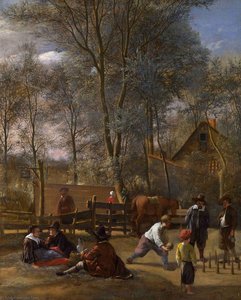
- Jugadores de Skittles fuera de una Taberna
- Compañía alegre en una terraza
- Place Of Birth: Leiden
Artículos relacionados
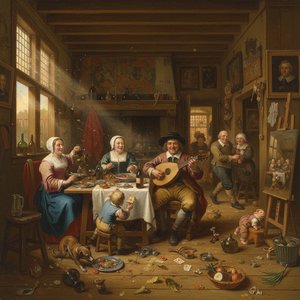
Jan Steen: A Master of Dutch Genre Painting & the Golden Age
Explore the life & art of Jan Steen, a leading Dutch Golden Age painter renowned for his humorous genre scenes & insightful social commentary. Discover his techniques, legacy, and collecting tips.

Reflejos de una Época Dorada: La Pintura Barroca Holandesa y la Innovación Cultural
Descubra la riqueza y el detalle de la pintura barroca holandesa del Siglo de Oro. Explore las obras maestras de Rembrandt, Vermeer y otros artistas clave. Análisis experto e historia cultural.

Los 10 Maestros del Siglo de Oro Holandés: Arte, Historia y Decoración Exclusiva
Descubre los 10 imprescindibles del Siglo de Oro Holandés: Rembrandt, Vermeer y más. Explora la historia, técnica y belleza de estos lienzos clásicos. Encuentra reproducciones de arte exclusivas para decorar tu hogar en .

Los 10 Maestros del Barroco Holandés: Obras que Definen una Época | ArtsDot
Descubre los 10 imprescindibles del Barroco holandés: Rembrandt, Vermeer y más. Explora la historia, técnica y belleza de estas obras maestras. Reproducciones de arte en ArtsDot.com para decorar tu hogar con elegancia.

La Luz y la República: Innovación Artística en el Siglo de Oro Neerlandés
Descubra la innovación artística del Siglo de Oro Neerlandés. Explore las obras maestras de Rembrandt y Vermeer, técnicas revolucionarias y el legado perdurable de este florecimiento cultural. ¡Sumérjase en la luz y la belleza!