

 Ver en contexto
 Enviar
 Compartir
 Detalles

 Descargar
 Similares
 Radiografía
 Presentación de diapositivas
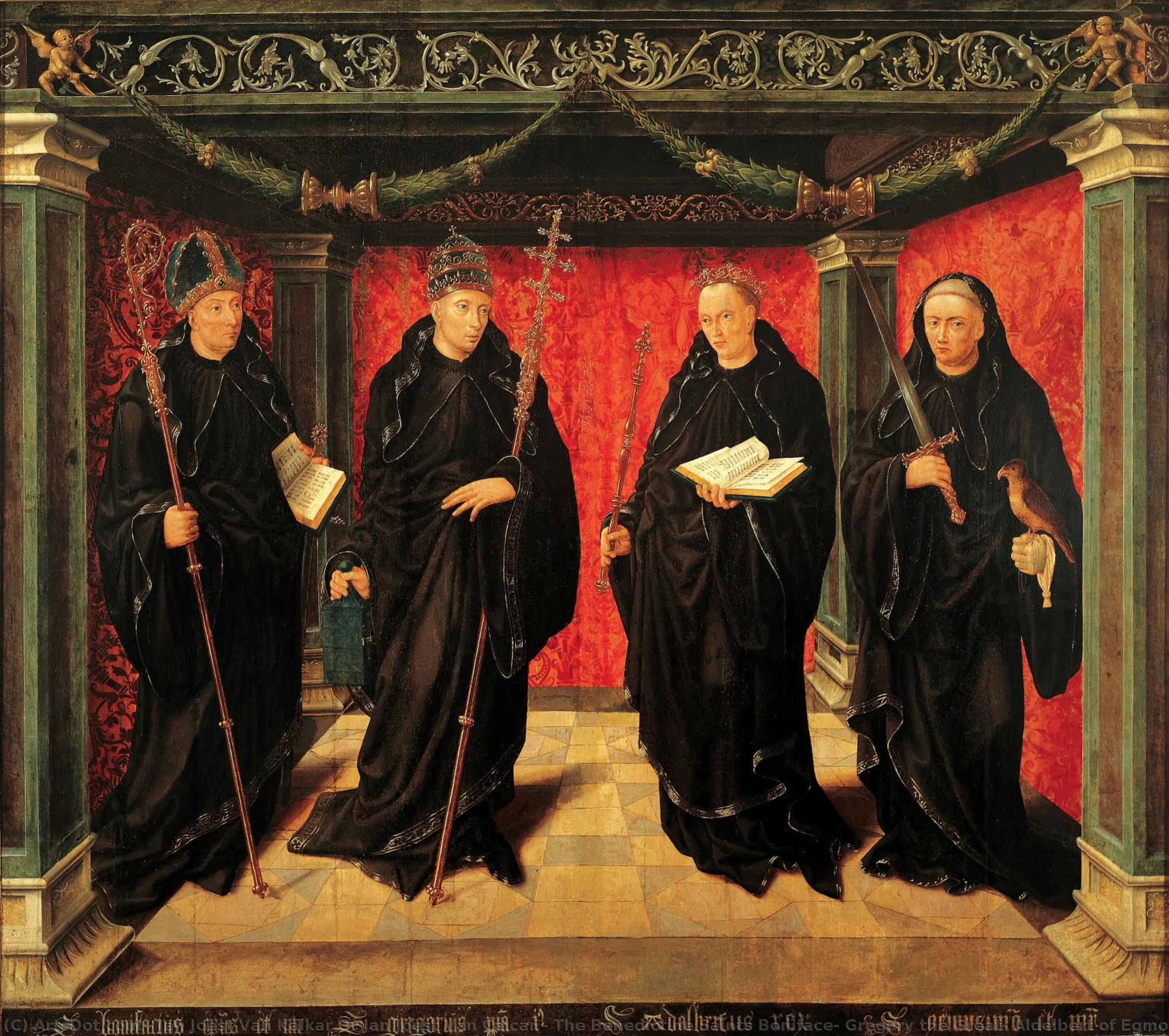
The Benedictine Saints Boniface, Gregory the Great, Aldelbert of Egmond and Jerome of Noordwijk
 Acrylic
- WallArt
- Northern Renaissance
 1534
1534 124.0 x 138.0 cm
 Museo Frans Hals
 Ver más
Giclée / Impresión de arte
Impresiones giclée o en lienzo de calidad de museo con producción rápida y opciones de acabado flexibles. ( Comprar pintura hecha a mano Comprar imagen)




P118B $10

P118H $10

P118W $10

P438Z $10

P508JH $12

P508YH $12

P805H $10

P805Z $10

P919BZ $10

P919G $10

P919XJ $10

P959ZH $10

P968JZ $12

W106C $8

W218G $10

W218JH $8

W218Y $10

W307PJ $10

W316G $10

W316PJ $8

W316Y $10

W398PJ $8

W4111J $10

W500HY $15

W500JH $15

W692G $12

W849H $8

W940BG $15

W953PJ $8




Elija entre nuestros tamaños predefinidos que respetan las proporciones originales de la obra.

Puede introducir sus propias dimensiones para adaptarse a un marco o espacio específico. Si el tamaño seleccionado no coincide con las proporciones de la imagen original, recortaremos la obra de arte o extenderemos la imagen con un borde con efecto espejo o de color sólido. Se enviará una maqueta digital para su aprobación antes de que comience la producción.
Tenga en cuenta que la vista previa en pantalla no refleja el recorte o la extensión real. Solo la maqueta mostrará con precisión la composición final.
Aunque existen tamaños personalizados, recomendamos seleccionar una dimensión de la lista predefinida para preservar las proporciones originales.
Envío a todo el mundo () en 2 semanas en lugar de las 4/5 semanas estándar. (30 agosto)

Envío exprés gratuito a todo el mundo

Lienzo de lino de alta calidad

Seguro de envío total

Garantía de reembolso de impuestos aduaneros

Garantía de fidelidad cromática exacta

Política de devolución de 60 días (solo por defectos)

Garantía de devolución del 100% del dinero

Descuento por cantidad
 La opción de vidrio solo está disponible en tamaños inferiores a 110 cm.

The Benedictine Saints Boniface, Gregory the Great, Aldelbert of Egmond and Jerome of Noordwijk
Giclée / Impresión de arte
Dimensiones de la reproducción
-


Precio total final
$ 62
A Testament to Faith: Jan Joest van Kalkar’s Benedictine Saints
The painting “The Benedictine Saints Boniface, Gregory the Great, Aldelbert of Egmond and Jerome of Noordwijk,” executed in 1534 by Jan Joest van Kalkar (or Calcar), stands as a remarkable example of Netherlandish Renaissance religious art. More than just a depiction of four revered saints—Boniface, Gregory the Great, Aldelbert, and Jerome—it embodies the spiritual fervor of its time and reflects the enduring influence of Benedictine monasticism on European culture. Originally conceived as outer panels of an altar screen destined for the Benedictine Abbey in Egmond Aan Zee, this monumental artwork speaks volumes about piety and artistic patronage within the burgeoning Reformation era.- Subject Matter & Composition: The painting portrays four saints—Boniface, Gregory the Great, Aldelbert, and Jerome—dressed in monastic robes, presenting a solemn tableau against a rich crimson background. This deliberate choice of color underscores the sanctity of the figures and evokes associations with liturgical rituals and royal splendor. Each saint is meticulously rendered, conveying dignity and piety through posture and gesture.
- Style & Technique: Kalkar’s masterful technique—characterized by smooth glazing and subtle tonal gradations—demonstrates a commitment to realism tempered by idealized beauty. The artist skillfully captures the textures of fabric and skin, creating an illusionistic depth that draws the viewer into the scene. Evidence suggests Kalkar's workshop employed oil paint on panel, a favored medium for devotional art during this period.
Historical Context: Benedictine Monasticism and Artistic Patronage
The Abbey of Egmond Aan Zee served as a focal point for Benedictine monastic life in Holland during the sixteenth century. The commission for this altarpiece reflects the abbey’s commitment to preserving tradition amidst the turbulent religious landscape of the Reformation. Saint Boniface, Gregory the Great, Aldelbert and Jerome were prominent figures in Christian history, representing papal authority, theological scholarship, pastoral care, and missionary zeal—values deeply cherished by Benedictine monks. The painting serves as a visual reminder of these saints’ contributions to the spiritual heritage of Christendom.- Symbolism: Each saint is imbued with symbolic significance. Boniface holds a book symbolizing gospel preaching and martyrdom, Gregory the Great carries a papal mitre and crosier representing ecclesiastical leadership and divine grace. Aldelbert’s gesture signifies his role as a preacher and evangelist, while Jerome clutches a sword signifying defense of faith against heresy. The crimson background symbolizes royal dignity and spiritual fervor.
- Provenance & Significance: Originally part of an altar screen, the painting's subsequent relocation to the Frans Hals Museum in Haarlem ensures its preservation for future generations. Its inclusion within the Wallraf-Richartz Museum’s collection further cements its place as a cornerstone of Netherlandish Renaissance art.
Emotional Impact & Artistic Legacy
“The Benedictine Saints Boniface, Gregory the Great, Aldelbert of Egmond and Jerome of Noordwijk” transcends mere visual representation; it communicates profound spiritual emotion. The serene expressions of the saints convey humility and devotion, inviting contemplation on themes of faith, piety, and divine providence. Kalkar’s work stands as a testament to the enduring power of religious art to inspire awe and reverence—a legacy that continues to resonate with audiences today. Its meticulous detail and harmonious composition exemplify the artistic ideals of the Renaissance, securing its place among the masterpieces of Netherlandish painting.Obras relacionadas
Biografía del artista
primeros años e identidad descubierta
jan joest van kalkar o jan joest van calcar, pintor neerlandés originario de Kalkar o Wesel (actual Alemania), permaneció envuelto en el misterio hasta 1874. El velo de la oscuridad fue finalmente levantado por Jacob Anton Wolff y Oskar Eisenmann, quienes lograron establecer su identidad, revelando ante el mundo a un verdadero maestro del arte religioso.contribuciones artísticas
Reconocido por sus pinturas devocionales, las obras de jan joest van calcar se caracterizan por una representación serena pero profunda de las escenas bíblicas. Entre sus piezas más celebradas destacan:- fragmento con la transfiguración de Cristo (resurrección), una conmovedora obra al óleo sobre tabla que muestra a Cristo en un estado de bendición, datada entre 1515 y 1520.
- los santos benedictinos Bonifacio, Gregorio Magno, Aldelberto de Egmond y Jerónimo de Noordwijk, una obra maestra al óleo sobre tabla que presenta a cuatro santos con hábitos monásticos, custodiada en el Museo Frans Hals en Haarlem, Países Bajenda.
importancia museológica
El Museo Wallraf-Richartz en Colonia, Alemania, y el Stedelijk Museum Ámsterdam en los Países Bajos se encuentran entre los museos más destacados que albergan obras de este periodo. Aunque la vida de Jan Joest sigue siendo en gran medida desconocida, su arte continúa siendo un objeto de fascinación tanto para entusiastas del arte como para académicos.legado e influencia
La influencia de jan joest van kalkar o jan joest van calcar en el desarrollo del arte devocional es innegable. Sus obras, aunque limitadas en número, han dejado una huella indeleble en el mundo del arte, inspirando a las generaciones venideras.- vea más obras de jan joest van kalkar o jan joest van calcar en [https://ArtsDot.com/@/jan-joest-van-kalkar-or-jan-joest-van-calcar](https://ArtsDot.com/@/jan-joest-van-kalkar-or-jan-joest-van-calcar)
- explore la colección del Stedelijk Museum Ámsterdam en /es/art/list/
- descubra más sobre el Museo Wallraf-Richartz en [https://ArtsDot.com/@@/a@d3c8bt-the-wallraf-richartz-museum-cologne-germany](https://ArtsDot.com/@@/a@d3c8bt-the-wallraf-richartz-museum-cologne-germany)
conclusión
La enigmática vida de jan joest van kalkar o jan joost van calcar ha dado paso a un legado profundo en el mundo del arte. Sus obras maestras devocionales siguen cautivando al público, asegurando su lugar entre los pintores neerlandeses más venerados de su época.- referencias: [https://ArtsDot.com/@@/d37c228-jan-joest-van-calcar-fragment-with-the-transfiguration-of-christ-(resurrect..](https://ArtsDot.com/@@/d37c28-jan-joest-van-calcar-fragment-with-the-transfiguration-of-christ-(resurrect..)
- perfil del artista: [https://ArtsDot.com/@/jan-joest-van-kalkar-or-jan-joest-van-calcar](https://ArtsDot.com/@/jan-joest-van-kalkar-or-jan-joest-van-calcar)
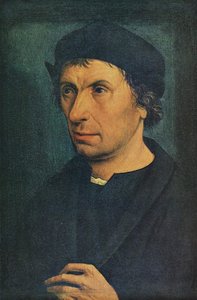
Jan Joest Van Kalkar O Jan Joest Van Calcar
1519 , Alemania
Datos clave
- Fecha De Fallecimiento: 1519
- Movimiento O Estilo Artístico: World Goes Pop
- Obras Notables:
- Evelyne Axell
- Joav BarEl
- Thomas Bayrle
Artículos relacionados
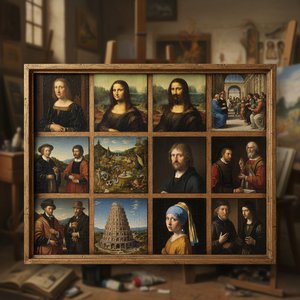
Las 10 Obras Maestras al Óleo sobre Panel que Transformaron la Historia del Arte |
Descubre las 10 obras maestras al óleo sobre panel que revolucionaron la historia del arte. Explora a Jan van Eyck, Botticelli y otros genios renacentistas. Reproducciones de arte exclusivas en para transformar tu hogar.
Oil on Panel: A Historical Survey of Technique, Support & Aesthetic Evolution
Explore the rich history of oil on panel painting! Discover Renaissance techniques, support structures & aesthetic evolution. Expert insights for art collectors and enthusiasts.
El Enduring Legado de la Tabla: Una Revisión Histórica de la Técnica, el Soporte y el Impacto Estético del Óleo sobre Madera
Descubre la fascinante historia de la pintura sobre tabla y óleo sobre madera. Explora técnicas ancestrales, artistas clave del Renacimiento y consejos para conservar estas obras maestras. ¡Un viaje por el legado artístico!

El Óleo sobre Lienzo: Historia, Técnica y la Persistencia de un Medio Artístico Atemporal
Descubre la historia y técnica del óleo sobre lienzo. Explora reproducciones fieles hechas a mano, personalización artística y consejos de expertos con ArtsDot. ¡Colecciona arte con confianza!
Oil on Board: A Historical Survey of Technique, Aesthetic Qualities & Enduring Appeal
Explore the rich history of oil on board painting! Discover techniques, aesthetic qualities & enduring appeal from early masters to modern practice. Expert insights for collectors and art enthusiasts.

