 Ver en contexto
 Enviar
 Compartir
 Detalles

 Descargar
 Similares
 Radiografía
 Presentación de diapositivas
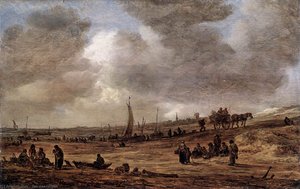
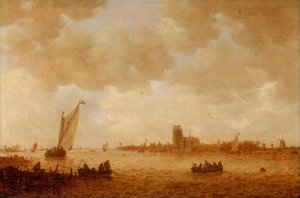
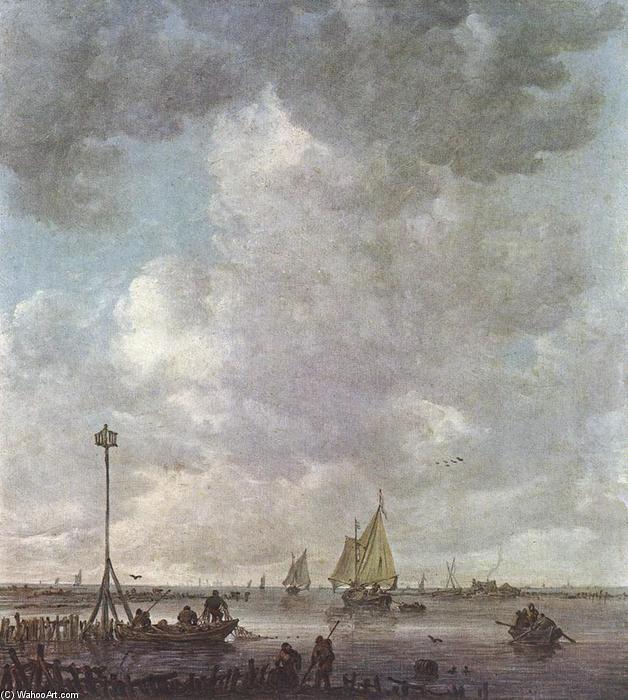
Marine Landscape with Fishermen


 Ver más
Giclée / Impresión de arte
Impresiones giclée o en lienzo de calidad de museo con producción rápida y opciones de acabado flexibles. ( Comprar pintura hecha a mano Comprar imagen)




P118B $10

P118H $10

P118W $10

P438Z $10

P508JH $12

P508YH $12

P805H $10

P805Z $10

P919BZ $10

P919G $10

P919XJ $10

P959ZH $10

P968JZ $12

W106C $8

W218G $10

W218JH $8

W218Y $10

W307PJ $10

W316G $10

W316PJ $8

W316Y $10

W398PJ $8

W4111J $10

W500HY $15

W500JH $15

W692G $12

W849H $8

W940BG $15

W953PJ $8




Elija entre nuestros tamaños predefinidos que respetan las proporciones originales de la obra.

Puede introducir sus propias dimensiones para adaptarse a un marco o espacio específico. Si el tamaño seleccionado no coincide con las proporciones de la imagen original, recortaremos la obra de arte o extenderemos la imagen con un borde con efecto espejo o de color sólido. Se enviará una maqueta digital para su aprobación antes de que comience la producción.
Tenga en cuenta que la vista previa en pantalla no refleja el recorte o la extensión real. Solo la maqueta mostrará con precisión la composición final.
Aunque existen tamaños personalizados, recomendamos seleccionar una dimensión de la lista predefinida para preservar las proporciones originales.
Envío a todo el mundo () en 2 semanas en lugar de las 4/5 semanas estándar. (27 agosto)

Envío exprés gratuito a todo el mundo

Lienzo de lino de alta calidad

Seguro de envío total

Garantía de reembolso de impuestos aduaneros

Garantía de fidelidad cromática exacta

Política de devolución de 60 días (solo por defectos)

Garantía de devolución del 100% del dinero

Descuento por cantidad
 La opción de vidrio solo está disponible en tamaños inferiores a 110 cm.

Marine Landscape with Fishermen
Giclée / Impresión de arte
Dimensiones de la reproducción
-


Precio total final
$ 62
A Serene Embrace: Jan van Goyen’s “Marine Landscape with Fishermen”
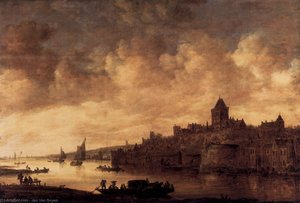
Jan Josephszoon van Goyen's "Marine Landscape with Fishermen" is more than just a depiction of a coastal scene; it’s a masterful distillation of the Dutch Golden Age’s fascination with light, atmosphere, and the quiet dignity of everyday life. Painted around 1640, this work resides within the Szépmûvészeti Múzeum in Budapest, Hungary, yet its roots lie firmly in the canals and waterways of the Netherlands – a landscape that profoundly shaped the artistic sensibilities of an entire nation.
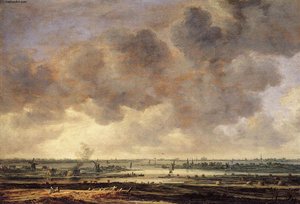
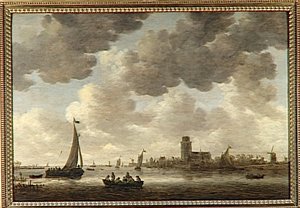
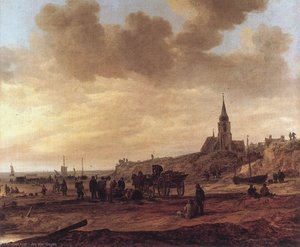
The painting immediately draws the viewer into a world of muted tones and subtle gradations. Van Goyen, renowned for his ability to capture the ephemeral qualities of light and water, employs a remarkably restrained palette dominated by grays, browns, and greens. These aren’t vibrant, saturated colors; rather, they are carefully blended to create an illusion of depth and distance, mimicking the hazy atmosphere often found over bodies of water. The sky, heavy with suggestion rather than explicit detail, seems to press down upon the scene, while the reflections on the water shimmer with a ghostly quality.
The Language of Light and Shadow
Van Goyen’s technique is characterized by its remarkable economy of brushstrokes. He avoids meticulous detailing, instead focusing on capturing the *essence* of the landscape – its mood, texture, and the way light interacts with its surfaces. The boats, rendered in broad, confident strokes, are not sharply defined but rather suggested through a careful manipulation of shadow and reflection. This approach, rooted in the principles of atmospheric perspective, creates a sense of vastness and distance that is both captivating and profoundly calming.
The artist’s use of *tenebrism*, a technique borrowed from Caravaggio, subtly emphasizes certain areas while leaving others shrouded in darkness. The foreground figures, engaged in their work, are brought into sharp relief against the diffused light of the background, drawing the viewer's eye and creating a sense of intimacy within the expansive scene. The way he builds up layers of thin paint, allowing the underlying ground to peek through, adds to the painting’s luminous quality – it feels as though the light itself is emanating from the canvas.
A Window into Dutch Life
"Marine Landscape with Fishermen" offers a poignant glimpse into the lives of ordinary Dutch people during the 17th century. The fishermen, depicted in simple, functional clothing, are not heroic figures engaged in grand adventures; they are simply men working their trade, connected to the rhythms of nature and the necessities of life. Their presence speaks to the deep-seated connection between the Dutch people and the sea – a relationship that shaped their economy, culture, and identity.
The painting’s historical context is crucial to understanding its significance. During this period, the Netherlands was experiencing a remarkable economic boom fueled by trade and maritime exploration. The canals and waterways of the country were vital arteries of commerce, and the lives of those who worked on them – fishermen, merchants, shipbuilders – were central to the nation’s prosperity. Van Goyen's work serves as a quiet celebration of this industrious spirit.
Symbolism and Emotional Resonance
Beyond its realistic depiction of a coastal scene, “Marine Landscape with Fishermen” is imbued with a subtle sense of melancholy and contemplation. The muted colors, the hazy atmosphere, and the solitary figures all contribute to an overall feeling of quietude and introspection. It’s not a painting that shouts for attention; rather, it invites the viewer to pause, reflect, and connect with the timeless beauty of the natural world.
The painting's enduring appeal lies in its ability to evoke a sense of nostalgia – a longing for simpler times, for connection with nature, and for the quiet dignity of human endeavor. It’s a testament to Van Goyen’s skill as an artist and his profound understanding of the human condition.
Additional Research:
- Marine Landscape with Fishermen by GOYEN, Jan van
- jan josephszoon van goyen
- Marine Landscape with Fishermen
Useful Links:
Obras relacionadas
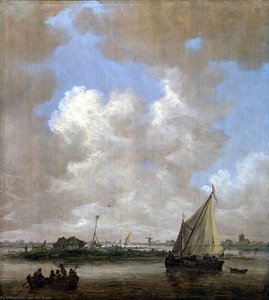
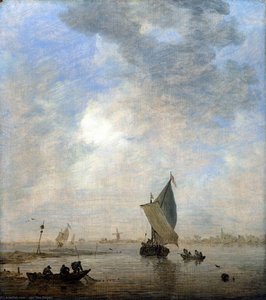
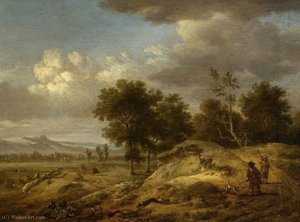
Biografía del artista
Jan van Goyen: El Maestro Sereno de los Paisajes Holandeses
En el corazón del Siglo de Oro holandés, un período de florecimiento artístico y comercial sin precedentes, surgió Jan Josephszoon van Goyen (1596-1656), un pintor que capturó la esencia misma de los paisajes de su tierra natal con una sensibilidad única. Nacido en Leiden, una ciudad vibrante por el comercio y la cultura, Van Goyen no fue simplemente un artista; fue un cronista visual de la Holanda del siglo XVII, plasmando sus ríos sinuosos, sus campos ondulantes y sus cielos cambiantes con una maestría que aún hoy nos conmueve.
La formación inicial de Van Goyen estuvo marcada por el rigor técnico. Comenzó como aprendiz en Leiden, perfeccionando los fundamentos del oficio bajo la tutela de maestros locales. Posteriormente, se trasladó a Haarlem, donde estudió con el renombrado Esaias van de Velde, un pintor que ya había sentado las bases para una nueva forma de representar el paisaje. Sin embargo, Van Goyen no se limitó a imitar a su maestro; rápidamente desarrolló un estilo propio, uno caracterizado por la simplicidad, la sutileza tonal y una paleta de colores restringida – grises, marrones y verdes dominaban sus lienzos, creando atmósferas evocadoras que invitaban a la contemplación.
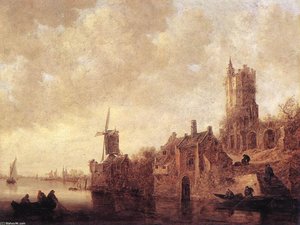
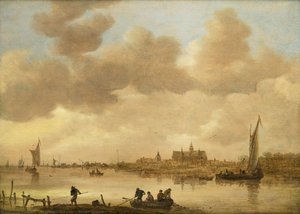
A diferencia de otros artistas contemporáneos que se inclinaban por paisajes exuberantes y detallados, Van Goyen buscó una representación más realista y atmosférica. Sus obras no eran meras ilustraciones del paisaje; eran interpretaciones poéticas de la luz, el aire y el agua. River Landscape with Windmill es quizás su obra más emblemática, un ejemplo perfecto de su maestría en la creación de paisajes tonales donde la atmósfera se convierte en protagonista. Observamos cómo las tonalidades suaves y los contornos difuminados sugieren una sensación de calma y serenidad, mientras que el molino de viento, situado estratégicamente en la composición, añade un toque de vida y actividad a la escena. De manera similar, Fishermen by the Lakeshore captura la quietud de las aguas al amanecer, con los pescadores apenas visibles entre la niebla matutina.
La prolífica producción de Van Goyen – se estima que pintó alrededor de 1200 obras y realizó más de 1000 dibujos – es testimonio de su dedicación incansable al arte. Sus paisajes no solo reflejan la belleza natural del paisaje holandés, sino también el espíritu emprendedor y la prosperidad económica de la época. Sin embargo, a pesar de su éxito artístico, Van Goyen enfrentó dificultades financieras significativas a lo largo de su vida. Se aventuró en diversos negocios, incluyendo la especulación con tulipanes durante la infame "Tulipomanía", pero sus inversiones a menudo terminaron en pérdidas. A su muerte, en La Haya, se encontraba profundamente endeudado.
Legado e Influencia
El legado de Jan van Goyen trasciende su propia época. Su enfoque realista y atmosférico allanó el camino para generaciones posteriores de pintores paisajistas holandeses. Su influencia es particularmente evidente en la obra de artistas como Jan Steen, quien fue uno de sus alumnos más destacados. Van Goyen no solo enseñó técnicas pictóricas; inculcó una sensibilidad artística que inspiró a sus discípulos a observar el mundo con nuevos ojos. Su capacidad para capturar la esencia del paisaje holandés, su maestría en la creación de atmósferas evocadoras y su compromiso con la representación realista lo han consolidado como uno de los grandes maestros del Siglo de Oro holandés, un pintor cuya obra continúa inspirando admiración y asombro.
Un Pionero del Paisaje Tonal
Van Goyen es reconocido hoy en día como el pionero del paisaje tonal. Esta técnica se caracteriza por la reducción de la paleta de colores a unos pocos tonos neutros, principalmente grises y marrones, para crear una atmósfera suave y difusa. En lugar de centrarse en los detalles precisos, Van Goyen buscaba capturar la sensación general del paisaje, su luz y su aire. Esta aproximación innovadora marcó un punto de inflexión en la historia del arte holandés, abriendo nuevas posibilidades expresivas para el género paisajístico.
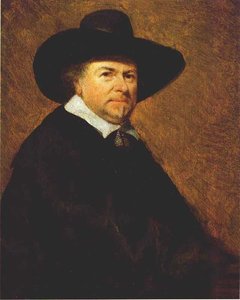
Jan van Goyen
1596 - 1656 , Países Bajos
Datos clave
- Artistic Movement Or Style: Dutch Golden Age painting
- Artists Or Movements Influenced By This Artist: Jan Steen
- Artists Who Influenced This Artist: Esaias van de Velde
- Date Of Birth: January 13, 1596
- Date Of Death: April 27, 1656
- Full Name: Jan Josephszoon van Goyen
- Nationality: Dutch
- Notable Artworks:
- River Landscape with Windmill
- Fishermen by the Lakeshore
- Place Of Birth: Leiden, Netherlands
Artículos relacionados
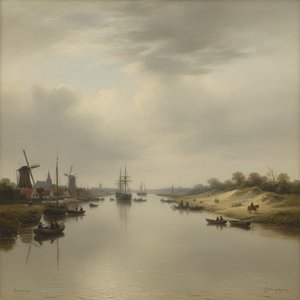
Jan van Goyen: Master of Dutch Landscape & Atmospheric Perspective
Discover Jan van Goyen, the master of Dutch landscape painting. Explore his subtle technique, atmospheric realism & lasting influence on art history. Learn about this 17th-century pioneer at ArtsDot.

Rembrandt van Rijn: Las 25 Obras Maestras que Definen un Genio | Arte, Historia y Decoración
Descubre las 25 obras maestras de Rembrandt van Rijn, el genio del barroco holandés. Explora su historia, técnica y simbolismo en retratos icónicos como 'La Ronda Nocturna'. Encuentra reproducciones de arte exclusivas para decorar tu hogar con ArtsDot.com.
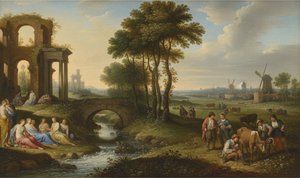
Cornelis van Poelenburch: Bridging Mannerism & the Dutch Baroque Landscape
Discover Cornelis van Poelenburch, a pivotal Dutch Baroque landscape painter bridging Mannerism & Italianate styles. Explore his life, key works, and lasting influence on 17th-century art with ArtsDot.
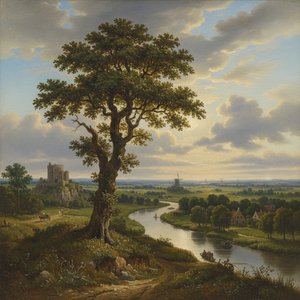
Jacob van Ruisdael: Master of Dutch Landscape & the Evocation of National Identity
Explore the life & work of Jacob van Ruisdael, the preeminent Dutch landscape painter. Discover his technical brilliance, symbolic depth, and lasting influence on art history. Learn about collecting Ruisdael's masterpieces.
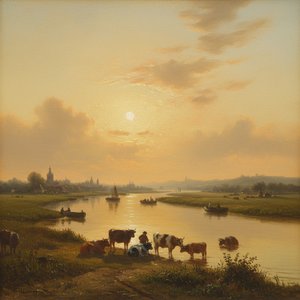
Aelbert Cuyp: Illuminating the Dutch Golden Age with Light & Landscape
Explore the luminous landscapes of Aelbert Cuyp, a master of the Dutch Golden Age. Discover his unique light, serene riverside scenes & lasting influence on art history. Learn more at ArtsDot.