 Ver en contexto
 Enviar
 Compartir
 Detalles

 Descargar
 Similares
 Radiografía
 Presentación de diapositivas
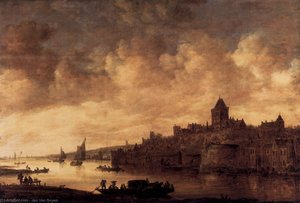
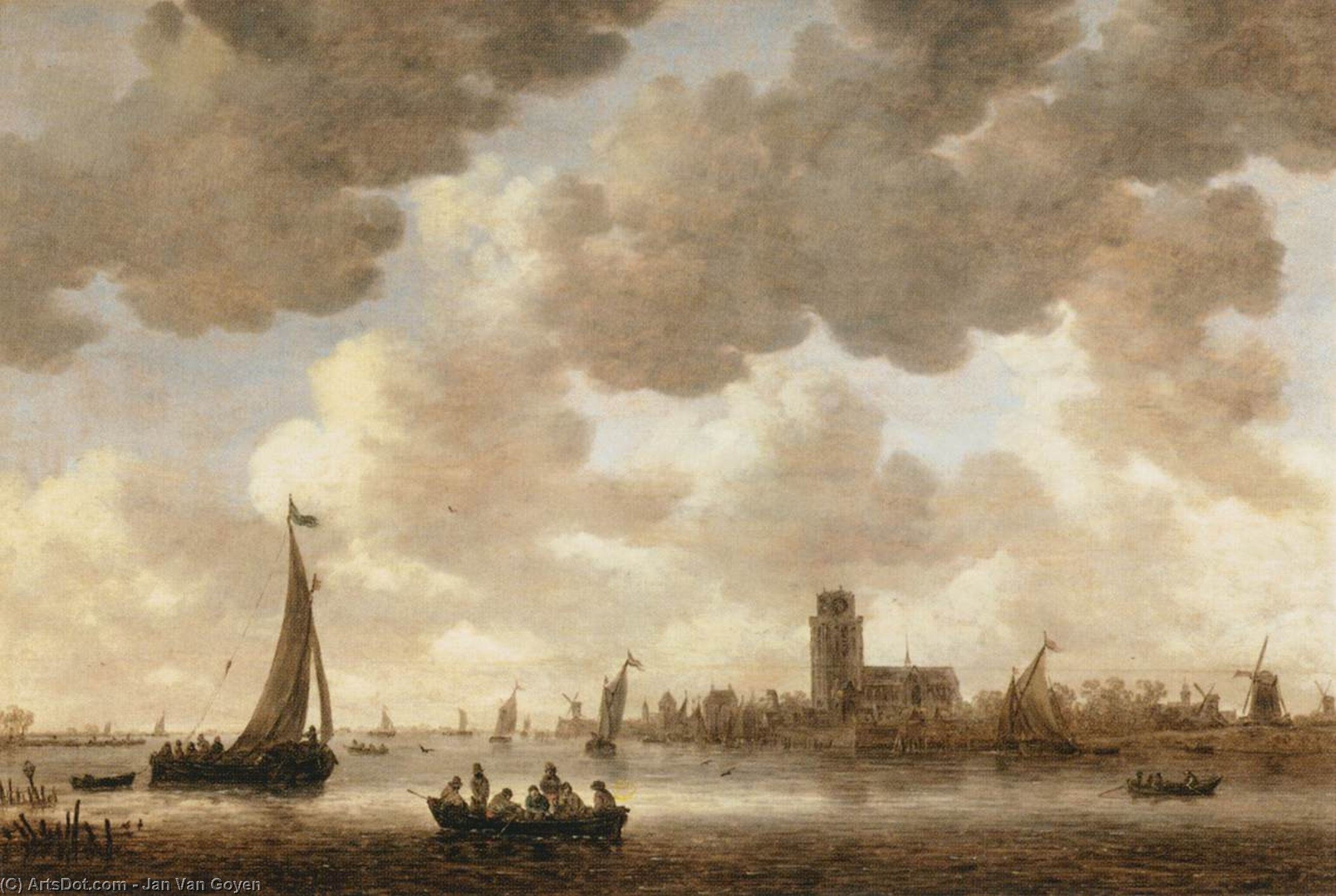
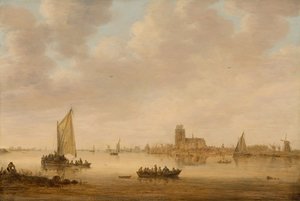
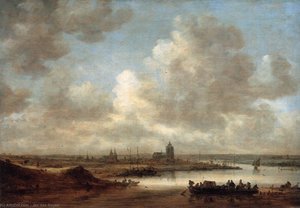
The Meuse at Dordrecht with the Groote Kerk
 Oil On Canvas
- WallArt
- Dutch Golden Age painting
 1647
1647 74.0 x 108.0 cm
 Museo del Louvre
 Ver más
Reproducción al óleo hecha a mano
Óleo sobre lienzo pintado a mano en el tamaño y marco de su elección, realizado por encargo por nuestros artistas. ( Comprar impresión Comprar imagen)




P118B $10

P118H $10

P118W $10

P438Z $10

P508JH $12

P508YH $12

P805H $10

P805Z $10

P919BZ $10

P919G $10

P919XJ $10

P959ZH $10

P968JZ $12

W106C $8

W218G $10

W218JH $8

W218Y $10

W307PJ $10

W316G $10

W316PJ $8

W316Y $10

W398PJ $8

W4111J $10

W500HY $15

W500JH $15

W692G $12

W849H $8

W940BG $15

W953PJ $8




Elija entre nuestros tamaños predefinidos que respetan las proporciones originales de la obra.

Puede ingresar sus propias dimensiones para adaptarse a un marco o espacio específico. Si el tamaño seleccionado no coincide con las proporciones de la imagen original, recortaremos la obra o extenderemos la pintura con elementos adicionales pintados a mano. Se le enviará una maqueta digital para su aprobación antes de comenzar la producción.
Tenga en cuenta que la vista previa en pantalla no refleja el recorte o la extensión reales. Solo la maqueta mostrará con precisión la composición final.
Si bien existen tamaños personalizados, recomendamos seleccionar una dimensión de la lista predefinida para preservar las proporciones originales.
Tras realizar el pedido, el equipo de ArtsDot.com enviará un correo electrónico al cliente para solicitar instrucciones y proporcionarle una vista previa del boceto.
Envío a todo el mundo () en 3-4 semanas en lugar de las 5 semanas estándar. (30 agosto). Sin comprometer la calidad.

Envío exprés gratuito a todo el mundo

Lienzo de lino de alta calidad

Seguro de envío total

Garantía de reembolso de impuestos aduaneros

Garantía de fidelidad cromática exacta

Política de devolución de 60 días (solo por defectos)

Garantía de devolución del 100% del dinero

Descuento por cantidad
 La opción de vidrio solo está disponible en tamaños inferiores a 110 cm.

The Meuse at Dordrecht with the Groote Kerk
Técnica de reproducción
Dimensiones de la reproducción
-


Precio total final
$ 263
A River’s Embrace: Jan van Goyen and the Essence of Dordrecht
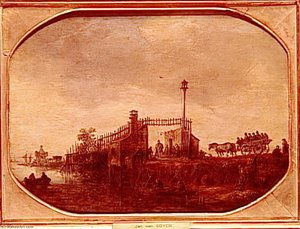
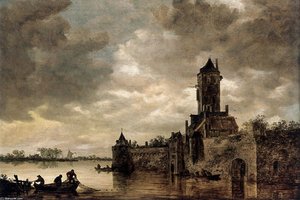
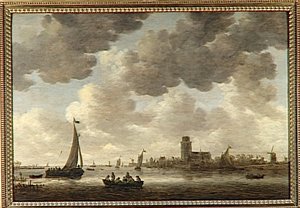
Jan Josephszoon van Goyen, a name often whispered in the halls of Dutch art history, possessed a remarkable gift for capturing not just landscapes, but the very soul of his homeland. His painting, “The Meuse at Dordrecht with the Groote Kerk,” completed around 1647, is more than simply a depiction of a river scene; it’s an immersive experience, a moment frozen in time along the banks of the Meuse. The composition immediately draws the eye to the prominent Groote Kerk (Great Church), its imposing spire piercing the hazy sky – a landmark that anchors the entire view and speaks volumes about Dordrecht's civic pride and religious significance.
Van Goyen’s genius lay not in dramatic flourishes or vibrant colors, but in his masterful use of light and shadow, subtle tonal variations, and an almost meditative stillness. He eschewed the opulent detail favored by some contemporaries, instead opting for a more restrained approach, prioritizing atmosphere and mood. The palette is deliberately muted – grays, browns, and greens dominate – creating a sense of quiet contemplation and reflecting the cool, overcast skies typical of the Dutch climate. This deliberate restraint allows the eye to linger on the textures of the water, the weathered facades of the buildings, and the delicate interplay of light on the distant hills.
Dordrecht: A Crossroads of Commerce and Faith
To fully appreciate “The Meuse at Dordrecht,” one must understand the context in which it was created. Dordrecht, a strategically important port city situated at the confluence of several rivers, thrived as a bustling center for trade and commerce during the 17th century. The Groote Kerk, a magnificent Protestant church, stood as a testament to the city’s religious identity – a symbol of stability and civic order amidst the turbulent political landscape of the Dutch Republic. Van Goyen wasn't merely painting a pretty scene; he was capturing a vital artery of Dutch life, a place where commerce met faith, and where the rhythms of the river dictated the pace of daily existence.
The inclusion of several boats on the Meuse adds to the sense of activity and movement within the otherwise serene composition. These vessels – ranging from large barges to smaller rowboats – represent the economic heart of Dordrecht, highlighting its role as a key trading hub. The figures scattered along the riverbank further emphasize this human element, suggesting a community engaged in the everyday rituals of commerce and leisure.
The Language of Light: Van Goyen’s Technique
Van Goyen's technique is characterized by his meticulous attention to detail and his ability to render the effects of light with astonishing accuracy. He employed a layering method, building up thin washes of paint to create subtle gradations of tone and color. This approach allowed him to capture the shimmering reflections on the water’s surface, the diffused light filtering through the clouds, and the soft glow of the early morning sun. The artist's use of horizontal brushstrokes creates a sense of depth and perspective, drawing the viewer into the scene and inviting them to lose themselves in its tranquil beauty.
Notably, Van Goyen’s work is often described as “tonal,” meaning that he prioritized the manipulation of light and shadow over the use of bright colors. This technique created a sense of realism and atmosphere, evoking the feeling of being present at the scene – enveloped in the cool, damp air of a Dutch riverbank.
A Legacy of Serenity: Van Goyen’s Enduring Appeal
“The Meuse at Dordrecht with the Groote Kerk” is more than just a beautiful painting; it's a window into a bygone era. It offers a glimpse into the daily life, economic activity, and religious beliefs of 17th-century Dordrecht – a city that played a pivotal role in the development of Dutch art and culture. Van Goyen’s masterful technique and his ability to capture the essence of the Dutch landscape have ensured that his work continues to resonate with audiences today. It remains a powerful testament to the enduring appeal of simplicity, serenity, and the profound beauty of the natural world.
Obras relacionadas
Biografía del artista
Jan van Goyen: El Maestro Sereno de los Paisajes Holandeses
En el corazón del Siglo de Oro holandés, un período de florecimiento artístico y comercial sin precedentes, surgió Jan Josephszoon van Goyen (1596-1656), un pintor que capturó la esencia misma de los paisajes de su tierra natal con una sensibilidad única. Nacido en Leiden, una ciudad vibrante por el comercio y la cultura, Van Goyen no fue simplemente un artista; fue un cronista visual de la Holanda del siglo XVII, plasmando sus ríos sinuosos, sus campos ondulantes y sus cielos cambiantes con una maestría que aún hoy nos conmueve.
La formación inicial de Van Goyen estuvo marcada por el rigor técnico. Comenzó como aprendiz en Leiden, perfeccionando los fundamentos del oficio bajo la tutela de maestros locales. Posteriormente, se trasladó a Haarlem, donde estudió con el renombrado Esaias van de Velde, un pintor que ya había sentado las bases para una nueva forma de representar el paisaje. Sin embargo, Van Goyen no se limitó a imitar a su maestro; rápidamente desarrolló un estilo propio, uno caracterizado por la simplicidad, la sutileza tonal y una paleta de colores restringida – grises, marrones y verdes dominaban sus lienzos, creando atmósferas evocadoras que invitaban a la contemplación.
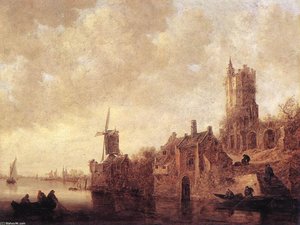
A diferencia de otros artistas contemporáneos que se inclinaban por paisajes exuberantes y detallados, Van Goyen buscó una representación más realista y atmosférica. Sus obras no eran meras ilustraciones del paisaje; eran interpretaciones poéticas de la luz, el aire y el agua. River Landscape with Windmill es quizás su obra más emblemática, un ejemplo perfecto de su maestría en la creación de paisajes tonales donde la atmósfera se convierte en protagonista. Observamos cómo las tonalidades suaves y los contornos difuminados sugieren una sensación de calma y serenidad, mientras que el molino de viento, situado estratégicamente en la composición, añade un toque de vida y actividad a la escena. De manera similar, Fishermen by the Lakeshore captura la quietud de las aguas al amanecer, con los pescadores apenas visibles entre la niebla matutina.
La prolífica producción de Van Goyen – se estima que pintó alrededor de 1200 obras y realizó más de 1000 dibujos – es testimonio de su dedicación incansable al arte. Sus paisajes no solo reflejan la belleza natural del paisaje holandés, sino también el espíritu emprendedor y la prosperidad económica de la época. Sin embargo, a pesar de su éxito artístico, Van Goyen enfrentó dificultades financieras significativas a lo largo de su vida. Se aventuró en diversos negocios, incluyendo la especulación con tulipanes durante la infame "Tulipomanía", pero sus inversiones a menudo terminaron en pérdidas. A su muerte, en La Haya, se encontraba profundamente endeudado.
Legado e Influencia
El legado de Jan van Goyen trasciende su propia época. Su enfoque realista y atmosférico allanó el camino para generaciones posteriores de pintores paisajistas holandeses. Su influencia es particularmente evidente en la obra de artistas como Jan Steen, quien fue uno de sus alumnos más destacados. Van Goyen no solo enseñó técnicas pictóricas; inculcó una sensibilidad artística que inspiró a sus discípulos a observar el mundo con nuevos ojos. Su capacidad para capturar la esencia del paisaje holandés, su maestría en la creación de atmósferas evocadoras y su compromiso con la representación realista lo han consolidado como uno de los grandes maestros del Siglo de Oro holandés, un pintor cuya obra continúa inspirando admiración y asombro.
Un Pionero del Paisaje Tonal
Van Goyen es reconocido hoy en día como el pionero del paisaje tonal. Esta técnica se caracteriza por la reducción de la paleta de colores a unos pocos tonos neutros, principalmente grises y marrones, para crear una atmósfera suave y difusa. En lugar de centrarse en los detalles precisos, Van Goyen buscaba capturar la sensación general del paisaje, su luz y su aire. Esta aproximación innovadora marcó un punto de inflexión en la historia del arte holandés, abriendo nuevas posibilidades expresivas para el género paisajístico.
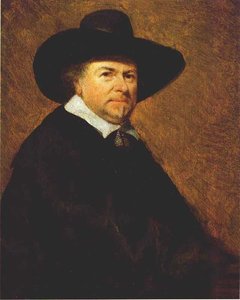
Jan van Goyen
1596 - 1656 , Países Bajos
Datos clave
- Artistic Movement Or Style: Dutch Golden Age painting
- Artists Or Movements Influenced By This Artist: Jan Steen
- Artists Who Influenced This Artist: Esaias van de Velde
- Date Of Birth: January 13, 1596
- Date Of Death: April 27, 1656
- Full Name: Jan Josephszoon van Goyen
- Nationality: Dutch
- Notable Artworks:
- River Landscape with Windmill
- Fishermen by the Lakeshore
- Place Of Birth: Leiden, Netherlands
Artículos relacionados
Jan van Goyen: Master of Dutch Landscape & Atmospheric Perspective
Discover Jan van Goyen, the master of Dutch landscape painting. Explore his subtle technique, atmospheric realism & lasting influence on art history. Learn about this 17th-century pioneer at ArtsDot.

Rembrandt van Rijn: Las 25 Obras Maestras que Definen un Genio | Arte, Historia y Decoración
Descubre las 25 obras maestras de Rembrandt van Rijn, el genio del barroco holandés. Explora su historia, técnica y simbolismo en retratos icónicos como 'La Ronda Nocturna'. Encuentra reproducciones de arte exclusivas para decorar tu hogar con ArtsDot.com.
Cornelis van Poelenburch: Bridging Mannerism & the Dutch Baroque Landscape
Discover Cornelis van Poelenburch, a pivotal Dutch Baroque landscape painter bridging Mannerism & Italianate styles. Explore his life, key works, and lasting influence on 17th-century art with ArtsDot.
Jacob van Ruisdael: Master of Dutch Landscape & the Evocation of National Identity
Explore the life & work of Jacob van Ruisdael, the preeminent Dutch landscape painter. Discover his technical brilliance, symbolic depth, and lasting influence on art history. Learn about collecting Ruisdael's masterpieces.
Aelbert Cuyp: Illuminating the Dutch Golden Age with Light & Landscape
Explore the luminous landscapes of Aelbert Cuyp, a master of the Dutch Golden Age. Discover his unique light, serene riverside scenes & lasting influence on art history. Learn more at ArtsDot.