

 Ver en contexto
 Enviar
 Compartir
 Detalles

 Descargar
 Similares
 Radiografía
 Presentación de diapositivas
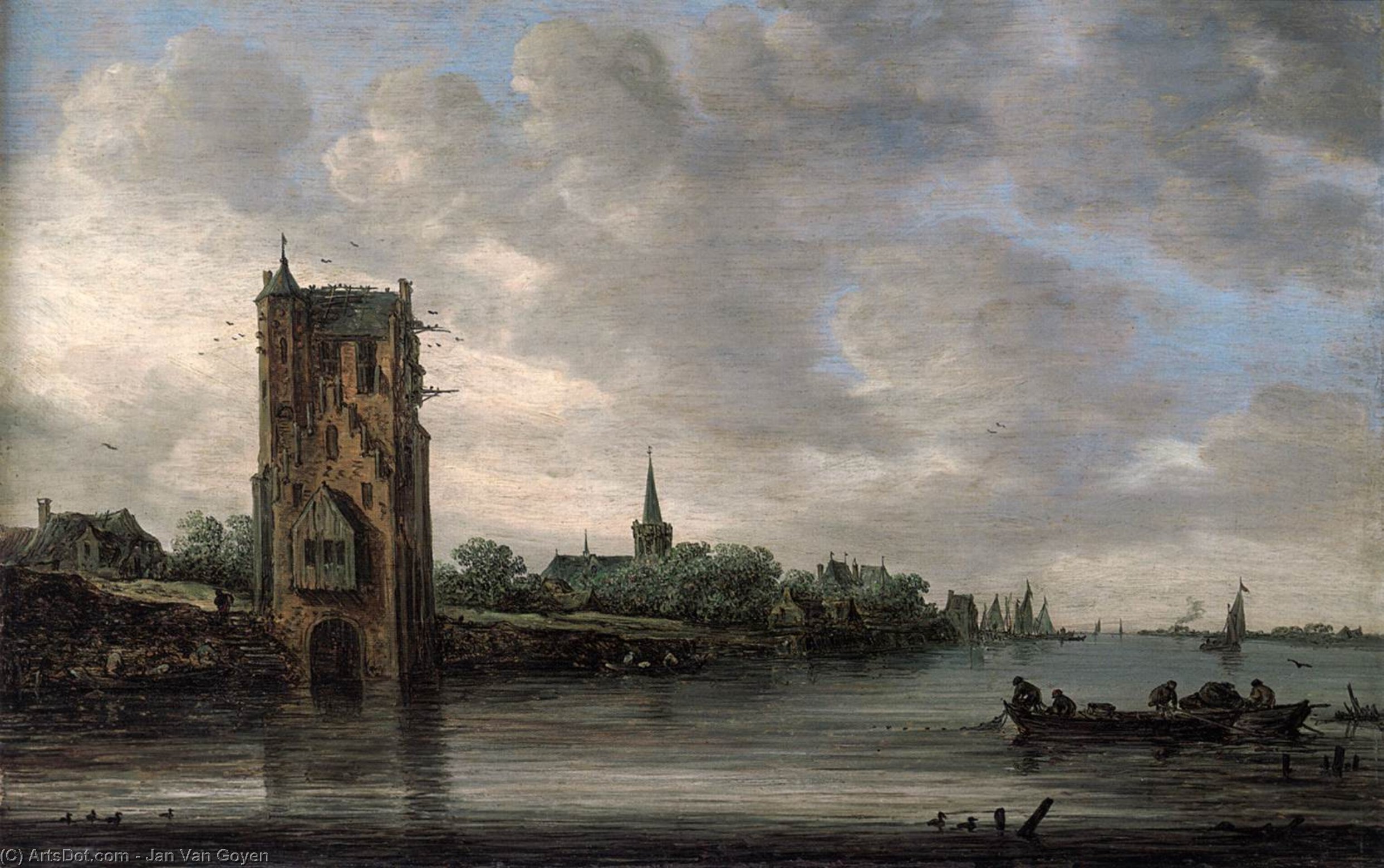
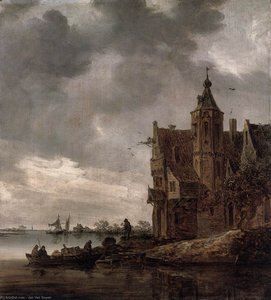
The Pelkus Gate near Utrecht
 Dutch Golden Age
 1646
1646 37.0 x 57.0 cm
 Museo Metropolitano de Arte
 Ver más
Adquiera una imagen digital de alta resolución y optimizada, muy superior a la vista previa en línea.
Cada archivo es preparado meticulosamente por nuestros especialistas internos mediante el uso de herramientas avanzadas y un experto retoque manual. Nos aseguramos de que cada imagen posea una claridad excepcional, una precisión cromática impecable y un detalle minucioso.
El archivo final se entrega por correo electrónico en un plazo de 72 horas, optimizado para su uso inmediato en entornos profesionales, editoriales y de impresión. Esta es la misma calidad en la que confían los estudios de diseño, las editoriales y las galerías de primer nivel.
Imagen Digital
Descarga un archivo de alta resolución para exhibición personal, impresión y proyectos creativos. ( Comprar impresión Comprar pintura hecha a mano)
Incluido en cada pedido de imágenes digitales
Entrega digital experta, garantizada.
Al elegir ArtsDot.com, no solo está adquiriendo una imagen; está recibiendo una obra de arte digital mejorada profesionalmente, elaborada con precisión y respaldada por una garantía de satisfacción. Esto es todo lo que incluye su pedido, automáticamente:

Entrega rápida por email
Recibirá su archivo de imagen digital en alta resolución por correo electrónico en un plazo de 72 horas tras realizar su pedido, listo para su uso inmediato.

Archivo digital optimizado por IA
Su obra de arte se optimiza profesionalmente mediante herramientas avanzadas de IA y edición manual, garantizando el máximo detalle, claridad y precisión cromática.

Reenvío gratuito de por vida
¿Has borrado o perdido tu archivo por error? No te preocupes: te lo volveremos a enviar en cualquier momento, sin coste adicional.

Sin gastos de importación, siempre
Disfrute de su obra de arte al instante sin aduanas, aranceles ni gastos de envío; las descargas digitales siempre están libres de impuestos.

Garantía de fidelidad de color
Garantizamos que su imagen digital refleje los colores originales con la mayor fidelidad posible, mediante el uso de herramientas profesionales y gestión del color.

Garantía de satisfacción de 60 días
Si no está satisfecho con su imagen digital, la revisaremos o le reembolsaremos el 100% en un plazo de 60 días, sin preguntas.

100% Garantía de devolución de dinero
¿No está satisfecho? Obtenga un reembolso completo dentro de los 60 días posteriores a la recepción de su archivo digital, sin necesidad de explicaciones.

Descuentos por pedidos grandes
Compra 3 imágenes, ahorra 10% - Compra 5, ahorra 15% - Compra 10+, ahorra 20%. Ideal para proyectos creativos, galerías y agencias.
A Dutch Master’s Vision of Utrecht: The Pelkus Gate by Jan van Goyen
Jan van Goyen's "The Pelkus Gate near Utrecht," painted in 1646, isn’t merely a depiction of a riverside scene; it’s a carefully constructed meditation on the relationship between man and nature, a subtle exploration of civic pride, and a testament to the artist’s mastery of atmospheric perspective. This captivating work, now residing within the Metropolitan Museum of Art, offers a glimpse into 17th-century Dutch life and reveals Van Goyen's unique approach to landscape painting – one characterized by quiet observation, understated emotion, and an almost palpable sense of stillness.
The subject itself—the Pelkus Gate—holds a fascinating historical weight. This freestanding tower, once a prominent landmark on the Vecht River near Utrecht, served as a crucial point for regulating traffic and managing the waterway’s flow. However, by the 18th century, it had vanished, leaving behind only this evocative painting as a reminder of its existence. Van Goyen, rather than striving for photographic accuracy, skillfully reimagined the gate within a broader landscape, transforming it into a symbol of Utrecht's enduring connection to the river and its rich history. The artist’s decision to invent the surrounding elements—the boats, the figures along the waterfront, the distant buildings—demonstrates his artistic license and his ability to imbue a historical subject with an entirely new layer of meaning.
The Language of Light and Shadow: Van Goyen's Technique
Van Goyen’s signature style is immediately recognizable through his masterful manipulation of light and shadow. He eschewed the vibrant, detailed landscapes favored by some of his contemporaries, opting instead for a more restrained palette dominated by grays, browns, and subtle greens—colors that perfectly capture the muted tones of the Dutch countryside. This deliberate choice creates an atmosphere of quiet contemplation, inviting the viewer to lose themselves in the scene’s serene beauty.
The artist employs a technique known as “sfumato,” borrowing from Leonardo da Vinci's approach, using soft, hazy edges to blur details and create a sense of atmospheric depth. Notice how the distant buildings seem to dissolve into the mist, while the foreground elements retain a sharper focus. Van Goyen’s use of thin glazes—multiple layers of translucent paint applied over each other—allows light to penetrate through the surface, creating a luminous quality that is both captivating and remarkably realistic. The subtle variations in tone – from the darkest shadows beneath the boats to the bright highlights reflecting off the water – contribute significantly to the painting’s overall sense of depth and realism.
Symbolism and Emotional Resonance
Beyond its technical brilliance, “The Pelkus Gate” is rich in symbolic meaning. The river itself represents life's flow—its constant movement and inevitable passage of time. The gate, though vanished, symbolizes Utrecht’s resilience and enduring spirit. The figures along the waterfront – engaged in everyday activities – represent the vitality and prosperity of the city. The painting isn’t simply a record of a place; it’s an affirmation of its identity.
Furthermore, the scene evokes a profound sense of tranquility and nostalgia. Van Goyen captures a fleeting moment in time—a quiet afternoon on the river—that invites the viewer to pause and reflect. The painting's muted colors and subtle details create a mood of peaceful contemplation, suggesting a connection between humanity and nature that transcends the boundaries of time and place. It’s a scene that speaks to the enduring beauty of the Dutch landscape and the importance of preserving its cultural heritage.
A Timeless Masterpiece for Collectors and Designers
"The Pelkus Gate near Utrecht" is more than just a beautiful painting; it's a significant work of art history. Its masterful technique, evocative symbolism, and enduring emotional resonance make it a timeless treasure. Reproductions offer an accessible way to bring this remarkable scene into your home or office, allowing you to appreciate Van Goyen’s genius for years to come. Consider framing the artwork in a classic wooden frame to complement its historical aesthetic, or opt for a sleek, modern design to create a contemporary statement. Whether as a centerpiece in a formal living room or a calming addition to a study, this painting will undoubtedly enrich your surroundings and inspire contemplation.
Obras relacionadas
Biografía del artista
Jan van Goyen: El Maestro Sereno de los Paisajes Holandeses
En el corazón del Siglo de Oro holandés, un período de florecimiento artístico y comercial sin precedentes, surgió Jan Josephszoon van Goyen (1596-1656), un pintor que capturó la esencia misma de los paisajes de su tierra natal con una sensibilidad única. Nacido en Leiden, una ciudad vibrante por el comercio y la cultura, Van Goyen no fue simplemente un artista; fue un cronista visual de la Holanda del siglo XVII, plasmando sus ríos sinuosos, sus campos ondulantes y sus cielos cambiantes con una maestría que aún hoy nos conmueve.
La formación inicial de Van Goyen estuvo marcada por el rigor técnico. Comenzó como aprendiz en Leiden, perfeccionando los fundamentos del oficio bajo la tutela de maestros locales. Posteriormente, se trasladó a Haarlem, donde estudió con el renombrado Esaias van de Velde, un pintor que ya había sentado las bases para una nueva forma de representar el paisaje. Sin embargo, Van Goyen no se limitó a imitar a su maestro; rápidamente desarrolló un estilo propio, uno caracterizado por la simplicidad, la sutileza tonal y una paleta de colores restringida – grises, marrones y verdes dominaban sus lienzos, creando atmósferas evocadoras que invitaban a la contemplación.
A diferencia de otros artistas contemporáneos que se inclinaban por paisajes exuberantes y detallados, Van Goyen buscó una representación más realista y atmosférica. Sus obras no eran meras ilustraciones del paisaje; eran interpretaciones poéticas de la luz, el aire y el agua. River Landscape with Windmill es quizás su obra más emblemática, un ejemplo perfecto de su maestría en la creación de paisajes tonales donde la atmósfera se convierte en protagonista. Observamos cómo las tonalidades suaves y los contornos difuminados sugieren una sensación de calma y serenidad, mientras que el molino de viento, situado estratégicamente en la composición, añade un toque de vida y actividad a la escena. De manera similar, Fishermen by the Lakeshore captura la quietud de las aguas al amanecer, con los pescadores apenas visibles entre la niebla matutina.
La prolífica producción de Van Goyen – se estima que pintó alrededor de 1200 obras y realizó más de 1000 dibujos – es testimonio de su dedicación incansable al arte. Sus paisajes no solo reflejan la belleza natural del paisaje holandés, sino también el espíritu emprendedor y la prosperidad económica de la época. Sin embargo, a pesar de su éxito artístico, Van Goyen enfrentó dificultades financieras significativas a lo largo de su vida. Se aventuró en diversos negocios, incluyendo la especulación con tulipanes durante la infame "Tulipomanía", pero sus inversiones a menudo terminaron en pérdidas. A su muerte, en La Haya, se encontraba profundamente endeudado.
Legado e Influencia
El legado de Jan van Goyen trasciende su propia época. Su enfoque realista y atmosférico allanó el camino para generaciones posteriores de pintores paisajistas holandeses. Su influencia es particularmente evidente en la obra de artistas como Jan Steen, quien fue uno de sus alumnos más destacados. Van Goyen no solo enseñó técnicas pictóricas; inculcó una sensibilidad artística que inspiró a sus discípulos a observar el mundo con nuevos ojos. Su capacidad para capturar la esencia del paisaje holandés, su maestría en la creación de atmósferas evocadoras y su compromiso con la representación realista lo han consolidado como uno de los grandes maestros del Siglo de Oro holandés, un pintor cuya obra continúa inspirando admiración y asombro.
Un Pionero del Paisaje Tonal
Van Goyen es reconocido hoy en día como el pionero del paisaje tonal. Esta técnica se caracteriza por la reducción de la paleta de colores a unos pocos tonos neutros, principalmente grises y marrones, para crear una atmósfera suave y difusa. En lugar de centrarse en los detalles precisos, Van Goyen buscaba capturar la sensación general del paisaje, su luz y su aire. Esta aproximación innovadora marcó un punto de inflexión en la historia del arte holandés, abriendo nuevas posibilidades expresivas para el género paisajístico.
Jan van Goyen
1596 - 1656 , Países Bajos
Breves datos
- Artistic Movement Or Style: Dutch Golden Age painting
- Artists Or Movements Influenced By This Artist: Jan Steen
- Artists Who Influenced This Artist: Esaias van de Velde
- Date Of Birth: January 13, 1596
- Date Of Death: April 27, 1656
- Full Name: Jan Josephszoon van Goyen
- Nationality: Dutch
- Notable Artworks:
- River Landscape with Windmill
- Fishermen by the Lakeshore
- Place Of Birth: Leiden, Netherlands

