 Ver en contexto
 Enviar
 Compartir
 Detalles

 Descargar
 Similares
 Radiografía
 Presentación de diapositivas
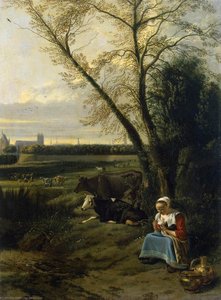
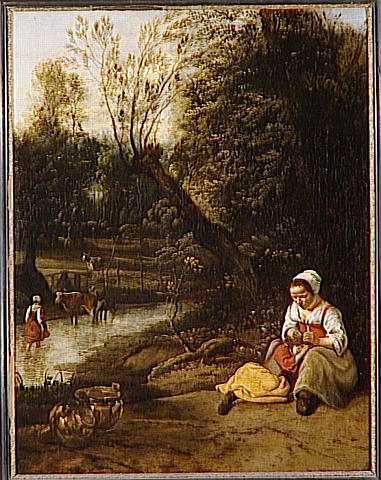
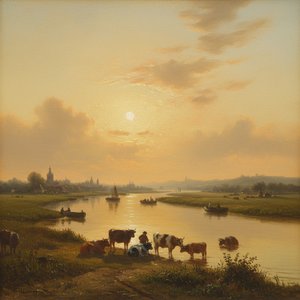
LA TOILETTE AU BORD DE L'EAU


 Ver más
Reproducción al óleo hecha a mano
Óleo sobre lienzo pintado a mano en el tamaño y marco de su elección, realizado por encargo por nuestros artistas. ( Comprar impresión Comprar imagen)




P118B $10

P118H $10

P118W $10

P438Z $10

P508JH $12

P508YH $12

P805H $10

P805Z $10

P919BZ $10

P919G $10

P919XJ $10

P959ZH $10

P968JZ $12

W106C $8

W218G $10

W218JH $8

W218Y $10

W307PJ $10

W316G $10

W316PJ $8

W316Y $10

W398PJ $8

W4111J $10

W500HY $15

W500JH $15

W692G $12

W849H $8

W940BG $15

W953PJ $8




Elija entre nuestros tamaños predefinidos que respetan las proporciones originales de la obra.

Puede ingresar sus propias dimensiones para adaptarse a un marco o espacio específico. Si el tamaño seleccionado no coincide con las proporciones de la imagen original, recortaremos la obra o extenderemos la pintura con elementos adicionales pintados a mano. Se le enviará una maqueta digital para su aprobación antes de comenzar la producción.
Tenga en cuenta que la vista previa en pantalla no refleja el recorte o la extensión reales. Solo la maqueta mostrará con precisión la composición final.
Si bien existen tamaños personalizados, recomendamos seleccionar una dimensión de la lista predefinida para preservar las proporciones originales.
Tras realizar el pedido, el equipo de ArtsDot.com enviará un correo electrónico al cliente para solicitar instrucciones y proporcionarle una vista previa del boceto.
Envío a todo el mundo () en 3-4 semanas en lugar de las 5 semanas estándar. (23 agosto). Sin comprometer la calidad.

Envío exprés gratuito a todo el mundo

Lienzo de lino de alta calidad

Seguro de envío total

Garantía de reembolso de impuestos aduaneros

Garantía de fidelidad cromática exacta

Política de devolución de 60 días (solo por defectos)

Garantía de devolución del 100% del dinero

Descuento por cantidad
 La opción de vidrio solo está disponible en tamaños inferiores a 110 cm.

LA TOILETTE AU BORD DE L'EAU
Técnica de reproducción
Dimensiones de la reproducción
-


Precio total final
$ 263
Descripción de la obra
A Pastoral Moment Captured: Jan Siberechts’ “La Toilette au Bord de l'Eau”
Jan Siberechts’ "La Toilette au Bord de l'Eau" (The Bathing by the Water) is more than just a picturesque landscape; it’s a carefully constructed tableau of tranquility and domesticity, imbued with the subtle complexities of 17th-century Dutch artistic sensibilities. Painted in 1680, this oil on canvas work transports us to a serene riverside scene, dominated by the gentle presence of a woman and child near a meandering stream. Siberechts, born in Antwerp in 1627, navigated a unique path in art history – initially trained within his family’s sculpting workshop, he ultimately became a celebrated landscape painter, bridging the gap between Flemish tradition and the burgeoning naturalism taking root in England.
The painting immediately establishes a mood of quiet contemplation. The color palette is deliberately restrained, relying on earthy browns, muted greens, and soft blues to evoke the atmosphere of a cloudy day or early morning light. These tones are skillfully layered, creating a sense of depth and volume that draws the viewer into the scene. Siberechts’ masterful use of linear perspective guides our eye along the winding stream, leading us towards distant hills and establishing a believable spatial relationship between foreground and background. The subtle variations in brushstroke – from the smooth blending of water to the textured application on tree bark – contribute significantly to the painting's tactile quality.
Decoding Symbolism and Narrative
Beyond its aesthetic beauty, “La Toilette au Bord de l’Eau” is rich with symbolic meaning. The central figures—a woman and child—represent the core values of family, nurture, and domesticity, deeply rooted in the artistic conventions of the time. While the title suggests a bathing scene, it's more accurately a moment of respite and connection. Cows grazing peacefully nearby further reinforce this pastoral ideal, symbolizing abundance and rural prosperity. The composition itself is carefully balanced, with the figures positioned on the right side of the canvas to create a sense of visual harmony and draw attention to their relationship.
Interestingly, Siberechts’ work reflects a broader shift in artistic focus during the 17th century – a move away from purely religious subjects towards secular themes. This trend was particularly pronounced in the Netherlands, where artists increasingly sought to capture the beauty of the natural world and depict scenes of everyday life. The painting's resemblance to Dutch Golden Age landscape paintings is evident in its meticulous detail, realistic representation, and emphasis on atmospheric conditions – Siberechts expertly captures the diffused light and subtle variations in color that characterize a cloudy day.
Technique and Artistic Process
Examining the technique reveals Siberechts’ dedication to his craft. The painting is executed in oil paint on canvas, utilizing a layering approach that builds up depth and luminosity through successive applications of pigment. The artist demonstrates a keen understanding of light and shadow, creating soft gradations that define forms and contribute to the overall sense of atmosphere. Note the careful rendering of textures – from the rough bark of the trees to the smooth surface of the water – achieved through subtle variations in brushstroke and color mixing.
The influence of Flemish painting is undeniable, particularly in Siberechts’ attention to detail and his ability to capture atmospheric effects. However, there's also a distinct sense of innovation in his work, reflecting the growing interest in naturalism and landscape painting that was emerging in England during this period. “La Toilette au Bord de l'Eau” stands as a testament to Siberechts’ artistic versatility and his ability to synthesize diverse influences into a cohesive and compelling vision.
A Timeless Appeal for Collectors and Designers
“La Toilette au Bord de l'Eau” continues to resonate with viewers today, offering a glimpse into a bygone era of tranquility and domesticity. Its timeless appeal lies in its ability to evoke feelings of peace, harmony, and connection with nature. Reproductions of this captivating artwork are highly sought after by collectors and interior designers alike, who appreciate its understated elegance and the subtle nuances of Siberechts’ artistic vision. The painting's harmonious composition and evocative color palette make it a perfect addition to any space, bringing a touch of pastoral serenity to the home or office.
Obras relacionadas

Biografía del artista
Jan Siberechts: Un Pintor Flamenco en Inglaterra
Primeros Años y Formación (1627-1670)
- Nacido: Amberes, Bélgica, 1627
- Hijo de un escultor, Jan Siberechts.
- Se formó en Amberes con su padre.
- Se convirtió en maestro de la Guild of Saint Luke en 1648.
- Posible visita a Italia a finales de los años 1640 o principios de los 1650 – influencia en sus primeras obras.
- Se casó con Maria-Anna Croes en Amberes en 1652.
- Su estilo temprano estuvo influenciado por pintores paisajistas italianizantes holandeses como Nicolaes Berchem y Karel Dujardin.
Desarrollo de un Estilo Personal y Traslado a Inglaterra (1660s - 1672)
- Desarrolló un estilo personal distintivo en la década de 1660, enfatizando el campo flamenco y la vida rural.
- Introdujo figuras – robustas mujeres del campo vestidas con colores brillantes – en paisajes, creando efectos visuales con reflejos de agua.
- Pintó escenas de granjas que recuerdan a David Teniers el Joven.
- Obtuvo reconocimiento cuando George Villiers, 2º Duque de Buckingham, quedó impresionado por su trabajo durante una visita a Amberes en 1670.
- Fue invitado a Inglaterra por el Duque de Buckingham alrededor de 1672.
Vida y Obra en Inglaterra (1672-1703)
- Pasó sus primeros años (1672-1675) decorando Cliveden House para el Duque de Buckingham.
- Viajó extensamente por toda Inglaterra, realizando numerosos encargos para clientes aristocráticos.
- Vivió en Londres; sus hijas trabajaron como encajereras para la Reina.
- Pintó escenas de caza – ejemplos tempranos de retratos de casas señoriales en Inglaterra. Estas presentaban cazadores y jinetes en primer plano con una vista naturalista de la casa señorial en un paisaje brumoso, a menudo utilizando una perspectiva de pájaro.
- Fue comisionado para pintar la finca de Belsize de John Coggs en 1696 (ahora en la Tate Gallery).
- Murió en Londres en 1703.
Significado Artístico y Legado
- Considerado un pionero de la pintura paisajística inglesa – a menudo se le denomina el "padre del paisaje británico".
- Sus vistas topográficas que documentan las propiedades de la nobleza británica influyeron en generaciones posteriores de pintores flamencos que trabajaron en Inglaterra (Peter Tillemans, Pieter Andreas Rijsbrack, Hendrik Frans de Cort).
- Aproximadamente 100 obras se han conservado.
- Influenciado por las tradiciones holandesas e italianizantes, pero desarrolló un estilo único caracterizado por colores vibrantes, figuras detalladas y paisajes atmosféricos.
- John Wootton fue uno de sus alumnos.
Características Clave de su Obra
- Primeras Obras: Influenciado por Nicolaes Berchem y Karel Dujardin con elementos italianizantes.
- Carrera Media (1660s): Énfasis en el campo flamenco, figuras robustas con ropa brillante, jugando con reflejos de agua.
- Obras Posteriores (Inglaterra): Temas universales, árboles poderosos, luz suave, menos énfasis en las figuras, primer plano más oscuro para resaltar la vista de fondo.
- Escenas de Caza: Composición estandarizada – cazadores/jinetes en primer plano, casa señorial en un paisaje brumoso, vista de pájaro.
Jan Siberechts
1627 - 1703 , Bélgica
Datos clave
- Artistas Que Influyeron:
- Nicolaes Berchem
- Karel Dujardin
- Fecha De Fallecimiento: 1703
- Fecha De Nacimiento: 1627
- Influenció A:
- John Wootton
- Pintura del paisaje británico
- Lugar De Nacimiento: Amberes, Bélgica
- Movimiento Artístico: Barroco
- Nacionalidad: Flamenco
- Nombre Completo: Jan Siberechts
- Obras Notables:
- El Ford
- PAYSAGE AVEC FIGURES
- La Apuesta
- Una Vista de Longleat
Artículos relacionados
Idyllic Visions: Exploring the Pastoral Scene in Art History – From Arcadia to Modern Interpretations
Explore the captivating history of pastoral art from classical Arcadia to modern masterpieces. Discover key artists like Millet & Cole at ArtsDot. Find serene landscape paintings for your home.
Nicolaes Berchem: Dutch Golden Age Pastoralism & the Evolution of Landscape Painting
Explore the captivating world of Nicolaes Berchem, a leading Dutch Golden Age painter. Discover his idyllic landscapes, masterful technique & lasting influence on art history. Learn more at ArtsDot.
Jan van Goyen: Master of Dutch Landscape & Atmospheric Perspective
Discover Jan van Goyen, the master of Dutch landscape painting. Explore his subtle technique, atmospheric realism & lasting influence on art history. Learn about this 17th-century pioneer at ArtsDot.
Idyllic Visions: Exploring the Pastoral Tradition in Western Art – Themes, Techniques & Enduring Appeal
Explore the rich history of pastoral art from classical Arcadia to contemporary interpretations. Discover key artists, themes & collecting tips at ArtsDot.
Aelbert Cuyp: Illuminating the Dutch Golden Age with Light & Landscape
Explore the luminous landscapes of Aelbert Cuyp, a master of the Dutch Golden Age. Discover his unique light, serene riverside scenes & lasting influence on art history. Learn more at ArtsDot.