 Ver en contexto
 Enviar
 Compartir
 Detalles

 Descargar
 Similares
 Radiografía
 Presentación de diapositivas
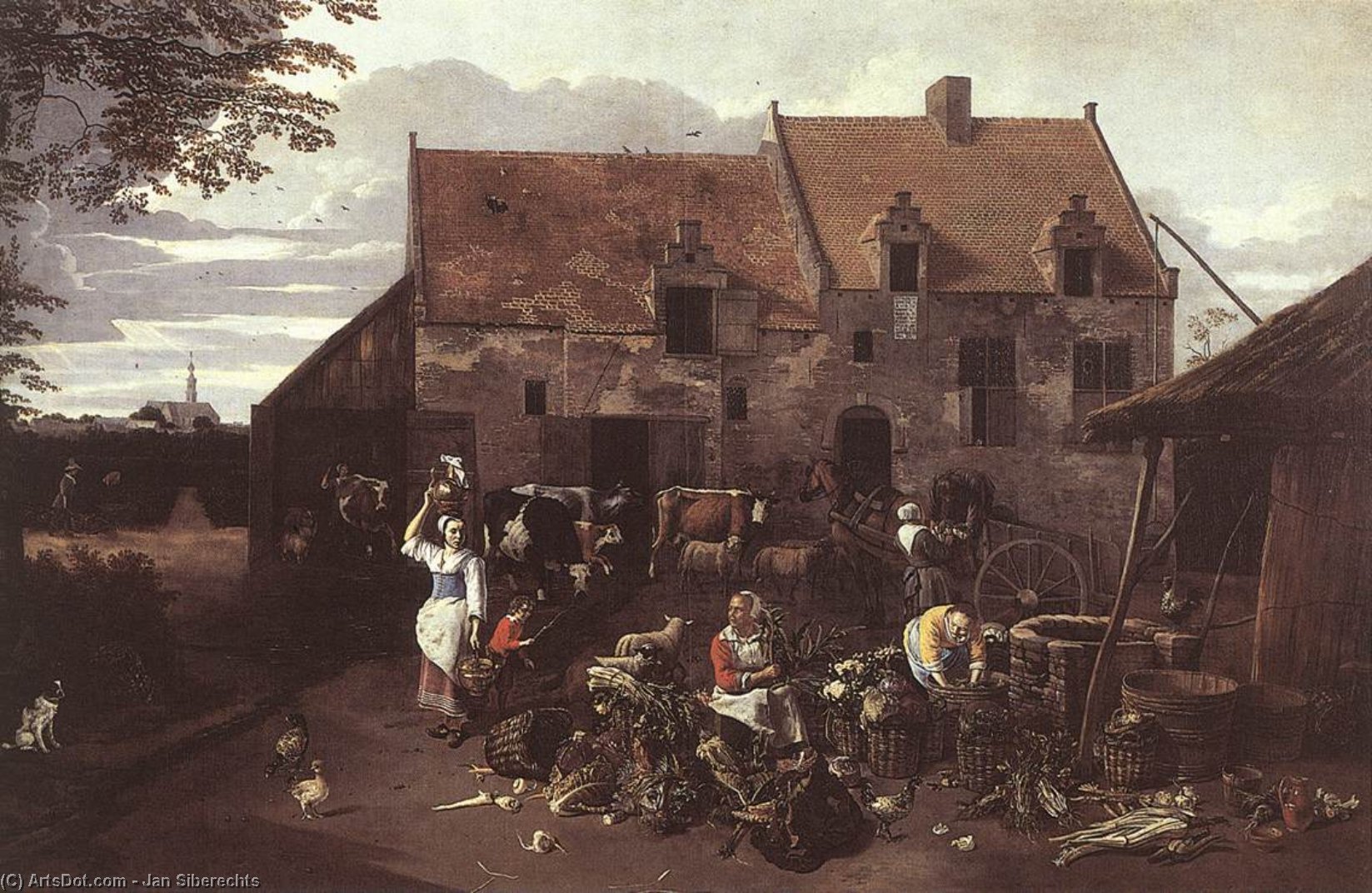
The Market Garden
 Oil On Canvas
- WallArt
- Baroque
 1664
1664 158.0 x 241.0 cm
 Musées Royaux des Beaux-Arts
 Ver más
Giclée / Impresión de arte
Impresiones giclée o en lienzo de calidad de museo con producción rápida y opciones de acabado flexibles. ( Comprar pintura hecha a mano Comprar imagen)




P118B $10

P118H $10

P118W $10

P438Z $10

P508JH $12

P508YH $12

P805H $10

P805Z $10

P919BZ $10

P919G $10

P919XJ $10

P959ZH $10

P968JZ $12

W106C $8

W218G $10

W218JH $8

W218Y $10

W307PJ $10

W316G $10

W316PJ $8

W316Y $10

W398PJ $8

W4111J $10

W500HY $15

W500JH $15

W692G $12

W849H $8

W940BG $15

W953PJ $8




Elija entre nuestros tamaños predefinidos que respetan las proporciones originales de la obra.

Puede introducir sus propias dimensiones para adaptarse a un marco o espacio específico. Si el tamaño seleccionado no coincide con las proporciones de la imagen original, recortaremos la obra de arte o extenderemos la imagen con un borde con efecto espejo o de color sólido. Se enviará una maqueta digital para su aprobación antes de que comience la producción.
Tenga en cuenta que la vista previa en pantalla no refleja el recorte o la extensión real. Solo la maqueta mostrará con precisión la composición final.
Aunque existen tamaños personalizados, recomendamos seleccionar una dimensión de la lista predefinida para preservar las proporciones originales.
Envío a todo el mundo () en 2 semanas en lugar de las 4/5 semanas estándar. (23 agosto)

Envío exprés gratuito a todo el mundo

Lienzo de lino de alta calidad

Seguro de envío total

Garantía de reembolso de impuestos aduaneros

Garantía de fidelidad cromática exacta

Política de devolución de 60 días (solo por defectos)

Garantía de devolución del 100% del dinero

Descuento por cantidad
 La opción de vidrio solo está disponible en tamaños inferiores a 110 cm.

The Market Garden
Giclée / Impresión de arte
Dimensiones de la reproducción
-


Precio total final
$ 62
Descripción de la pieza
The Market Garden: A Dutch Masterpiece of Rural Life
Jan Siberechts’ “The Market Garden,” painted in 1664, is more than just a depiction of a provincial scene; it's a vibrant snapshot of 17th-century Dutch society, brimming with life, industry, and the quiet dignity of rural existence. This oil on canvas transports us to a sun-drenched farmyard, where the rhythms of daily labor intertwine with the promise of market day. The painting’s immediate appeal lies in its remarkable realism – Siberechts masterfully captures the textures of rough brick walls, the earthy tones of the soil, and the individual expressions of each figure within the bustling tableau. Yet, beneath this surface detail resides a complex tapestry of symbolism and social commentary, reflecting the evolving relationship between rural life and burgeoning urban centers in Holland.
The composition itself is carefully orchestrated. Siberechts employs a pyramidal structure, drawing our eye upwards from the foreground activity to the central farmhouse – a symbol of stability and prosperity within this industrious landscape. The figures engaged in various tasks—a woman carrying a basket, a peasant woman milking her cow, children playing amongst the animals—are rendered with an almost photographic precision, yet imbued with a palpable sense of humanity. Notice the subtle variations in their clothing, reflecting their social standing, while the inclusion of livestock – cows, chickens, sheep – speaks to the fundamental importance of agriculture within this community. The distant village church and vegetable garden further emphasize the connection between the farm and the wider world.
A Window into Dutch Society
“The Market Garden” offers a fascinating glimpse into the social dynamics of 17th-century Holland, a period marked by significant economic growth and shifting power structures. The painting’s realism was not merely aesthetic; it served as a powerful tool for documenting and celebrating the virtues of rural life – hard work, community spirit, and connection to the land. Siberechts' depiction contrasts sharply with earlier portrayals of peasants, often depicted as lazy or uncouth. Here, they are presented as diligent laborers, contributing to the prosperity of their region. The inclusion of a waggoner (cart driver) hints at the vital role of trade and commerce in connecting rural communities to urban markets.
Interestingly, Siberechts’ work emerged during a time when Dutch art was increasingly influenced by Italian Baroque styles, particularly the works of Caravaggio and Rembrandt. However, Siberechts skillfully adapted these influences to create a distinctly Dutch aesthetic – characterized by its meticulous detail, dramatic lighting, and focus on everyday subjects. The painting's use of chiaroscuro (the contrast between light and dark) adds depth and drama to the scene, highlighting key figures and creating a sense of immediacy. The subtle interplay of light and shadow also serves to emphasize the textures of the various materials—brick, wood, cloth—further enhancing the realism of the composition.
Symbolism and Artistic Technique
Beyond its realistic depiction of rural life, “The Market Garden” is rich in symbolic meaning. The presence of a small, almost hidden sign advertising the sale of the farm subtly introduces an element of uncertainty – a reminder that even in this idyllic scene, economic pressures and potential change are ever-present. Siberechts’ masterful use of color contributes to the painting's overall impact. Earthy browns, greens, and yellows dominate the palette, evoking the warmth and fertility of the land. The vibrant reds and blues of the clothing provide visual interest and highlight the figures within the composition.
The artist’s technique is equally impressive. Siberechts demonstrates a remarkable ability to capture the nuances of human expression – from the weary determination on the woman's face as she carries her basket, to the playful curiosity of the children. His attention to detail extends to the rendering of the animals, each with its own distinct personality and posture. The painting’s scale—158 x 241 cm—allows Siberechts to create a truly immersive experience for the viewer, drawing us into this vibrant scene and inviting us to contemplate the complexities of rural life in 17th-century Holland. The work is now housed at the Muses Royaux Des Beaux-Arts in Brussels, a testament to its enduring artistic merit.
Bringing “The Market Garden” Home
Today, reproductions of “The Market Garden” are highly sought after by collectors and interior designers alike. Its timeless appeal lies not only in its stunning realism but also in its ability to evoke a sense of nostalgia for a simpler time – a time when life was closely tied to the rhythms of nature and the values of community. A high-quality reproduction captures the painting’s rich colors, intricate details, and emotional depth, making it a beautiful addition to any home or office. Consider framing your reproduction in a classic wooden frame to further enhance its historical charm. “The Market Garden” is more than just a painting; it's a window into the past—a reminder of the enduring beauty and significance of rural life.
Obras relacionadas
Biografía del artista
Jan Siberechts: Un Pintor Flamenco en Inglaterra
Primeros Años y Formación (1627-1670)
- Nacido: Amberes, Bélgica, 1627
- Hijo de un escultor, Jan Siberechts.
- Se formó en Amberes con su padre.
- Se convirtió en maestro de la Guild of Saint Luke en 1648.
- Posible visita a Italia a finales de los años 1640 o principios de los 1650 – influencia en sus primeras obras.
- Se casó con Maria-Anna Croes en Amberes en 1652.
- Su estilo temprano estuvo influenciado por pintores paisajistas italianizantes holandeses como Nicolaes Berchem y Karel Dujardin.
Desarrollo de un Estilo Personal y Traslado a Inglaterra (1660s - 1672)
- Desarrolló un estilo personal distintivo en la década de 1660, enfatizando el campo flamenco y la vida rural.
- Introdujo figuras – robustas mujeres del campo vestidas con colores brillantes – en paisajes, creando efectos visuales con reflejos de agua.
- Pintó escenas de granjas que recuerdan a David Teniers el Joven.
- Obtuvo reconocimiento cuando George Villiers, 2º Duque de Buckingham, quedó impresionado por su trabajo durante una visita a Amberes en 1670.
- Fue invitado a Inglaterra por el Duque de Buckingham alrededor de 1672.
Vida y Obra en Inglaterra (1672-1703)
- Pasó sus primeros años (1672-1675) decorando Cliveden House para el Duque de Buckingham.
- Viajó extensamente por toda Inglaterra, realizando numerosos encargos para clientes aristocráticos.
- Vivió en Londres; sus hijas trabajaron como encajereras para la Reina.
- Pintó escenas de caza – ejemplos tempranos de retratos de casas señoriales en Inglaterra. Estas presentaban cazadores y jinetes en primer plano con una vista naturalista de la casa señorial en un paisaje brumoso, a menudo utilizando una perspectiva de pájaro.
- Fue comisionado para pintar la finca de Belsize de John Coggs en 1696 (ahora en la Tate Gallery).
- Murió en Londres en 1703.
Significado Artístico y Legado
- Considerado un pionero de la pintura paisajística inglesa – a menudo se le denomina el "padre del paisaje británico".
- Sus vistas topográficas que documentan las propiedades de la nobleza británica influyeron en generaciones posteriores de pintores flamencos que trabajaron en Inglaterra (Peter Tillemans, Pieter Andreas Rijsbrack, Hendrik Frans de Cort).
- Aproximadamente 100 obras se han conservado.
- Influenciado por las tradiciones holandesas e italianizantes, pero desarrolló un estilo único caracterizado por colores vibrantes, figuras detalladas y paisajes atmosféricos.
- John Wootton fue uno de sus alumnos.
Características Clave de su Obra
- Primeras Obras: Influenciado por Nicolaes Berchem y Karel Dujardin con elementos italianizantes.
- Carrera Media (1660s): Énfasis en el campo flamenco, figuras robustas con ropa brillante, jugando con reflejos de agua.
- Obras Posteriores (Inglaterra): Temas universales, árboles poderosos, luz suave, menos énfasis en las figuras, primer plano más oscuro para resaltar la vista de fondo.
- Escenas de Caza: Composición estandarizada – cazadores/jinetes en primer plano, casa señorial en un paisaje brumoso, vista de pájaro.
Jan Siberechts
1627 - 1703 , Bélgica
Datos clave
- Artistas Que Influyeron:
- Nicolaes Berchem
- Karel Dujardin
- Fecha De Fallecimiento: 1703
- Fecha De Nacimiento: 1627
- Influenció A:
- John Wootton
- Pintura del paisaje británico
- Lugar De Nacimiento: Amberes, Bélgica
- Movimiento Artístico: Barroco
- Nacionalidad: Flamenco
- Nombre Completo: Jan Siberechts
- Obras Notables:
- El Ford
- PAYSAGE AVEC FIGURES
- La Apuesta
- Una Vista de Longleat
Artículos relacionados
Jan Steen: A Master of Dutch Genre Painting & the Golden Age
Explore the life & art of Jan Steen, a leading Dutch Golden Age painter renowned for his humorous genre scenes & insightful social commentary. Discover his techniques, legacy, and collecting tips.

Reflejos de una Época Dorada: La Pintura Barroca Holandesa y la Innovación Cultural
Descubra la riqueza y el detalle de la pintura barroca holandesa del Siglo de Oro. Explore las obras maestras de Rembrandt, Vermeer y otros artistas clave. Análisis experto e historia cultural.

Los 10 Maestros del Barroco Holandés: Obras que Definen una Época | ArtsDot
Descubre los 10 imprescindibles del Barroco holandés: Rembrandt, Vermeer y más. Explora la historia, técnica y belleza de estas obras maestras. Reproducciones de arte en ArtsDot.com para decorar tu hogar con elegancia.
Pintura de Género Holandesa: Un Reflejo Íntimo de la Vida Cotidiana y los Valores Sociales del Siglo de Oro
Descubra la riqueza de la pintura de género holandesa del Siglo de Oro. Explore las obras maestras de Vermeer y Brueghel, su simbolismo y el reflejo de la vida cotidiana en esta época dorada. ¡Conozca más!
Cultivating Paradise: A Historical & Artistic Exploration of Gardens in Painting
Explore the rich history of gardens in painting! Discover masterpieces from Renaissance to Impressionism & beyond. Learn about symbolism, artists like Monet & Klimt, and find your perfect artwork at ArtsDot.