 Ver en contexto
 Enviar
 Compartir
 Detalles

 Descargar
 Similares
 Radiografía
 Presentación de diapositivas
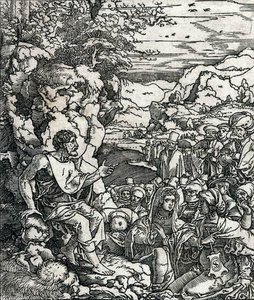
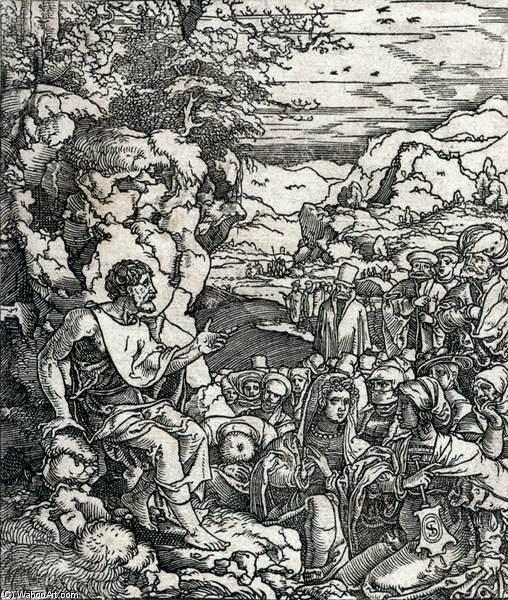
Juan el Bautista (o Pablo Apóstol)
 Acrílico sobre lienzo
- Arte de pared
- Renaissance Mannerism
 1520
1520 133.0 x 113.0 cm
 Museo Británico
 Ver más
Reproducción al óleo hecha a mano
Óleo sobre lienzo pintado a mano en el tamaño y marco de su elección, realizado por encargo por nuestros artistas. ( Comprar impresión Comprar imagen)




P118B $10

P118H $10

P118W $10

P438Z $10

P508JH $12

P508YH $12

P805H $10

P805Z $10

P919BZ $10

P919G $10

P919XJ $10

P959ZH $10

P968JZ $12

W106C $8

W218G $10

W218JH $8

W218Y $10

W307PJ $10

W316G $10

W316PJ $8

W316Y $10

W398PJ $8

W4111J $10

W500HY $15

W500JH $15

W692G $12

W849H $8

W940BG $15

W953PJ $8




Elija entre nuestros tamaños predefinidos que respetan las proporciones originales de la obra.

Puede ingresar sus propias dimensiones para adaptarse a un marco o espacio específico. Si el tamaño seleccionado no coincide con las proporciones de la imagen original, recortaremos la obra o extenderemos la pintura con elementos adicionales pintados a mano. Se le enviará una maqueta digital para su aprobación antes de comenzar la producción.
Tenga en cuenta que la vista previa en pantalla no refleja el recorte o la extensión reales. Solo la maqueta mostrará con precisión la composición final.
Si bien existen tamaños personalizados, recomendamos seleccionar una dimensión de la lista predefinida para preservar las proporciones originales.
Tras realizar el pedido, el equipo de ArtsDot.com enviará un correo electrónico al cliente para solicitar instrucciones y proporcionarle una vista previa del boceto.
Envío a todo el mundo () en 3-4 semanas en lugar de las 5 semanas estándar. (29 agosto). Sin comprometer la calidad.

Envío exprés gratuito a todo el mundo

Lienzo de lino de alta calidad

Seguro de envío total

Garantía de reembolso de impuestos aduaneros

Garantía de fidelidad cromática exacta

Política de devolución de 60 días (solo por defectos)

Garantía de devolución del 100% del dinero

Descuento por cantidad
 La opción de vidrio solo está disponible en tamaños inferiores a 110 cm.

Juan el Bautista (o Pablo Apóstol)
Técnica de reproducción
Dimensiones de la reproducción
-


Precio total final
$ 263
Una Mirada Profunda al Éxtasis Religioso Renacentista: Análisis de “Juan el Bautista (o Pablo Apostol)” de Jan Swart van Groningen
La obra maestra de Jan Swart van Groningen, "Juan el Bautista (o Pablo Apostol)" fechada en 1520 y ahora alojada en el Museo Británico de Londres, representa un punto culminante del arte renacentista flamenco. Más que una simple representación visual, esta pintura ofrece una ventana fascinante hacia las creencias religiosas y las preocupaciones estéticas de la época, invitando al espectador a contemplar la belleza contenida en la narrativa bíblica. El lienzo mide 133 x 113 centímetros y fue ejecutado con maestría utilizando madera como soporte, una elección común para artistas flamencos de ese período que buscaban transmitir fuerza y estabilidad visual. Swart empleó una técnica meticulosa caracterizada por el uso del óleo sobre madera, una innovación importante que permitió lograr efectos de luz y sombra impresionantes, capturando la atmósfera natural con precisión sorprendente. Esta habilidad técnica es evidente en los detalles cuidadosamente observados: desde las texturas rugosas de la roca bajo tierra hasta las suaves ondulaciones de las prendas sacerdotales, cada elemento contribuye a crear una sensación de profundidad y realismo que transporta al ojo del espectador al escenario religioso representado. El estilo artístico de Swart puede describirse como profundamente influenciado por el movimiento renacentista italiano, particularmente por artistas como Rafael y Leonardo da Vinci. Aunque la pintura no posee la complejidad compositiva de obras maestras italianas, sí comparte una sensibilidad estética que busca transmitir emociones humanas con una claridad excepcional. La figura central, Juan el Bautista o Pablo Apostol, ocupa un lugar prominente en el cuadro, vestido con ropa sencilla pero elegante, y está situado sobre una roca aislada bajo un cielo nublado iluminado por rayos de luz suave. Esta elección simbólica refuerza la importancia del personaje como testigo de Cristo y guía espiritual para los fieles. Su postura dinámica y gesto expresivo comunican confianza y determinación, invitando al espectador a reflexionar sobre el mensaje religioso que transmite. El paisaje circundante añade una capa adicional de significado a la obra. La roca árida y rocosa simboliza la fortaleza espiritual y la resistencia ante las dificultades, mientras que el cielo tormentoso refleja la incertidumbre y el temor asociados con los tiempos previos al nacimiento de Cristo. Los personajes presentes en la pintura representan una comunidad religiosa comprometida con la fe cristiana, mostrando diversidad social y expresiones emocionales auténticas. Esta representación realista busca capturar la esencia de la experiencia humana bajo la influencia del espíritu divino. En definitiva, "Juan el Bautista (o Pablo Apostol)" es una obra que trasciende su tiempo histórico para ofrecer una reflexión sobre temas universales como la fe, la esperanza y la belleza espiritual. Su ejecución impecable y su profundo impacto emocional hacen de esta pintura un testimonio excepcional del arte renacentista flamenco y una fuente constante de inspiración para artistas y amantes del buen gusto. Una reproducción de alta calidad permite apreciar los detalles originales y transmitir el espíritu artístico de este icono cultural del siglo XVI.Obras relacionadas

Biografía del artista
A Master of the Northern Renaissance: The Life of Jan Swart van Groningen
In the vibrant tapestry of the sixteenth-century Low Countries, few names evoke the meticulous grace and spiritual depth of Jan Swart van Groningen. Born around 1495 in the northern Netherlands, Swart emerged as a pivotal figure within the Dutch Renaissance, a period defined by an unprecedented marriage of profound religious devotion and a burgeoning humanist curiosity. His journey, which took him from the quiet landscapes of Groningen to the bustling artistic hubs of Gouda and Antwerp, reflects the broader movement of artists seeking to harmonize Northern European realism with the classical elegance flowing from the Italian peninsula.
The formative years of Swart’s career were deeply shaped by his proximity to other luminaries of the age. During his time in Gouda around 1522, he worked alongside the influential Jan van Scorel. This encounter proved transformative; from Scorel, Swart inherited a sophisticated command of oil painting techniques and an ability to render atmospheric perspective and lifelike flesh tones with startling accuracy. This mastery of light and shadow—often referred to as chiaroscuro—would become a hallmark of his style, allowing him to breathe life into both the rugged textures of the natural world and the delicate expressions of his subjects.
The Italian Influence and the Art of Narrative
Driven by an insatiable artistic ambition, Swart undertook a significant journey to Italy in the early 1530s. Immersing himself in the artistic fervor of Venice, he absorbed the warmth of Mediterranean color palettes and the structural grandeur of Italian Renaissance ideals. This exposure did not merely refine his technique; it expanded his thematic horizons. Upon his return to the Low Countries, his work began to exhibit a more complex interplay between narrative drama and landscape, blending the Northern tradition of minute detail with a new, sweeping sense of composition.
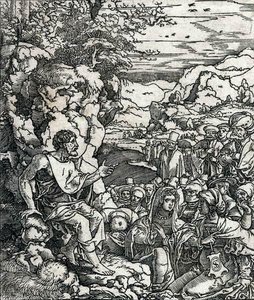
Swart’s versatility was perhaps most evident in his mastery of printmaking. He possessed a unique ability to translate complex theological and political anxieties into the medium of woodcuts. His prints often captured the zeitgeist of his era, such as his evocative depictions of Ottoman cavalrymen—a reflection of the contemporary European fears regarding expansion. Furthermore, his collaborative woodcut series, which portrayed Christ preaching from a ship, demonstrates his capacity for large-scale storytelling, using the interplay of water and light to underscore the divine nature of the sermon.
Legacy of Mentorship and Lasting Significance
Beyond his individual canvases and prints, Jan Swart van Groningen’s legacy is etched into the very fabric of Netherlandish art through his role as a mentor. His artistic partnership with Adriaen Pietersz Crabeth stands as a testament to his dedication to the craft. Under Swart’s guidance, Crabeth developed the skills that would eventually lead him to become a celebrated master of stained-glass art. This lineage of talent ensured that Swart’s influence would ripple through the generations of Flemish and Dutch artists who followed.
The enduring significance of Swart’s oeuvre lies in its ability to serve as a window into the sixteenth-century soul. Whether through his monumental wood panels depicting biblical figures like John the Baptist or his evocative depictions of landscapes, his work captures a world caught between the medieval and the modern. His paintings remain vital studies in:
- Spiritual Resonance: The use of religious narrative to evoke profound contemplation and faith.
- Technical Precision: The seamless integration of oil and tempera to achieve luminous, lasting textures.
- Humanist Realism: The ability to render the human form and natural environments with an almost unsettling accuracy.
Today, as we look upon the works attributed to Jan Swart van Groningen, we see more than mere historical artifacts; we encounter a master who successfully bridged the gap between the earthly and the divine, leaving behind a legacy of beauty, detail, and profound emotional truth.
jan swart van groningen
1495 - 1563 , Netherlands
Datos clave
- Artistic Movement Or Style: Renaissance
- Artists Or Movements Influenced By This Artist: ['Dirck Pietersz Crabeth']
- Artists Who Influenced This Artist: ['Jan van Scorel']
- Date Of Birth: c. 1495
- Date Of Death: c. 1563
- Full Name: Jan Swart van Groningen
- Nationality: Dutch
- Notable Artworks:
- The wedding in Kana
- The Triumph of Death
- Place Of Birth: Groningen, Netherlands
Artículos relacionados

John Singer Sargent: Las 25 Obras Maestras del Retrato y la Belle Époque | ArtsDot
Descubre las 25 obras maestras de John Singer Sargent, el maestro del retrato y la Belle Époque. Explora su técnica impresionista, historias fascinantes y encuentra reproducciones de arte exclusivas para decorar tu hogar con elegancia en ArtsDot.com.

John Constable: Las 25 Obras Maestras del Paisaje Inglés | ArtsDot
Descubre las 25 obras maestras de John Constable, el pintor romántico inglés que capturó la belleza del paisaje. Explora su técnica, historia y significado en ArtsDot.com. Reproducciones de arte de alta calidad para tu hogar.
Jan Steen: A Master of Dutch Genre Painting & the Golden Age
Explore the life & art of Jan Steen, a leading Dutch Golden Age painter renowned for his humorous genre scenes & insightful social commentary. Discover his techniques, legacy, and collecting tips.
Jan van Goyen: Master of Dutch Landscape & Atmospheric Perspective
Discover Jan van Goyen, the master of Dutch landscape painting. Explore his subtle technique, atmospheric realism & lasting influence on art history. Learn about this 17th-century pioneer at ArtsDot.

Los 10 Maestros del Barroco Holandés: Obras que Definen una Época | ArtsDot
Descubre los 10 imprescindibles del Barroco holandés: Rembrandt, Vermeer y más. Explora la historia, técnica y belleza de estas obras maestras. Reproducciones de arte en ArtsDot.com para decorar tu hogar con elegancia.