 Vista previa
 Compartir
 Compartir
 Ver detalles

 Descargar
 Ver similares
 Radiografía
 Presentación de diapositivas
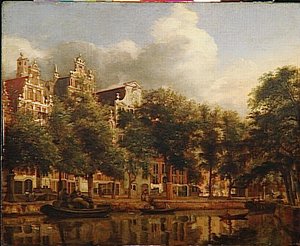
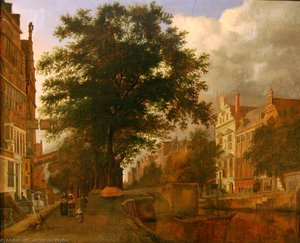
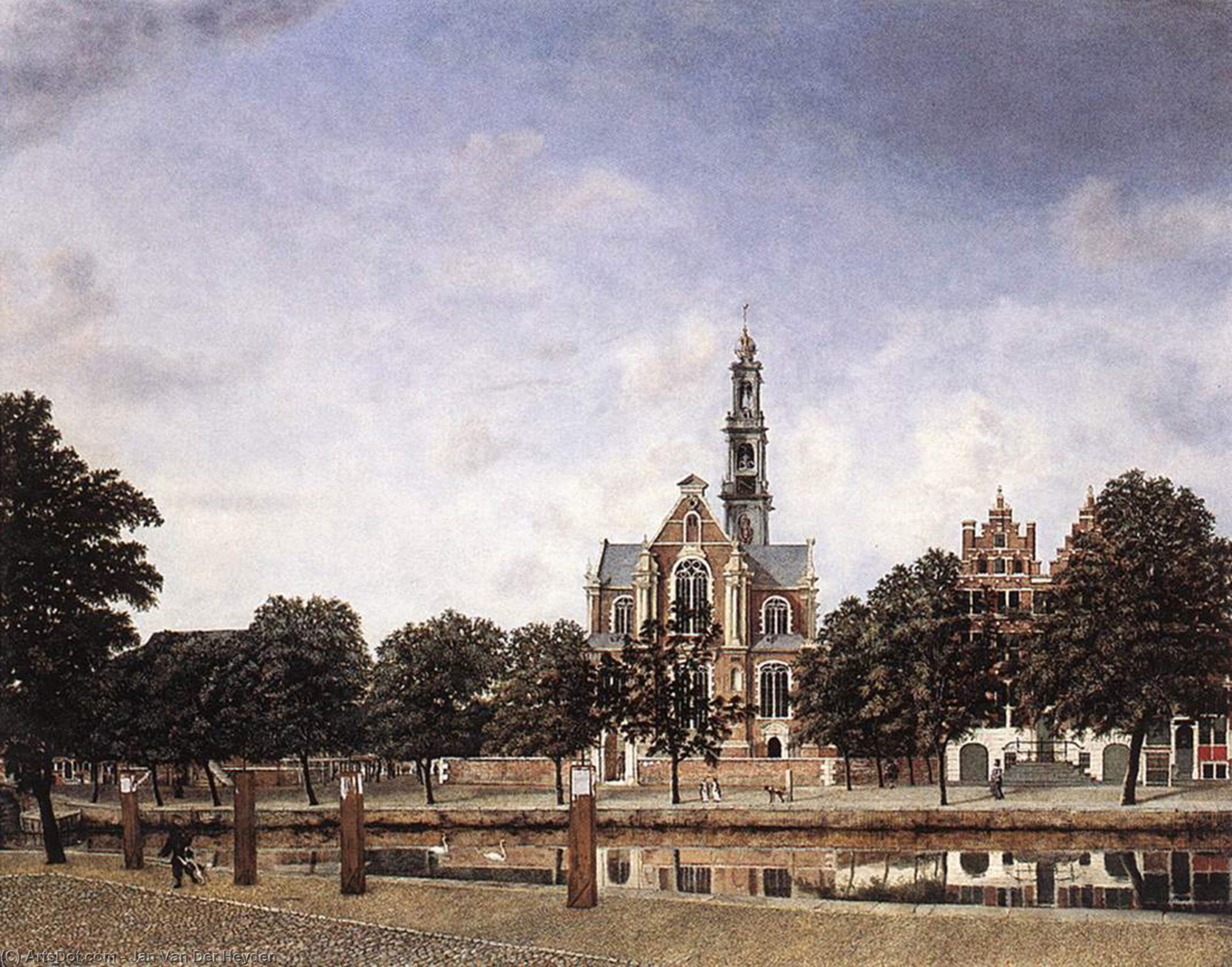
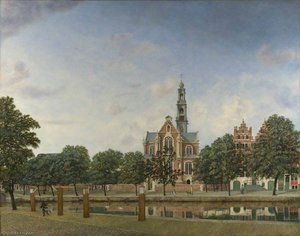
View of the Westerkerk, Amsterdam
 Acrylic On Canvas
- WallArt
- Dutch Golden Age
 1660
1660 91.0 x 114.0 cm
 Galería Nacional
 Leer más
Giclée / Impresión de arte
Impresiones giclée o en lienzo de calidad de museo con producción rápida y opciones de acabado flexibles. ( Encargar reproducción pintada a mano Comprar descarga)




P118B $10

P118H $10

P118W $10

P438Z $10

P508JH $12

P508YH $12

P805H $10

P805Z $10

P919BZ $10

P919G $10

P919XJ $10

P959ZH $10

P968JZ $12

W106C $8

W218G $10

W218JH $8

W218Y $10

W307PJ $10

W316G $10

W316PJ $8

W316Y $10

W398PJ $8

W4111J $10

W500HY $15

W500JH $15

W692G $12

W849H $8

W940BG $15

W953PJ $8




Elija entre nuestros tamaños predefinidos que respetan las proporciones originales de la obra.

Puede introducir sus propias dimensiones para adaptarse a un marco o espacio específico. Si el tamaño seleccionado no coincide con las proporciones de la imagen original, recortaremos la obra de arte o extenderemos la imagen con un borde con efecto espejo o de color sólido. Se enviará una maqueta digital para su aprobación antes de que comience la producción.
Tenga en cuenta que la vista previa en pantalla no refleja el recorte o la extensión real. Solo la maqueta mostrará con precisión la composición final.
Aunque existen tamaños personalizados, recomendamos seleccionar una dimensión de la lista predefinida para preservar las proporciones originales.
Envío a todo el mundo () en 2 semanas en lugar de las 4/5 semanas estándar. (22 agosto)

Envío exprés gratuito a todo el mundo

Lienzo de lino de alta calidad

Seguro de envío completo

Garantía de reembolso de aranceles aduaneros

Garantía de fidelidad cromática exacta

Política de devolución de 60 días (solo por defectos)

Garantía de devolución del 100% del dinero

Oferta por volumen
 La opción de vidrio solo está disponible en tamaños inferiores a 110 cm.

View of the Westerkerk, Amsterdam
Giclée / Impresión de arte
Tamaño de la reproducción
-


Precio total
$ 62
Descripción de la pieza
A Window into Amsterdam’s Soul: Jan van der Heyden's View of the Westerkerk
Jan van der Heyden’s “View of the Westerkerk,” completed in 1660, stands as a cornerstone of Dutch Golden Age urban landscape painting—a testament to meticulous observation and artistic innovation. More than just a depiction of Amsterdam’s iconic church tower, it embodies the spirit of a burgeoning city striving for grandeur and civic pride during its zenith of cultural achievement. Painted with remarkable precision, this artwork captures not merely what was seen but also how it felt to inhabit that vibrant period.The Painter's Vision: Technique and Style
Van der Heyden’s mastery lay in his ability to synthesize architectural realism with atmospheric perspective—a technique championed by artists like Rembrandt and Rubens. He employed a layered approach, beginning with a detailed rendering of the Westerkerk itself, painstakingly capturing its spire, windows, and façade. However, he didn't stop there. Recognizing that buildings exist within a broader environment, Van der Heyden skillfully blended shades of grey and ochre to create a convincing illusion of depth—a subtle gradation of color that conveys the hazy air characteristic of Amsterdam summers. This masterful use of chiaroscuro – the interplay between light and shadow – lends an emotional resonance to the scene, inviting viewers into the heart of the cityscape.Amsterdam at Its Peak: Historical Context
The year 1660 marks a pivotal moment in Amsterdam’s history; it was during this time that Rembrandt van Rijn passed away, signaling the end of an era dominated by dramatic chiaroscuro and psychological portraiture. Simultaneously, the city experienced unprecedented economic prosperity fueled by trade—particularly maritime commerce—resulting in ambitious building projects and a palpable sense of optimism. Van der Heyden’s painting reflects this dynamism, portraying a bustling urban panorama populated with figures engaged in everyday activities – merchants, laborers, and passersby—creating an immersive experience for the viewer. The inclusion of a boat adds to the scene's realism, anchoring it firmly within the tangible realities of Amsterdam life.Symbolism Beyond Representation
Beyond its technical brilliance, “View of the Westerkerk” carries symbolic weight. The church tower itself represents faith and civic authority—institutions central to Dutch society during the seventeenth century. Its prominent position underscores the importance of religious institutions in shaping the cultural landscape. Furthermore, the trees surrounding the church symbolize resilience and permanence – mirroring the enduring spirit of Amsterdam as a city committed to growth and stability. The artist’s careful composition contributes to this overarching message, guiding the eye across the canvas and reinforcing the grandeur of the scene.Emotional Resonance: An Impression of Tranquility
Despite its depiction of urban activity, “View of the Westerkerk” exudes an unexpected sense of tranquility. Van der Heyden's muted palette—dominated by earthy tones—creates a calming atmosphere that contrasts sharply with the turbulent artistic currents of the time. The painting invites contemplation and offers a glimpse into a moment frozen in history – a beautifully rendered snapshot of Amsterdam’s splendor, capturing not just its visual appearance but also its underlying mood. It remains an enduring symbol of Dutch heritage and continues to inspire admiration for its artistry and evocative portrayal of daily life.Obras relacionadas


Biografía del artista
Primeros Años y Formación
- Nacimiento: Gorinchem, Países Bajos (1637)
- Fallecimiento: 1712
- Jan van der Heyden nació en Gorinchem, hijo de un padre menonita. Su familia se mudó a Ámsterdam en 1646.
- Probablemente recibió su formación artística inicial dentro de su familia, posiblemente por parte de su hermano, Goris van der Heyden, que fabricaba y vendía espejos.
- Se cree que pudo haber aprendido dibujo de un pintor de vidrieras, potencialmente Jacob van der Ulft, un reconocido pintor de vidrieras de Gorinchem.
- Las primeras obras incluyeron pinturas sobre vidrio (verre eglomisé), lo que sugiere un enfoque temprano en las artes decorativas.
Desarrollo Artístico y Obras Clave
- Van der Heyden se especializó en paisajes urbanos, convirtiéndose en uno de los principales pintores arquitectónicos del Siglo de Oro Neerlandés.
- Fue uno de los primeros pintores holandeses en dedicar la mayor parte de su producción a vistas de ciudades.
- Sus pinturas a menudo representaban diversas vistas de Ámsterdam, así como paisajes de otras ciudades holandesas, flamencas y alemanas.
- Obras notables incluyen:
- Vista de Oudezijds Voorburgwal con la Oude Kerk en Ámsterdam
- Naturaleza muerta con Globo, Libros y Seda China
- Una Fantasía Arquitectónica
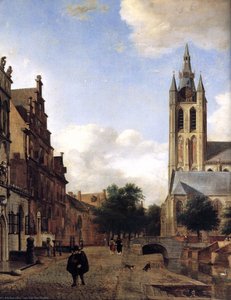
- Vista de Delft con el Viejo Iglesia
- Vista de la Westerkerk, Ámsterdam
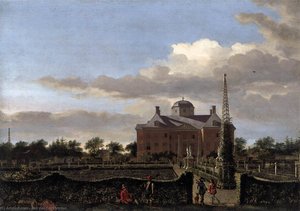
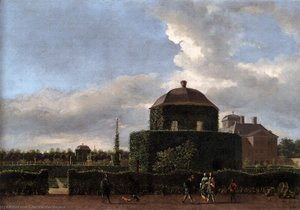
- Huis ten Bosch en La Haya y su Jardín Formal (Vista desde el Este)
- A menudo pintaba fincas campestres, como Goudestein, encargadas por Joan Huydecoper II.
- Su estilo se caracteriza por un manejo detallado y una representación realista de los elementos arquitectónicos.
Innovaciones en Ingeniería y Contribuciones al Combate contra Incendios
- Más allá de la pintura, Van der Heyden fue un ingeniero e inventor con importantes contribuciones a la tecnología contra incendios.
- Junto con su hermano Nicolaes, inventó mejoras a la manguera contra incendios en 1672.
- Modificó los camiones manuales de bomberos y reorganizó el cuerpo de bomberos voluntarios (1685).
- Escribió e ilustró *Brandspuiten-boek*, el primer manual sobre extinción de incendios.
- Diseñó e implementó un sistema de alumbrado público para Ámsterdam, que permaneció en funcionamiento durante más de un siglo.
Influencias y Significado Histórico
- Van der Heyden estuvo influenciado por maestros holandeses anteriores conocidos por su detalle arquitectónico y realismo.
- Su enfoque innovador a los paisajes urbanos lo estableció como pionero en el género.
- Sus representaciones detalladas de la vida urbana brindan valiosas perspectivas sobre el Ámsterdam del siglo XVII y otras ciudades.
- Sus contribuciones en ingeniería mejoraron significativamente las capacidades contra incendios, impactando la seguridad urbana.
- Anticipó movimientos artísticos posteriores con sus "fantasías arquitectónicas", combinando elementos de diferentes estructuras.
Vida Posterior y Legado
- Van der Heyden se casó con Sara ter Hiel en 1661 y vivió en el canal Herengracht en Ámsterdam.
- Murió como un hombre rico en 1712, dejando atrás una sustancial herencia que incluía más de setenta de sus propias pinturas.
- Su único alumno conocido fue su hijo, Jan.
- El legado de Van der Heyden radica no solo en sus logros artísticos sino también en sus invenciones prácticas que moldearon la vida urbana y la seguridad.
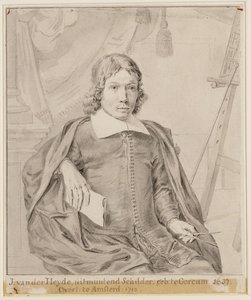
Jan van der Heyden
1637 - 1712 , Países Bajos
Datos clave
- Artistas Que Influyeron: ['Jacob van der Ulft']
- Fecha De Fallecimiento: 28 de marzo de 1712
- Fecha De Nacimiento: 5 de marzo de 1637
- Lugar De Nacimiento: Gorinchem, Países Bajos
- Movimiento Artístico: Barroco Neerlandés
- Nacionalidad: Neerlandés
- Nombre Completo: Jan van der Heyden
- Obras Notables:
- Vista de Oudezijds Voorburgwal
- Bodegón con Globo y Libros
- Fantasía Arquitectónica
- Vista de Delft con Iglesia Vieja
- Vista de la Westerkerk, Ámsterdam
- Huis ten Bosch, La Haya
Artículos relacionados

Los 10 Maestros del Siglo de Oro Holandés: Arte, Historia y Decoración Exclusiva
Descubre los 10 imprescindibles del Siglo de Oro Holandés: Rembrandt, Vermeer y más. Explora la historia, técnica y belleza de estos lienzos clásicos. Encuentra reproducciones de arte exclusivas para decorar tu hogar en .

Rembrandt van Rijn: Las 25 Obras Maestras que Definen un Genio | Arte, Historia y Decoración
Descubre las 25 obras maestras de Rembrandt van Rijn, el genio del barroco holandés. Explora su historia, técnica y simbolismo en retratos icónicos como 'La Ronda Nocturna'. Encuentra reproducciones de arte exclusivas para decorar tu hogar con ArtsDot.com.
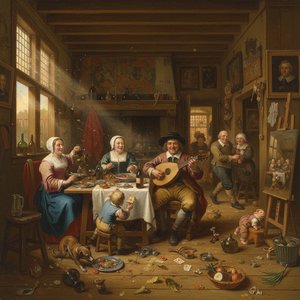
Jan Steen: A Master of Dutch Genre Painting & the Golden Age
Explore the life & art of Jan Steen, a leading Dutch Golden Age painter renowned for his humorous genre scenes & insightful social commentary. Discover his techniques, legacy, and collecting tips.

Reflejos de una Época Dorada: La Pintura Barroca Holandesa y la Innovación Cultural
Descubra la riqueza y el detalle de la pintura barroca holandesa del Siglo de Oro. Explore las obras maestras de Rembrandt, Vermeer y otros artistas clave. Análisis experto e historia cultural.

La Luz y la República: Innovación Artística en el Siglo de Oro Neerlandés
Descubra la innovación artística del Siglo de Oro Neerlandés. Explore las obras maestras de Rembrandt y Vermeer, técnicas revolucionarias y el legado perdurable de este florecimiento cultural. ¡Sumérjase en la luz y la belleza!