

 Ver en contexto
 Enviar
 Compartir
 Detalles

 Descargar
 Similares
 Radiografía
 Presentación de diapositivas
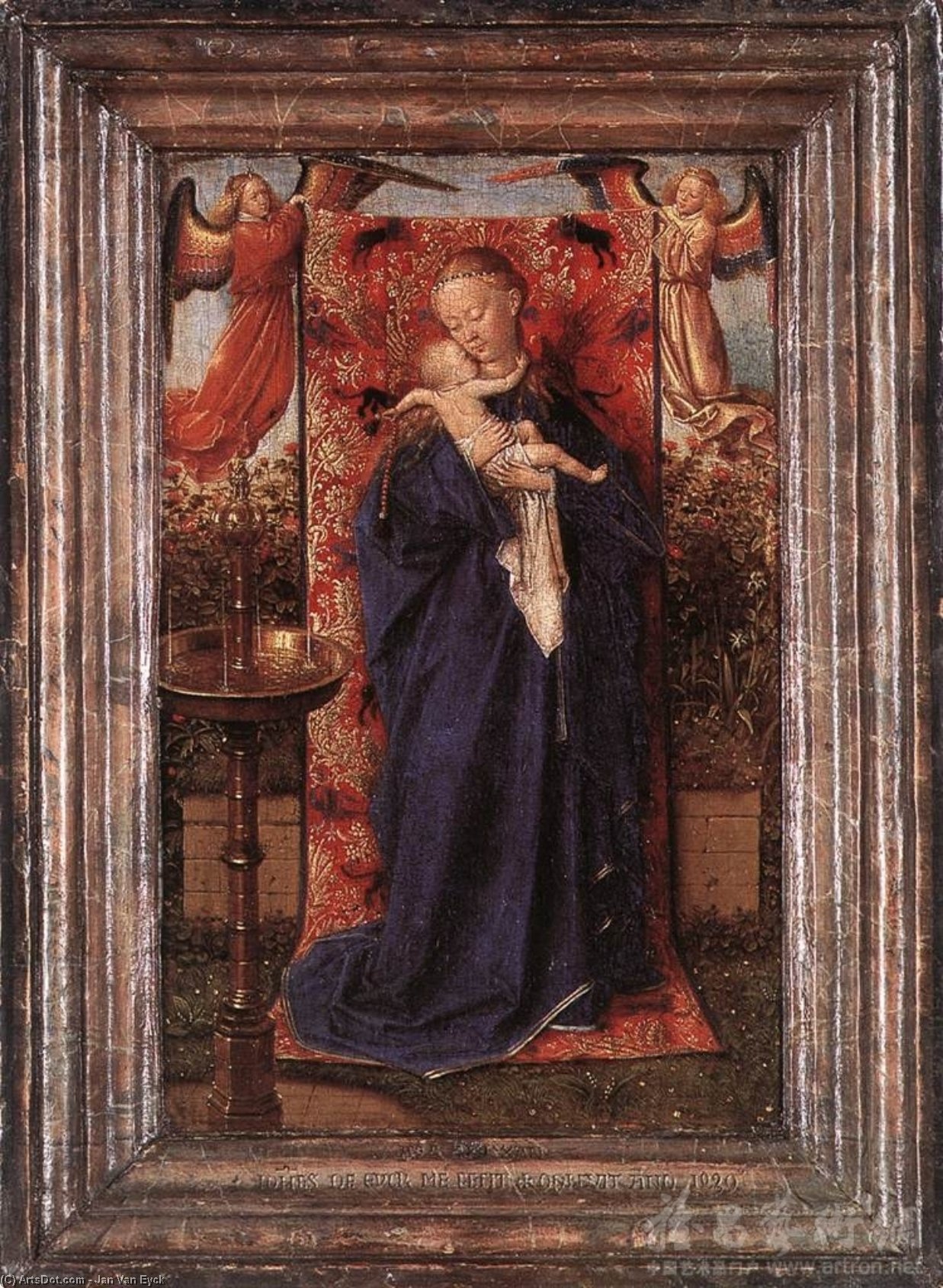
Madonna and Child at the Fountain


 Ver más
Adquiera una imagen digital de alta resolución y optimizada, muy superior a la vista previa en línea.
Cada archivo es preparado meticulosamente por nuestros especialistas internos mediante el uso de herramientas avanzadas y un experto retoque manual. Nos aseguramos de que cada imagen posea una claridad excepcional, una precisión cromática impecable y un detalle minucioso.
El archivo final se entrega por correo electrónico en un plazo de 72 horas, optimizado para su uso inmediato en entornos profesionales, editoriales y de impresión. Esta es la misma calidad en la que confían los estudios de diseño, las editoriales y las galerías de primer nivel.
Imagen Digital
Descarga un archivo de alta resolución para exhibición personal, impresión y proyectos creativos. ( Comprar impresión Comprar pintura hecha a mano)
Incluido en cada pedido de imágenes digitales
Entrega digital experta, garantizada.
Al elegir ArtsDot.com, no solo está adquiriendo una imagen; está recibiendo una obra de arte digital mejorada profesionalmente, elaborada con precisión y respaldada por una garantía de satisfacción. Esto es todo lo que incluye su pedido, automáticamente:

Entrega rápida por email
Recibirá su archivo de imagen digital en alta resolución por correo electrónico en un plazo de 72 horas tras realizar su pedido, listo para su uso inmediato.

Archivo digital optimizado por IA
Su obra de arte se optimiza profesionalmente mediante herramientas avanzadas de IA y edición manual, garantizando el máximo detalle, claridad y precisión cromática.

Reenvío gratuito de por vida
¿Has borrado o perdido tu archivo por error? No te preocupes: te lo volveremos a enviar en cualquier momento, sin coste adicional.

Sin gastos de importación, siempre
Disfrute de su obra de arte al instante sin aduanas, aranceles ni gastos de envío; las descargas digitales siempre están libres de impuestos.

Garantía de fidelidad de color
Garantizamos que su imagen digital refleje los colores originales con la mayor fidelidad posible, mediante el uso de herramientas profesionales y gestión del color.

Garantía de satisfacción de 60 días
Si no está satisfecho con su imagen digital, la revisaremos o le reembolsaremos el 100% en un plazo de 60 días, sin preguntas.

100% Garantía de devolución de dinero
¿No está satisfecho? Obtenga un reembolso completo dentro de los 60 días posteriores a la recepción de su archivo digital, sin necesidad de explicaciones.

Descuentos por pedidos grandes
Compra 3 imágenes, ahorra 10% - Compra 5, ahorra 15% - Compra 10+, ahorra 20%. Ideal para proyectos creativos, galerías y agencias.
Descripción del coleccionable
A Visionary Dawn: The Luminous World of Jan van Eyck
In the quiet, hallowed halls of St George’s Cathedral in Bruges, there exists a window into a more spiritual age. “Madonna and Child at the Fountain” is not merely a painting; it is a profound devotional experience captured through the revolutionary lens of the Early Netherlandish master, Jan van Eyck. Painted circa 1430-1432, this masterpiece serves as a testament to a period when art began to transcend the flat, symbolic boundaries of the Middle Ages to embrace a breathtaking, tactile reality. As the viewer gazes upon the Virgin Mary cradling the Christ child, there is an immediate sense of intimacy, as if we have stumbled upon a private, celestial moment shared between mother and son amidst the stillness of a sacred chamber.
The emotional resonance of the work lies in its tender composition. The way the infant Jesus gazes upward toward the heavens, mirrored by the serene, contemplative expression of Mary, invites the observer into a state of quiet reverence. This connection is further enriched by the presence of ethereal angels flanking the central figures, acting as celestial witnesses to this earthly manifestation of the divine. Even the mundane elements—a simple dining table and a humble bowl placed in the foreground—are elevated to the level of the sacred, suggesting that the divine can be found within the most domestic and quiet corners of our lives.
The Alchemy of Light and Oil
To understand the visual splendor of this work, one must appreciate the technical revolution Jan van Eyck spearheaded. Before his innovations, the art world relied heavily on tempera, a medium that, while vibrant, lacked the ability to capture the true depth of light. Van Eyck’s mastery of oil painting changed the course of art history forever. By meticulously applying thin, transparent glazes of pigment, he achieved an unprecedented luminosity. This technique allows light to pass through the layers of paint and reflect back from the base, creating a soft, inner glow that seems to emanates from within the subjects themselves.
This mastery is most evident in the way the artist renders textures and reflections. The subtle translucence of Mary’s robes, the shimmering, liquid quality of the fountain, and the delicate play of light and shadow across the skin of the Christ child all demonstrate a level of realism that was nothing short of miraculous for the 15th century. For the collector or interior designer, these qualities make a reproduction of this piece an extraordinary addition to any space; it possesses a unique ability to catch the ambient light of a room, bringing a sense of depth, warmth, and sophisticated texture to a gallery wall or a curated study.
A Legacy of Flemish Grandeur
The historical backdrop of this painting is as rich as its pigments. During the mid-15th century, Bruges was the beating heart of European commerce, a bustling hub where wealth from global trade met the spiritual fervor of the Northern Renaissance. This era of prosperity allowed for the rise of a sophisticated class of patrons—merchants and guilds who sought art that reflected both their worldly success and their deep religious devotion. Van Eyck’s workshop was at the epicenter of this cultural flowering, producing works that defined the aesthetic identity of the Low Countries.
Owning or displaying a high-quality reproduction of “Madonna and Child at the Fountain” is more than an act of decoration; it is an engagement with history. It brings into a modern interior the prestige of the Flemish tradition and the quiet, contemplative beauty of the Northern Renaissance. Whether placed in a sunlit living area or a moody, classical library, this painting serves as a focal point of grace, offering a timeless reminder of the beauty found in light, devotion, and the enduring power of human craftsmanship.
Biografía del artista
vida temprana y carrera
Jan van Eyck, una figura destacada del temprano movimiento de la pintura neerlandesa, nació alrededor de 1390 en Maaseik, actual Bélgica. Para 1422, se había establecido como un maestro pintor con un taller y asistentes en La Haya. Notablemente, sirvió a Juan III el Cruel y más tarde Felipe el Bueno, duque de Borgoña, como pintor de la corte, gozando de alto prestigio e involucrándose en actividades diplomáticas.contribuciones artísticas
Las obras de Van Eyck, inicialmente basadas en el estilo gótico internacional, trascendieron sus límites a través de su enfoque naturalista mejorado y el uso innovador del óleo. Esto estableció un nuevo estándar en el arte, convirtiéndolo en un pionero del temprano movimiento de la pintura neerlandesa. Algunas de sus obras notables incluyen:- Dios el Padre (212 x 83 cm, renacimiento del norte, óleo sobre tabla, ver en ArtsDot.com)
- Retrato de un joven (33 x 19 cm, renacimiento del norte, óleo sobre tabla, ver en ArtsDot.com)
- Triptico de Dresde (Virgen y Niño con San Miguel y Santa Catalina y una donante) (28 x 38 cm, Gemäldegalerie alte meister, Dresde, Alemania, renacimiento del norte, madera, ver en ArtsDot.com)
- Retrato de Giovanni Arnolfini y su esposa (detalle) (National Gallery, Londres, Reino Unido, óleo, ver en ArtsDot.com)
- Hombre con turbante azul (17 x 23 cm, el Museo Nacional de Arte de Rumanía, Bucarest, Rumania, renacimiento del norte, madera, ver en ArtsDot.com)
legado e influencia
La influencia de Van Eyck fue profunda, allanando el camino para la floreciente tradición de la pintura neerlandesa temprana. Su uso innovador del óleo añadió profundidad y realismo a sus obras, convirtiéndolo en una figura **renombrada en el mundo del arte**. Para explorar más las obras de Jan van Eyck y el movimiento de la pintura neerlandesa temprana, visite la página de Jan van Eyck en ArtsDot.com.lecturas adicionales
* Wikipedia: [Jan van Eyck](https://en.wikipedia.org/wiki/jan_van_eyck) * ArtsDot.com: pintor neerlandés del norte * ArtsDot.com: el movimiento de arte neerlandés temprano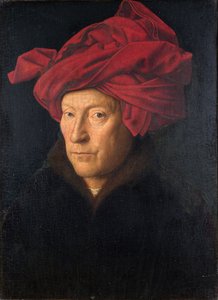
Jan van Eyck
1390 - 1441 , Países Bajos
Breves datos
- Artistic Movement Or Style: Pintura flamenca temprana
- Artists Or Movements Influenced By This Artist: ['Escuela Flamenca']
- Date Of Birth: c. 1390
- Date Of Death: 1441
- Full Name: Jan van Eyck
- Nationality: Flemeco
- Notable Artworks:
- Triptico de Gante
- Retrato de Arnolfini
- Place Of Birth: Maastricht, Países Bajos

