 Vista previa
 Compartir
 Compartir
 Ver detalles

 Descargar
 Ver similares
 Radiografía
 Presentación de diapositivas
Портрет Баудоина де Ланноя
 Óleo sobre lienzo
- Arte de pared
- Early Netherlandish Painting
 1435
1435- Renacimiento
 26.0 x 20.0 cm
 Staatliche Museen zu Berlin
 Leer más
Reproducción al óleo hecha a mano
Óleo sobre lienzo pintado a mano en el tamaño y marco de su elección, realizado por encargo por nuestros artistas. ( Pedir impresión Comprar descarga)




































Elija entre nuestros tamaños predefinidos que respetan las proporciones originales de la obra.

Puede ingresar sus propias dimensiones para adaptarse a un marco o espacio específico. Si el tamaño seleccionado no coincide con las proporciones de la imagen original, recortaremos la obra o extenderemos la pintura con elementos adicionales pintados a mano. Se le enviará una maqueta digital para su aprobación antes de comenzar la producción.
Tenga en cuenta que la vista previa en pantalla no refleja el recorte o la extensión reales. Solo la maqueta mostrará con precisión la composición final.
Si bien existen tamaños personalizados, recomendamos seleccionar una dimensión de la lista predefinida para preservar las proporciones originales.
Tras realizar el pedido, el equipo de ArtsDot.com enviará un correo electrónico al cliente para solicitar instrucciones y proporcionarle una vista previa del boceto.
Envío a todo el mundo () en 3-4 semanas en lugar de las 5 semanas estándar. (22 agosto). Sin comprometer la calidad.

Envío exprés gratuito a todo el mundo

Lienzo de lino de alta calidad

Seguro de envío completo

Garantía de reembolso de aranceles aduaneros

Garantía de fidelidad cromática exacta

Política de devolución de 60 días (solo por defectos)

Garantía de devolución del 100% del dinero

Oferta por volumen
 La opción de vidrio solo está disponible en tamaños inferiores a 110 cm.

Портрет Баудоина де Ланноя
Técnica de reproducción
Tamaño de la reproducción
-


Precio total
$ 263
Descripción de la obra
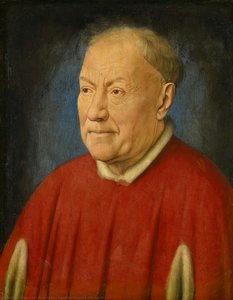
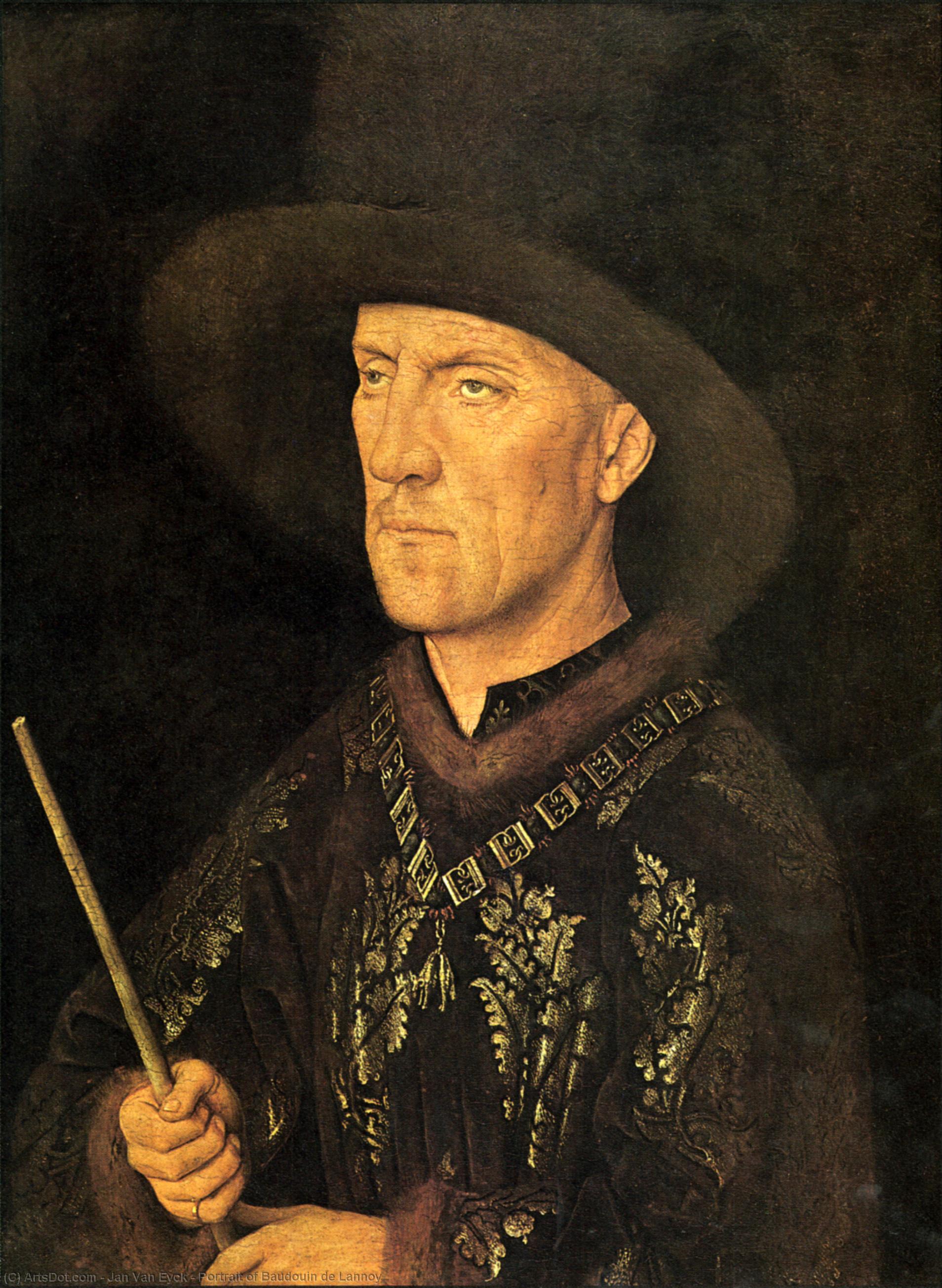
Portrait of Baudouin de Lannoy: A Window Into Burgundian Nobility
Jan van Eyck’s Portrait of Baudouin de Lannoy stands as an emblem of Early Netherlandish painting and the burgeoning Renaissance spirit in Flanders during the mid-15th century. Completed around 1435, this intimate depiction transcends mere representation; it's a masterful distillation of status, piety, and artistic innovation—a testament to Van Eyck’s unparalleled skill at capturing not just likeness but also character. Currently residing within the Gemäldegalerie Berlin, the painting offers viewers an exceptional opportunity to immerse themselves in the opulent world of Burgundian aristocracy and appreciate the revolutionary advancements of oil paint technique.- Subject Matter: The portrait portrays Baudouin de Lannoy, a prominent diplomat serving Philip the Good—the Duke of Burgundy—during Henry V’s reign. This commission underscores the importance of patronage in shaping artistic production during this period and reflects the desire to commemorate influential figures within the royal court.
- Style & Composition: Van Eyck employs a strikingly realistic style, prioritizing meticulous detail and subtle tonal gradations that would become hallmarks of his oeuvre. The composition is carefully balanced, positioning Baudouin centrally against a muted background adorned with understated drapery—a deliberate choice designed to elevate the sitter’s importance while maintaining an air of dignified restraint.
- Technique: What distinguishes this portrait is undoubtedly Van Eyck's pioneering use of oil paint. Unlike tempera pigments which dry quickly and offer limited color depth, oil paints allow for extended blending and layering—resulting in astonishing luminosity and textural richness. Observe how the artist skillfully renders the velvety texture of Baudouin’s robe and the shimmering sheen of his gold ring, demonstrating a profound understanding of material properties.
Symbolism: Layers of Meaning Beyond Appearance
Beyond its visual splendor lies a wealth of symbolic significance. The ornate hat adorned with a feather—a symbol of nobility and heraldry—immediately establishes Baudouin’s social standing. Similarly, the collar of the Order of the Golden Fleece—a prestigious chivalric order awarded for bravery and loyalty—represents Baudouin's dedication to honor and virtue. Even the placement of the book near Baudouin’s left hand subtly suggests intellectual pursuits and moral contemplation—reflecting the humanist ideals prevalent during the Renaissance. Van Eyck’s meticulous attention to detail extends beyond mere representation; he imbues every element with symbolic resonance, inviting viewers to contemplate deeper themes of power, piety, and human dignity.A Legacy of Innovation: Van Eyck's Influence on Art History
Jan van Eyck’s Portrait of Baudouin de Lannoy is not merely a beautiful painting; it represents a pivotal moment in artistic history—the definitive adoption of oil paint as a dominant medium for portraiture. Prior to this groundbreaking achievement, artists relied primarily on tempera pigments, resulting in paler hues and less nuanced textures. Van Eyck’s mastery of oil paint fundamentally altered the artistic landscape, paving the way for subsequent generations of painters who sought to emulate his unparalleled realism and expressive power. His influence can be seen throughout Northern European art—from Rogier van der Weyden's monumental altarpiece to Pieter Bruegel the Elder’s captivating landscapes—solidifying Van Eyck’s position as one of the most influential artists of the Renaissance.Reproductions: Bringing Baudouin’s Dignity Home
A high-quality reproduction of Portrait of Baudouin de Lannoy allows admirers to experience the brilliance of Van Eyck's technique and appreciate the profound beauty of this iconic artwork. ArtsDot offers exceptional reproductions crafted with archival pigments on premium canvas—capturing the subtle nuances of color and texture that define the original masterpiece. Invest in a timeless piece of art history and transform your interior space into a sanctuary of elegance and sophistication.Obras relacionadas
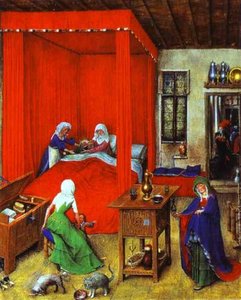
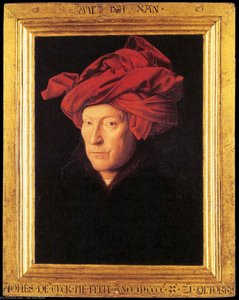
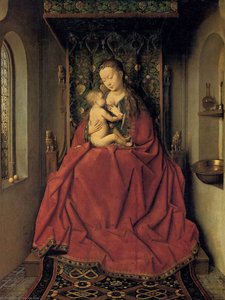
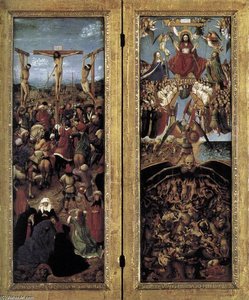
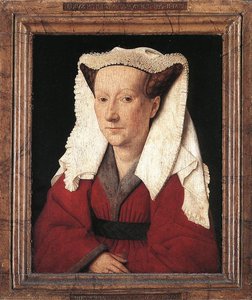
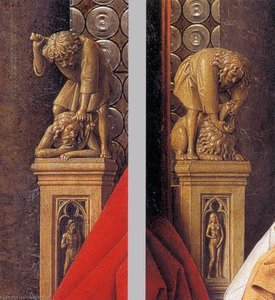
Biografía del artista
vida temprana y carrera
Jan van Eyck, una figura destacada del temprano movimiento de la pintura neerlandesa, nació alrededor de 1390 en Maaseik, actual Bélgica. Para 1422, se había establecido como un maestro pintor con un taller y asistentes en La Haya. Notablemente, sirvió a Juan III el Cruel y más tarde Felipe el Bueno, duque de Borgoña, como pintor de la corte, gozando de alto prestigio e involucrándose en actividades diplomáticas.contribuciones artísticas
Las obras de Van Eyck, inicialmente basadas en el estilo gótico internacional, trascendieron sus límites a través de su enfoque naturalista mejorado y el uso innovador del óleo. Esto estableció un nuevo estándar en el arte, convirtiéndolo en un pionero del temprano movimiento de la pintura neerlandesa. Algunas de sus obras notables incluyen:- Dios el Padre (212 x 83 cm, renacimiento del norte, óleo sobre tabla, ver en ArtsDot.com)
- Retrato de un joven (33 x 19 cm, renacimiento del norte, óleo sobre tabla, ver en ArtsDot.com)
- Triptico de Dresde (Virgen y Niño con San Miguel y Santa Catalina y una donante) (28 x 38 cm, Gemäldegalerie alte meister, Dresde, Alemania, renacimiento del norte, madera, ver en ArtsDot.com)
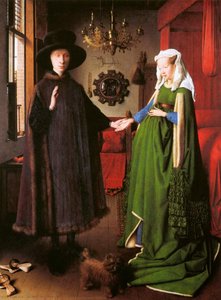
- Retrato de Giovanni Arnolfini y su esposa (detalle) (National Gallery, Londres, Reino Unido, óleo, ver en ArtsDot.com)
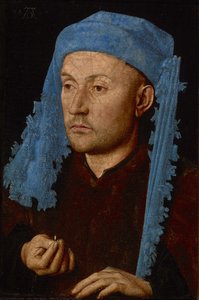
- Hombre con turbante azul (17 x 23 cm, el Museo Nacional de Arte de Rumanía, Bucarest, Rumania, renacimiento del norte, madera, ver en ArtsDot.com)
legado e influencia
La influencia de Van Eyck fue profunda, allanando el camino para la floreciente tradición de la pintura neerlandesa temprana. Su uso innovador del óleo añadió profundidad y realismo a sus obras, convirtiéndolo en una figura **renombrada en el mundo del arte**. Para explorar más las obras de Jan van Eyck y el movimiento de la pintura neerlandesa temprana, visite la página de Jan van Eyck en ArtsDot.com.lecturas adicionales
* Wikipedia: [Jan van Eyck](https://en.wikipedia.org/wiki/jan_van_eyck) * ArtsDot.com: pintor neerlandés del norte * ArtsDot.com: el movimiento de arte neerlandés temprano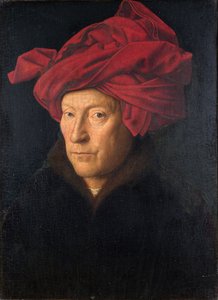
Jan van Eyck
1390 - 1441 , Países Bajos
Datos clave
- Artistic Movement Or Style: Pintura flamenca temprana
- Artists Or Movements Influenced By This Artist: ['Escuela Flamenca']
- Date Of Birth: c. 1390
- Date Of Death: 1441
- Full Name: Jan van Eyck
- Nationality: Flemeco
- Notable Artworks:
- Triptico de Gante
- Retrato de Arnolfini
- Place Of Birth: Maastricht, Países Bajos
Artículos relacionados

Los 10 Maestros del Primitivo Flamenco: Obras que Definen un Arte Inigualable | ArtsDot
Descubre los 10 imprescindibles del Primitivo Flamenco: Jan van Eyck, Robert Campin y más. Explora la historia, simbolismo y técnica de estas obras maestras renacentistas tempranas. Encuentra reproducciones de arte de museo en ArtsDot.com.
Jan van Eyck: Innovation, Symbolism & the Dawn of Early Netherlandish Painting
Explore the revolutionary art of Jan van Eyck! Discover his groundbreaking oil painting techniques, hidden symbolism, and lasting impact on the Early Netherlandish Renaissance. A deep dive for art enthusiasts.
Renacimiento Flamenco Temprano: 10 Obras Maestras que Cambiaron la Historia del Arte | ArtsDot
Descubre las 10 obras maestras del Renacimiento Flamenco Temprano. Explora la historia de Jan van Eyck, Robert Campin y más. Reproducciones de arte en ArtsDot.com para decorar tu hogar con belleza y elegancia. ¡Explora la colección online!

Rembrandt van Rijn: Las 25 Obras Maestras que Definen un Genio | Arte, Historia y Decoración
Descubre las 25 obras maestras de Rembrandt van Rijn, el genio del barroco holandés. Explora su historia, técnica y simbolismo en retratos icónicos como 'La Ronda Nocturna'. Encuentra reproducciones de arte exclusivas para decorar tu hogar con ArtsDot.com.
El Amanecer de una Nueva Visión: Contexto Histórico e Influencia Borgoña en el Renacimiento Temprano Flamenco
Descubre la riqueza del Renacimiento Temprano Flamenco y la influencia del Estado Borgoñón. Analizamos a Jan van Eyck, Robert Campin y el simbolismo oculto en sus obras maestras. ¡Explora la historia del arte con ArtsDot!