 Ver en contexto
 Enviar
 Compartir
 Detalles

 Descargar
 Similares
 Radiografía
 Presentación de diapositivas
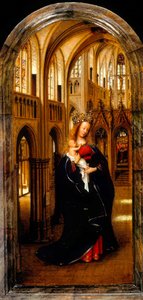
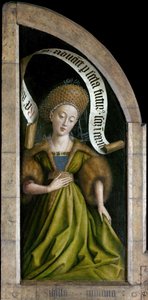
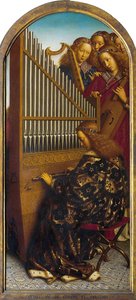
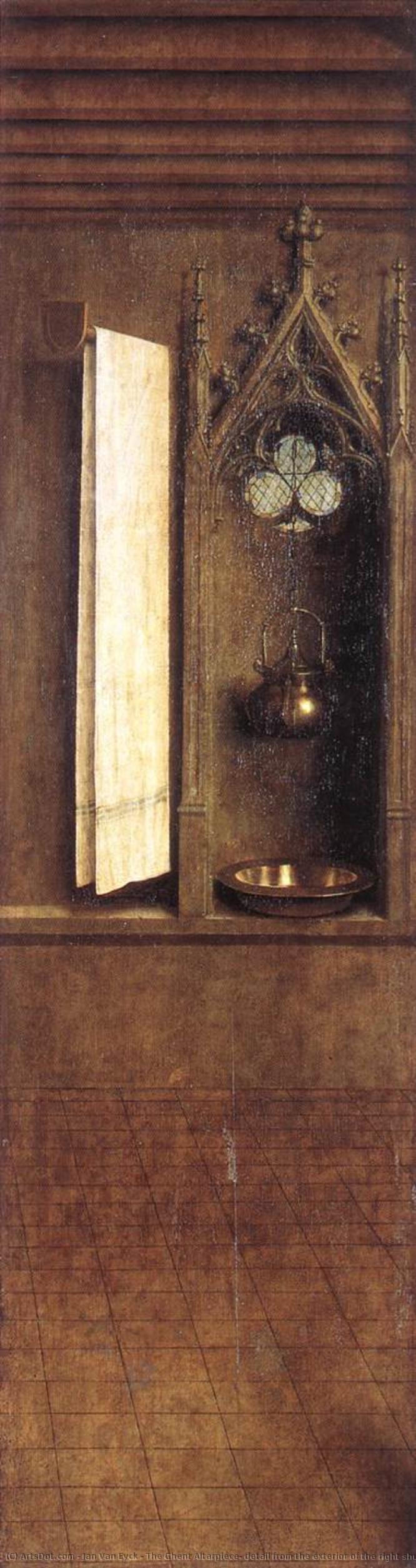
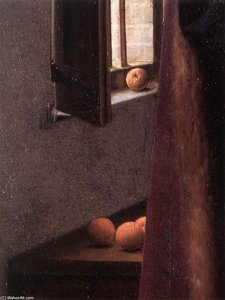
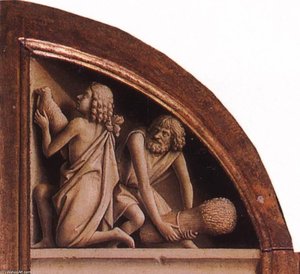
The Ghent Altarpiece, detail from the exterior of the right shutter
 Oil On Canvas
- WallArt
- Early Netherlandish Painting
 1432
1432 214.0 x 36.0 cm
 Catedral de San Bavón
 Ver más
Giclée / Impresión de arte
Impresiones giclée o en lienzo de calidad de museo con producción rápida y opciones de acabado flexibles. ( Comprar pintura hecha a mano Comprar imagen)




P118B $10

P118H $10

P118W $10

P438Z $10

P508JH $12

P508YH $12

P805H $10

P805Z $10

P919BZ $10

P919G $10

P919XJ $10

P959ZH $10

P968JZ $12

W106C $8

W218G $10

W218JH $8

W218Y $10

W307PJ $10

W316G $10

W316PJ $8

W316Y $10

W398PJ $8

W4111J $10

W500HY $15

W500JH $15

W692G $12

W849H $8

W940BG $15

W953PJ $8




Elija entre nuestros tamaños predefinidos que respetan las proporciones originales de la obra.

Puede introducir sus propias dimensiones para adaptarse a un marco o espacio específico. Si el tamaño seleccionado no coincide con las proporciones de la imagen original, recortaremos la obra de arte o extenderemos la imagen con un borde con efecto espejo o de color sólido. Se enviará una maqueta digital para su aprobación antes de que comience la producción.
Tenga en cuenta que la vista previa en pantalla no refleja el recorte o la extensión real. Solo la maqueta mostrará con precisión la composición final.
Aunque existen tamaños personalizados, recomendamos seleccionar una dimensión de la lista predefinida para preservar las proporciones originales.
Envío a todo el mundo () en 2 semanas en lugar de las 4/5 semanas estándar. (6 septiembre)

Envío exprés gratuito a todo el mundo

Lienzo de lino de alta calidad

Seguro de envío total

Garantía de reembolso de impuestos aduaneros

Garantía de fidelidad cromática exacta

Política de devolución de 100 días (solo por defectos)

Garantía de devolución del 100% del dinero

Descuento por cantidad
 La opción de vidrio solo está disponible en tamaños inferiores a 110 cm.

The Ghent Altarpiece, detail from the exterior of the right shutter
Giclée / Impresión de arte
Dimensiones de la reproducción
-


Precio total final
$ 62
A Window Into Faith: Jan van Eyck’s ‘The Ghent Altarpiece’ – A Detail of Divine Light
The world of Early Netherlandish painting is often associated with meticulous detail, an almost obsessive concern for realism that seems to defy the limitations of the medium. At the heart of this revolution lies Jan van Eyck, a master whose legacy rests not just on his technical brilliance but also on his profound understanding of human emotion and spiritual depth. This particular detail – a section from the exterior of the right shutter of ‘The Ghent Altarpiece’ – offers a tantalizing glimpse into that world, revealing the artist's extraordinary skill and the complex layers of meaning woven into every brushstroke. Created in 1432, this fragment captures not merely a physical space but also a carefully constructed narrative of piety and earthly beauty.
The image itself presents a deceptively simple scene: a room bathed in diffused light, dominated by a mirror reflecting the interior. A sink sits nestled within a wooden basin, alongside a bowl – objects of everyday utility rendered with an almost unnerving precision. A clock hangs prominently from the ceiling, its hands frozen in time, suggesting a pause, a moment of contemplation. Yet, this is no mere domestic snapshot; it’s a deliberate composition designed to draw the viewer into a deeper understanding of the altarpiece's overarching theme: the glorification of God and humanity’s relationship with the divine. The mirror, a recurring motif in van Eyck’s work, isn’t simply a reflection of reality but acts as a symbolic portal – a visual representation of the soul’s journey towards enlightenment and salvation.
The Alchemy of Oil Paint: Technique and Innovation
Van Eyck's genius lay not just in his eye for detail but also in his pioneering use of oil paint. Prior to this period, artists primarily relied on tempera, a medium that offered less flexibility and vibrancy. Van Eyck’s adoption of oil allowed him to build up layers of translucent color – glazing – creating an astonishing depth and luminosity previously unattainable. Observe the subtle shifts in tone within the wooden floorboards, the way light catches the curves of the sink, or the delicate sheen on the bowl. Each element is rendered with painstaking accuracy, yet the overall effect is one of breathtaking realism and atmospheric richness. The meticulous application of paint, achieved through countless thin layers, demonstrates a level of control and patience that speaks volumes about van Eyck’s dedication to his craft.
Furthermore, consider the incredible detail in depicting textures – the rough grain of the wood, the smooth surface of the mirror, the delicate folds of fabric (though not visible in this particular section). This commitment to realism wasn't merely decorative; it served a theological purpose. By faithfully representing the material world, van Eyck aimed to elevate it, suggesting that even the most mundane objects could be imbued with spiritual significance. The meticulous rendering of these everyday items invites us to contemplate their connection to God’s creation and our place within it.
Symbolism and Spiritual Resonance
Beyond its technical mastery, ‘The Ghent Altarpiece,’ and this detail in particular, is rich in symbolism. The mirror itself represents introspection and the soul's journey towards divine knowledge. The sink and bowl evoke themes of purification and humility – essential components of Christian faith. Even the clock, frozen in time, can be interpreted as a reminder of mortality and the urgency to seek salvation. These seemingly simple objects are imbued with layers of meaning, inviting viewers to engage in a dialogue with the artwork on multiple levels.
The placement of these elements within the room is also significant. The composition draws the eye towards the central panel of the altarpiece, which depicts the Adoration of the Magi – a pivotal moment in Christian theology. This detail acts as a visual bridge, connecting the earthly realm represented by the room to the divine narrative unfolding above. It’s a testament to van Eyck's ability to seamlessly integrate symbolism and realism, creating an artwork that is both visually stunning and profoundly meaningful.
Bringing ‘The Ghent Altarpiece’ Home: A Reproduction of Exceptional Quality
ArtsDot offers meticulously crafted reproductions of Jan van Eyck’s ‘The Ghent Altarpiece,’ including this captivating detail. Our hand-painted reproductions capture the essence of the original, faithfully reproducing the artist's masterful technique and nuanced symbolism. We utilize archival-quality materials and employ skilled artisans who are dedicated to preserving the integrity of the artwork. Whether you seek a stunning addition to your home or office, or are an art collector appreciating the genius of Early Netherlandish painting, our reproductions provide an unparalleled opportunity to experience the beauty and spiritual depth of this iconic masterpiece. Explore our collection today and bring a window into faith into your space.
Obras relacionadas

Biografía del artista
vida temprana y carrera
Jan van Eyck, una figura destacada del temprano movimiento de la pintura neerlandesa, nació alrededor de 1390 en Maaseik, actual Bélgica. Para 1422, se había establecido como un maestro pintor con un taller y asistentes en La Haya. Notablemente, sirvió a Juan III el Cruel y más tarde Felipe el Bueno, duque de Borgoña, como pintor de la corte, gozando de alto prestigio e involucrándose en actividades diplomáticas.contribuciones artísticas
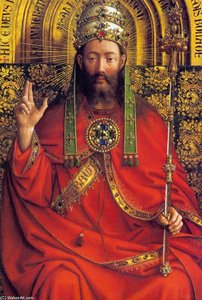
Las obras de Van Eyck, inicialmente basadas en el estilo gótico internacional, trascendieron sus límites a través de su enfoque naturalista mejorado y el uso innovador del óleo. Esto estableció un nuevo estándar en el arte, convirtiéndolo en un pionero del temprano movimiento de la pintura neerlandesa. Algunas de sus obras notables incluyen:- Dios el Padre (212 x 83 cm, renacimiento del norte, óleo sobre tabla, ver en ArtsDot.com)
- Retrato de un joven (33 x 19 cm, renacimiento del norte, óleo sobre tabla, ver en ArtsDot.com)
- Triptico de Dresde (Virgen y Niño con San Miguel y Santa Catalina y una donante) (28 x 38 cm, Gemäldegalerie alte meister, Dresde, Alemania, renacimiento del norte, madera, ver en ArtsDot.com)
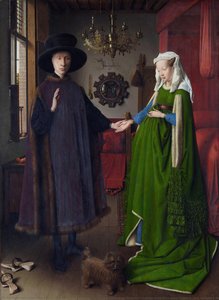
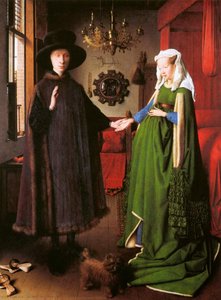
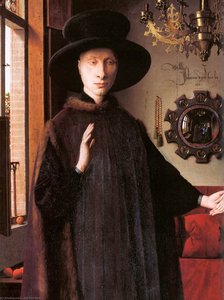
- Retrato de Giovanni Arnolfini y su esposa (detalle) (National Gallery, Londres, Reino Unido, óleo, ver en ArtsDot.com)
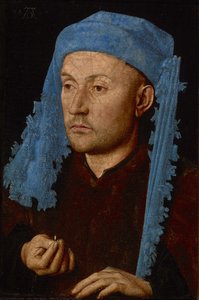
- Hombre con turbante azul (17 x 23 cm, el Museo Nacional de Arte de Rumanía, Bucarest, Rumania, renacimiento del norte, madera, ver en ArtsDot.com)
legado e influencia
La influencia de Van Eyck fue profunda, allanando el camino para la floreciente tradición de la pintura neerlandesa temprana. Su uso innovador del óleo añadió profundidad y realismo a sus obras, convirtiéndolo en una figura **renombrada en el mundo del arte**. Para explorar más las obras de Jan van Eyck y el movimiento de la pintura neerlandesa temprana, visite la página de Jan van Eyck en ArtsDot.com.lecturas adicionales
* Wikipedia: [Jan van Eyck](https://en.wikipedia.org/wiki/jan_van_eyck) * ArtsDot.com: pintor neerlandés del norte * ArtsDot.com: el movimiento de arte neerlandés temprano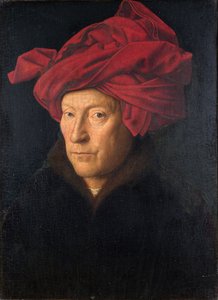
Jan van Eyck
1390 - 1441 , Países Bajos
Datos clave
- Artistic Movement Or Style: Pintura flamenca temprana
- Artists Or Movements Influenced By This Artist: ['Escuela Flamenca']
- Date Of Birth: c. 1390
- Date Of Death: 1441
- Full Name: Jan van Eyck
- Nationality: Flemeco
- Notable Artworks:
- Triptico de Gante
- Retrato de Arnolfini
- Place Of Birth: Maastricht, Países Bajos
Artículos relacionados
Los 10 Maestros del Primitivo Flamenco: Obras que Definen un Arte Inigualable | ArtsDot
Descubre los 10 imprescindibles del Primitivo Flamenco: Jan van Eyck, Robert Campin y más. Explora la historia, simbolismo y técnica de estas obras maestras renacentistas tempranas. Encuentra reproducciones de arte de museo en ArtsDot.com.
Renacimiento Flamenco Temprano: 10 Obras Maestras que Cambiaron la Historia del Arte | ArtsDot
Descubre las 10 obras maestras del Renacimiento Flamenco Temprano. Explora la historia de Jan van Eyck, Robert Campin y más. Reproducciones de arte en ArtsDot.com para decorar tu hogar con belleza y elegancia. ¡Explora la colección online!
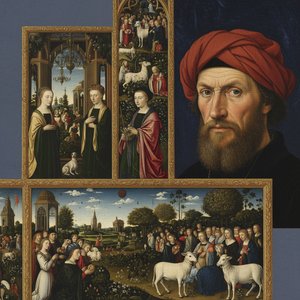
Jan van Eyck: Innovation, Symbolism & the Dawn of Early Netherlandish Painting
Explore the revolutionary art of Jan van Eyck! Discover his groundbreaking oil painting techniques, hidden symbolism, and lasting impact on the Early Netherlandish Renaissance. A deep dive for art enthusiasts.
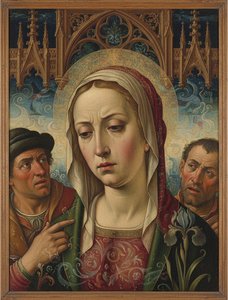
Hugo van der Goes: Devotion, Innovation & the Psychological Depth of Early Netherlandish Painting
Explore the revolutionary art of Hugo van der Goes – a master of Early Netherlandish painting renowned for his dramatic realism, psychological depth & profound influence on Renaissance artists. Discover his iconic works and lasting legacy.
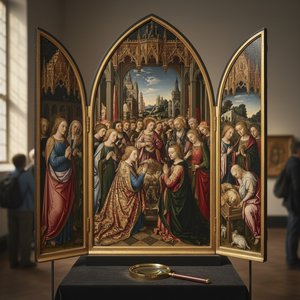
El Amanecer de una Nueva Visión: Contexto Histórico e Influencia Borgoña en el Renacimiento Temprano Flamenco
Descubre la riqueza del Renacimiento Temprano Flamenco y la influencia del Estado Borgoñón. Analizamos a Jan van Eyck, Robert Campin y el simbolismo oculto en sus obras maestras. ¡Explora la historia del arte con ArtsDot!