

 Vista previa
 Compartir
 Compartir
 Ver detalles

 Descargar
 Ver similares
 Radiografía
 Presentación de diapositivas
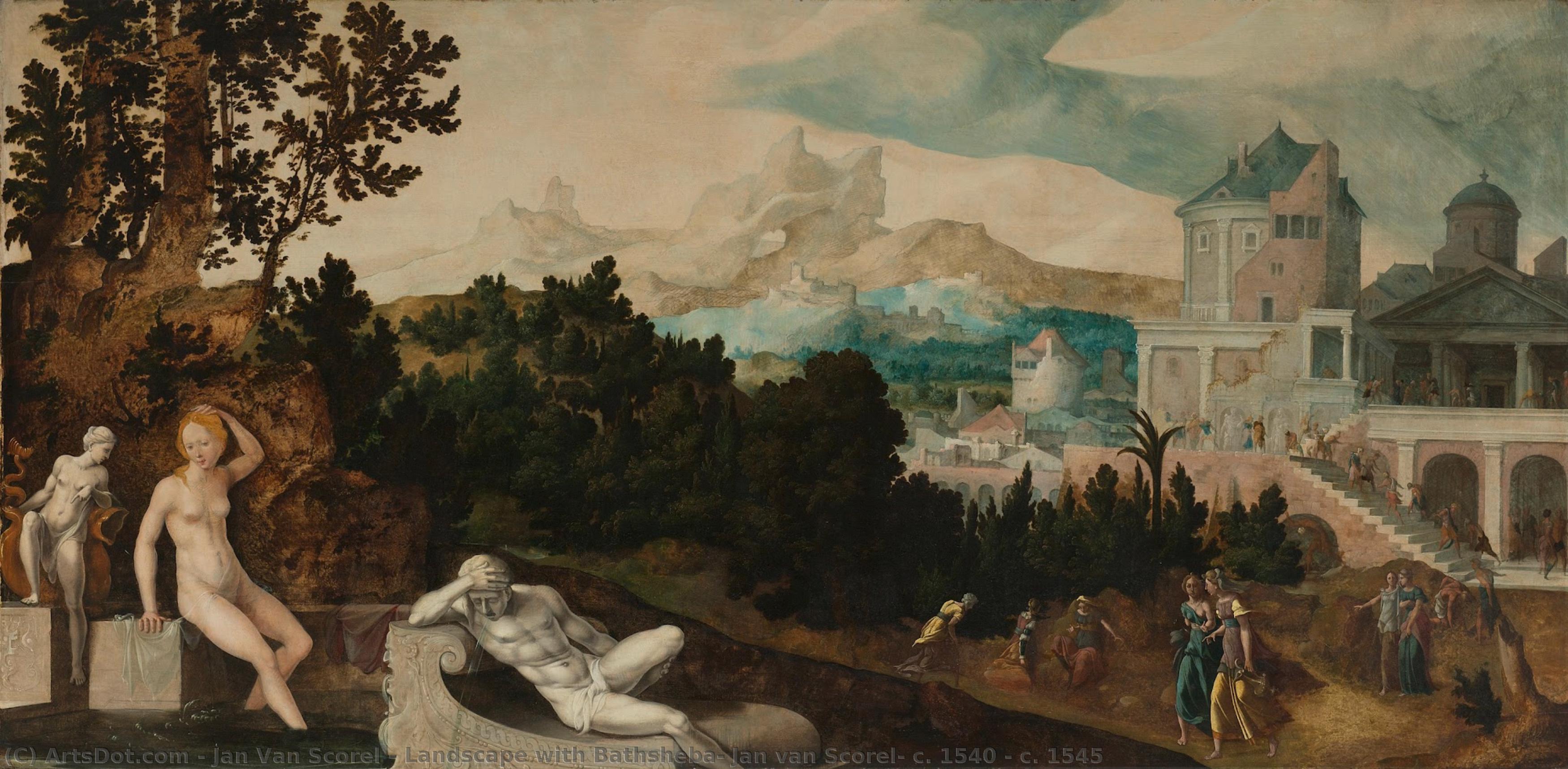
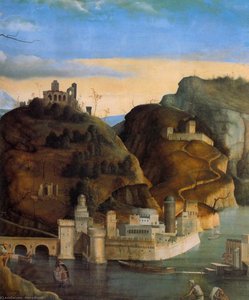
Landscape with Bathsheba, Jan van Scorel, c. 1540 - c. 1545
 Renaissance
 1545
1545 100.0 x 204.0 cm
 Leer más
Reproducción al óleo hecha a mano
Óleo sobre lienzo pintado a mano en el tamaño y marco de su elección, realizado por encargo por nuestros artistas. ( Pedir impresión Comprar descarga)




































Elija entre nuestros tamaños predefinidos que respetan las proporciones originales de la obra.

Puede ingresar sus propias dimensiones para adaptarse a un marco o espacio específico. Si el tamaño seleccionado no coincide con las proporciones de la imagen original, recortaremos la obra o extenderemos la pintura con elementos adicionales pintados a mano. Se le enviará una maqueta digital para su aprobación antes de comenzar la producción.
Tenga en cuenta que la vista previa en pantalla no refleja el recorte o la extensión reales. Solo la maqueta mostrará con precisión la composición final.
Si bien existen tamaños personalizados, recomendamos seleccionar una dimensión de la lista predefinida para preservar las proporciones originales.
Tras realizar el pedido, el equipo de ArtsDot.com enviará un correo electrónico al cliente para solicitar instrucciones y proporcionarle una vista previa del boceto.
Envío a todo el mundo () en 3-4 semanas en lugar de las 5 semanas estándar. (22 agosto). Sin comprometer la calidad.

Envío exprés gratuito a todo el mundo

Lienzo de lino de alta calidad

Seguro de envío completo

Garantía de reembolso de aranceles aduaneros

Garantía de fidelidad cromática exacta

Política de devolución de 60 días (solo por defectos)

Garantía de devolución del 100% del dinero

Oferta por volumen
 La opción de vidrio solo está disponible en tamaños inferiores a 110 cm.

Landscape with Bathsheba, Jan van Scorel, c. 1540 - c. 1545
Técnica de reproducción
Tamaño de la reproducción
-


Precio total
$ 288
Descripción de la obra
Obras relacionadas
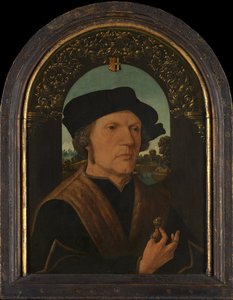
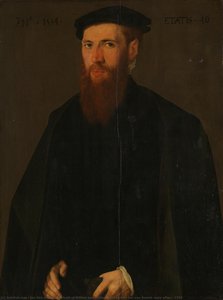
Biografía del artista
primeros años y formación
jan van scorel, un destacado pintor neerlandés, nació en schoorl, Países Bajos, en 1495. Aunque sus primeros años y su formación no están ampliamente documentados, se cree que estudió bajo la tutela de diversos maestros, entre ellos pieter gerritsz en haarlem, jacob cornelisz en amsterdam, o jan gossaert en utrecht.trayectoria e influencias
los viajes de van scorel lo llevaron hasta italia, donde absorbió la esencia del estilo pictórico italiano, convirtiéndose en uno de los pioneros del estilo romanista. su obra estuvo profundamente influenciada por giorgione, y también mantuvo colaboraciones con maarten van heemskerck. las vivencias de van scorel en jerusalén se ven reflejadas en muchas de sus obras tardías, las cuales exhiben su magistral y única fusión de los estilos neerlandés e italiano.obras notables y legado
entre las obras más destacadas de van scorel se encuentran:- sippenaltar (1520), completada en la aldea de obervellach
- retratos, retablos y paisajes, muchos de los cuales fueron destruidos durante la iconoclasia de la reforma
- colaboraciones con maarten van heemskerck y michelangelo
estilo artístico y trascendencia
aspectos clave del estilo de van scorel:- fusión de influencias italianas y neerlandesas
- uso de estilos romanistas en la pintura neerlandesa
- colaboraciones con artistas prominentes de la época
lecturas adicionales y recursos
para obtener más información sobre jan van scorel y sus obras, visite: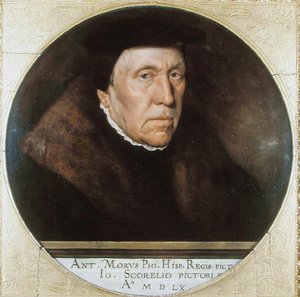
Jan Van Scorel
1495 - 1562 , Países Bajos
Datos clave
- Artistic Movement Or Style: Romanista, Renacimiento
- Artists Or Movements Influenced By This Artist:
- Maarten van Heemskerck
- Renacimiento Italiano
- Artists Who Influenced This Artist:
- Pieter Gerritsz
- Jacob Cornelisz
- Jan Gossaert
- Date Of Birth: 1495-08-01
- Date Of Death: 1562-12-06
- Full Name: Jan van Scorel
- Nationality: Holandés
- Notable Artworks:
- Retablo de Sippen
- Retrato de un humanista
- Place Of Birth: Schoorl, Países Bajos
Artículos relacionados

Paisajes Románticos: 10 Obras Maestras que Definieron un Movimiento Artístico
Descubre los 10 paisajes románticos más influyentes de artistas como Caspar David Friedrich y Turner. Explora la belleza, el simbolismo y las técnicas del movimiento romántico. Reproducciones de arte exclusivas en ArtsDot.com.

Rembrandt van Rijn: Las 25 Obras Maestras que Definen un Genio | Arte, Historia y Decoración
Descubre las 25 obras maestras de Rembrandt van Rijn, el genio del barroco holandés. Explora su historia, técnica y simbolismo en retratos icónicos como 'La Ronda Nocturna'. Encuentra reproducciones de arte exclusivas para decorar tu hogar con ArtsDot.com.
Jan van Goyen: Master of Dutch Landscape & Atmospheric Perspective
Discover Jan van Goyen, the master of Dutch landscape painting. Explore his subtle technique, atmospheric realism & lasting influence on art history. Learn about this 17th-century pioneer at ArtsDot.

Los 10 Maestros del Primitivo Flamenco: Obras que Definen un Arte Inigualable | ArtsDot
Descubre los 10 imprescindibles del Primitivo Flamenco: Jan van Eyck, Robert Campin y más. Explora la historia, simbolismo y técnica de estas obras maestras renacentistas tempranas. Encuentra reproducciones de arte de museo en ArtsDot.com.
Cornelis van Poelenburch: Bridging Mannerism & the Dutch Baroque Landscape
Discover Cornelis van Poelenburch, a pivotal Dutch Baroque landscape painter bridging Mannerism & Italianate styles. Explore his life, key works, and lasting influence on 17th-century art with ArtsDot.

