Menú
Asesoría de arte gratuita
Ver en contextoVer en contexto Vista previa en RAVista previa en RA Comprar impresión Comprar impresiónComprar pintura hecha a mano Comprar pintura hecha a mano EnviarEnviar
DetallesDetalles Añadir a favoritos Añadir a favoritos DescargarDescargar SimilaresSimilares RadiografíaRadiografía Presentación de diapositivasPresentación de diapositivas

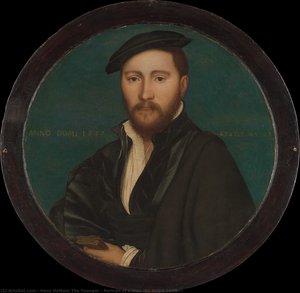
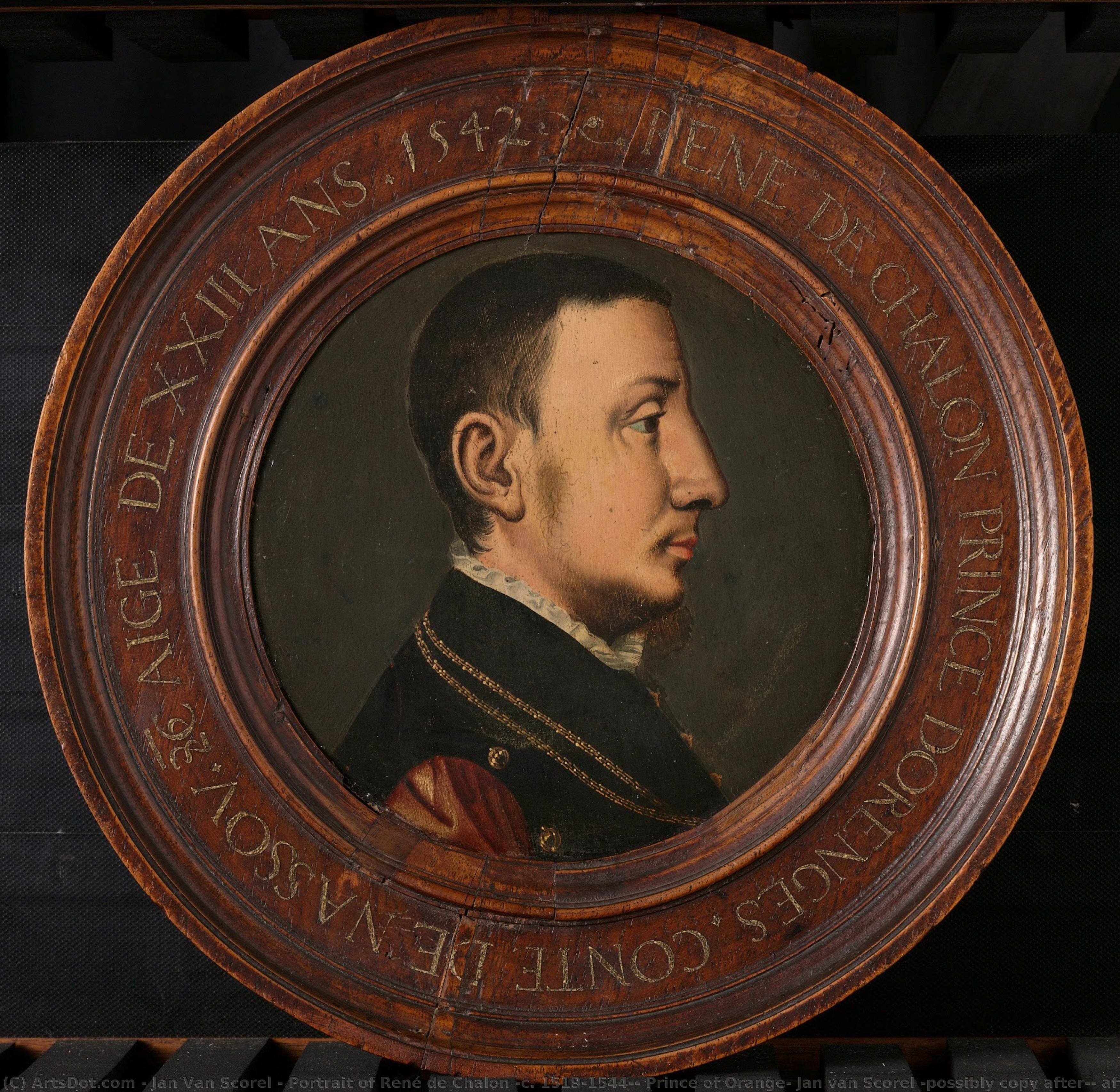
Portrait of René de Chalon (c. 1519-1544), Prince of Orange, Jan van Scorel (possibly copy after), after 1542

Descubre la fusión única de estilos italiano y holandés en Jan van Scorel. Maestro del romanismo, sus obras emblemáticas como el Sippenaltar reflejan una rica tradición artística renacentista. #arteholandes #renacimientoitaliano

Adquiera una imagen digital de alta resolución y optimizada, muy superior a la vista previa en línea.

Cada archivo es preparado meticulosamente por nuestros especialistas internos mediante el uso de herramientas avanzadas y un experto retoque manual. Nos aseguramos de que cada imagen posea una claridad excepcional, una precisión cromática impecable y un detalle minucioso.

El archivo final se entrega por correo electrónico en un plazo de 72 horas, optimizado para su uso inmediato en entornos profesionales, editoriales y de impresión. Esta es la misma calidad en la que confían los estudios de diseño, las editoriales y las galerías de primer nivel.

Imagen Digital

Descarga un archivo de alta resolución para exhibición personal, impresión y proyectos creativos. (Comprar impresión Comprar impresiónComprar pintura hecha a mano Comprar pintura hecha a mano)

Precio total

$ 24,00

Incluido en cada pedido de imágenes digitales

Entrega digital experta, garantizada.

Al elegir ArtsDot.com, no solo está adquiriendo una imagen; está recibiendo una obra de arte digital mejorada profesionalmente, elaborada con precisión y respaldada por una garantía de satisfacción. Esto es todo lo que incluye su pedido, automáticamente:

shipping_icon
Entrega rápida por email

Recibirá su archivo de imagen digital en alta resolución por correo electrónico en un plazo de 72 horas tras realizar su pedido, listo para su uso inmediato.

canvas_icon
Archivo digital optimizado por IA

Su obra de arte se optimiza profesionalmente mediante herramientas avanzadas de IA y edición manual, garantizando el máximo detalle, claridad y precisión cromática.

insurance_icon
Reenvío gratuito de por vida

¿Has borrado o perdido tu archivo por error? No te preocupes: te lo volveremos a enviar en cualquier momento, sin coste adicional.

tax_icon
Sin gastos de importación, siempre

Disfrute de su obra de arte al instante sin aduanas, aranceles ni gastos de envío; las descargas digitales siempre están libres de impuestos.

color_icon
Garantía de fidelidad de color

Garantizamos que su imagen digital refleje los colores originales con la mayor fidelidad posible, mediante el uso de herramientas profesionales y gestión del color.

return_icon
Garantía de satisfacción de 60 días

Si no está satisfecho con su imagen digital, la revisaremos o le reembolsaremos el 100% en un plazo de 60 días, sin preguntas.

guarantee_icon
100% Garantía de devolución de dinero

¿No está satisfecho? Obtenga un reembolso completo dentro de los 60 días posteriores a la recepción de su archivo digital, sin necesidad de explicaciones.

discount_icon
Descuentos por pedidos grandes

Compra 3 imágenes, ahorra 10% - Compra 5, ahorra 15% - Compra 10+, ahorra 20%. Ideal para proyectos creativos, galerías y agencias.

According to the inscription on its frame, this bust-length portrait shows the Prince of Orange and Count of Nassau, René de Chalon at the age of 23. He wears a white shirt, which is ruffled at the collar, underneath a black doublet with pink sleeves and gold buttons. Around his neck hangs a double gold chain. This painting forms a pair with a portrait of René’s wife Anne of Lorraine (SK-A-4027). While the inscription on an etched copy of René’s portrait (RP-P-1937-1310) locates it in the stadholder’s collection, the portrait of Anna is not securely documented until 1960, when it was bought by the Rijksmuseum and reunited with that of her husband.12 Anne is depicted in a black dress embellished with gold detailing and pearls. A gold chain strung with pearls hangs around her neck. Beneath her black gown, the collar of her chemise has a ruffled edge and is embroidered with geometric patterns in intricate blackwork. Her hair is gathered in puffs at the ears; her gold hairnet and small black bonnet with a white plume are a fashion derived from Spain and Italy.13 Based on the painting technique as well as the underdrawing, both images appear to be by the same hand and are executed on similar limewood panels.14 Anne’s panel has been trimmed around the edge and is now slightly smaller than its companion, but originally it was probably the same size. The strong profiles of the sitters and the tondo format evoke the appearance of ancient coins and portrait medallions.15 René was born in Breda on 5 February 1519 to Hendrik III of Nassau and Claudia de Châlon. From the latter he would inherit the ample princedom of Orange. He was Stadholder of Holland, Zeeland, Utrecht and Gelderland under Emperor Charles V. His wife Anne, daughter of the Duke of Lorraine, was born on 22 July 1522. The couple married on 20 August 1540 and settled in Breda shortly afterwards. On 17 July 1544, René died in the Battle of St Dizier in France. Four years later, Anne married her second husband, Philippe III de Croy, the first Duke of Aarschot. She died on 22 August 1568.16 A related pair of portraits of René and Anne survives in the Stedelijk Museum in Diest.17 In these images, the costumes and physiognomies of the couple are portrayed in a manner nearly identical to those in the Amsterdam tondo portraits. The images in Diest and Amsterdam would thus seem to follow a common model. They can be dated to the second half of the 16th century on the evidence of the painting technique. The earliest documented reference to a portrait of René (‘’t conterfeytsel van René Desschalon’) appears in a 1590 inventory of Breda Palace.18 Subsequent 17th-century inventories refer to pairs of portraits of both René and Anne.19 The 1632 inventory of the palace at Noordeinde refers to ‘twee schilderien van Rhené de Chalon ende sijn gemael, staende in perfijl’ (two paintings of René de Châlon and his wife, standing in profile), and the inventory of the castle in Buren from 1675 lists portraits of ‘Renée de Chalon met Sijne princesse, beyde in profijl’ (René de Châlon and his princess, both in profile). Some works of art were transferred from Breda to Buren in the early 17th century, so Van Luttervelt has suggested that these two references might be to the same image of René, but this does not account for the fact that the 1590 inventory refers only to a portrait of René and not to an accompanying one of Anne. An original pair of portraits of the couple may have been divided after René’s death and Anne’s remarriage. Such a scenario would explain why René’s portrait is listed alone in the Breda inventory, and why it appears without the accompanying portrait of Anne in the collection of the stadholders. Unfortunately, it is impossible to sort out which of these inventory records might refer to the Amsterdam portraits, or which refer instead to their counterparts in Diest or a lost original pair. Van Luttervelt has argued that the original images of the couple were painted by Jan van Scorel or one of his assistants in Breda during the first half of 1542, the year inscribed on the original frame of René’s tondo portrait in Amsterdam.20 Scorel and René are both documented in Breda during this period.21 Moreover, Van Mander records that the artist produced ‘several works’ for René and his father, which most probably included the surviving triptych of The Finding of the True Cross in Breda’s Onze-Lieve-Vrouwekerk.22 As such, a link between Scorel and the original portraits of René and Anne seems plausible, but the attribution remains speculative at this time. (M. Bass)

Biografía del artista

primeros años y formación

jan van scorel, un destacado pintor neerlandés, nació en schoorl, Países Bajos, en 1495. Aunque sus primeros años y su formación no están ampliamente documentados, se cree que estudió bajo la tutela de diversos maestros, entre ellos pieter gerritsz en haarlem, jacob cornelisz en amsterdam, o jan gossaert en utrecht.

trayectoria e influencias

los viajes de van scorel lo llevaron hasta italia, donde absorbió la esencia del estilo pictórico italiano, convirtiéndose en uno de los pioneros del estilo romanista. su obra estuvo profundamente influenciada por giorgione, y también mantuvo colaboraciones con maarten van heemskerck. las vivencias de van scorel en jerusalén se ven reflejadas en muchas de sus obras tardías, las cuales exhiben su magistral y única fusión de los estilos neerlandés e italiano.

obras notables y legado

entre las obras más destacadas de van scorel se encuentran:
  • sippenaltar (1520), completada en la aldea de obervellach
  • retratos, retablos y paisajes, muchos de los cuales fueron destruidos durante la iconoclasia de la reforma
  • colaboraciones con maarten van heemskerck y michelangelo
el legado de van scorel está marcado por sus significativas contribuciones al renacimiento neerlandés, introduciendo elementos italianos en la pintura de los Países Bajos. su obra puede apreciarse en diversos museos, incluyendo el museo van gogh (Países Bajos), que también alberga una extensa colección de las obras de van gogh.

estilo artístico y trascendencia

aspectos clave del estilo de van scorel:
  • fusión de influencias italianas y neerlandesas
  • uso de estilos romanistas en la pintura neerlandesa
  • colaboraciones con artistas prominentes de la época
la obra de van scorel es un testimonio del intercambio cultural y la innovación artística del periodo renacentista. su legado continúa inspirando tanto a entusiastas del arte como a académicos.

lecturas adicionales y recursos

para obtener más información sobre jan van scorel y sus obras, visite:
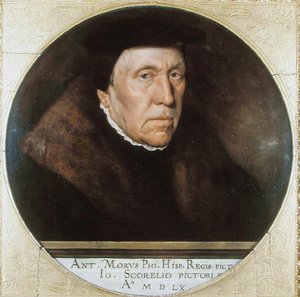
Jan Van Scorel

Jan Van Scorel

1495 - 1562 , Países Bajos

Breves datos

  • Artistic Movement Or Style: Romanista, Renacimiento
  • Artists Or Movements Influenced By This Artist:
    • Maarten van Heemskerck
    • Renacimiento Italiano
  • Artists Who Influenced This Artist:
    • Pieter Gerritsz
    • Jacob Cornelisz
    • Jan Gossaert
  • Date Of Birth: 1495-08-01
  • Date Of Death: 1562-12-06
  • Full Name: Jan van Scorel
  • Nationality: Holandés
  • Notable Artworks:
    • Retablo de Sippen
    • Retrato de un humanista
  • Place Of Birth: Schoorl, Países Bajos