 Ver en contexto
 Enviar
 Compartir
 Detalles

 Descargar
 Similares
 Radiografía
 Presentación de diapositivas
 Estadísticas
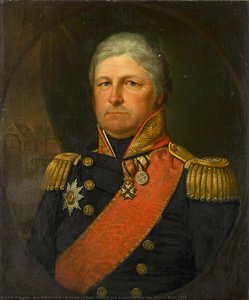
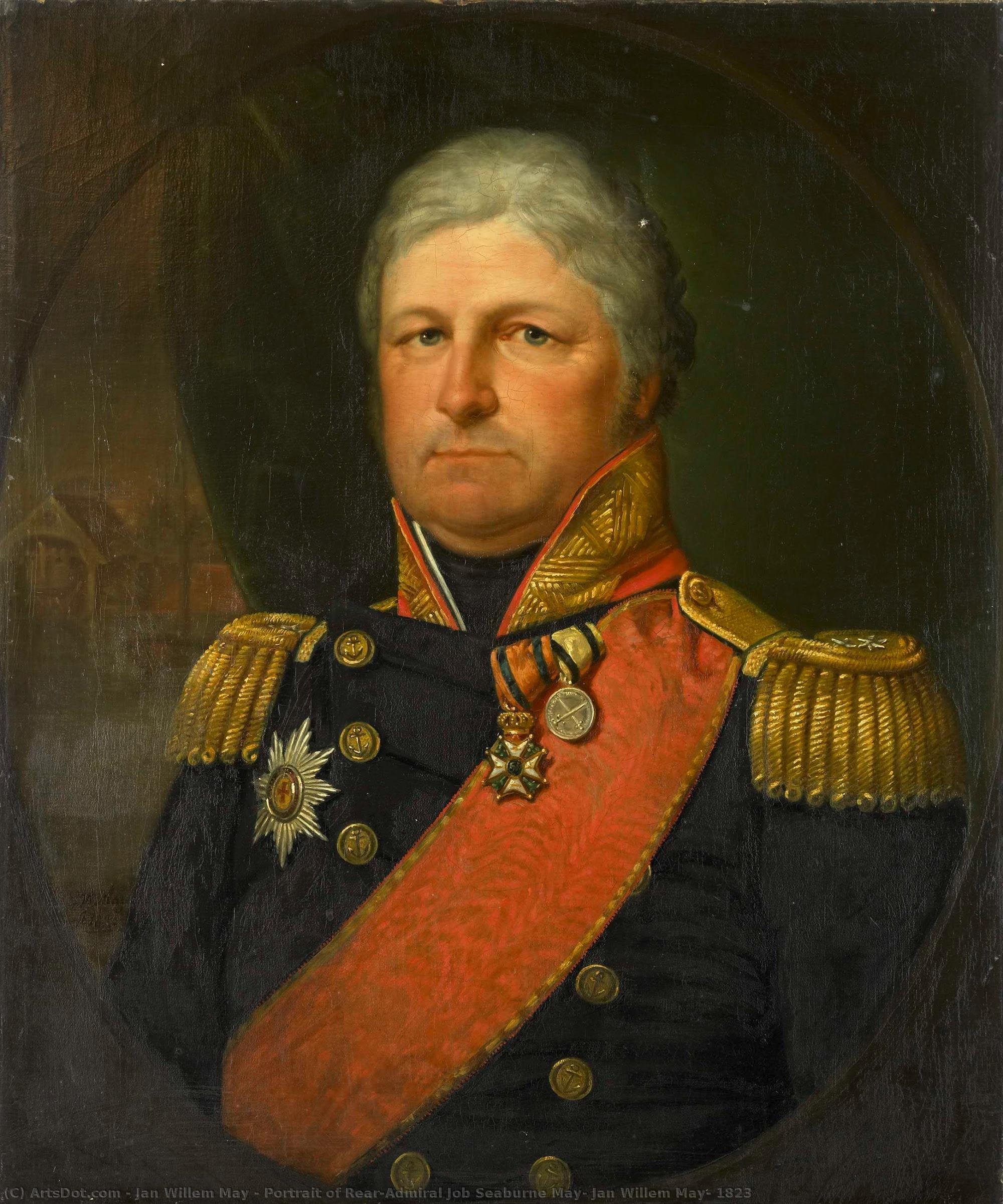
Portrait of Rear-Admiral Job Seaburne May, Jan Willem May, 1823
 1823
1823 61.0 x 52.0 cm
 Ver más
Giclée / Impresión de arte
Impresiones giclée o en lienzo de calidad de museo con producción rápida y opciones de acabado flexibles. ( Comprar pintura hecha a mano Cambiar a imagen digital)




































Elija entre nuestros tamaños predefinidos que respetan las proporciones originales de la obra.

Puede introducir sus propias dimensiones para adaptarse a un marco o espacio específico. Si el tamaño seleccionado no coincide con las proporciones de la imagen original, recortaremos la obra de arte o extenderemos la imagen con un borde con efecto espejo o de color sólido. Se enviará una maqueta digital para su aprobación antes de que comience la producción.
Tenga en cuenta que la vista previa en pantalla no refleja el recorte o la extensión real. Solo la maqueta mostrará con precisión la composición final.
Aunque existen tamaños personalizados, recomendamos seleccionar una dimensión de la lista predefinida para preservar las proporciones originales.
Envío a todo el mundo () en 2 semanas en lugar de las 4/5 semanas estándar. (9 septiembre)

Envío exprés gratuito a todo el mundo

Lienzo de lino de alta calidad

Seguro de envío total

Garantía de reembolso de impuestos aduaneros

Garantía de fidelidad cromática exacta

Política de devolución de 100 días (solo por defectos)

Garantía de devolución del 100% del dinero

Descuento por cantidad
 La opción de vidrio solo está disponible en tamaños inferiores a 110 cm.

Portrait of Rear-Admiral Job Seaburne May, Jan Willem May, 1823
Giclée / Impresión de arte
Dimensiones de la reproducción
-


Precio total final
$ 62
Obras relacionadas









Biografía del artista
The Ethereal Landscapes of Jan Willem May
Jan Willem May is a contemporary Dutch artist whose work quietly commands attention through its masterful depiction of light, atmosphere, and the subtle beauty of the natural world. Born in the Netherlands (the exact year remains intentionally private, reflecting his preference for allowing the work to speak rather than biographical details), May has cultivated a distinctive style that evokes both classical landscape painting traditions and a deeply personal connection to the Dutch countryside. He continues to live and work in the Netherlands, maintaining a deliberate distance from the art world’s clamor, choosing instead to focus on an intimate dialogue with his subject matter.Early Influences & Artistic Development
May's artistic journey began not with formal training but with a profound immersion in the landscapes of his youth. Growing up surrounded by the expansive skies and flatlands characteristic of the Netherlands, he developed an acute sensitivity to nuanced shifts in weather, light, and color. While eschewing traditional art school education, May undertook extensive self-study, meticulously copying works by the Old Masters – particularly the 17th-century Dutch landscape painters like Jacob van Ruisdael and Aert van der Neer. These early exercises were not about imitation but rather a rigorous exploration of technique and an attempt to understand how these artists captured the *feeling* of a place. This dedication to understanding the foundations of landscape painting is evident in his precise brushwork, atmospheric perspective, and masterful use of tonal values. He also draws inspiration from the Romantic painters, particularly those who sought to convey the sublime power and emotional resonance of nature. However, May’s work distinguishes itself through a quiet restraint, avoiding dramatic gestures in favor of subtle observation and contemplative stillness.A Palette of Light & Atmosphere
The core of Jan Willem May's artistic practice lies in his ability to capture the ephemeral qualities of light and atmosphere. His paintings are not simply representations of landscapes; they are explorations of perception, memory, and emotion. He often works *en plein air*, directly observing the changing conditions of nature, but he does not strive for photographic realism. Instead, he filters his observations through a deeply personal sensibility, emphasizing the subjective experience of being in a particular place at a specific moment in time. His palette is typically muted, dominated by soft grays, blues, and browns, with occasional bursts of warmer tones to suggest the presence of sunlight or autumnal foliage. The layering of thin glazes creates a luminous quality that imbues his landscapes with an ethereal beauty. He frequently depicts scenes of marshes, fields, forests, and waterways – often shrouded in mist or bathed in the soft glow of twilight. These are not grand vistas but rather intimate glimpses into the quiet corners of the Dutch countryside.Themes & Historical Significance
May’s work resonates with a sense of timelessness, evoking a connection to the long tradition of landscape painting while simultaneously offering a fresh and contemporary perspective. His paintings can be seen as meditations on the relationship between humanity and nature, exploring themes of solitude, contemplation, and the beauty of impermanence. In an era dominated by digital imagery and instant gratification, May’s slow, deliberate approach to painting offers a welcome antidote – a reminder of the importance of slowing down, observing carefully, and appreciating the subtle wonders of the natural world.- His paintings often feature solitary trees or small figures dwarfed by the vastness of the landscape, emphasizing the individual's place within the larger ecosystem.
- The recurring motif of water – rivers, canals, marshes – symbolizes both tranquility and the constant flow of time.
- May’s work can be interpreted as a response to environmental concerns, subtly highlighting the fragility and beauty of the Dutch landscape.