

 Vista previa
 Compartir
 Compartir
 Ver detalles

 Descargar
 Ver similares
 Radiografía
 Presentación de diapositivas
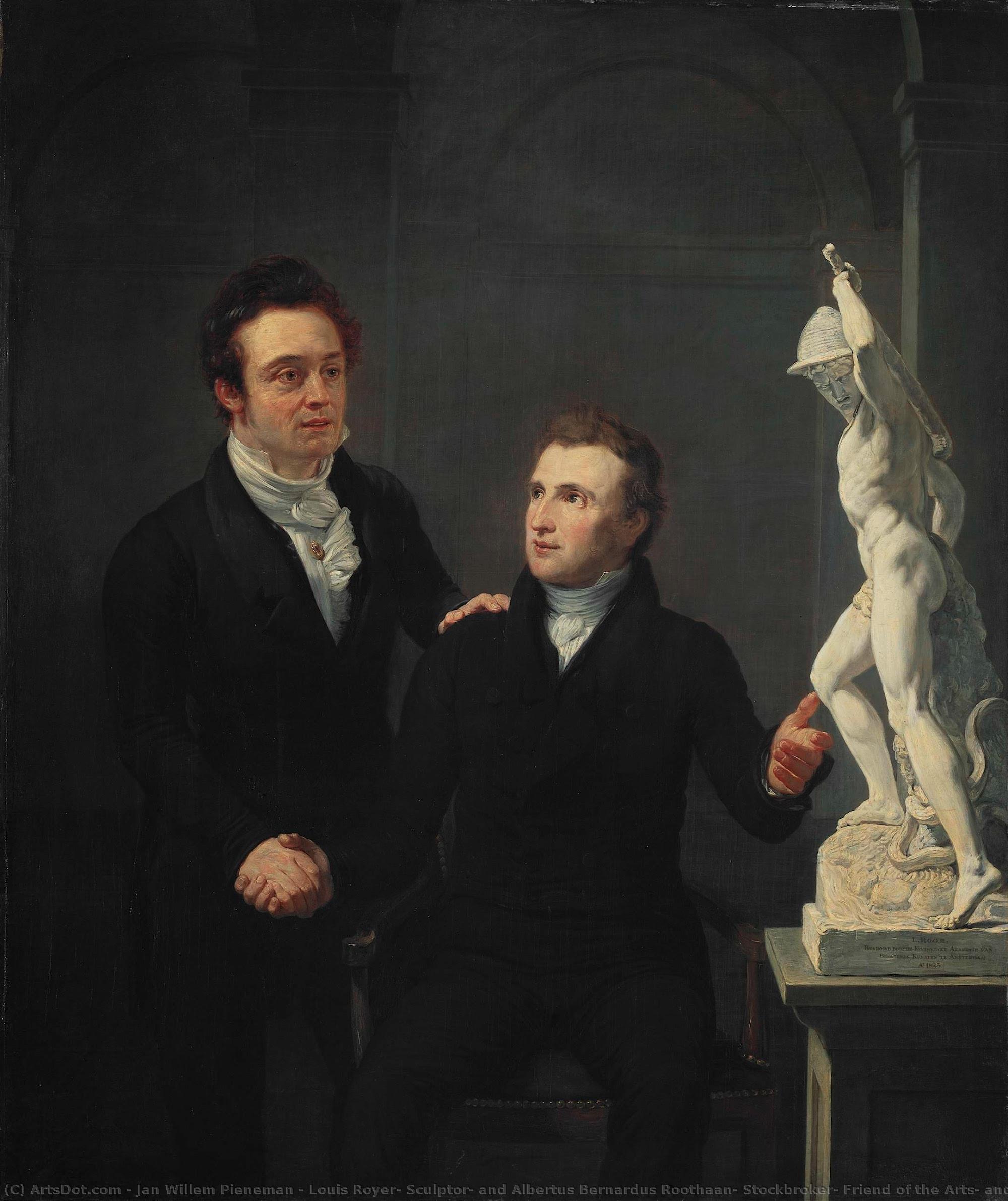
Louis Royer, Sculptor, and Albertus Bernardus Roothaan, Stockbroker, Friend of the Arts, and Patron of the Sciences, Jan Willem Pieneman, 1825
 1825
1825 175.0 x 146.0 cm
 Leer más
Giclée / Impresión de arte
Impresiones giclée o en lienzo de calidad de museo con producción rápida y opciones de acabado flexibles. ( Encargar reproducción pintada a mano Comprar descarga)




































Elija entre nuestros tamaños predefinidos que respetan las proporciones originales de la obra.

Puede introducir sus propias dimensiones para adaptarse a un marco o espacio específico. Si el tamaño seleccionado no coincide con las proporciones de la imagen original, recortaremos la obra de arte o extenderemos la imagen con un borde con efecto espejo o de color sólido. Se enviará una maqueta digital para su aprobación antes de que comience la producción.
Tenga en cuenta que la vista previa en pantalla no refleja el recorte o la extensión real. Solo la maqueta mostrará con precisión la composición final.
Aunque existen tamaños personalizados, recomendamos seleccionar una dimensión de la lista predefinida para preservar las proporciones originales.
Envío a todo el mundo () en 2 semanas en lugar de las 4/5 semanas estándar. (21 agosto)

Envío exprés gratuito a todo el mundo

Lienzo de lino de alta calidad

Seguro de envío completo

Garantía de reembolso de aranceles aduaneros

Garantía de fidelidad cromática exacta

Política de devolución de 60 días (solo por defectos)

Garantía de devolución del 100% del dinero

Oferta por volumen
 La opción de vidrio solo está disponible en tamaños inferiores a 110 cm.

Louis Royer, Sculptor, and Albertus Bernardus Roothaan, Stockbroker, Friend of the Arts, and Patron of the Sciences, Jan Willem Pieneman, 1825
Giclée / Impresión de arte
Tamaño de la reproducción
-


Precio total
$ 62
Descripción de la pieza
Obras relacionadas






Biografía del artista
Jan Willem Pieneman: A Dutch Master of Historical Narrative
Jan Willem Pieneman (1779-1853) stands as a pivotal figure in 19th-century Dutch art, celebrated primarily for his monumental historical paintings that captured the spirit and drama of key moments in British and Dutch history. Born in Abcoude, Netherlands, he began his artistic journey with foundational training in wallpaper painting before pursuing formal studies at the Amsterdam Stadstekenacademie, establishing a solid grounding in classical technique. His early career saw him working as a salesman alongside honing his artistic skills—a testament to his pragmatic approach blended with unwavering dedication to art. Early Influences & Training: Pieneman’s formative years were marked by exposure to the artistic traditions of Amsterdam, where he absorbed stylistic cues from prominent painters of his time. The Stadstekenacademie provided invaluable academic instruction, equipping him with the skills necessary for tackling ambitious historical commissions. He was particularly drawn to the works of Rembrandt and Nicolas Poussin, whose mastery of light and composition profoundly shaped his artistic sensibilities. Appointment at Amersfoort & Artistic Recognition: In 1805, Pieneman secured a prestigious position as drawing instructor at the artillery and engineering training centre in Amersfoort—a role that not only solidified his reputation but also exposed him to the burgeoning intellectual currents of the era. This engagement fostered connections with influential thinkers and artists, furthering his understanding of artistic discourse and bolstering his commitment to scholarly pursuits alongside creative endeavors.The Epic Canvas: Painting Battles & Royal Portraits
Pieneman’s fame ascended dramatically with his depiction of the Battle of Waterloo (1824) and the heroic defense at Quatre Bras (1806), commissioned by Duke Wellington himself. These canvases exemplify his masterful command of composition, dramatic lighting, and meticulous detail—capturing the visceral energy and strategic complexities of warfare. He meticulously researched battlefield conditions and employed innovative techniques to convey the immediacy of combat, achieving unparalleled realism within the neoclassical framework. The scale and grandeur of these paintings cemented Pieneman’s reputation as one of the foremost historical painters of his generation. Royal Patronage & Portraiture: Wellington’s admiration for Pieneman led to repeated invitations to England, where he produced portraits of influential figures, including King William IV. His ability to convey character and dignity through portraiture cemented his position as one of the era's foremost portraitists. He skillfully captured the nuances of expression and posture, reflecting a deep understanding of human psychology—a hallmark of neoclassical artistic practice.Directorate & Artistic Legacy
From 1820, Pieneman served as Director of the Royal Academy of Fine Arts in Amsterdam—a role he held until his death. During this period, he fostered a vibrant artistic environment and nurtured the talents of numerous young artists, notably Jozef Israëls. He championed innovative approaches to painting and sculpture, advocating for greater accessibility to art education and promoting critical engagement with artistic ideas. Furthermore, he contributed to the establishment of the Rijksmuseum (later Mauritshuis), initially serving as assistant director. His vision for elevating Dutch art history ensured that his influence would endure beyond his lifetime. Notable Works & Artistic Style: Pieneman’s paintings are characterized by a meticulous attention to detail, balanced compositions, and a restrained palette dominated by earthy tones. He skillfully employed chiaroscuro – dramatic contrasts between light and dark – to heighten the emotional impact of his scenes. His magnum opus, “Allegory on the Death of William V,” exemplifies this stylistic hallmark—a testament to his unwavering dedication to classical technique and artistic excellence. Jan Willem Pieneman’s contribution to Dutch art transcends mere technical proficiency; he captured the essence of historical events with profound artistic sensitivity. His paintings continue to resonate today as powerful reminders of pivotal moments in European history and stand as enduring monuments to his artistic vision.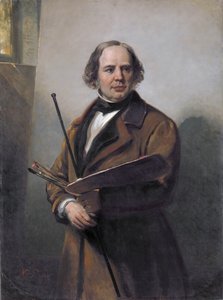
Jan Willem Pieneman
1779 - 1853 , Países Bajos
Datos clave
- Artistic Movement Or Style: Neoclasicismo
- Artists Or Movements Influenced By This Artist: ['Romanticismo']
- Date Of Birth: November 4, 1779
- Date Of Death: April 8, 1853
- Full Name: Jan Willem Pieneman
- Nationality: Holandés
- Notable Artworks:
- Alejría sobre Waterloo
- Sacrificio del Pastor Hambroek en Formosa
- Batalla de Waterloo (detalle)
- Retrato de Wellington
- Estudio de retrato
- Place Of Birth: Abcoude, Netherlands

