 Enviar
 Compartir
 Detalles

 Descargar
 Similares
 Presentación de diapositivas
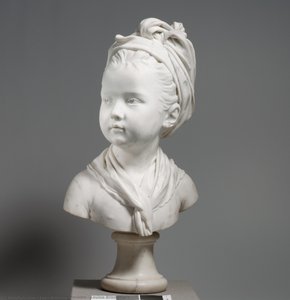
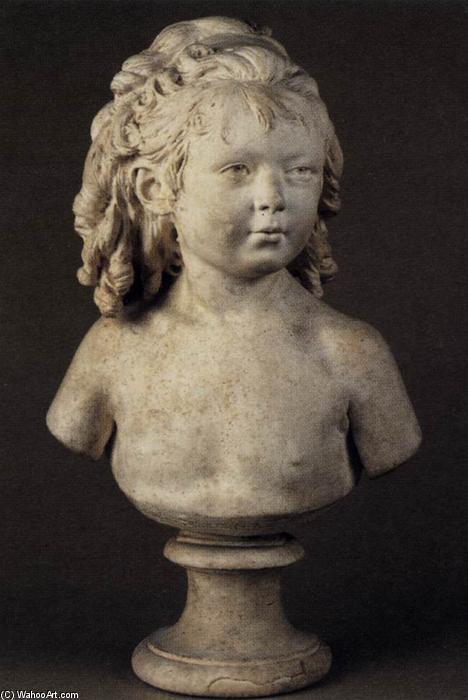
Bust of a Child


 Ver más
Reproducción al óleo hecha a mano
Óleo sobre lienzo pintado a mano en el tamaño y marco de su elección, realizado por encargo por nuestros artistas. ( Comprar impresión Comprar imagen)




































Elija entre nuestros tamaños predefinidos que respetan las proporciones originales de la obra.

Puede ingresar sus propias dimensiones para adaptarse a un marco o espacio específico. Si el tamaño seleccionado no coincide con las proporciones de la imagen original, recortaremos la obra o extenderemos la pintura con elementos adicionales pintados a mano. Se le enviará una maqueta digital para su aprobación antes de comenzar la producción.
Tenga en cuenta que la vista previa en pantalla no refleja el recorte o la extensión reales. Solo la maqueta mostrará con precisión la composición final.
Si bien existen tamaños personalizados, recomendamos seleccionar una dimensión de la lista predefinida para preservar las proporciones originales.
Tras realizar el pedido, el equipo de ArtsDot.com enviará un correo electrónico al cliente para solicitar instrucciones y proporcionarle una vista previa del boceto.
Envío a todo el mundo () en 3-4 semanas en lugar de las 5 semanas estándar. (26 agosto). Sin comprometer la calidad.

Envío exprés gratuito a todo el mundo

Lienzo de lino de alta calidad

Seguro de envío total

Garantía de reembolso de impuestos aduaneros

Garantía de fidelidad cromática exacta

Política de devolución de 60 días (solo por defectos)

Garantía de devolución del 100% del dinero

Descuento por cantidad
 La opción de vidrio solo está disponible en tamaños inferiores a 110 cm.

Bust of a Child
Técnica de reproducción
Dimensiones de la reproducción
-


Precio total final
$ 263
Descripción de la obra
A Moment of Innocence: Jean-Antoine Houdon’s ‘Bust of a Child’
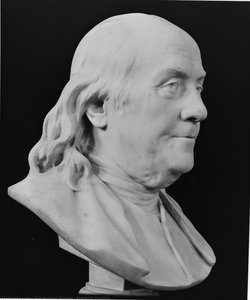
The image before you presents not merely a sculpture, but a captured breath – a fleeting glimpse into the serenity and contemplative spirit of childhood. Jean-Antoine Houdon's 'Bust of a Child,' created in 1791, is a remarkable testament to his mastery of portraiture and his profound understanding of human emotion. Against a dark, neutral backdrop, the delicate plaster form commands attention, its light color radiating an almost ethereal quality. The sculpture’s success lies not just in its technical precision – the smooth skin texture, the meticulously rendered features of the eyes, nose, mouth, and ears – but also in the palpable sense of peace it evokes.
Houdon, a pivotal figure bridging the Rococo and Neoclassical eras, was far more than a mere imitator of ancient forms. He sought to distill the very essence of his subjects, striving to capture their intellect, character, and inner lives within marble and bronze. This pursuit is strikingly evident in this intimate portrait; the slight upward tilt of the head, the subtle curve of the lips hinting at a nascent smile – these details speak volumes about the subject’s youthful innocence and quiet contemplation. The updo hairstyle further emphasizes this sense of poised serenity, suggesting a thoughtful observer rather than a boisterous child.
The Neoclassical Ideal and Houdon's Vision
‘Bust of a Child’ firmly resides within the tradition of Neoclassicism, a movement that drew inspiration from the art and philosophy of ancient Greece and Rome. However, Houdon wasn’t simply replicating classical forms; he infused them with his own distinctive sensibility. His approach to portraiture was revolutionary for its time – prioritizing psychological realism over idealized beauty. He meticulously studied anatomy and expression, striving to represent not just a likeness but also the inner world of his subjects.
The sculpture’s smooth finish and polished appearance are indicative of Houdon's meticulous technique. He employed a method of applying thin layers of plaster, allowing each layer to dry completely before adding the next, building up the form gradually. This painstaking process ensured both structural integrity and an exquisite surface quality. The choice of plaster itself speaks volumes about Houdon’s artistic philosophy – it offered a remarkable degree of detail and allowed for subtle gradations in tone and texture, essential for capturing the nuances of human expression.
A Window into the Enlightenment
Created during the tumultuous years of the French Revolution, ‘Bust of a Child’ offers a poignant glimpse into the intellectual climate of the Enlightenment. Houdon was deeply engaged with the philosophical currents of his time, and this is reflected in his portraits – particularly his focus on intellect and character. The sculpture embodies the ideals of reason, clarity, and human dignity that were central to the Enlightenment worldview.
Furthermore, the work’s intimate scale and serene subject matter align with the growing emphasis on domesticity and family values during this period. It's a reminder of the beauty and value of childhood – a time often associated with innocence, wonder, and potential. The sculpture’s placement against a dark background further enhances its impact, drawing the viewer’s attention to the delicate form and emphasizing its vulnerability.
Symbolism and Emotional Resonance
Beyond its technical brilliance, ‘Bust of a Child’ resonates deeply on an emotional level. The subject's expression – a gentle smile hinting at both intelligence and innocence – invites viewers to contemplate the mysteries of youth and the fleeting nature of time. It is a work that speaks to our own memories of childhood, evoking feelings of nostalgia, tenderness, and perhaps even a touch of melancholy.
As a hand-painted reproduction offered by ArtsDot.com, this piece provides an unparalleled opportunity to experience Houdon’s genius in exquisite detail. The meticulous attention to texture, color, and light ensures that the sculpture's emotional impact is fully realized, bringing this timeless portrait to life for a new generation of art lovers. Consider it not just as a beautiful image, but as a portal into the heart of the Enlightenment – a testament to the enduring power of human creativity and the profound beauty of childhood innocence.
Obras relacionadas
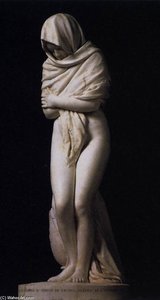
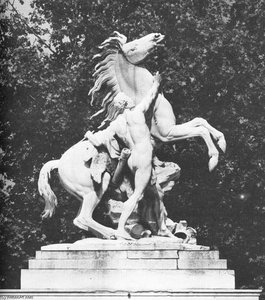
Biografía del artista
Jean-Antoine Houdon: Un Maestro de la Escultura Neoclásica
- Nacido: Versalles, Francia (1741)
- Fallecido: 1828
Jean-Antoine Houdon se erige como una figura clave en la escultura neoclásica francesa, celebrado por sus bustos y estatuas de retrato notablemente realistas e introspectivos. Su carrera abarcó la era de la Ilustración, capturando los rasgos de prominentes filósofos, inventores, figuras políticas y realeza, dejando atrás un legado que continúa inspirando asombro y admiración.
Primeros Años y Formación Artística
- Educación Formal: Houdon ingresó a la Académie Royale de Peinture et de Sculpture en 1752. Estudió bajo los renombrados escultores René-Michel Slodtz, Jean-Baptiste Lemoyne y Jean-Baptiste Pigalle, perfeccionando sus habilidades en técnicas clásicas.
- École Royale des Élèves Protégés: De 1761 a 1764, continuó su educación en la École Royale des Élèves Protégés, una prestigiosa institución para jóvenes artistas talentosos.
- Prix de Rome: En 1761, Houdon logró un hito significativo al ganar el Prix de Rome. Este premio le brindó la oportunidad de viajar a Italia y estudiar el arte clásico de primera mano, una experiencia formativa que influyó profundamente en su estilo artístico.
Obras Principales y Estilo Artístico
- Realismo Neoclásico: Las esculturas de Houdon se caracterizan por su excepcional realismo y atención al detalle. Capturó meticulosamente las características físicas y, a menudo, la esencia psicológica de sus sujetos, trascendiendo el mero parecido para transmitir personalidad e intelecto.
- Retratos Notables: Sus obras más famosas incluyen retratos de Denis Diderot (una escultura en terracota), Benjamin Franklin, Jean-Jacques Rousseau, Voltaire, Molière, George Washington (encargado por la Asamblea General de Virginia), Thomas Jefferson, Luis XVI, Robert Fulton y Napoleón Bonaparte. Estos retratos ofrecen valiosas perspectivas sobre las vidas y los tiempos de estas figuras influyentes.
- "Muscleman Sideview": Esta escultura en bronce ejemplifica la fascinación de Houdon por la anatomía y su capacidad para representar la forma humana en un estilo neoclásico.
- Influencia en la Iconografía Americana: La escultura de George Washington de Houdon sirvió como modelo para grabados utilizados en numerosos sellos postales estadounidenses durante finales del siglo XIX y principios del XX, consolidando su contribución a la iconografía estadounidense.
Reconocimiento y Vida Posterior
- Honores y Premios: Houdon recibió un amplio reconocimiento a lo largo de su carrera. Fue nombrado Chevalier de la Légion d'Honneur en 1804 y Chevalier de l'Empire en 1809, lo que significaba su estimado estatus dentro de la sociedad francesa.
- Continuación de la Producción Artística: Incluso más tarde en la vida, Houdon continuó creando obras significativas, demostrando su dedicación perdurable a su oficio.
- Muerte y Legado: Falleció en París el 15 de julio de 1828 y fue enterrado en el Cementerio de Montparnasse. Sus esculturas siguen siendo muy valoradas por su mérito artístico y su importancia histórica, proporcionando valiosas perspectivas sobre la era de la Ilustración.
Significado Histórico e Influencia
La contribución de Jean-Antoine Houdon a la historia del arte es innegable. Elevó la escultura de retrato a nuevas alturas de realismo y profundidad psicológica, influyendo en generaciones de artistas. Su capacidad para capturar la esencia de sus sujetos—su intelecto, carácter e incluso sus vulnerabilidades—lo convirtió en un artista muy solicitado entre las principales figuras de su tiempo. Su obra proporciona un registro visual único de la era de la Ilustración, preservando los rasgos de aquellos que moldearon el pensamiento y la cultura occidentales.
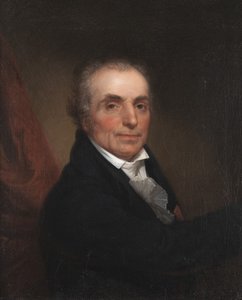
Jean-Antoine Houdon
1741 - 1828 , Francia
Datos clave
- Artistas Que Influyeron:
- René-Michel Slodtz
- Jean-Baptiste Lemoyne
- Jean-Baptiste Pigalle
- Fecha De Muerte: 15 de julio de 1828
- Fecha De Nacimiento: 20 de marzo de 1741
- Lugar De Nacimiento: Versailles, Francia
- Movimiento Artístico: Neoclásico
- Nacionalidad: Francés
- Nombre Completo: Jean-Antoine Houdon
- Obras Notables:
- Muscleman Sideview
- George Washington
- Denis Diderot
- Luis XVI
- Jean-Jacques Rousseau
- Bust of Mirabeau
Artículos relacionados

Esculturas de Bronce Legendarias: 10 Obras Maestras que Transformaron el Arte | ArtsDot
Descubre las 10 esculturas de bronce más legendarias que revolucionaron el arte. Explora la historia de Rodin, Degas y otros maestros del bronce. Encuentra reproducciones de alta calidad e inspiración para tu hogar en ArtsDot.com.
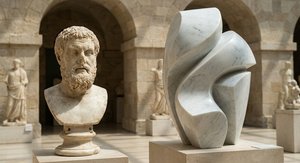
The Enduring Allure of Marble in Art History: From Classical Sculpture to Modern Abstraction
Explore the captivating history of marble sculpture from ancient Greece to modern art. Discover renowned artists like Canova & Michelangelo, carving techniques, and investment insights at ArtsDot.

The Enduring Form: Exploring Themes & Techniques in Sculpture Across Historical Periods
Explore the rich history of sculpture from ancient masterpieces to contemporary innovations. Discover key techniques, influential artists & investment potential for discerning art collectors.

The Enduring Form: Sculpture Across History, Technique & Emotional Resonance
Explore the rich history of sculpture with ArtsDot. Discover key techniques, influential artists & investment potential for discerning collectors. Expert insights into valuing and collecting timeless masterpieces.
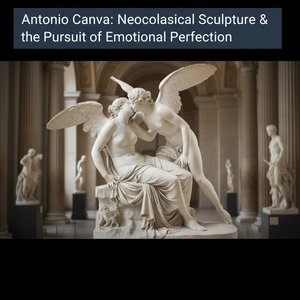
Antonio Canova: Neoclassical Sculpture & the Pursuit of Emotional Perfection
Explore the life & art of Antonio Canova, the greatest Neoclassical sculptor. Discover his masterpieces, innovative techniques, and lasting influence on fine art collecting. Expert insights for discerning investors.