

 Enviar
 Compartir
 Detalles

 Descargar
 Similares
 Presentación de diapositivas
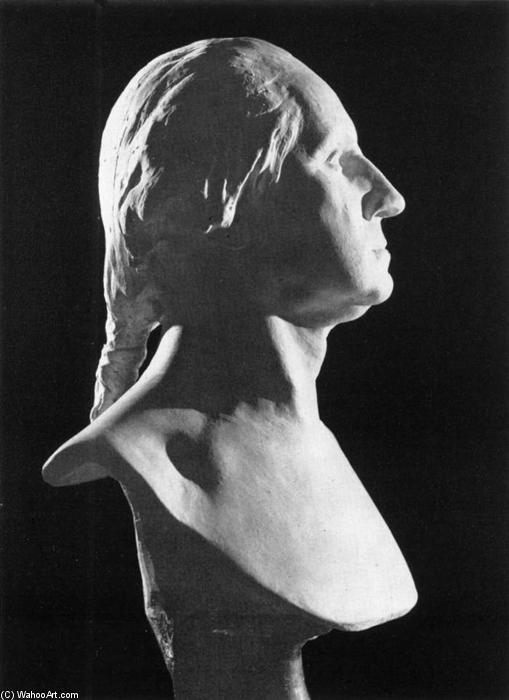
Bust of George Washington


 Ver más
Adquiera una imagen digital de alta resolución y optimizada, muy superior a la vista previa en línea.
Cada archivo es preparado meticulosamente por nuestros especialistas internos mediante el uso de herramientas avanzadas y un experto retoque manual. Nos aseguramos de que cada imagen posea una claridad excepcional, una precisión cromática impecable y un detalle minucioso.
El archivo final se entrega por correo electrónico en un plazo de 72 horas, optimizado para su uso inmediato en entornos profesionales, editoriales y de impresión. Esta es la misma calidad en la que confían los estudios de diseño, las editoriales y las galerías de primer nivel.
Imagen Digital
Descarga un archivo de alta resolución para exhibición personal, impresión y proyectos creativos. ( Comprar impresión Comprar pintura hecha a mano)
Incluido en cada pedido de imágenes digitales
Entrega digital experta, garantizada.
Al elegir ArtsDot.com, no solo está adquiriendo una imagen; está recibiendo una obra de arte digital mejorada profesionalmente, elaborada con precisión y respaldada por una garantía de satisfacción. Esto es todo lo que incluye su pedido, automáticamente:

Entrega rápida por email
Recibirá su archivo de imagen digital en alta resolución por correo electrónico en un plazo de 72 horas tras realizar su pedido, listo para su uso inmediato.

Archivo digital optimizado por IA
Su obra de arte se optimiza profesionalmente mediante herramientas avanzadas de IA y edición manual, garantizando el máximo detalle, claridad y precisión cromática.

Reenvío gratuito de por vida
¿Has borrado o perdido tu archivo por error? No te preocupes: te lo volveremos a enviar en cualquier momento, sin coste adicional.

Sin gastos de importación, siempre
Disfrute de su obra de arte al instante sin aduanas, aranceles ni gastos de envío; las descargas digitales siempre están libres de impuestos.

Garantía de fidelidad de color
Garantizamos que su imagen digital refleje los colores originales con la mayor fidelidad posible, mediante el uso de herramientas profesionales y gestión del color.

Garantía de satisfacción de 60 días
Si no está satisfecho con su imagen digital, la revisaremos o le reembolsaremos el 100% en un plazo de 60 días, sin preguntas.

100% Garantía de devolución de dinero
¿No está satisfecho? Obtenga un reembolso completo dentro de los 60 días posteriores a la recepción de su archivo digital, sin necesidad de explicaciones.

Descuentos por pedidos grandes
Compra 3 imágenes, ahorra 10% - Compra 5, ahorra 15% - Compra 10+, ahorra 20%. Ideal para proyectos creativos, galerías y agencias.
Descripción del coleccionable
The Enduring Portrait: Jean-Antoine Houdon’s Bust of George Washington
Within the hallowed halls of the Virginia State Capitol, and replicated in countless homes worldwide, resides a sculpture that transcends mere representation—Jean-Antoine Houdon's bust of George Washington. Completed in 1788, this remarkable piece isn’t simply a likeness; it’s a distillation of character, intellect, and the weighty responsibility borne by the first President of the United States. Commissioned during a pivotal moment in American history, it stands as a testament to Houdon's mastery of neoclassical sculpture and his profound understanding of capturing the essence of his subject.
Houdon’s approach was revolutionary for its time. Rather than relying on preparatory sketches or distant observations, he embarked on an unprecedented journey to Mount Vernon, where he spent days meticulously studying Washington himself. He didn't merely observe; he engaged in a process of intimate scrutiny, creating a life mask and taking precise measurements – a radical departure from the traditional practice of sculpting from drawings. This direct engagement allowed Houdon to imbue the bust with an unparalleled sense of realism, capturing not just Washington’s physical features but also his perceived demeanor—a quiet strength tempered by thoughtful contemplation.
A Symphony of Marble and Light
Crafted from Carrara marble, a material prized for its purity and luminosity, the bust is a study in controlled elegance. Houdon's technique showcases a remarkable command of light and shadow, employing *chiaroscuro* to sculpt depth and volume into the relatively static form. The strong contrasts highlight the planes of Washington’s face, emphasizing his brow ridge, the subtle curve of his lips, and the dignified set of his jaw. The texture of the marble itself is subtly rendered, suggesting the weight and solidity of the material while simultaneously conveying a sense of warmth and life.
Beyond the technical brilliance, the sculpture’s composition speaks volumes. Washington stands in profile, a pose that lends an air of formality and gravitas. His gaze is direct yet contemplative, inviting the viewer to engage with his inner world. The inclusion of symbolic elements—the fasces, representing authority and civic duty; the walking stick, signifying his return to private life after serving as president; and the plow, referencing his roots as a Virginia planter—adds layers of meaning to the portrait, transforming it from a simple likeness into a complex statement about leadership, responsibility, and the transition between public service and personal fulfillment.
Historical Context and Enduring Legacy
Houdon’s bust emerged during a period of profound transformation in America. The fledgling nation was grappling with its identity, forging a new government, and navigating the complexities of westward expansion. The choice to commission a sculpture of Washington—a figure revered as the architect of American independence—reflected a desire to solidify national unity and honor the ideals upon which the country was founded. It’s important to note that at this time, there were no established sculptural traditions in America, so Jefferson sought out an artist from Europe who could capture the essence of Washington.
The bust's influence has been immense. It served as a model for countless subsequent depictions of Washington, shaping our collective image of the Founding Father. Copies have been produced in bronze and plaster, ensuring that this iconic portrait continues to resonate across generations. The fact that it remains prominently displayed in both the Virginia State Capitol and the United States Capitol underscores its significance as a symbol of American history and ideals.
A Timeless Masterpiece
More than just a sculpture, Houdon’s bust of George Washington is an embodiment of Enlightenment values—reason, intellect, and the pursuit of civic virtue. It's a powerful reminder of the complexities of leadership, the weight of responsibility, and the enduring legacy of one of America’s most transformative figures. Whether viewed in person or reproduced as a work of art, this masterpiece continues to captivate and inspire, offering a profound glimpse into the character and spirit of a nation.
Obras relacionadas
Biografía del artista
Jean-Antoine Houdon: Un Maestro de la Escultura Neoclásica
- Nacido: Versalles, Francia (1741)
- Fallecido: 1828
Jean-Antoine Houdon se erige como una figura clave en la escultura neoclásica francesa, celebrado por sus bustos y estatuas de retrato notablemente realistas e introspectivos. Su carrera abarcó la era de la Ilustración, capturando los rasgos de prominentes filósofos, inventores, figuras políticas y realeza, dejando atrás un legado que continúa inspirando asombro y admiración.
Primeros Años y Formación Artística
- Educación Formal: Houdon ingresó a la Académie Royale de Peinture et de Sculpture en 1752. Estudió bajo los renombrados escultores René-Michel Slodtz, Jean-Baptiste Lemoyne y Jean-Baptiste Pigalle, perfeccionando sus habilidades en técnicas clásicas.
- École Royale des Élèves Protégés: De 1761 a 1764, continuó su educación en la École Royale des Élèves Protégés, una prestigiosa institución para jóvenes artistas talentosos.
- Prix de Rome: En 1761, Houdon logró un hito significativo al ganar el Prix de Rome. Este premio le brindó la oportunidad de viajar a Italia y estudiar el arte clásico de primera mano, una experiencia formativa que influyó profundamente en su estilo artístico.
Obras Principales y Estilo Artístico
- Realismo Neoclásico: Las esculturas de Houdon se caracterizan por su excepcional realismo y atención al detalle. Capturó meticulosamente las características físicas y, a menudo, la esencia psicológica de sus sujetos, trascendiendo el mero parecido para transmitir personalidad e intelecto.
- Retratos Notables: Sus obras más famosas incluyen retratos de Denis Diderot (una escultura en terracota), Benjamin Franklin, Jean-Jacques Rousseau, Voltaire, Molière, George Washington (encargado por la Asamblea General de Virginia), Thomas Jefferson, Luis XVI, Robert Fulton y Napoleón Bonaparte. Estos retratos ofrecen valiosas perspectivas sobre las vidas y los tiempos de estas figuras influyentes.
- "Muscleman Sideview": Esta escultura en bronce ejemplifica la fascinación de Houdon por la anatomía y su capacidad para representar la forma humana en un estilo neoclásico.
- Influencia en la Iconografía Americana: La escultura de George Washington de Houdon sirvió como modelo para grabados utilizados en numerosos sellos postales estadounidenses durante finales del siglo XIX y principios del XX, consolidando su contribución a la iconografía estadounidense.
Reconocimiento y Vida Posterior
- Honores y Premios: Houdon recibió un amplio reconocimiento a lo largo de su carrera. Fue nombrado Chevalier de la Légion d'Honneur en 1804 y Chevalier de l'Empire en 1809, lo que significaba su estimado estatus dentro de la sociedad francesa.
- Continuación de la Producción Artística: Incluso más tarde en la vida, Houdon continuó creando obras significativas, demostrando su dedicación perdurable a su oficio.
- Muerte y Legado: Falleció en París el 15 de julio de 1828 y fue enterrado en el Cementerio de Montparnasse. Sus esculturas siguen siendo muy valoradas por su mérito artístico y su importancia histórica, proporcionando valiosas perspectivas sobre la era de la Ilustración.
Significado Histórico e Influencia
La contribución de Jean-Antoine Houdon a la historia del arte es innegable. Elevó la escultura de retrato a nuevas alturas de realismo y profundidad psicológica, influyendo en generaciones de artistas. Su capacidad para capturar la esencia de sus sujetos—su intelecto, carácter e incluso sus vulnerabilidades—lo convirtió en un artista muy solicitado entre las principales figuras de su tiempo. Su obra proporciona un registro visual único de la era de la Ilustración, preservando los rasgos de aquellos que moldearon el pensamiento y la cultura occidentales.
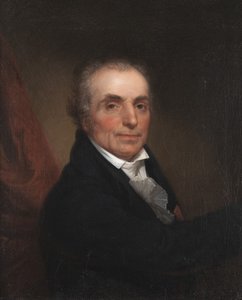
Jean-Antoine Houdon
1741 - 1828 , Francia
Breves datos
- Artistas Que Influyeron:
- René-Michel Slodtz
- Jean-Baptiste Lemoyne
- Jean-Baptiste Pigalle
- Fecha De Muerte: 15 de julio de 1828
- Fecha De Nacimiento: 20 de marzo de 1741
- Lugar De Nacimiento: Versailles, Francia
- Movimiento Artístico: Neoclásico
- Nacionalidad: Francés
- Nombre Completo: Jean-Antoine Houdon
- Obras Notables:
- Muscleman Sideview
- George Washington
- Denis Diderot
- Luis XVI
- Jean-Jacques Rousseau
- Bust of Mirabeau

