 Ver en contexto
 Enviar
 Compartir
 Detalles

 Descargar
 Similares
 Radiografía
 Presentación de diapositivas
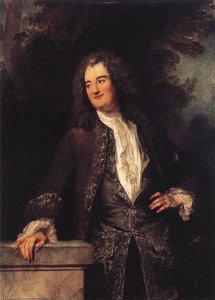
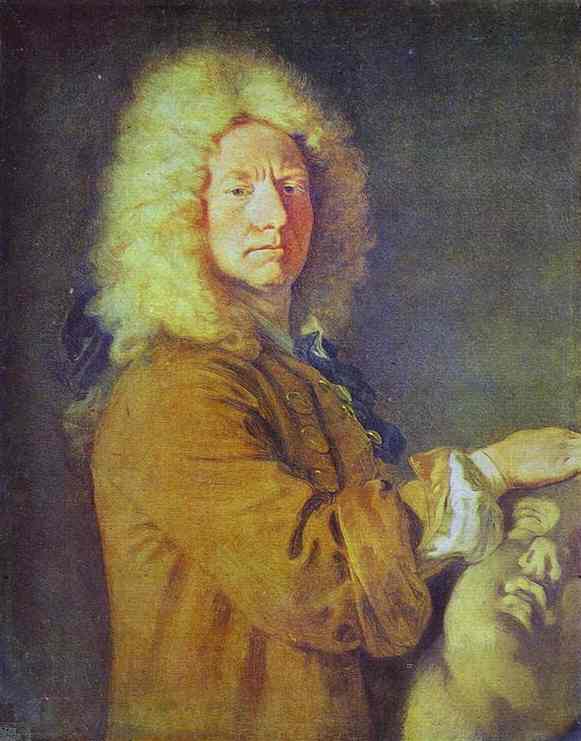
Portrait of M. Pater

 Ver más
Giclée / Impresión de arte
Impresiones giclée o en lienzo de calidad de museo con producción rápida y opciones de acabado flexibles. ( Comprar pintura hecha a mano Comprar imagen)




P118B $10

P118H $10

P118W $10

P438Z $10

P508JH $12

P508YH $12

P805H $10

P805Z $10

P919BZ $10

P919G $10

P919XJ $10

P959ZH $10

P968JZ $12

W106C $8

W218G $10

W218JH $8

W218Y $10

W307PJ $10

W316G $10

W316PJ $8

W316Y $10

W398PJ $8

W4111J $10

W500HY $15

W500JH $15

W692G $12

W849H $8

W940BG $15

W953PJ $8




Elija entre nuestros tamaños predefinidos que respetan las proporciones originales de la obra.

Puede introducir sus propias dimensiones para adaptarse a un marco o espacio específico. Si el tamaño seleccionado no coincide con las proporciones de la imagen original, recortaremos la obra de arte o extenderemos la imagen con un borde con efecto espejo o de color sólido. Se enviará una maqueta digital para su aprobación antes de que comience la producción.
Tenga en cuenta que la vista previa en pantalla no refleja el recorte o la extensión real. Solo la maqueta mostrará con precisión la composición final.
Aunque existen tamaños personalizados, recomendamos seleccionar una dimensión de la lista predefinida para preservar las proporciones originales.
Envío a todo el mundo () en 2 semanas en lugar de las 4/5 semanas estándar. (26 agosto)

Envío exprés gratuito a todo el mundo

Lienzo de lino de alta calidad

Seguro de envío total

Garantía de reembolso de impuestos aduaneros

Garantía de fidelidad cromática exacta

Política de devolución de 60 días (solo por defectos)

Garantía de devolución del 100% del dinero

Descuento por cantidad
 La opción de vidrio solo está disponible en tamaños inferiores a 110 cm.

Portrait of M. Pater
Giclée / Impresión de arte
Dimensiones de la reproducción
-


Precio total final
$ 62
Descripción de la pieza
A Window into Rococo Intimacy: The Portrait of M. Pater by Jean-Antoine Watteau
Jean-Antoine Watteau’s “Portrait of M. Pater,” painted during the twilight years of his career, offers a poignant glimpse into the burgeoning world of Rococo elegance and emotional subtlety. Executed around 1720, this portrait transcends a simple likeness; it's an invitation to observe a moment of quiet contemplation, a carefully constructed tableau reflecting the prevailing aesthetic sensibilities of the era. The subject, a gentleman distinguished by his blonde wig, mustache, and richly textured brown coat, possesses an arresting gaze directed squarely at the viewer – a direct engagement that speaks volumes about Watteau’s mastery in capturing psychological depth.
- Subject & Composition: The portrait centers on M. Pater himself, rendered with meticulous detail. His pose, slightly turned towards the observer, creates an immediate sense of connection, while the subtle tension in his expression hints at a complex inner life.
- Rococo Style: Watteau’s work exemplifies the hallmarks of Rococo – a departure from the grand narratives and dramatic compositions favored by the Baroque. Here, the emphasis is on refined beauty, delicate brushwork, and an atmosphere of leisure and refinement.
Technique & Materials: A Delicate Dance
Watteau’s technique is characterized by its remarkable delicacy and precision. He employed a loose, almost ethereal brushstroke, layering thin glazes of oil paint to achieve luminous effects and subtle gradations in tone. The use of warm browns and golds in the clothing and background creates a sense of opulence, while cooler tones are skillfully deployed to define the subject’s features and enhance his expression. The artist's attention to texture – particularly evident in the fabric of the coat and the hair – is remarkable, demonstrating a deep understanding of material properties. The inclusion of two birds, one near the top left corner and another towards the bottom right, adds an element of whimsy and perhaps symbolizes freedom or fleeting beauty, common motifs within Watteau’s oeuvre.
Historical Context & Symbolism
Painted in the early 18th century, “Portrait of M. Pater” reflects a society increasingly preoccupied with pleasure, leisure, and social refinement. The Rococo style emerged as a reaction against the austerity of the preceding Baroque period, celebrating beauty, grace, and intimacy. Watteau’s portraits were not merely representations of individuals; they were carefully constructed symbols of status and taste. The inclusion of the birds could be interpreted as alluding to the *fêtes galantes*, Watteau's signature genre depicting aristocratic gatherings in idyllic landscapes – a world of fleeting beauty and romantic encounters.
Emotional Impact & Artistic Legacy
Despite his relatively short career, Jean-Antoine Watteau left an indelible mark on the history of art. “Portrait of M. Pater” embodies his unique ability to evoke emotion through subtle gestures and nuanced expressions. The painting’s quiet intensity invites viewers to contemplate the complexities of human experience – a testament to Watteau's profound understanding of psychology and his mastery of the Rococo style. A hand-painted reproduction offers an unparalleled opportunity to appreciate the beauty and sophistication of this pivotal work, bringing its timeless elegance into your home or studio.
Obras relacionadas

Biografía del artista
vida temprana y formación
Jean Antoine Watteau, un pintor francés, nació en Valenciennes, Francia, en 1684. Hay poco conocimiento sobre su vida temprana, pero se cree que recibió formación del artista Julien en Valenciennes antes de mudarse a París en 1702.ascenso a la prominencia
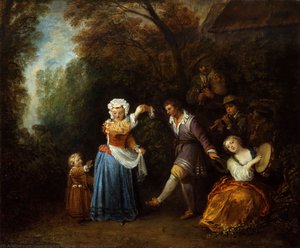
El estilo único de Watteau, que combinaba elementos de los estilos barroco y rococó emergente, rápidamente ganó popularidad. Su obra se caracterizó por su calidad luminosa y onírica, a menudo presentando escenas de la vida cotidiana y representaciones teatrales. Obras notables de este período incluyen:- El baile campestre (1718-1721), una pintura que muestra su dominio para capturar la esencia de la vida rústica y despreocupada.
- Ceres (Verano) (1705), un ejemplo de su habilidad para representar la belleza de la naturaleza y la experiencia humana.
- El contrato matrimonial (1710), una obra que destaca su capacidad para equilibrar la intimidad de las escenas domésticas con la formalidad de los acuerdos contractuales.
influencia y legado
El impacto de Watteau en el mundo del arte fue significativo, influyendo en el desarrollo del estilo rococó. Su obra se puede encontrar en varios museos, incluyendo el Galería Nacional de Arte (Washington, Estados Unidos) y el Museo del Prado (España). A pesar de su fallecimiento prematuro a los 37 años, Watteau dejó una marca indeleble en la historia del arte.explora más
Para profundizar en el mundo de Watteau, visite [https://ArtsDot.com/@/jean-antoine-watteau](https://ArtsDot.com/@/jean-antoine-watteau) y descubra la extensa colección de sus obras, incluyendo:- Retrato de una niña con sombrero (1715-1720), que muestra su habilidad para capturar las sutilezas de la expresión humana.
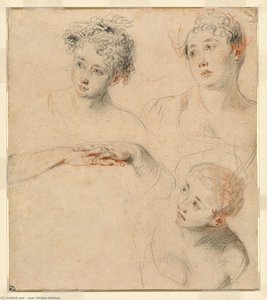
- Estudio de una mujer girando y cinco estudios de manos (1708-1712), que destaca su dedicación a dominar la complejidad de la forma humana.
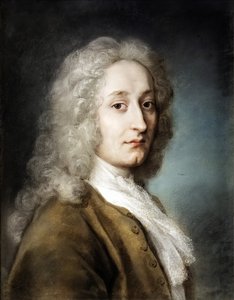
Jean-Antoine Watteau
1684 - 1721 , Francia
Datos clave
- Artistas Influenciados:
- Fragonard
- Boucher
- Artistas Que Influyeron:
- Tiziano
- Rubens
- Fecha De Muerte: 1721
- Fecha De Nacimiento: 1684
- Lugar De Nacimiento: Valenciennes, Francia
- Movimiento Artístico: Rococó
- Nacionalidad: Francés
- Nombre Completo: Jean-Antoine Watteau
- Obras Notables:
- El baile campestre
- Ceres (Verano)
- El contrato matrimonial
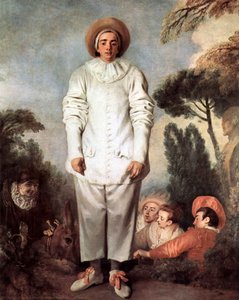
- Gilles
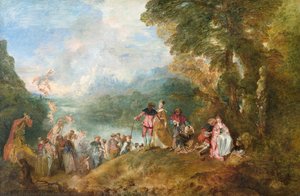
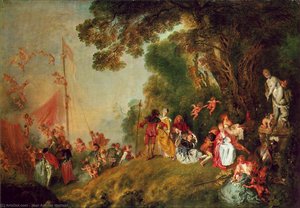
- Embarque a Citera
- Peregrinación a Citera
Artículos relacionados

Rococó: 10 Obras Maestras que Definieron una Época | Arte y Decoración en
Descubre las 10 obras maestras del Rococó que marcaron una época. Explora la elegancia de Fragonard, Boucher y Watteau en . Reproducciones de arte de calidad museo para decorar tu hogar con estilo.
From Grandeur to Grace: Exploring the Evolution of Baroque & Rococo Art
Explore the captivating evolution from Baroque's drama to Rococo's grace! Discover key artists, characteristics & lasting influence of these art movements with expert insights at ArtsDot.

La Estética Rococó: Opulencia, Rebelión y Placer en el Arte del Siglo XVIII
Descubre la fascinante estética rococó: su historia, características clave y los artistas más influyentes del siglo XVIII. Un análisis profundo para amantes del arte y coleccionistas.
The Allure of Elegance in Art: A Historical & Aesthetic Exploration of Refinement & Grace
Explore the exquisite world of Rococo art! Discover its history, masters (Watteau, Boucher & more), and defining elegance. Expert insights for collectors seeking museum-quality reproductions & custom portraits.

Simon Vouet: A Baroque Master's Journey from Italian Influence to French Classicism
Explore the life & art of Simon Vouet, a pivotal French Baroque painter who introduced Italian styles to France. Discover his masterpieces and lasting influence on 17th-century art.