 Ver en contexto
 Enviar
 Compartir
 Detalles

 Descargar
 Similares
 Radiografía
 Presentación de diapositivas
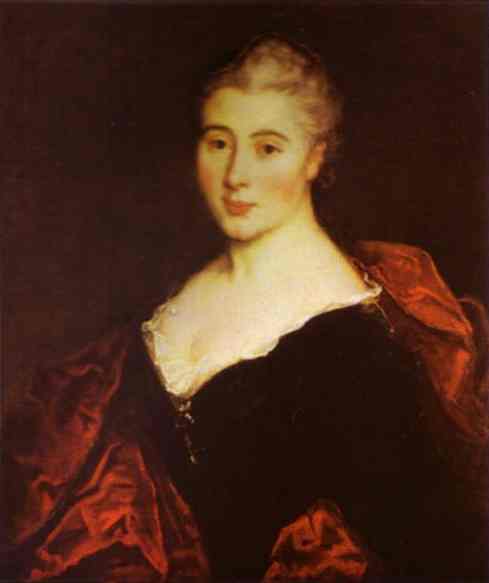
Sylvia (Portrait of Jeanne-Rose-Guyonne Benozzi)


 Ver más
Giclée / Impresión de arte
Impresiones giclée o en lienzo de calidad de museo con producción rápida y opciones de acabado flexibles. ( Comprar pintura hecha a mano Comprar imagen)




P118B $10

P118H $10

P118W $10

P438Z $10

P508JH $12

P508YH $12

P805H $10

P805Z $10

P919BZ $10

P919G $10

P919XJ $10

P959ZH $10

P968JZ $12

W106C $8

W218G $10

W218JH $8

W218Y $10

W307PJ $10

W316G $10

W316PJ $8

W316Y $10

W398PJ $8

W4111J $10

W500HY $15

W500JH $15

W692G $12

W849H $8

W940BG $15

W953PJ $8




Elija entre nuestros tamaños predefinidos que respetan las proporciones originales de la obra.

Puede introducir sus propias dimensiones para adaptarse a un marco o espacio específico. Si el tamaño seleccionado no coincide con las proporciones de la imagen original, recortaremos la obra de arte o extenderemos la imagen con un borde con efecto espejo o de color sólido. Se enviará una maqueta digital para su aprobación antes de que comience la producción.
Tenga en cuenta que la vista previa en pantalla no refleja el recorte o la extensión real. Solo la maqueta mostrará con precisión la composición final.
Aunque existen tamaños personalizados, recomendamos seleccionar una dimensión de la lista predefinida para preservar las proporciones originales.
Envío a todo el mundo () en 2 semanas en lugar de las 4/5 semanas estándar. (30 agosto)

Envío exprés gratuito a todo el mundo

Lienzo de lino de alta calidad

Seguro de envío total

Garantía de reembolso de impuestos aduaneros

Garantía de fidelidad cromática exacta

Política de devolución de 60 días (solo por defectos)

Garantía de devolución del 100% del dinero

Descuento por cantidad
 La opción de vidrio solo está disponible en tamaños inferiores a 110 cm.

Sylvia (Portrait of Jeanne-Rose-Guyonne Benozzi)
Giclée / Impresión de arte
Dimensiones de la reproducción
-


Precio total final
$ 62
A Vision of Rococo Grace
In the delicate dance of light and shadow that defines Jean-Antoine Watteau’s Sylvia, we encounter more than just a portrait; we enter a realm of whispered elegance and quiet introspection. This masterpiece, capturing the likeness of Jeanne-Rose-Guyonne Benozzi, serves as a quintessential window into the Rococo era, a period that sought to replace the heavy, imposing drama of the Baroque with something far more intimate and ethereal. As the viewer’s eye meets the subject's gaze, there is an immediate sense of being invited into a private moment of serene contemplation. The composition focuses tenderly on her face and upper torso, stripping away the distractions of grand landscapes to prioritize the emotional resonance of the sitter herself.
The visual impact of the piece is anchored by the striking contrast of her attire—a sumptuous black gown that provides a profound depth to the canvas, punctuated by vibrant red accents that draw the eye across the delicate folds of the fabric. This interplay of dark and light creates a rhythmic movement within the frame, guiding the observer through the intricate textures of the silk and lace. For the collector or interior designer, such a piece offers a sophisticated focal point, bringing a sense of timeless luxury and a touch of Parisian salon culture into any curated space.
Mastery of Light and Ethereal Technique
Watteau’s technical prowess is nothing short of miraculous, characterized by an ethereal delicacy that seems to defy the physical weight of the paint. Eschewing the thick, sculptural impasto favored by many of his contemporaries, Watteau utilized masterful glazing techniques—applying thin, translucent layers of pigment to build a luminous glow from within the canvas. This method is most breathtakingly evident in the rendering of Sylvia’s complexion and her soft, blonde hair, where light appears to be trapped beneath the surface, creating a dreamlike, pearlescent quality.
His brushwork is subtle and fluid, favoring soft pastel hues and gentle gradations over harsh outlines. This creates an atmosphere of "dreamy beauty," where the boundaries between the subject and the air around her seem to soften. To possess a reproduction of this work is to bring a sense of atmospheric lightness into a room; it does not demand attention through sheer scale or aggression, but rather captures the heart through its quiet, shimmering sophistication and the masterful handling of light that makes the subject appear almost otherworldly.
The Spirit of an Era
To understand Sylvia is to understand the cultural metamorphosis of early eighteenth-century France. Emerging from the shadows of Louis XIV’s rigid and austere court, the Rococo movement celebrated the joys of leisure, the beauty of nature, and the refinement of social interaction. Watteau was the poet of this new age, capturing the spirit of the Parisian salons—those legendary gathering places where intellect and art intertwined. While the painting lacks a sprawling landscape, it embodies the very essence of those idealized environments through its focus on poised, aristocratic grace.
The emotional impact of the portrait lies in its understated power. There is no theatricality here, only a profound sense of presence. The subject does not perform for the viewer; she simply exists in a state of refined tranquility. This makes the artwork an incredibly versatile choice for modern interiors, offering a sense of historical depth and emotional calm. Whether placed in a sunlit library or a formal dining room, Sylvia acts as a silent storyteller, evoking a bygone era of charm, sophistication, and the enduring pursuit of beauty.
Obras relacionadas


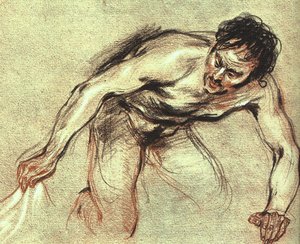
Biografía del artista
vida temprana y formación
Jean Antoine Watteau, un pintor francés, nació en Valenciennes, Francia, en 1684. Hay poco conocimiento sobre su vida temprana, pero se cree que recibió formación del artista Julien en Valenciennes antes de mudarse a París en 1702.ascenso a la prominencia
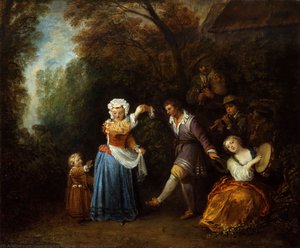
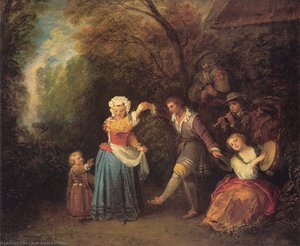
El estilo único de Watteau, que combinaba elementos de los estilos barroco y rococó emergente, rápidamente ganó popularidad. Su obra se caracterizó por su calidad luminosa y onírica, a menudo presentando escenas de la vida cotidiana y representaciones teatrales. Obras notables de este período incluyen:- El baile campestre (1718-1721), una pintura que muestra su dominio para capturar la esencia de la vida rústica y despreocupada.
- Ceres (Verano) (1705), un ejemplo de su habilidad para representar la belleza de la naturaleza y la experiencia humana.
- El contrato matrimonial (1710), una obra que destaca su capacidad para equilibrar la intimidad de las escenas domésticas con la formalidad de los acuerdos contractuales.
influencia y legado
El impacto de Watteau en el mundo del arte fue significativo, influyendo en el desarrollo del estilo rococó. Su obra se puede encontrar en varios museos, incluyendo el Galería Nacional de Arte (Washington, Estados Unidos) y el Museo del Prado (España). A pesar de su fallecimiento prematuro a los 37 años, Watteau dejó una marca indeleble en la historia del arte.explora más
Para profundizar en el mundo de Watteau, visite [https://ArtsDot.com/@/jean-antoine-watteau](https://ArtsDot.com/@/jean-antoine-watteau) y descubra la extensa colección de sus obras, incluyendo:- Retrato de una niña con sombrero (1715-1720), que muestra su habilidad para capturar las sutilezas de la expresión humana.
- Estudio de una mujer girando y cinco estudios de manos (1708-1712), que destaca su dedicación a dominar la complejidad de la forma humana.
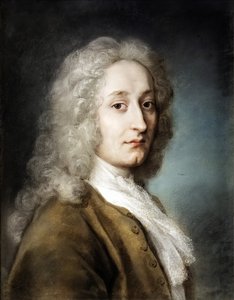
Jean-Antoine Watteau
1684 - 1721 , Francia
Datos clave
- Artistas Influenciados:
- Fragonard
- Boucher
- Artistas Que Influyeron:
- Tiziano
- Rubens
- Fecha De Muerte: 1721
- Fecha De Nacimiento: 1684
- Lugar De Nacimiento: Valenciennes, Francia
- Movimiento Artístico: Rococó
- Nacionalidad: Francés
- Nombre Completo: Jean-Antoine Watteau
- Obras Notables:
- El baile campestre
- Ceres (Verano)
- El contrato matrimonial
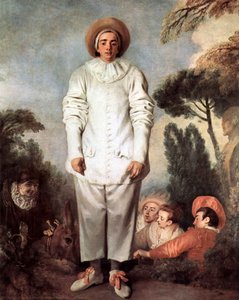
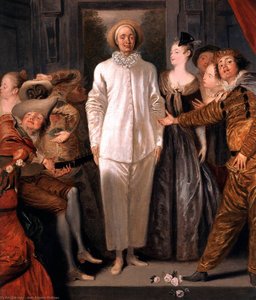
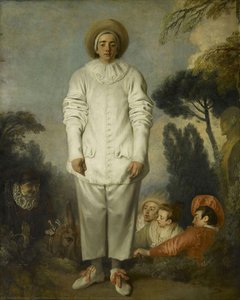
- Gilles
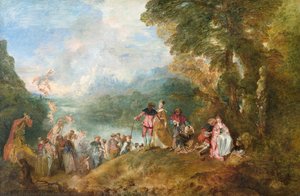
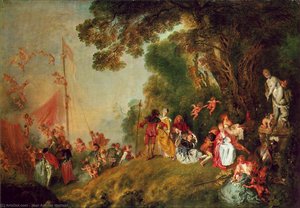
- Embarque a Citera
- Peregrinación a Citera
Artículos relacionados

Blanco Sublime: Los 10 Cuadros Más Famosos Dominados por la Luz y el Color
Descubre los 10 cuadros blancos más emblemáticos de la historia del arte. Explora Monet, Van Gogh y Klimt, y su magistral uso de la luz y el color. Encuentra reproducciones de alta calidad e inspírate para tu decoración en .

Rococó: 10 Obras Maestras que Definieron una Época | Arte y Decoración en
Descubre las 10 obras maestras del Rococó que marcaron una época. Explora la elegancia de Fragonard, Boucher y Watteau en . Reproducciones de arte de calidad museo para decorar tu hogar con estilo.
The Allure of Elegance in Art: A Historical & Aesthetic Exploration of Refinement & Grace
Explore the exquisite world of Rococo art! Discover its history, masters (Watteau, Boucher & more), and defining elegance. Expert insights for collectors seeking museum-quality reproductions & custom portraits.

Las 10 Pinturas Más Famosas Dominadas por el Negro | Arte y Decoración
Descubre las 10 pinturas más impactantes dominadas por el negro. Explora obras maestras de Rembrandt, Goya y Rothko, su historia y significado. Encuentra reproducciones de arte exclusivas para transformar tu hogar en .
La Estética Rococó: Opulencia, Rebelión y Placer en el Arte del Siglo XVIII
Descubre la fascinante estética rococó: su historia, características clave y los artistas más influyentes del siglo XVIII. Un análisis profundo para amantes del arte y coleccionistas.