 Ver en contexto
 Enviar
 Compartir
 Detalles

 Descargar
 Similares
 Radiografía
 Presentación de diapositivas
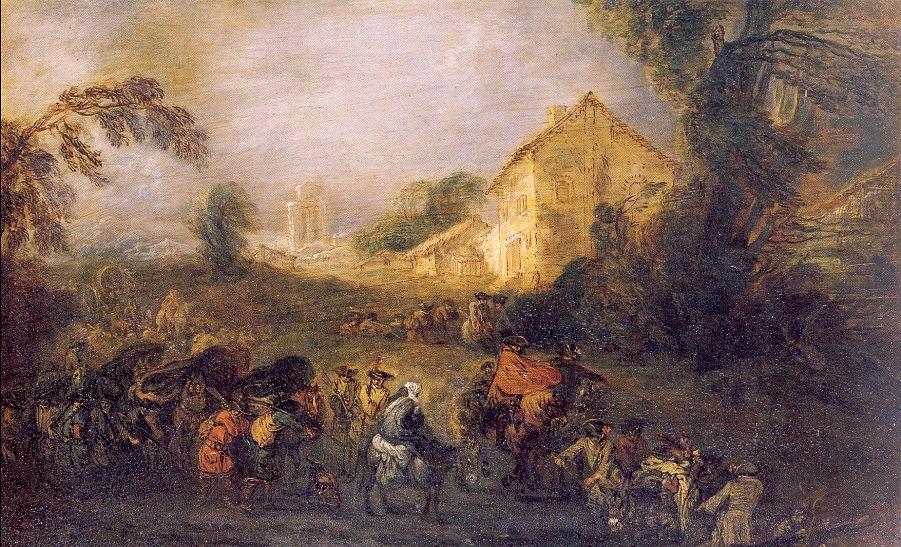
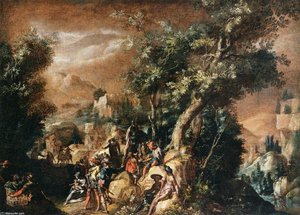
The Burdens of War

 Ver más
Reproducción al óleo hecha a mano
Óleo sobre lienzo pintado a mano en el tamaño y marco de su elección, realizado por encargo por nuestros artistas. ( Comprar impresión Comprar imagen)




P118B $10

P118H $10

P118W $10

P438Z $10

P508JH $12

P508YH $12

P805H $10

P805Z $10

P919BZ $10

P919G $10

P919XJ $10

P959ZH $10

P968JZ $12

W106C $8

W218G $10

W218JH $8

W218Y $10

W307PJ $10

W316G $10

W316PJ $8

W316Y $10

W398PJ $8

W4111J $10

W500HY $15

W500JH $15

W692G $12

W849H $8

W940BG $15

W953PJ $8




Elija entre nuestros tamaños predefinidos que respetan las proporciones originales de la obra.

Puede ingresar sus propias dimensiones para adaptarse a un marco o espacio específico. Si el tamaño seleccionado no coincide con las proporciones de la imagen original, recortaremos la obra o extenderemos la pintura con elementos adicionales pintados a mano. Se le enviará una maqueta digital para su aprobación antes de comenzar la producción.
Tenga en cuenta que la vista previa en pantalla no refleja el recorte o la extensión reales. Solo la maqueta mostrará con precisión la composición final.
Si bien existen tamaños personalizados, recomendamos seleccionar una dimensión de la lista predefinida para preservar las proporciones originales.
Tras realizar el pedido, el equipo de ArtsDot.com enviará un correo electrónico al cliente para solicitar instrucciones y proporcionarle una vista previa del boceto.
Envío a todo el mundo () en 3-4 semanas en lugar de las 5 semanas estándar. (26 agosto). Sin comprometer la calidad.

Envío exprés gratuito a todo el mundo

Lienzo de lino de alta calidad

Seguro de envío total

Garantía de reembolso de impuestos aduaneros

Garantía de fidelidad cromática exacta

Política de devolución de 60 días (solo por defectos)

Garantía de devolución del 100% del dinero

Descuento por cantidad
 La opción de vidrio solo está disponible en tamaños inferiores a 110 cm.

The Burdens of War
Técnica de reproducción
Dimensiones de la reproducción
-


Precio total final
$ 263
Descripción de la obra
Jean-Antoine Watteau: A Delicate Brushstroke – The Life and Art of Jean-Antoine Watteau
Jean-Antoine Watteau (1684–1721), a name that resonates with the ethereal beauty of Rococo, irrevocably transformed the artistic landscape of eighteenth-century France. Born in Valenciennes, amidst the understated grandeur of Northern Burgundy, Watteau’s trajectory defied conventional expectations for artists of his time—a rejection of the bombastic Baroque favored by Louis XIV—embracing instead a vision steeped in intimacy, leisure, and nuanced emotion.
Unlike many contemporaries who adhered to rigidly defined artistic paths, Watteau's life was characterized by perseverance. Initial struggles for recognition within Parisian art institutions fueled his ambition, shaping him into the artist he would become. His early training under local painters instilled in him a profound appreciation for observation and an unwavering fascination with everyday life—themes that would consistently reappear throughout his oeuvre.
- Early Influences: Watteau’s formative years were marked by exposure to Flemish and Dutch artistic traditions, notably the works of Rubens and Rembrandt. These masters championed color and movement, rejecting the formal constraints of Baroque sculpture and architecture—a stylistic rebellion that would profoundly influence Watteau's own artistic sensibilities.
- The Parisian Atelier: His apprenticeship under Claude Gillot solidified his understanding of Rococo aesthetics, fostering connections with artists who sought to liberate art from rigid conventions. Gillot’s studio served as a crucible for innovation, exposing Watteau to the vibrant theatricality of Commedia dell'arte and inspiring him to explore new expressive possibilities.
- A Patron’s Embrace: Pierre Crozat, a wealthy banker and avid collector, recognized Watteau’s talent and became his influential benefactor—providing him with access to masterpieces by Venetian artists like Titian and Tintoretto. This patronage nurtured Watteau's artistic development and allowed him to immerse himself in the intellectual currents of Parisian society.
The Birth of Fêtes Galantes
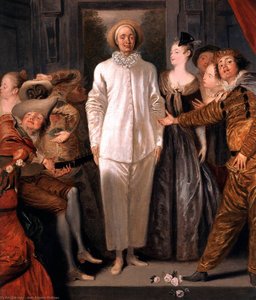
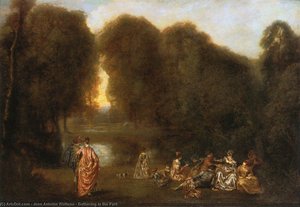
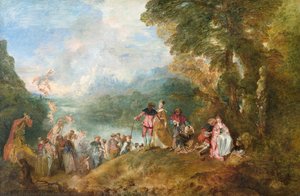
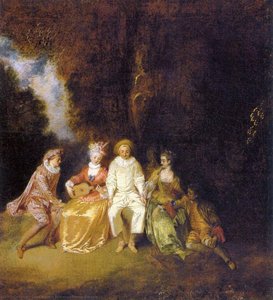
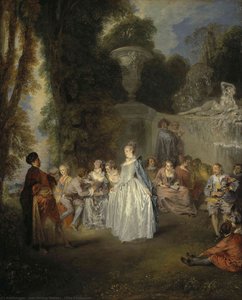
Watteau’s singular contribution to art history lies in his invention of ‘fêtes galantes,’ a genre that captured the spirit of aristocratic leisure and idealized pastoral romance. Unlike grand historical paintings or religious commissions, fêtes galantes depicted scenes of carefree gatherings—elegant picnics, masked balls, and romantic promenades—characterized by delicate color palettes, graceful poses, and subtle theatricality.
These canvases weren’t merely decorative; they conveyed a complex tapestry of emotions—joyful exuberance mingled with melancholy longing—reflecting the anxieties and aspirations of the Enlightenment era. Watteau skillfully employed chiaroscuro—the interplay of light and shadow—to heighten dramatic effect, creating an atmosphere of ethereal beauty that captivated audiences.
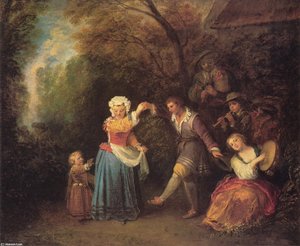
“The Country Dance,” exemplifies this masterful technique, transporting viewers to a realm where art transcends mere representation, becoming a conduit for profound psychological insight. Watteau’s meticulous attention to detail—from the embroidered costumes to the expressive faces of his figures—elevated fêtes galantes to an unparalleled level of artistic sophistication.Symbolism and Emotional Resonance
Watteau's paintings are laden with symbolic references, reflecting the humanist ideals prevalent during his time. Recurring motifs—such as doves symbolizing peace, flowers representing fertility and beauty, and musical instruments conveying elegance and refinement—underscore Watteau’s preoccupation with themes of love, desire, and spiritual contemplation.
More than just aesthetically pleasing reproductions, Watteau's works evoke a powerful emotional response. They invite viewers to contemplate the fleeting nature of pleasure, the bittersweet beauty of human relationships, and the yearning for transcendence—themes that continue to resonate with audiences today. His art speaks to our deepest sensibilities, reminding us of the importance of savoring life’s joys while acknowledging its inevitable sorrows.
Legacy and Influence
Jean-Antoine Watteau's influence extended far beyond his own lifetime, shaping the artistic tastes of subsequent generations. Artists like François Boucher and Jean Honoré Fragonard embraced Watteau’s aesthetic principles—particularly his use of color and movement—creating masterpieces that solidified Rococo as the dominant style of the era.
Today, reproductions of Watteau's paintings adorn homes and galleries worldwide—testament to their enduring beauty and artistic significance. They serve as a reminder of a bygone age—a time when art celebrated elegance, grace, and emotional depth—inspiring viewers to appreciate the transformative power of visual expression.
Obras relacionadas

Biografía del artista
vida temprana y formación
Jean Antoine Watteau, un pintor francés, nació en Valenciennes, Francia, en 1684. Hay poco conocimiento sobre su vida temprana, pero se cree que recibió formación del artista Julien en Valenciennes antes de mudarse a París en 1702.ascenso a la prominencia
El estilo único de Watteau, que combinaba elementos de los estilos barroco y rococó emergente, rápidamente ganó popularidad. Su obra se caracterizó por su calidad luminosa y onírica, a menudo presentando escenas de la vida cotidiana y representaciones teatrales. Obras notables de este período incluyen:- El baile campestre (1718-1721), una pintura que muestra su dominio para capturar la esencia de la vida rústica y despreocupada.
- Ceres (Verano) (1705), un ejemplo de su habilidad para representar la belleza de la naturaleza y la experiencia humana.
- El contrato matrimonial (1710), una obra que destaca su capacidad para equilibrar la intimidad de las escenas domésticas con la formalidad de los acuerdos contractuales.
influencia y legado
El impacto de Watteau en el mundo del arte fue significativo, influyendo en el desarrollo del estilo rococó. Su obra se puede encontrar en varios museos, incluyendo el Galería Nacional de Arte (Washington, Estados Unidos) y el Museo del Prado (España). A pesar de su fallecimiento prematuro a los 37 años, Watteau dejó una marca indeleble en la historia del arte.explora más
Para profundizar en el mundo de Watteau, visite [https://ArtsDot.com/@/jean-antoine-watteau](https://ArtsDot.com/@/jean-antoine-watteau) y descubra la extensa colección de sus obras, incluyendo:- Retrato de una niña con sombrero (1715-1720), que muestra su habilidad para capturar las sutilezas de la expresión humana.
- Estudio de una mujer girando y cinco estudios de manos (1708-1712), que destaca su dedicación a dominar la complejidad de la forma humana.
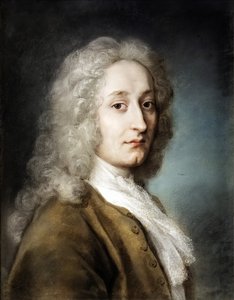
Jean-Antoine Watteau
1684 - 1721 , Francia
Datos clave
- Artistas Influenciados:
- Fragonard
- Boucher
- Artistas Que Influyeron:
- Tiziano
- Rubens
- Fecha De Muerte: 1721
- Fecha De Nacimiento: 1684
- Lugar De Nacimiento: Valenciennes, Francia
- Movimiento Artístico: Rococó
- Nacionalidad: Francés
- Nombre Completo: Jean-Antoine Watteau
- Obras Notables:
- El baile campestre
- Ceres (Verano)
- El contrato matrimonial
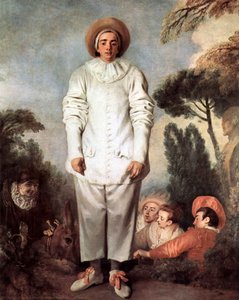
- Gilles
- Embarque a Citera
- Peregrinación a Citera
Artículos relacionados

Rococó: 10 Obras Maestras que Definieron una Época | Arte y Decoración en
Descubre las 10 obras maestras del Rococó que marcaron una época. Explora la elegancia de Fragonard, Boucher y Watteau en . Reproducciones de arte de calidad museo para decorar tu hogar con estilo.
La Estética Rococó: Opulencia, Rebelión y Placer en el Arte del Siglo XVIII
Descubre la fascinante estética rococó: su historia, características clave y los artistas más influyentes del siglo XVIII. Un análisis profundo para amantes del arte y coleccionistas.
The Allure of Elegance in Art: A Historical & Aesthetic Exploration of Refinement & Grace
Explore the exquisite world of Rococo art! Discover its history, masters (Watteau, Boucher & more), and defining elegance. Expert insights for collectors seeking museum-quality reproductions & custom portraits.
The Rococo Style: Aristocratic Leisure & the Pursuit of Delight in 18th-Century Art
Explore the opulent world of Rococo art! Discover Watteau, Boucher & Nattier's masterpieces. Expert insights for collectors seeking museum-quality reproductions and custom portraits at ArtsDot.
François Boucher: Rococo Master of Myth, Sensuality, and the French Court
Explore the captivating world of François Boucher, master of Rococo painting! Discover his iconic works, aristocratic patronage, and lasting influence on French art history. Learn more at ArtsDot.