

![The March Of Silenus [recto] — Jean-antoine Watteau](/media/artworks/images-full/47/96/47967f2a29f78899c8315d06b15e447a.jpg)
 Ver en contexto
 Enviar
 Compartir
 Detalles

 Descargar
 Similares
 Radiografía
 Presentación de diapositivas
The March of Silenus [recto]

 Ver más
Adquiera una imagen digital de alta resolución y optimizada, muy superior a la vista previa en línea.
Cada archivo es preparado meticulosamente por nuestros especialistas internos mediante el uso de herramientas avanzadas y un experto retoque manual. Nos aseguramos de que cada imagen posea una claridad excepcional, una precisión cromática impecable y un detalle minucioso.
El archivo final se entrega por correo electrónico en un plazo de 72 horas, optimizado para su uso inmediato en entornos profesionales, editoriales y de impresión. Esta es la misma calidad en la que confían los estudios de diseño, las editoriales y las galerías de primer nivel.
Imagen Digital
Descarga un archivo de alta resolución para exhibición personal, impresión y proyectos creativos. ( Comprar impresión Comprar pintura hecha a mano)
Incluido en cada pedido de imágenes digitales
Entrega digital experta, garantizada.
Al elegir ArtsDot.com, no solo está adquiriendo una imagen; está recibiendo una obra de arte digital mejorada profesionalmente, elaborada con precisión y respaldada por una garantía de satisfacción. Esto es todo lo que incluye su pedido, automáticamente:

Entrega rápida por email
Recibirá su archivo de imagen digital en alta resolución por correo electrónico en un plazo de 72 horas tras realizar su pedido, listo para su uso inmediato.

Archivo digital optimizado por IA
Su obra de arte se optimiza profesionalmente mediante herramientas avanzadas de IA y edición manual, garantizando el máximo detalle, claridad y precisión cromática.

Reenvío gratuito de por vida
¿Has borrado o perdido tu archivo por error? No te preocupes: te lo volveremos a enviar en cualquier momento, sin coste adicional.

Sin gastos de importación, siempre
Disfrute de su obra de arte al instante sin aduanas, aranceles ni gastos de envío; las descargas digitales siempre están libres de impuestos.

Garantía de fidelidad de color
Garantizamos que su imagen digital refleje los colores originales con la mayor fidelidad posible, mediante el uso de herramientas profesionales y gestión del color.

Garantía de satisfacción de 60 días
Si no está satisfecho con su imagen digital, la revisaremos o le reembolsaremos el 100% en un plazo de 60 días, sin preguntas.

100% Garantía de devolución de dinero
¿No está satisfecho? Obtenga un reembolso completo dentro de los 60 días posteriores a la recepción de su archivo digital, sin necesidad de explicaciones.

Descuentos por pedidos grandes
Compra 3 imágenes, ahorra 10% - Compra 5, ahorra 15% - Compra 10+, ahorra 20%. Ideal para proyectos creativos, galerías y agencias.
Descripción del coleccionable
A Moment of Transient Grace: Exploring Watteau's "The March of Silenus"
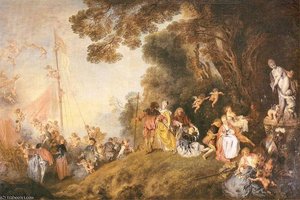
Jean-Antoine Watteau’s “The March of Silenus” offers a captivating glimpse into the heart of Rococo artistry, a world where fleeting pleasures and delicate emotions reigned supreme. Painted around 1715, this work exemplifies Watteau's masterful ability to capture not just appearances but the very essence of aristocratic leisure – a scene brimming with an almost palpable sense of movement and intrigue. The painting depicts a gathering of figures surrounding a nude man, Silenus, the mythical tutor of Dionysus, suggesting themes of intoxication, revelry, and perhaps even moral transgression, hallmarks of Watteau’s oeuvre.
- Subject Matter: The central figure, Silenus, is immediately arresting. His nudity, a deliberate reference to classical mythology, elevates the scene beyond mere social portraiture. The surrounding figures – a diverse group of men and women – engage in various activities, hinting at a symposium or a private celebration.
- Rococo Style: Watteau’s work is quintessential Rococo, characterized by its emphasis on elegance, asymmetry, and pastel colors. Notice the soft brushstrokes, the delicate rendering of fabrics, and the overall sense of lightness and airiness that pervades the composition. This style rejected the heavy, dramatic narratives of the Baroque period in favor of a more intimate and refined aesthetic.
Technique and Composition – A Dance of Light and Shadow
Watteau’s technical skill is immediately apparent in his use of *sfumato*, a technique borrowed from Leonardo da Vinci, which creates subtle gradations of light and shadow to soften forms and evoke an atmosphere of hazy beauty. The figures are not sharply defined but rather appear to emerge from the surrounding mist, contributing to the painting's dreamlike quality. The composition itself is carefully constructed, with diagonal lines guiding the viewer’s eye through the scene, creating a dynamic sense of movement. The use of shallow depth of field further enhances this effect, drawing attention to the foreground figures and blurring those in the background.
- Color Palette: Watteau favored a palette of pale pinks, blues, and golds, typical of the Rococo period. These colors contribute to the painting’s overall sense of luxury and refinement.
- Brushwork: The loose, flowing brushstrokes are characteristic of Watteau's style and create a sense of spontaneity and movement within the scene.
Symbolism and Historical Context – Echoes of Antiquity
"The March of Silenus" is deeply rooted in classical mythology and Renaissance humanism. Silenus, as the tutor of Dionysus, represents intoxication, revelry, and the pursuit of pleasure. The presence of nude figures was a common motif in Rococo art, reflecting a renewed interest in classical antiquity and a celebration of the beauty of the human form. Watteau’s work reflects the changing social landscape of 18th-century France, where aristocratic life revolved around elaborate entertainments and gatherings. This painting captures a moment of transient grace – a fleeting glimpse into a world of refined pleasure and sophisticated conversation.
Emotional Impact – A Portrait of Transient Beauty
Ultimately, “The March of Silenus” is not merely a depiction of a social gathering; it’s an exploration of human emotion and experience. The painting evokes a sense of nostalgia for a lost world of elegance and refinement, inviting the viewer to contemplate the fleeting nature of beauty and pleasure. Its delicate beauty and evocative atmosphere make it a timeless masterpiece, perfectly suited for inclusion in discerning collections or as a source of inspiration for interior design projects seeking a touch of Rococo charm.
Obras relacionadas

Biografía del artista
vida temprana y formación
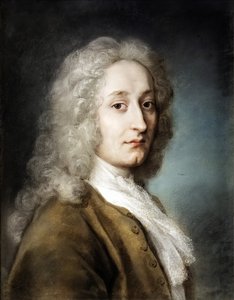
Jean Antoine Watteau, un pintor francés, nació en Valenciennes, Francia, en 1684. Hay poco conocimiento sobre su vida temprana, pero se cree que recibió formación del artista Julien en Valenciennes antes de mudarse a París en 1702.ascenso a la prominencia
El estilo único de Watteau, que combinaba elementos de los estilos barroco y rococó emergente, rápidamente ganó popularidad. Su obra se caracterizó por su calidad luminosa y onírica, a menudo presentando escenas de la vida cotidiana y representaciones teatrales. Obras notables de este período incluyen:- El baile campestre (1718-1721), una pintura que muestra su dominio para capturar la esencia de la vida rústica y despreocupada.
- Ceres (Verano) (1705), un ejemplo de su habilidad para representar la belleza de la naturaleza y la experiencia humana.
- El contrato matrimonial (1710), una obra que destaca su capacidad para equilibrar la intimidad de las escenas domésticas con la formalidad de los acuerdos contractuales.
influencia y legado
El impacto de Watteau en el mundo del arte fue significativo, influyendo en el desarrollo del estilo rococó. Su obra se puede encontrar en varios museos, incluyendo el Galería Nacional de Arte (Washington, Estados Unidos) y el Museo del Prado (España). A pesar de su fallecimiento prematuro a los 37 años, Watteau dejó una marca indeleble en la historia del arte.explora más
Para profundizar en el mundo de Watteau, visite [https://ArtsDot.com/@/jean-antoine-watteau](https://ArtsDot.com/@/jean-antoine-watteau) y descubra la extensa colección de sus obras, incluyendo:- Retrato de una niña con sombrero (1715-1720), que muestra su habilidad para capturar las sutilezas de la expresión humana.
- Estudio de una mujer girando y cinco estudios de manos (1708-1712), que destaca su dedicación a dominar la complejidad de la forma humana.
Jean-Antoine Watteau
1684 - 1721 , Francia
Breves datos
- Artistas Influenciados:
- Fragonard
- Boucher
- Artistas Que Influyeron:
- Tiziano
- Rubens
- Fecha De Muerte: 1721
- Fecha De Nacimiento: 1684
- Lugar De Nacimiento: Valenciennes, Francia
- Movimiento Artístico: Rococó
- Nacionalidad: Francés
- Nombre Completo: Jean-Antoine Watteau
- Obras Notables:
- El baile campestre
- Ceres (Verano)
- El contrato matrimonial
- Gilles
- Embarque a Citera
- Peregrinación a Citera

