 Ver en contexto
 Enviar
 Compartir
 Detalles

 Descargar
 Similares
 Radiografía
 Presentación de diapositivas
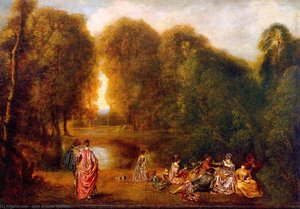
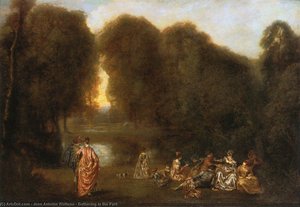
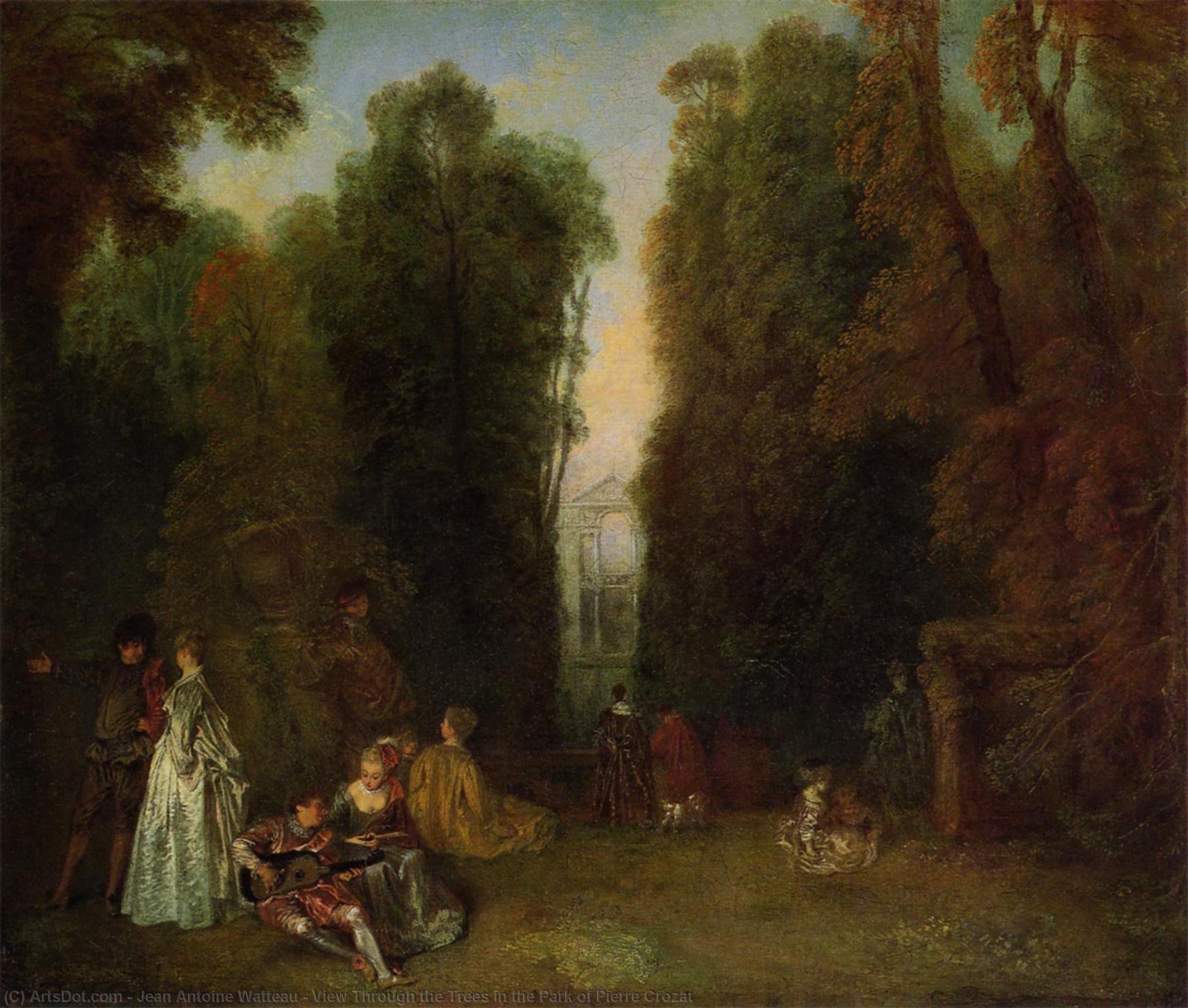
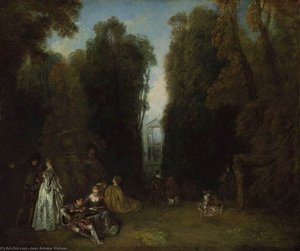
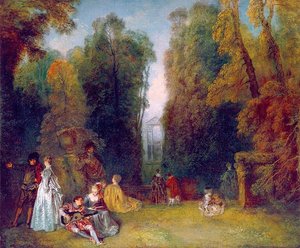
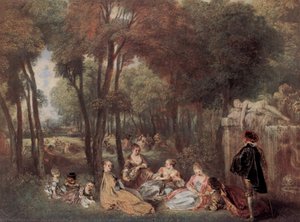
Vista a través de los árboles en el parque de Pierre Crozat

 Ver más
Giclée / Impresión de arte
Impresiones giclée o en lienzo de calidad de museo con producción rápida y opciones de acabado flexibles. ( Comprar pintura hecha a mano Comprar imagen)




P118B $10

P118H $10

P118W $10

P438Z $10

P508JH $12

P508YH $12

P805H $10

P805Z $10

P919BZ $10

P919G $10

P919XJ $10

P959ZH $10

P968JZ $12

W106C $8

W218G $10

W218JH $8

W218Y $10

W307PJ $10

W316G $10

W316PJ $8

W316Y $10

W398PJ $8

W4111J $10

W500HY $15

W500JH $15

W692G $12

W849H $8

W940BG $15

W953PJ $8




Elija entre nuestros tamaños predefinidos que respetan las proporciones originales de la obra.

Puede introducir sus propias dimensiones para adaptarse a un marco o espacio específico. Si el tamaño seleccionado no coincide con las proporciones de la imagen original, recortaremos la obra de arte o extenderemos la imagen con un borde con efecto espejo o de color sólido. Se enviará una maqueta digital para su aprobación antes de que comience la producción.
Tenga en cuenta que la vista previa en pantalla no refleja el recorte o la extensión real. Solo la maqueta mostrará con precisión la composición final.
Aunque existen tamaños personalizados, recomendamos seleccionar una dimensión de la lista predefinida para preservar las proporciones originales.
Envío a todo el mundo () en 2 semanas en lugar de las 4/5 semanas estándar. (3 septiembre)

Envío exprés gratuito a todo el mundo

Lienzo de lino de alta calidad

Seguro de envío total

Garantía de reembolso de impuestos aduaneros

Garantía de fidelidad cromática exacta

Política de devolución de 60 días (solo por defectos)

Garantía de devolución del 100% del dinero

Descuento por cantidad
 La opción de vidrio solo está disponible en tamaños inferiores a 110 cm.

Vista a través de los árboles en el parque de Pierre Crozat
Giclée / Impresión de arte
Dimensiones de la reproducción
-


Precio total final
$ 62
A Window into Rococo Idyllic: Exploring Watteau’s “View Through the Trees in the Park of Pierre Crozat”
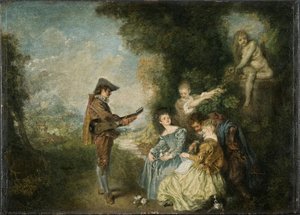
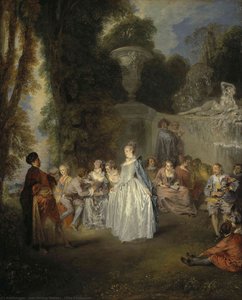
The painting "View Through the Trees in the Park of Pierre Crozat," attributed to Jean-Antoine Watteau, stands as a quintessential emblem of the Rococo movement—a stylistic revolution that captivated Europe during the reign of Louis XV. More than just a depiction of a pleasant outdoor scene, it’s an invitation into a carefully constructed illusion of refined leisure and aristocratic charm, reflecting the values of the era with remarkable subtlety. Watteau's artistic vision wasn’t merely about capturing what he saw; it was about crafting an atmosphere that evoked feelings of serenity, beauty, and fleeting pleasure—a deliberate departure from the weighty moralizing concerns prevalent in preceding Baroque art.- Subject Matter: The artwork portrays a group of elegantly dressed individuals strolling through a park adorned with blossoming trees. Notably absent are grand narratives or heroic figures; instead, Watteau focuses on capturing the ephemeral moments of social interaction and aesthetic appreciation.
- Style & Technique: Watteau’s signature Rococo style is characterized by delicate brushstrokes, pastel hues—primarily pale blues, greens, and pinks—and a masterful use of chiaroscuro (light and shadow) to create soft, diffused illumination. This technique lends an ethereal quality to the scene, blurring boundaries between reality and fantasy.
Historical Context: The Rise of Sensibility
The painting emerged during a period known as “La Belle Époque,” or “The Beautiful Age,” which witnessed a burgeoning interest in emotion and subjective experience—a concept termed "sensibilité." Philosophers like Jean Rousseau championed the idea that individuals should prioritize feeling over reason, influencing artistic sensibilities profoundly. Watteau’s work perfectly embodies this shift away from Baroque formalism toward an aesthetic rooted in emotional resonance. The park setting itself symbolizes Arcadia—the idealized pastoral realm of ancient Greece—representing a retreat from the complexities and anxieties of court life into a space of unspoiled beauty and harmonious companionship.Symbolism & Artistic Devices
Beyond its visual splendor, “View Through the Trees” is laden with symbolic gestures. The umbrellas held by the figures aren’t merely practical accessories; they represent protection from both physical discomfort (the sun) and emotional vulnerability—a subtle allusion to the fragility of human relationships. Watteau employs a technique known as "trompe-l'œil," creating an illusionistic depth that enhances the sense of space and invites contemplation. The dappled sunlight filtering through the trees contributes to this atmospheric effect, reinforcing the painting’s overarching mood of tranquility and wistful longing.Emotional Impact & Legacy
Ultimately, Watteau aimed to evoke a profound emotional response in his viewers—a feeling of melancholy beauty that captures the fleeting nature of joy and the bittersweet awareness of passing time. The figures gaze out at the landscape with expressions of quiet contemplation, suggesting an inner life rich in emotion and imagination. “View Through the Trees” continues to inspire artists and designers today, serving as a testament to Watteau’s enduring genius and his ability to transform ordinary landscapes into canvases brimming with psychological depth. Its delicate palette and masterful composition exemplify the ideals of Rococo art—a celebration of beauty, grace, and the pursuit of pleasure—making it an invaluable piece for collectors seeking to immerse themselves in the artistic spirit of its time.Obras relacionadas

Biografía del artista
vida temprana y formación
Jean Antoine Watteau, un pintor francés, nació en Valenciennes, Francia, en 1684. Hay poco conocimiento sobre su vida temprana, pero se cree que recibió formación del artista Julien en Valenciennes antes de mudarse a París en 1702.ascenso a la prominencia
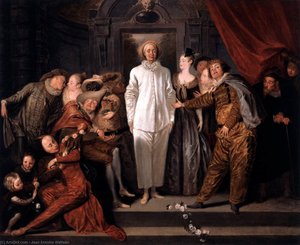
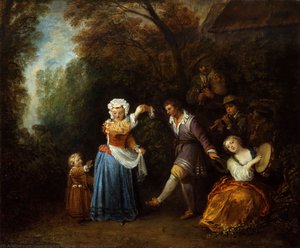
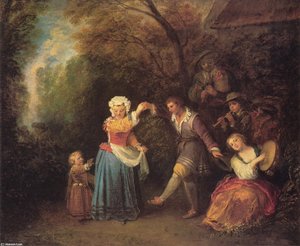
El estilo único de Watteau, que combinaba elementos de los estilos barroco y rococó emergente, rápidamente ganó popularidad. Su obra se caracterizó por su calidad luminosa y onírica, a menudo presentando escenas de la vida cotidiana y representaciones teatrales. Obras notables de este período incluyen:- El baile campestre (1718-1721), una pintura que muestra su dominio para capturar la esencia de la vida rústica y despreocupada.
- Ceres (Verano) (1705), un ejemplo de su habilidad para representar la belleza de la naturaleza y la experiencia humana.
- El contrato matrimonial (1710), una obra que destaca su capacidad para equilibrar la intimidad de las escenas domésticas con la formalidad de los acuerdos contractuales.
influencia y legado
El impacto de Watteau en el mundo del arte fue significativo, influyendo en el desarrollo del estilo rococó. Su obra se puede encontrar en varios museos, incluyendo el Galería Nacional de Arte (Washington, Estados Unidos) y el Museo del Prado (España). A pesar de su fallecimiento prematuro a los 37 años, Watteau dejó una marca indeleble en la historia del arte.explora más
Para profundizar en el mundo de Watteau, visite [https://ArtsDot.com/@/jean-antoine-watteau](https://ArtsDot.com/@/jean-antoine-watteau) y descubra la extensa colección de sus obras, incluyendo:- Retrato de una niña con sombrero (1715-1720), que muestra su habilidad para capturar las sutilezas de la expresión humana.
- Estudio de una mujer girando y cinco estudios de manos (1708-1712), que destaca su dedicación a dominar la complejidad de la forma humana.
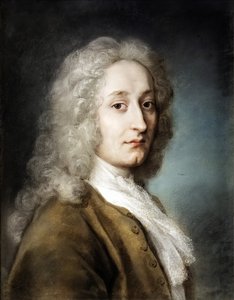
Jean-Antoine Watteau
1684 - 1721 , Francia
Datos clave
- Artistas Influenciados:
- Fragonard
- Boucher
- Artistas Que Influyeron:
- Tiziano
- Rubens
- Fecha De Muerte: 1721
- Fecha De Nacimiento: 1684
- Lugar De Nacimiento: Valenciennes, Francia
- Movimiento Artístico: Rococó
- Nacionalidad: Francés
- Nombre Completo: Jean-Antoine Watteau
- Obras Notables:
- El baile campestre
- Ceres (Verano)
- El contrato matrimonial
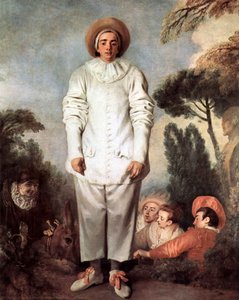
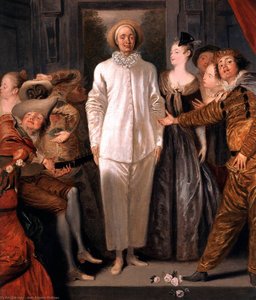
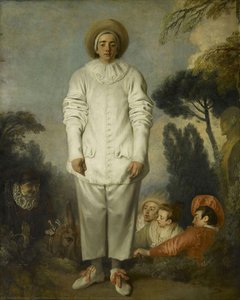
- Gilles
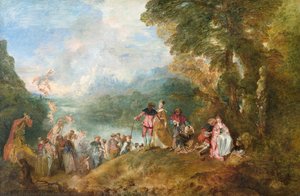
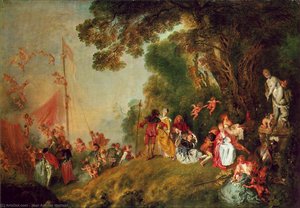
- Embarque a Citera
- Peregrinación a Citera
Artículos relacionados

Rococó: 10 Obras Maestras que Definieron una Época | Arte y Decoración en
Descubre las 10 obras maestras del Rococó que marcaron una época. Explora la elegancia de Fragonard, Boucher y Watteau en . Reproducciones de arte de calidad museo para decorar tu hogar con estilo.
The Allure of Elegance in Art: A Historical & Aesthetic Exploration of Refinement & Grace
Explore the exquisite world of Rococo art! Discover its history, masters (Watteau, Boucher & more), and defining elegance. Expert insights for collectors seeking museum-quality reproductions & custom portraits.
The Allure of Elegance in Art: A Historical & Aesthetic Exploration of Refined Beauty
Explore the history of elegance in art! Discover Rococo masterpieces & key artists. Expert insights for discerning collectors seeking investment-worthy artworks and custom reproductions at ArtsDot.

Paisajes Románticos: 10 Obras Maestras que Definieron un Movimiento Artístico
Descubre los 10 paisajes románticos más influyentes de artistas como Caspar David Friedrich y Turner. Explora la belleza, el simbolismo y las técnicas del movimiento romántico. Reproducciones de arte exclusivas en ArtsDot.com.

La Estética Rococó: Opulencia, Rebelión y Placer en el Arte del Siglo XVIII
Descubre la fascinante estética rococó: su historia, características clave y los artistas más influyentes del siglo XVIII. Un análisis profundo para amantes del arte y coleccionistas.