 Ver en contexto
 Enviar
 Compartir
 Detalles

 Descargar
 Similares
 Radiografía
 Presentación de diapositivas
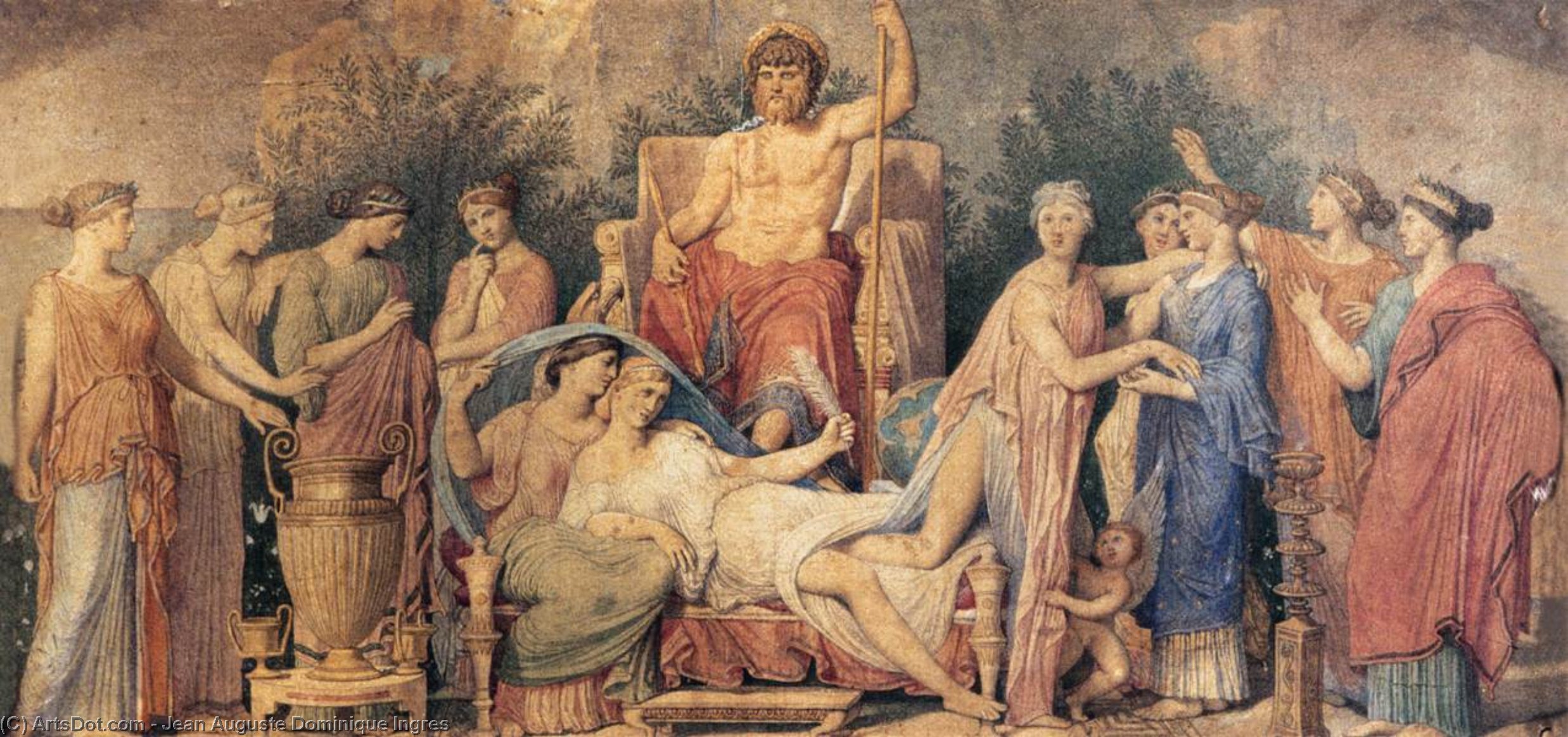
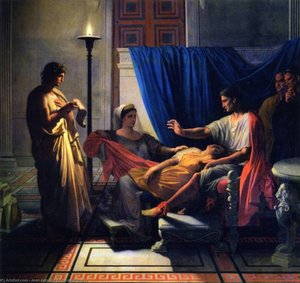
El nacimiento de la última musa
 Acrílico sobre lienzo
- Arte de pared
- Neoclassical Precision
 1856
1856 257.0 x 532.0 cm
 Museo del Louvre
 Ver más
Reproducción al óleo hecha a mano
Óleo sobre lienzo pintado a mano en el tamaño y marco de su elección, realizado por encargo por nuestros artistas. ( Comprar impresión Comprar imagen)




P118B $10

P118H $10

P118W $10

P438Z $10

P508JH $12

P508YH $12

P805H $10

P805Z $10

P919BZ $10

P919G $10

P919XJ $10

P959ZH $10

P968JZ $12

W106C $8

W218G $10

W218JH $8

W218Y $10

W307PJ $10

W316G $10

W316PJ $8

W316Y $10

W398PJ $8

W4111J $10

W500HY $15

W500JH $15

W692G $12

W849H $8

W940BG $15

W953PJ $8




Elija entre nuestros tamaños predefinidos que respetan las proporciones originales de la obra.

Puede ingresar sus propias dimensiones para adaptarse a un marco o espacio específico. Si el tamaño seleccionado no coincide con las proporciones de la imagen original, recortaremos la obra o extenderemos la pintura con elementos adicionales pintados a mano. Se le enviará una maqueta digital para su aprobación antes de comenzar la producción.
Tenga en cuenta que la vista previa en pantalla no refleja el recorte o la extensión reales. Solo la maqueta mostrará con precisión la composición final.
Si bien existen tamaños personalizados, recomendamos seleccionar una dimensión de la lista predefinida para preservar las proporciones originales.
Tras realizar el pedido, el equipo de ArtsDot.com enviará un correo electrónico al cliente para solicitar instrucciones y proporcionarle una vista previa del boceto.
Envío a todo el mundo () en 3-4 semanas en lugar de las 5 semanas estándar. (29 agosto). Sin comprometer la calidad.

Envío exprés gratuito a todo el mundo

Lienzo de lino de alta calidad

Seguro de envío total

Garantía de reembolso de impuestos aduaneros

Garantía de fidelidad cromática exacta

Política de devolución de 60 días (solo por defectos)

Garantía de devolución del 100% del dinero

Descuento por cantidad
 La opción de vidrio solo está disponible en tamaños inferiores a 110 cm.

El nacimiento de la última musa
Técnica de reproducción
Dimensiones de la reproducción
-


Precio total final
$ 263
The Birth of the Last Muse: A Study in Neoclassical Grace and Melancholy
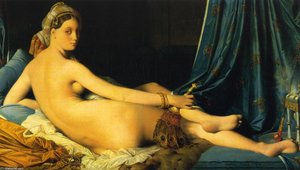
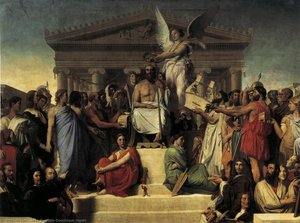
Jean-Auguste-Dominique Ingres’s “The Birth of the Last Muse” (1856) is not merely a depiction of a scene; it's an exquisitely rendered tableau brimming with layered symbolism, intellectual depth, and a palpable sense of poignant beauty. Measuring a substantial 257 x 532 cm, this watercolor – now faithfully reproduced in hand-painted detail by ArtsDot – commands attention, drawing the viewer into a meticulously constructed world of classical allusion and quiet contemplation. The painting unfolds within a dimly lit museum setting, suggesting an object of scholarly reverence rather than immediate engagement, which subtly heightens its impact. At first glance, it appears to be a gathering around a statue, yet closer observation reveals a complex narrative woven through the interactions of several figures, each contributing to the overall atmosphere of restrained sorrow and nascent inspiration. The central focus is undeniably the baby lying on the ground – the “Last Muse,” as the title suggests – an emblem of artistic potential struggling to emerge amidst a landscape of faded grandeur.Composition and Technique: Ingres’s Sculptural Precision
Ingres, renowned for his unwavering commitment to Neoclassical ideals, demonstrates his mastery in every brushstroke. The composition is remarkably balanced, utilizing strong diagonal lines – particularly those formed by the figures and the statue itself – to guide the eye through the scene. His technique is characterized by a meticulous attention to detail, evident in the rendering of fabrics, skin tones, and the subtle textures of the marble sculpture. Ingres’s use of watercolor allows for a remarkable luminosity and transparency, creating an ethereal quality that contrasts beautifully with the solidity of the figures. Notice how he employs broken color – small, distinct areas of pigment rather than blended washes – to build form and create a sense of depth, mimicking the effect of light and shadow in sculpture. The careful modeling of the statue’s musculature, reminiscent of ancient Greek forms, underscores Ingres's deep respect for classical art. The artist’s insistence on precise lines and controlled brushwork is a hallmark of his style, creating an almost sculptural quality to the painting – as if it were a three-dimensional representation captured on paper.Symbolism and Narrative: Echoes of Mythology and Melancholy
“The Birth of the Last Muse” is rich in symbolic meaning, drawing heavily from classical mythology and philosophical concepts. The statue itself represents Apollo, god of music and art, cradling a newborn figure – likely representing Terpsichore, the muse of dance, or perhaps even a more generalized embodiment of artistic inspiration. The baby’s placement on the ground suggests vulnerability, fragility, and the arduous journey from potential to realization. The figures surrounding the statue are not merely observers; they represent various aspects of the creative process – contemplation, judgment, and ultimately, acceptance. The woman in the foreground, often interpreted as a scholar or critic, gazes down upon the scene with a mixture of sadness and understanding. Her posture suggests a recognition of the fleeting nature of beauty and inspiration, while her expression hints at the inevitable decline that accompanies all artistic endeavors. The overall mood is one of melancholy – a poignant acknowledgment of the loss inherent in creation and the bittersweet realization that even the most brilliant ideas eventually fade with time.Historical Context and Artistic Legacy
Created in 1856, “The Birth of the Last Muse” reflects Ingres’s evolving artistic philosophy during a period of significant change within the art world. He was increasingly critical of the burgeoning Romantic movement, which he viewed as overly emotional and lacking in formal discipline. This painting can be seen as a deliberate assertion of Neoclassical principles – a return to order, clarity, and idealized beauty. The work also speaks to Ingres’s fascination with antiquity and his belief that art should strive for timeless perfection. Furthermore, the painting's subject matter—the genesis of artistic inspiration—resonates with broader philosophical questions about creativity, mortality, and the role of the artist in society. Ingres’s influence on subsequent generations of artists is undeniable; his emphasis on line, form, and meticulous technique continues to inspire painters today. ArtsDot’s faithful reproduction captures not only the visual details of this masterpiece but also its profound emotional resonance, allowing viewers to experience Ingres's vision in all its glory. A hand-painted reproduction offers a unique opportunity to own a piece of art history—a testament to the enduring power of classical beauty and the poignant contemplation of artistic creation.Obras relacionadas
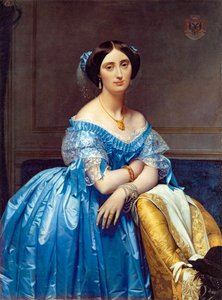
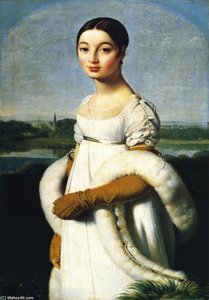
Biografía del artista
Jean-Auguste-Dominique Ingres: Un Maestro del Neoclasicismo
- Nacido: 29 de agosto de 1780, Montauban, Francia
- Fallecido: 14 de enero de 1867, París
Primeros Años y Formación
Jean-Auguste-Dominique Ingres nació en una familia modesta en Montauban. Su padre, Jean-Marie-Joseph Ingres, era pintor y escultor, lo que le proporcionó una base artística temprana. Ingres recibió su formación inicial de su padre antes de inscribirse en la Académie Royale de Peinture, Sculpture et Architecture en Toulouse bajo Guillaume-Joseph Roques. En 1797, se mudó a París para estudiar con Jacques-Louis David, una figura destacada del Neoclasicismo. Esta tutoría demostró ser crucial en la configuración de la trayectoria artística de Ingres.
Desarrollo Artístico e Influencias
El estilo de Ingres estaba profundamente arraigado en las tradiciones del Renacimiento italiano y los maestros flamencos como Rafael y Nicolás Poussin. Estudió meticulosamente sus obras, esforzándose por emular su claridad, elegancia y formas idealizadas. La influencia de Jacques-Louis David también es evidente en la temprana adhesión de Ingres a los principios neoclásicos: un enfoque en la línea, la forma y los temas históricos o mitológicos. Sin embargo, Ingres desarrolló gradualmente su propio estilo distintivo, caracterizado por una mezcla única de precisión y sensualidad.
Obras Principales y Estilo
Ingres logró un reconocimiento significativo a través de varias obras notables:
- Los Embajadores de Agamenón en la Tienda de Aquiles (1801): Esta pintura le valió el Prix de Rome, marcando un momento crucial en su carrera.
- El Voto del Rey Luis XIII (1827): Una obra que demuestra su estilo Raphaelesco y que le granjeó un amplio reconocimiento.
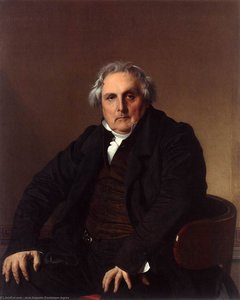
- Retrato del Señor Bertin (1833-1834): Este retrato marcó un período de éxito popular, mostrando su habilidad para capturar el carácter individual.
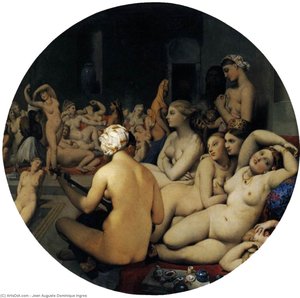
- El Baño Turco (1862): Una de sus obras posteriores y un ejemplo de sus pinturas orientalistas que representan el desnudo femenino, completada cuando tenía 83 años.
Los retratos de Ingres son particularmente celebrados por sus expresivas distorsiones de la forma y el espacio: una desviación de las convenciones neoclásicas estrictas que prefiguró los movimientos artísticos modernos. Empleó un estilo lineal con contornos precisos y colores vibrantes, creando a menudo una ilusión de profundidad mediante sombreado sutil.
Legado y Significado Histórico
El legado de Ingres se extiende mucho más allá de su propia producción prolífica. Exertió una profunda influencia en generaciones posteriores de artistas, incluidos Henri Matisse y Pablo Picasso, quienes admiraron su enfoque innovador de la forma y la composición. Su compromiso con los ideales clásicos mientras simultáneamente traspasaba los límites de la expresión artística consolidó su posición como un puente entre el Neoclasicismo y el Arte Moderno. La obra de Ingres continúa siendo exhibida en importantes museos de todo el mundo, testimonio de su belleza perdurable y su significado histórico.
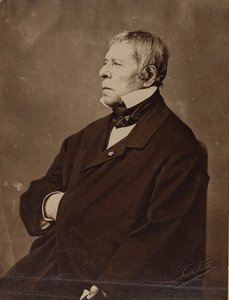
Jean-Auguste-Dominique Ingres
1780 - 1867 , Francia
Datos clave
- Artistas Influyentes:
- Rafael
- Nicolás Poussin
- Jacques-Louis David
- Fecha De Fallecimiento: 14 de enero de 1867
- Fecha De Nacimiento: 29 de agosto de 1780
- Influenciado Por:
- Henri Matisse
- Pablo Picasso
- Lugar De Nacimiento: Montauban, Francia
- Movimiento Artístico: Neoclasicismo
- Nacionalidad: Francés
- Nombre Completo: Jean-Auguste-Dominique Ingres
- Obras Notables:
- Los embajadores de Agamenón
- El voto del rey Luis XIII
- Retrato del Sr. Bertin
- El baño turco
Artículos relacionados

Acuarelas Legendarias: 10 Obras Maestras que Transformaron el Arte | ArtsDot
Descubre 10 acuarelas legendarias de Turner, Monet y Sargent que revolucionaron el arte. Explora la historia, técnica y belleza de estas obras maestras impresionistas y románticas. Reproducciones de museo en ArtsDot.com.

Ephemeral Visions: Exploring the Artistic Legacy & Contemporary Practice of Watercolor Painting
Explore the captivating world of watercolor painting! Discover its rich history, essential techniques, influential artists & collecting tips. A comprehensive guide for art enthusiasts from ArtsDot.

Visiones Efímeras: Historia y Resonancia Emocional de la Pintura Acuarela
Descubre la fascinante historia de la acuarela, desde sus orígenes hasta su expresión contemporánea. Explora técnicas, artistas clave como Paul Klee y encuentra reproducciones de alta calidad en ArtsDot.

Ephemeral Visions: Exploring the Artistic Legacy & Nuances of Watercolor Painting
Explore the captivating world of watercolor painting! Discover its rich history, essential techniques, influential artists & collecting tips from art experts. A comprehensive guide for enthusiasts.

La Fascinación Duradera de la Acuarela: Historia, Técnicas y Práctica Contemporánea
Descubre la fascinante historia y las técnicas de la acuarela. Explora obras maestras, aprende con expertos y encuentra reproducciones o comisiones personalizadas en .