 Ver en contexto
 Enviar
 Compartir
 Detalles

 Descargar
 Similares
 Radiografía
 Presentación de diapositivas
Raphael and La Fornarina


 Ver más
Giclée / Impresión de arte
Impresiones giclée o en lienzo de calidad de museo con producción rápida y opciones de acabado flexibles. ( Comprar pintura hecha a mano Comprar imagen)




P118B $10

P118H $10

P118W $10

P438Z $10

P508JH $12

P508YH $12

P805H $10

P805Z $10

P919BZ $10

P919G $10

P919XJ $10

P959ZH $10

P968JZ $12

W106C $8

W218G $10

W218JH $8

W218Y $10

W307PJ $10

W316G $10

W316PJ $8

W316Y $10

W398PJ $8

W4111J $10

W500HY $15

W500JH $15

W692G $12

W849H $8

W940BG $15

W953PJ $8




Elija entre nuestros tamaños predefinidos que respetan las proporciones originales de la obra.

Puede introducir sus propias dimensiones para adaptarse a un marco o espacio específico. Si el tamaño seleccionado no coincide con las proporciones de la imagen original, recortaremos la obra de arte o extenderemos la imagen con un borde con efecto espejo o de color sólido. Se enviará una maqueta digital para su aprobación antes de que comience la producción.
Tenga en cuenta que la vista previa en pantalla no refleja el recorte o la extensión real. Solo la maqueta mostrará con precisión la composición final.
Aunque existen tamaños personalizados, recomendamos seleccionar una dimensión de la lista predefinida para preservar las proporciones originales.
Envío a todo el mundo () en 2 semanas en lugar de las 4/5 semanas estándar. (6 septiembre)

Envío exprés gratuito a todo el mundo

Lienzo de lino de alta calidad

Seguro de envío total

Garantía de reembolso de impuestos aduaneros

Garantía de fidelidad cromática exacta

Política de devolución de 100 días (solo por defectos)

Garantía de devolución del 100% del dinero

Descuento por cantidad
 La opción de vidrio solo está disponible en tamaños inferiores a 110 cm.

Raphael and La Fornarina
Giclée / Impresión de arte
Dimensiones de la reproducción
-


Precio total final
$ 62
A Dance of Desire and Artistic Reverence: Ingres’s “Raphael and La Fornarina”
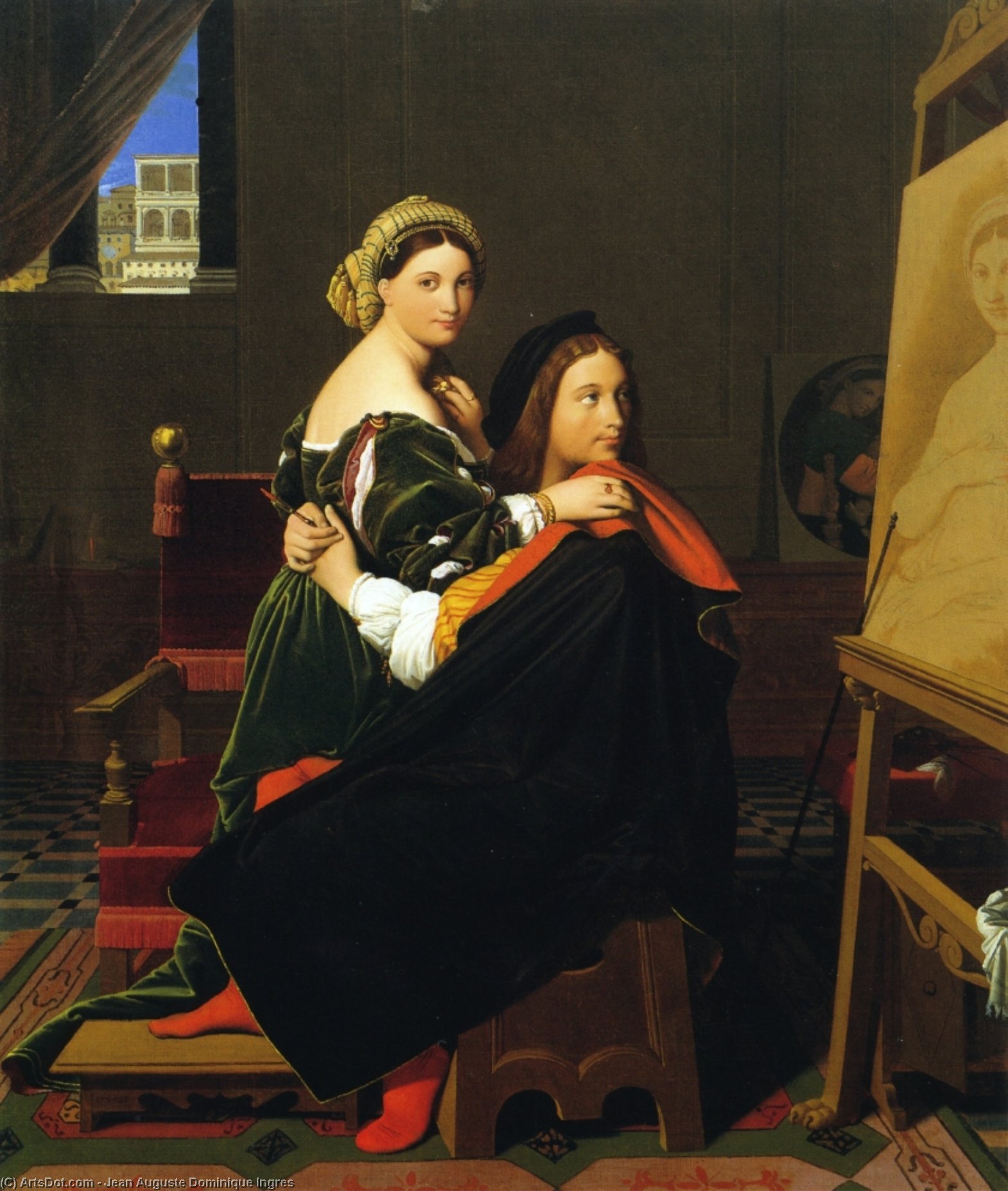
Jean-Auguste-Dominique Ingres's "Raphael and La Fornarina," painted in 1814, is more than a mere portrait; it’s a carefully constructed dialogue between the artist, his subject, and the legacy of Raphael himself. This captivating oil on canvas, currently residing within the hallowed halls of the Fogg Art Museum in Cambridge, unfolds as an intimate tableau brimming with subtle gestures, evocative lighting, and a profound sense of artistic yearning. The painting immediately draws the viewer into a dimly lit studio space – a haven for creativity and contemplation – where the renowned Renaissance painter, Raphael, is depicted seated on the lap of his mistress, La Fornarina. This isn’t a straightforward depiction of love; rather, it's a layered exploration of desire, artistic inspiration, and the complex relationship between creator and muse.Composition and Technique: A Neoclassical Masterclass
Ingres’s mastery lies in his meticulous attention to detail and his unwavering commitment to Neoclassical principles. The composition is characterized by a remarkable sense of fluidity and grace, achieved through the artist's masterful use of soft, curving lines that guide the eye across the canvas. Notice how the figures are rendered with an almost sculptural quality – their forms subtly defined yet imbued with a delicate softness. The warm palette—dominated by ochres, browns, and subtle greens—creates an atmosphere of quiet intimacy, while the diffused lighting casts gentle shadows, enhancing the sense of depth and realism. Ingres’s technique is particularly evident in his rendering of La Fornarina's face – her features are exquisitely detailed, capturing a fleeting expression of both vulnerability and knowing sensuality. The subtle variations in tone and texture contribute to the overall illusion of three-dimensionality, drawing the viewer into the scene. The inclusion of the Raphael portrait hanging on the wall behind them is not merely decorative; it’s a deliberate reference to the artist's own artistic lineage and his deep admiration for the master.Symbolism and Narrative: Beyond the Surface
“Raphael and La Fornarina” transcends a simple depiction of a painter and his model. It’s rich with symbolic meaning, inviting multiple interpretations. The most compelling is arguably the contrast between Raphael's gaze – fixed on his own portrait of La Fornarina – and her direct, almost challenging, look towards the viewer. This suggests that she possesses an awareness of her role as a subject, a muse, and perhaps even a rival to the very artwork he creates. The positioning of La Fornarina on Raphael’s lap can be interpreted as a representation of his creative process—her presence fueling his artistic inspiration. Furthermore, the inclusion of the Madonna della seggiola in the background subtly references Raphael's own masterpiece, creating a visual dialogue between the past and present, between the idealized beauty of Renaissance art and the sensual allure of the contemporary subject. The subtle suggestion of a shared gaze between La Fornarina and the viewer invites us to consider our own role as witnesses to this intimate scene.Historical Context and Artistic Influence
Painted in the aftermath of the Napoleonic Wars, “Raphael and La Fornarina” reflects a renewed interest in classical art and ideals within French society. The painting aligns with the Neoclassical movement’s emphasis on order, reason, and harmony—qualities that Ingres sought to emulate in his own work. Ingres's deep study of Raphael’s life and artistic output is evident throughout the composition, particularly in the careful attention to detail and the idealized portrayal of beauty. The painting also anticipates the rise of the “Orientalist” genre, with its focus on exotic subjects and sensuous female figures—a trend that would become increasingly prominent in 19th-century art. The work’s popularity at the Salon of 1814 demonstrated Ingres's growing influence as a leading figure in the French artistic establishment, solidifying his reputation as a master of line and form.For exquisite, hand-painted reproductions of this masterpiece, please visit ArtsDot.com.
Obras relacionadas
Biografía del artista
Jean-Auguste-Dominique Ingres: Un Maestro del Neoclasicismo
- Nacido: 29 de agosto de 1780, Montauban, Francia
- Fallecido: 14 de enero de 1867, París
Primeros Años y Formación
Jean-Auguste-Dominique Ingres nació en una familia modesta en Montauban. Su padre, Jean-Marie-Joseph Ingres, era pintor y escultor, lo que le proporcionó una base artística temprana. Ingres recibió su formación inicial de su padre antes de inscribirse en la Académie Royale de Peinture, Sculpture et Architecture en Toulouse bajo Guillaume-Joseph Roques. En 1797, se mudó a París para estudiar con Jacques-Louis David, una figura destacada del Neoclasicismo. Esta tutoría demostró ser crucial en la configuración de la trayectoria artística de Ingres.
Desarrollo Artístico e Influencias
El estilo de Ingres estaba profundamente arraigado en las tradiciones del Renacimiento italiano y los maestros flamencos como Rafael y Nicolás Poussin. Estudió meticulosamente sus obras, esforzándose por emular su claridad, elegancia y formas idealizadas. La influencia de Jacques-Louis David también es evidente en la temprana adhesión de Ingres a los principios neoclásicos: un enfoque en la línea, la forma y los temas históricos o mitológicos. Sin embargo, Ingres desarrolló gradualmente su propio estilo distintivo, caracterizado por una mezcla única de precisión y sensualidad.
Obras Principales y Estilo
Ingres logró un reconocimiento significativo a través de varias obras notables:
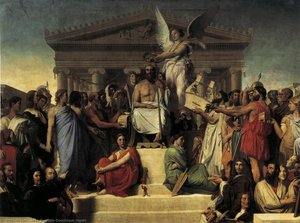
- Los Embajadores de Agamenón en la Tienda de Aquiles (1801): Esta pintura le valió el Prix de Rome, marcando un momento crucial en su carrera.
- El Voto del Rey Luis XIII (1827): Una obra que demuestra su estilo Raphaelesco y que le granjeó un amplio reconocimiento.
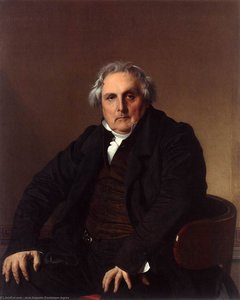
- Retrato del Señor Bertin (1833-1834): Este retrato marcó un período de éxito popular, mostrando su habilidad para capturar el carácter individual.
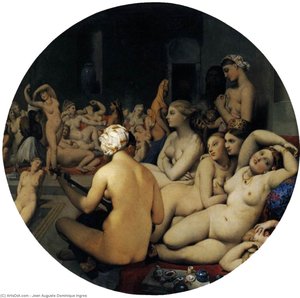
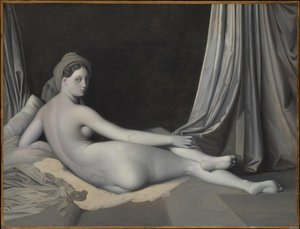
- El Baño Turco (1862): Una de sus obras posteriores y un ejemplo de sus pinturas orientalistas que representan el desnudo femenino, completada cuando tenía 83 años.
Los retratos de Ingres son particularmente celebrados por sus expresivas distorsiones de la forma y el espacio: una desviación de las convenciones neoclásicas estrictas que prefiguró los movimientos artísticos modernos. Empleó un estilo lineal con contornos precisos y colores vibrantes, creando a menudo una ilusión de profundidad mediante sombreado sutil.
Legado y Significado Histórico
El legado de Ingres se extiende mucho más allá de su propia producción prolífica. Exertió una profunda influencia en generaciones posteriores de artistas, incluidos Henri Matisse y Pablo Picasso, quienes admiraron su enfoque innovador de la forma y la composición. Su compromiso con los ideales clásicos mientras simultáneamente traspasaba los límites de la expresión artística consolidó su posición como un puente entre el Neoclasicismo y el Arte Moderno. La obra de Ingres continúa siendo exhibida en importantes museos de todo el mundo, testimonio de su belleza perdurable y su significado histórico.
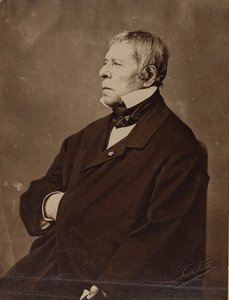
Jean-Auguste-Dominique Ingres
1780 - 1867 , Francia
Datos clave
- Artistas Influyentes:
- Rafael
- Nicolás Poussin
- Jacques-Louis David
- Fecha De Fallecimiento: 14 de enero de 1867
- Fecha De Nacimiento: 29 de agosto de 1780
- Influenciado Por:
- Henri Matisse
- Pablo Picasso
- Lugar De Nacimiento: Montauban, Francia
- Movimiento Artístico: Neoclasicismo
- Nacionalidad: Francés
- Nombre Completo: Jean-Auguste-Dominique Ingres
- Obras Notables:
- Los embajadores de Agamenón
- El voto del rey Luis XIII
- Retrato del Sr. Bertin
- El baño turco
Artículos relacionados
Rafael: Las 25 Obras Maestras que Definen al Genio del Renacimiento | ArtsDot
Descubre las 25 obras maestras de Rafael Sanzio, el genio del Renacimiento. Explora su historia, técnica y significado en pinturas icónicas como 'La Escuela de Atenas'. Reproducciones de arte de alta calidad para decorar tu hogar con elegancia. ¡Explora la colección completa en ArtsDot.com!
La Biennale de Venecia: 25 Obras Maestras para Inspirar tu Hogar | ArtsDot
Descubre las 25 obras maestras de la Bienal de Venecia. Explora la historia, artistas y técnicas detrás de iconos del arte renacentista, moderno y contemporáneo. Encuentra reproducciones de alta calidad e inspira tu hogar con ArtsDot.com.
The Enduring Legacy of Formal Portraiture: Power, Identity & Artistic Exploration
Explore the rich history of formal portraiture & its enduring power to capture identity and shape perception. Discover investment-worthy artworks, expert appraisals, and custom reproduction services at ArtsDot.
Maurice Quentin de La Tour: Light, Shadow & the Rococo Portrait
Explore the captivating world of Maurice Quentin de La Tour, a master of Rococo portraiture. Discover his innovative pastel techniques, intimate depictions of French aristocracy, and lasting artistic legacy. Learn more at ArtsDot.
The Enduring Gaze: Classical Portraiture & Societal Values
Explore the rich history of classical portraiture & its reflection of societal values. Discover artistic techniques, symbolism, and enduring influence on art collecting with ArtsDot.