 Ver en contexto
 Enviar
 Compartir
 Detalles

 Descargar
 Similares
 Radiografía
 Presentación de diapositivas
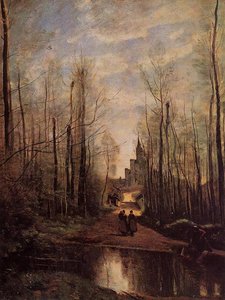
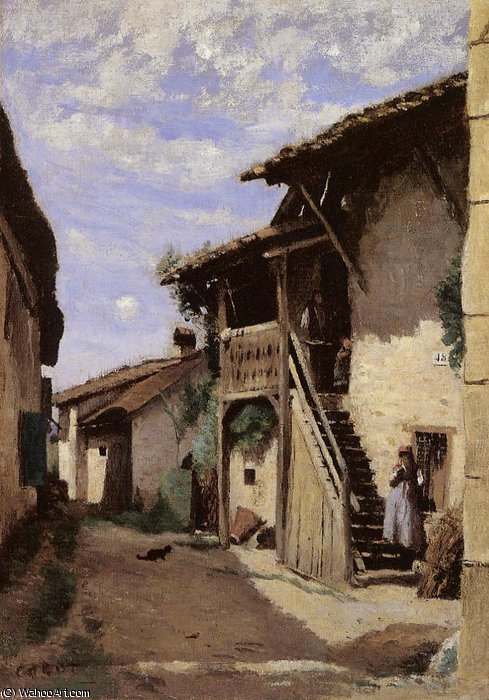
a village steeet dardagny

 Ver más
Giclée / Impresión de arte
Impresiones giclée o en lienzo de calidad de museo con producción rápida y opciones de acabado flexibles. ( Comprar pintura hecha a mano Comprar imagen)




P118B $10

P118H $10

P118W $10

P438Z $10

P508JH $12

P508YH $12

P805H $10

P805Z $10

P919BZ $10

P919G $10

P919XJ $10

P959ZH $10

P968JZ $12

W106C $8

W218G $10

W218JH $8

W218Y $10

W307PJ $10

W316G $10

W316PJ $8

W316Y $10

W398PJ $8

W4111J $10

W500HY $15

W500JH $15

W692G $12

W849H $8

W940BG $15

W953PJ $8




Elija entre nuestros tamaños predefinidos que respetan las proporciones originales de la obra.

Puede introducir sus propias dimensiones para adaptarse a un marco o espacio específico. Si el tamaño seleccionado no coincide con las proporciones de la imagen original, recortaremos la obra de arte o extenderemos la imagen con un borde con efecto espejo o de color sólido. Se enviará una maqueta digital para su aprobación antes de que comience la producción.
Tenga en cuenta que la vista previa en pantalla no refleja el recorte o la extensión real. Solo la maqueta mostrará con precisión la composición final.
Aunque existen tamaños personalizados, recomendamos seleccionar una dimensión de la lista predefinida para preservar las proporciones originales.
Envío a todo el mundo () en 2 semanas en lugar de las 4/5 semanas estándar. (28 agosto)

Envío exprés gratuito a todo el mundo

Lienzo de lino de alta calidad

Seguro de envío total

Garantía de reembolso de impuestos aduaneros

Garantía de fidelidad cromática exacta

Política de devolución de 60 días (solo por defectos)

Garantía de devolución del 100% del dinero

Descuento por cantidad
 La opción de vidrio solo está disponible en tamaños inferiores a 110 cm.

a village steeet dardagny
Giclée / Impresión de arte
Dimensiones de la reproducción
-


Precio total final
$ 62
A Moment Frozen in Time: Corot's Village Street
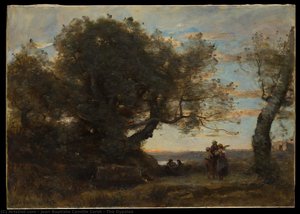
The painting depicts a serene village street bathed in soft afternoon light—a quintessential scene captured by Jean-Baptiste-Camille Corot, one of the foremost Impressionists of his era. Completed around 1867, this artwork exemplifies Corot’s signature style: Luminism – an approach that prioritizes capturing the subtle nuances of natural illumination and conveying a profound sense of tranquility. It's housed in the Musée d'Orsay, Paris, where visitors can appreciate its understated beauty firsthand.- Subject Matter: The composition focuses on a narrow cobblestone street lined with modest buildings—typical dwellings of rural France during the mid-Victorian period. Details like weathered stone walls and sparsely planted shrubs contribute to an atmosphere of quiet observation.
- Style & Technique: Corot’s technique is characterized by meticulous layering of thin, translucent glazes applied over a monochrome underpainting. This painstaking process allows him to achieve remarkable tonal gradations—capturing the diffused light that filters through the trees and illuminates the street surface with an ethereal glow. The brushstrokes are soft and blended seamlessly, creating an illusion of depth and texture without resorting to harsh contrasts.
- Historical Context: Corot’s work emerged during a period of significant artistic experimentation following Romanticism. While acknowledging the influence of Turner and Constable—masters of atmospheric perspective—Corot deliberately distanced himself from overtly dramatic narratives, opting instead for contemplative landscapes that explored the psychological impact of nature on human experience. He sought to depict not just what he saw but how it *felt*.
Symbolism & Emotional Resonance
Beyond its visual beauty, “Village Street” carries a deeper symbolic significance. Corot’s deliberate choice of muted colors—primarily ochres and browns—reflects the earthy palette favored by Luminists who aimed to convey an honest portrayal of rural life. The stillness of the scene speaks to themes of solitude and contemplation – inviting viewers to pause and appreciate the simple pleasures of existence. The solitary figures, rendered with understated realism, embody a quiet dignity and connection to the natural world.- Color Palette: Corot’s restrained color scheme emphasizes tonal harmony and avoids flamboyant hues. The dominant shades evoke feelings of warmth, comfort, and nostalgia—drawing upon memories of pastoral landscapes prevalent in French Romantic literature and art.
- Composition & Light: The horizontal orientation of the street reinforces a sense of stability and permanence, while the upward gaze of the figures suggests an aspiration towards transcendence – mirroring the spiritual quest characteristic of the era.
Legacy & Influence
Corot’s “Village Street” stands as a testament to Luminism's enduring appeal—a style that continues to inspire artists today. Its influence can be seen in subsequent landscapes by Impressionists like Monet and Sisley, who adopted Corot’s meticulous glazing technique to achieve similar effects of atmospheric luminescence. More broadly, the painting embodies the Romantic ideal of perceiving nature as a source of moral inspiration and spiritual renewal—a sentiment that resonates powerfully with audiences seeking solace and beauty amidst the complexities of modern life. It remains a poignant reminder of art's ability to capture not just what is seen but what is felt – a timeless masterpiece celebrating the quiet grandeur of the French countryside.Obras relacionadas
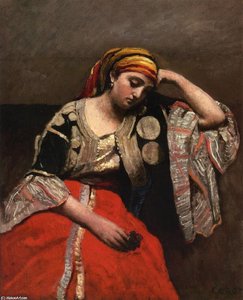
Biografía del artista
Vida Temprana y Formación
Jean-Baptiste-Camille Corot, un renombrado pintor francés de paisajes y retratos, nació el 16 de julio de 1796 en París. Su familia, perteneciente a la burguesía, le proporcionó un entorno propicio para explorar sus inclinaciones artísticas. Inicialmente, los intereses de Corot se dirigieron hacia otros campos, pero finalmente descubrió su pasión por la pintura alrededor de 1821. Esto marcó el comienzo de su prolífica carrera, que más tarde influiría en el desarrollo del impresionismo.Trayectoria Artística y Obras Notables
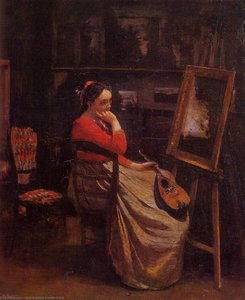
La trayectoria artística de Corot se caracteriza por una mezcla de tradición neoclásica e innovaciones al aire libre (plein air). Algunas de sus obras notables incluyen:- El Reposo (óleo sobre lienzo, circa 1860s), una pieza cautivadora que muestra la maestría de Corot para capturar la esencia de la serenidad.
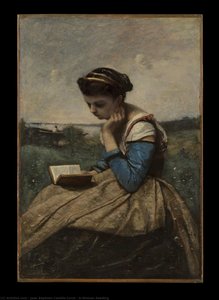
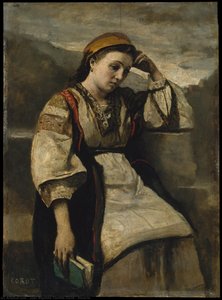
- Lectura Interrumpida (realismo, óleo, circa 1850s), un ejemplo conmovedor de la capacidad de Corot para retratar la vida cotidiana con profundidad y emoción.
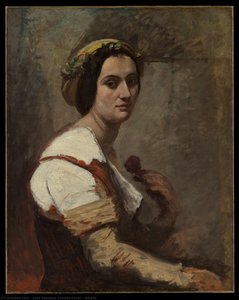
- Agostina (realismo, óleo, circa 1860s), un impresionante retrato que ejemplifica la habilidad de Corot para capturar la esencia de sus sujetos.
Influencias y Desarrollo Artístico
Corot fue influenciado por artistas como Gaspard Davidovich Poussin y Claude Lorrain, maestros del paisaje clásico francés. Sin embargo, su propio desarrollo artístico lo llevó a alejarse de las composiciones rígidas y formales del neoclasicismo para abrazar una aproximación más libre e intuitiva al paisaje. Su adopción de la pintura plein air fue revolucionaria en su época, permitiéndole capturar directamente las condiciones atmosféricas cambiantes y la luz natural. También se le considera un precursor del impresionismo debido a su enfoque en la atmósfera, el color y la pincelada suelta.Logros e Importancia Histórica
La vasta producción de Corot ha tenido un impacto duradero en el desarrollo de la pintura de paisajes. Su innovador enfoque, combinando técnicas tradicionales con innovaciones al aire libre, allanó el camino para futuras generaciones de artistas. Aunque no fue reconocido ampliamente durante su vida, su obra ganó una mayor apreciación póstumamente y ahora se le considera una figura clave en la historia del arte francés. Corot influyó directamente a muchos artistas impresionistas como Monet, Renoir y Pissarro, quienes admiraban su capacidad para capturar la atmósfera y la luz natural. Descubra más sobre las pinturas de Jean-Baptiste-Camille Corot en ArtsDot.com: https://ArtsDot.com/@/jean-baptiste-camille-corot Aprenda más sobre el Musée Courbet en Wikipedia: https://en.wikipedia.org/wiki/mus%c3%a9e_courbet_(ornans,_france)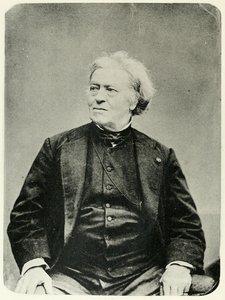
Jean-Baptiste-Camille Corot
1796 - 1875 , Francia
Datos clave
- Estilo Artístico: Neoclasicismo y Plein Air
- Influencia En Artistas: ['Impresionismo']
- Lugar De Nacimiento: París, Francia
- Nacimiento: 16 de julio de 1796
- Nacionalidad: Francesa
- Nombre Completo: Jean-Baptiste-Camille Corot
- Obras Notables:
- El Reposo
- Lectura interrumpida
- Agostina
Artículos relacionados
Jean-Baptiste-Camille Corot: A Poetic Realism – Bridging the Barbizon School and Early Impressionism
Explore the life & art of Camille Corot, a pivotal figure bridging the Barbizon School & Impressionism. Discover his poetic realism, signature style, and lasting influence on landscape painting. Learn more at ArtsDot.
Jean-Baptiste Pater: Rococo Charm & Ephemeral Beauty of 18th-Century France
Explore the captivating world of Jean-Baptiste Pater, a master of Rococo painting. Discover his elegant *fête galante* scenes and shimmering portraits – a glimpse into 18th-century French aristocracy. Learn about his legacy & find high-quality reproductions.
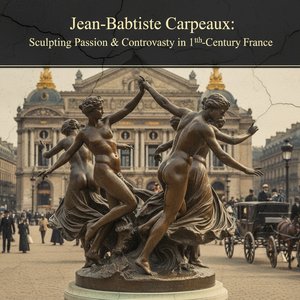
Jean-Baptiste Carpeaux: Sculpting Passion & Controversy in 19th-Century France
Explore the passionate life & controversial works of Jean-Baptiste Carpeaux, a leading French sculptor of the Second Empire. Discover his realism, iconic sculptures like 'Ugolino,' and lasting legacy as a precursor to Rodin.
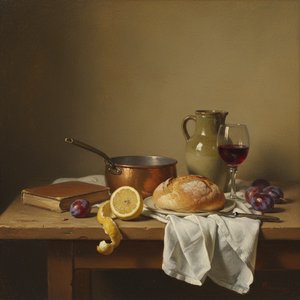
Jean-Baptiste-Siméon Chardin: Master of Still Life & Everyday Elegance
Explore the serene world of Jean-Baptiste-Siméon Chardin, master of still life & genre painting. Discover his revolutionary techniques, enduring legacy, and timeless depictions of everyday elegance. Learn more at ArtsDot.

Jean-Baptiste Debret: Witnessing Brazil’s Emergence Through Art & Identity
Explore the captivating art of Jean-Baptiste Debret, a key witness to Brazil’s imperial era. Discover his iconic portraits, historical scenes & insightful depictions of Brazilian life. Learn about his legacy and find museum-quality reproductions at ArtsDot.